Wild Strawberries under Wildfire Smoke.

In Willey’s — the rambling general store where you can buy electrical supplies, French wine, local produce, bananas and darn near everything else except cigarettes — I turn a corner and find an old friend. She has a sunburn and I think: where have you been? We are both in some kind of rush that we talk, separate, and then knock up against each other again and again. The store is jammed to the ceiling with stuff, but it’s not that large. At the register and then out into the street, we keep talking. She’ll filled with such good energy I want to pocket some of her joy.

Every day, rain falls. Clotheslines droop. My feet are spongy in sandals. The Blundstones my daughter bought me a few years back split at the soles. It makes sense to wear these beloved shoes right down to wet scraps. I open and close the windows — is it hot? is it cold? The garden soaks up the water. The woods are lush and lovely, redolent with wet bark, the tanginess of split leaves.

The wild blackberries blossom profusely, the green berries now knotting. It’s nearly July, the season that means swimming and long lingering evenings watching the twilight drift down. Not so, this year. The pandemic made abundantly clear that we are connected to each other — both neighbors across the street and strangers around the globe — in ways that matter not one whit whether we like it, or not.

This summer breeds contemplation, more November than cusp of July. In that vein, here’s a few lines from the immortal T. S. Eliot in Four Quartets:

... The wild thyme unseen and the wild strawberry,
The laughter in the garden, echoed ecstasy
Not lost, but requiring, pointing to the agony
Of death and birth.

 You say I am repeating
Something I have said before.
 I shall say it again.

Shall I say it again? In order to arrive there,
To arrive where you are, to get from where you are not,
 You must go by a way wherein there is no ecstasy.

In order to arrive at what you do not know
 You must go by a way which is the way of ignorance.

In order to possess what you do not possess
 You must go by the way of dispossession.

In order to arrive at what you are not
 You must go through the way in which you are not.

And what you do not know is the only thing you know
And what you own is what you do not own
And where you are is where you are not...

18th Birthday.

Here’s the thing: 18 years is a whole lot of parenting. 18 years is hardly a heartbeat.

My youngest was born by caesarian at 8:13 a.m. Leaving the hospital a few days later, corn nubs had emerged through the soil. As we drove by farm fields, I admired the new corn, marveling at its beauty. I had seen corn growing my whole life. And yet….

Perhaps that and yet sums up parenting. As a little girl, my youngest wore a green fairy tutu from her grandmother for about two years straight. These days, we are past the days of tiny teacups and Go, Dog, Go. Our family dynamics are now getting down to the hard questions: what does it mean to be a woman? what shall I do with my life? and how many times does sunscreen really need to be applied on a senior skip day at the beach? The questions go on….

blessing the boats

                                    (at St. Mary’s)

may the tide

that is entering even now

the lip of our understanding

carry you out

beyond the face of fear

may you kiss

the wind then turn from it

certain that it will

love your back     may you

open your eyes to water

water waving forever

and may you in your innocence

sail through this to that

— Lucille Clifton

May, Fire, Frost.

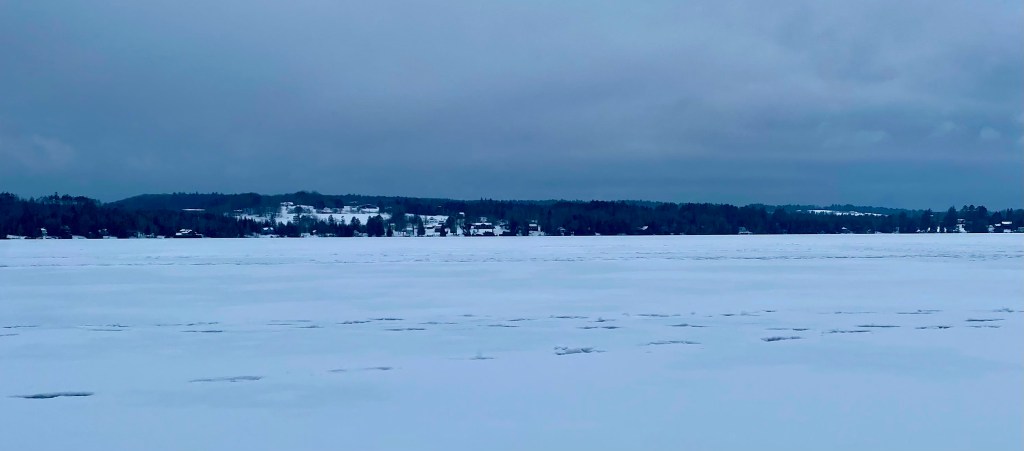
May, and I’m kicking a few pieces of firewood in my wood stove, pleasing the cats on the red rug, luxuriating in keeping the door to our glassed-in porch open, the heat pushing into this three-season (but really one-season) tiny room.

We are in the days of lengthening light, spring exuberance. The sun rises crimson. A young woodchuck grazes on the lawn, then wanders into our fire pit, curious perhaps about us humans, or simply searching.

I am a gardener; we are outright foes. But this morning, my cat Acer and I watch the woodchuck through the window beside my desk, the morning’s cool pushing in through the screen. Acer steps on my keyboard, rubs his head against my elbow, reminds me that I left him for a few weeks.

I’m still thinking of that window in the apartment where we stayed in Florence. On the tile floor, the tall window open, I watched dawn flow over the red roof tiles, the pigeons sweeping over the roofs. I live in the world of the hermit thrush, mewling catbirds, carmine cardinals. A friend tells me she plans to cover her apple tree with a bedsheet tonight, to ward off the frost. Huh, I think. May.

Consider your origin.

— Dante

Last Moments.

4 a.m., I’m drinking espresso on a balcony in Rome. Our tickets home have been cancelled. (Hello, strikers.) After a scramble, I’m hoping my patch-up fix will hold.

The morning is cool with a promise of sultry heat. Birds serenade in treetops and fly among ruins from an ancient world.

At the metro, my daughter and I are separated on opposite sides of a turnstile. I throw her my wallet over the gate. Her ticket won’t work, nor the second. A man appears, opens the gate on my end, and speaks to me in Italian. My daughter hurries through. I say thank you, thank you, thank you, to the stranger disappearing into the crowd.

On the Move.

My father’s physical therapist tells him to keep moving. No matter what, keep moving to keep alive. My dad, thankfully, keeps moving.

My youngest and I are about to be on the move, too. We’ve left our cats and our house with competent and caring people, and are headed out for a spell. I’ll send a few photos along the way.

On the precipice of young womanhood, she’s game. And me — I’m somewhere in the Dante dark woods of what I hope will be a long life yet to come. It’s been a long pandemic, a long haul, for me, and certainly for you — for all of you reading my words.

Keep moving, keep alive in body and soul. I’ll be home to plant a bed of spring flowers.

Reasons…

Rainy afternoon. I wander through the neighborhood where I once considered buying a house. Someone else lives there now. With new paint and two rocking chairs on the front porch, I need a moment to recognize the house, to remember the kitchen door I went through, envisioning in those days how my life might bend.

These years, walking by, I’ve watched the vehicles’ license plates change from Maine to Vermont, a tricycle appear, a front step break, two hydrangeas expand in the front yard.

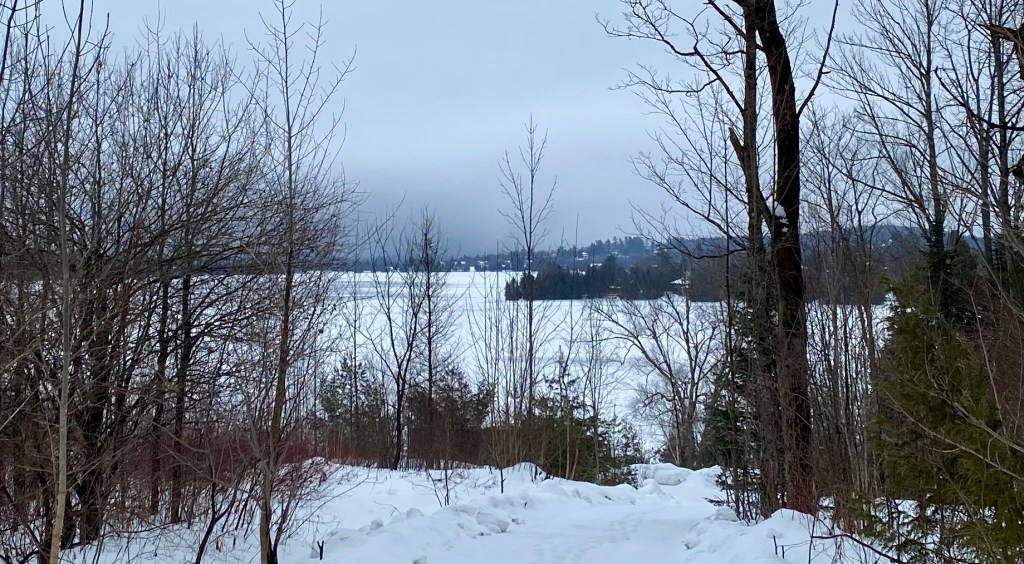
April: season of mud and rain, snow and patience. Some reasons are obvious. Snow vanishes first on south-facing slopes, but other patches around us aren’t so readily knowable. Why does snow cling to some fields and not others? Quickly running water beneath, perhaps, the softening of what our human eyes can’t see, the knowledge gained only by years of our wandering footsteps.

So it goes. April, thaw, brown to pea green.

The world begins at a kitchen table. No matter what, we must eat to live.

The gifts of earth are brought and prepared, set on the table. So it has been since creation, and it will go on.

We chase chickens or dogs away from it. Babies teethe at the corners. They scrape their knees under it.

It is here that children are given instructions on what it means to be human. We make men at it, we make women.

At this table we gossip, recall enemies and the ghosts of lovers.

Our dreams drink coffee with us as they put their arms around our children. They laugh with us at our poor falling-down selves and as we put ourselves back together once again at the table.

This table has been a house in the rain, an umbrella in the sun…

From Joy Harjo’s “Perhaps the World Ends Here”