Travels

Saturday, my daughter and I drive through Montpelier, Vermont’s capitol city. I’m in the passenger seat, as I always seem to be these days, while she negotiates intersects. Who has right-of-way? When can you turn right on red?

Eventually, she parks, and we walk around town.

At a take-out window, I order her a milkshake. Since she can’t walk down the street and drink a milkshake with a mask, we sit on the state house lawn, while she drinks the milkshake. I lie back beneath the immense maple tree and remember nursing her here, sixteen summers ago.

Eventually, she looks at me, and says, There’s so many people.

It’s true; people are walking back and forth to the farmers’ market. College students are playing frisbee. Families are everywhere. But it’s also Vermont and not particularly populous.

At just a few weeks shy of sixteen, my daughter straddles that terrain between girl and woman, beautiful and strong and curious.

Looking at her, I marvel that over a year of her life has been spent in such isolation, our world shuttered up.

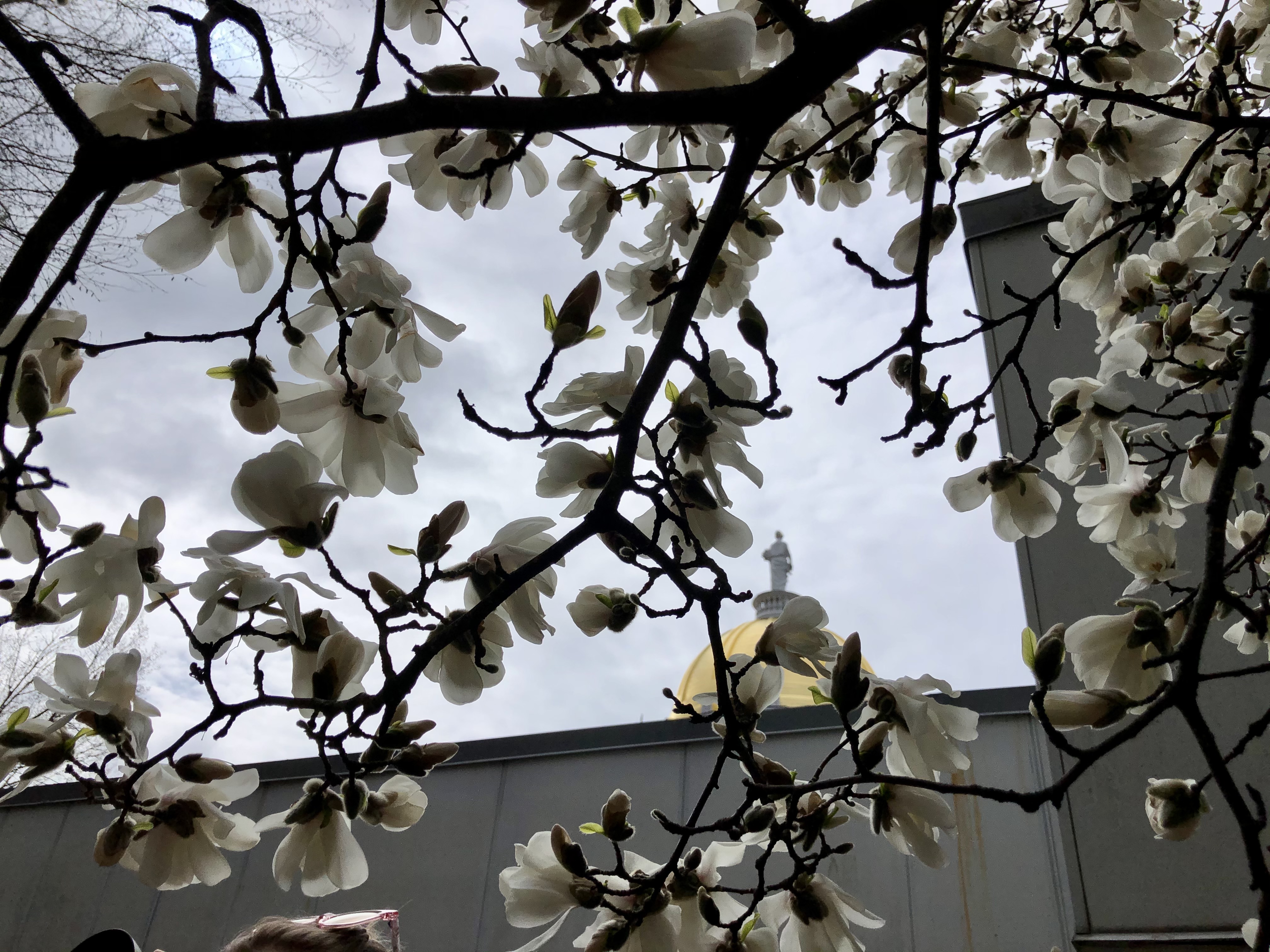
On our walk back to our car, we stop beneath the crab apple blossoms and breathe in. Spring.

Yes
William Stafford
 
It could happen any time, tornado,
earthquake, Armageddon. It could happen.
Or sunshine, love, salvation.
It could, you know. That’s why we wake
and look out––no guarantees
in this life.
But some bonuses, like morning,
like right now, like noon,
like evening.
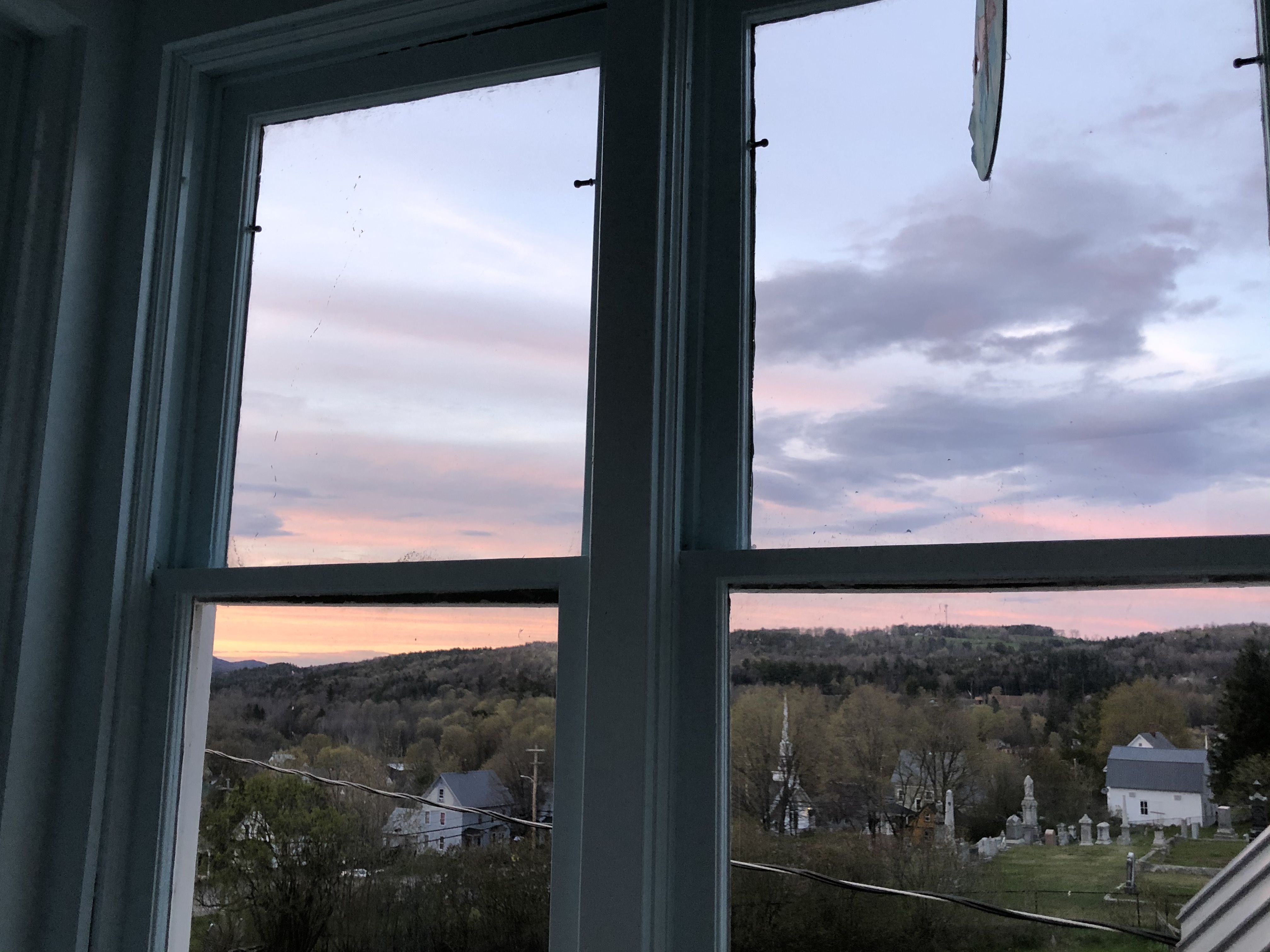
Roaming

Hard up for reading material, I get my 15-year-old to drive to Craftsbury, where I raid the free book pile on the porch.

In this village, we see no one, not a single human soul, only two geese flying overhead. It’s late Saturday afternoon, and she keeps driving on the dirt roads, heading by the Outdoor Center where I worked many years ago, and then by the summer camp where she spent happy summer weeks.

The road crests by the old farmhouse where our friends lived for years, and where we spent so many happy hours. She slows, and we look carefully. The house has been freshly painted and glows a pale yellow on that green hillside.

In one of those strange twists of fate, my former husband and I had also considered buying this house before our friends — who were not yet our friends — did. At that time, the farmhouse hadn’t been inhabited for a few years. A couple with two children had lived there, divorced, and the house had been snarled in the divorce.

In one bedroom, in place of a headboard, pillows had been stapled to the wall. I remember thinking, Who would ever think that’s a good idea?

I ask her to pull over on the side of the road. I get out for a moment and walk into the field where I stand looking at the ridge of mountains in the distance, the house on the hillside, and all that sky overhead.

A pickup pulls up beside my daughter, speaks to her, and drives off. I walk back to the car and asked what happened.

She says, He asked if I needed help. I told him it was just my mother.

She puts the car in gear, and we roll forward, picking up speed along the road. She glances at me sideways and says, I didn’t tell him you wanted to see how far along the tree buds are. That would just be weird.

 Destiny has no beeper; destiny always leans trenchcoated out of an alley with some sort of ‘psst’ that you usually can’t even hear because you’re in such a rush to or from something important you’ve tried to engineer.

David Foster Wallace

The Me World V. Context

The May my youngest daughter was born, rain fell every day that month. Day after day of deepening sogginess, the earth drinking up that water. She was born on the very last day of May, and in early June, nibs of corn nosed up through the black, plowed fields.

This May, I wake early, long before light, listening to the robins singing sweetly in the tree outside my window, our little cat pressed near the screen, more interested in birds than breakfast in his bowl.

And so our lives unfold, a summer of plans unfurling slowly, tentatively around us. I live in the state with the highest Covid vaccination rate, but around us swirls this debate about vaccinating, particularly among the young adults. Listening, I think of those young sprouts of corn, how each shoot needs the earth for growth, the rain for water, the sun for nourishment. It’s impossible to grow alone; impossible to live alone.

Against all probability our bulbs have blossomed,

opened their white rooms, given their assent.

I pull myself from your breathing to take a closer look.

It happened overnight.

Laura Case, “Morning”

May Day

I have my winter tires switched for summers. In the garage, I ask the owner how he is. He leans back in his chair, shrugs, and lifts his hands.

I know, I say, but it’s May. It’s spring.

He shrugs again. Which sums up where we are now.

May reminds us why we live in Vermont. The world turns gorgeously green. My daughters and I walk and walk, discovering trilliums, rushing streams, the tiniest of leaves. In a world where we’re all worn down, spring’s beauty reminds us that the world spins on.

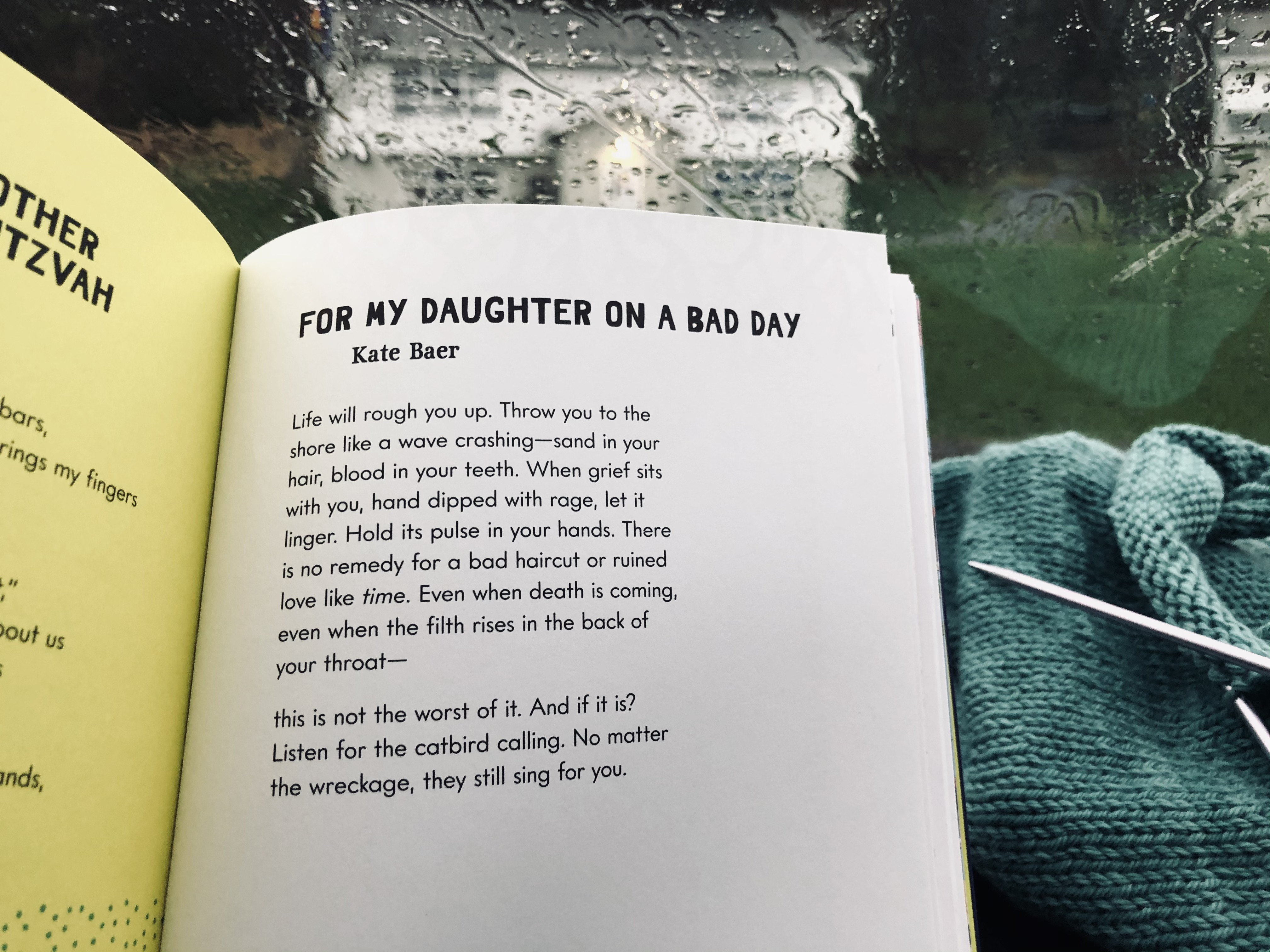
From Diana Whitney’s lovely new anthology, You Don’t Have to be Everything:

I

Wild Friends

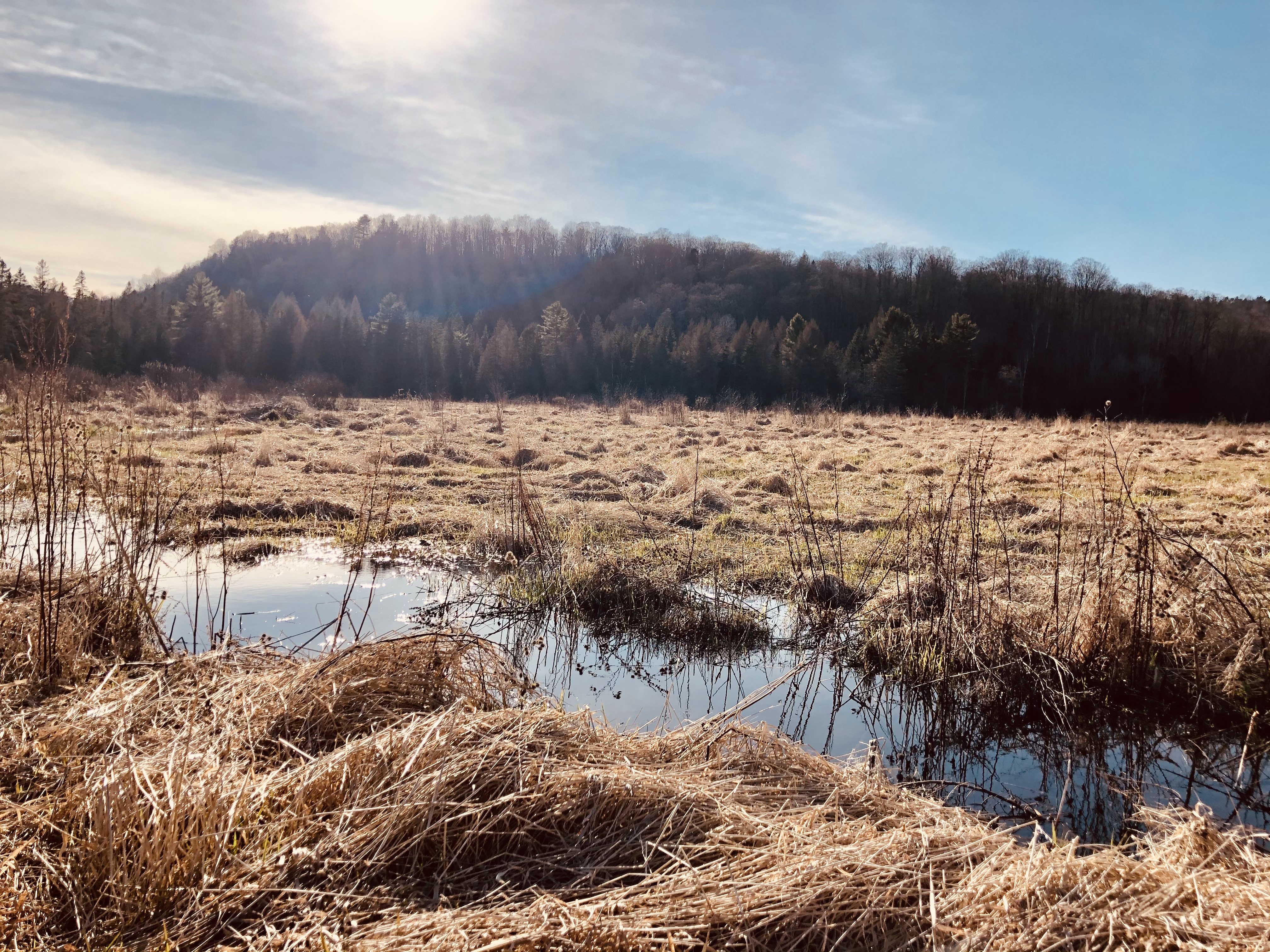
While waiting for my daughter to finish soccer practice, I wandered down the road and discovered three geese gliding through a wetland. I stood at the wetlands’ edge for the longest time, simply watching, as if by observing I can absorb some of their quiet certainty.

Everyday in Vermont, a few more strokes of green, a little more color.

“Empathy is more than putting yourself in someone else’s shoes; it’s using your power to fight for changes that don’t directly benefit you.”

— Tessa Miller, What Doesn’t Kill You: A Life With Chronic Illness — Lessons From a Body in Revolt

Vermont Spring Palette

I leave work in the middle of the day, to take my daughter from here to there. A downpour has suddenly stopped, and sunlight sparkles over the wet world. We drive with the windows and sunroof open, the breeze blowing in. Although both girls have had Covid, and I’m vaccinated, we’re wearing masks. When won’t we be wearing masks?

The girls talk about classes, and I tune out, listening to their voices. We pass clumps of golden daffodils. On my way back to work, I drive through fields of green so brilliant I blink.

All around me, the human world feels fraught these days with chaos, both self-inflicted and not. Meanwhile, the earth pushes alive with spring. In the evening, walking up a dirt road, I look back at my daughters beneath an enormous maple, its branches still bare. Behind us, the mountains hold a deep blue. The peepers chorus, and the red-wing blackbirds sing sweetly.

It may yet snow again this week. Meanwhile, spring.

We walk up the road and down through the cedar forest, where the path is black earth. We linger so long that we walk home in the dark.

“Walking . . . is how the body measures itself against the earth.” 

— Rebecca Solnit