Wild Gulls

In Vermont, November is a month of diminished color, the profusion of blooming gardens long since gone the way of frosty death. This afternoon, I stopped by the Hardwick reservoir, drained low. Seagulls crouched in the center, surrounded by shallow water skimmed over with green algae. The summer lake had sunk into a thick, foul-smelling muck, its bank strewn with a rusting car gas tank, broken bits of plastic, crumpled paper cups. The creatures had left their debris, too. My fingers reached down for an emptied snail shell about the size of a quarter.

A mist began falling, and the wind blew dried leaves. A flock of gulls, far down the reservoir, lifted into flight, a great white undulation of wings, rising and falling, carrying these birds across the sky, spread out between the water and sky like dozens of fluttering prayer flags. They landed and hunkered into small knobs on the muck.

I had stopped there hoping to see a heron with its immense wings and steady flight. Instead, these common birds – the trash pickers and pesky divers –  opened like an ornate fan in surprise and exquisite splendor, pristine white against the gray sky and trees, before folding shut again.

…Whoever you are, no matter how lonely,
the world offers itself to your imagination,
calls to you like the wild geese, harsh and exciting-
over and over announcing your place
In the family of things.

— Mary Oliver
FullSizeRender

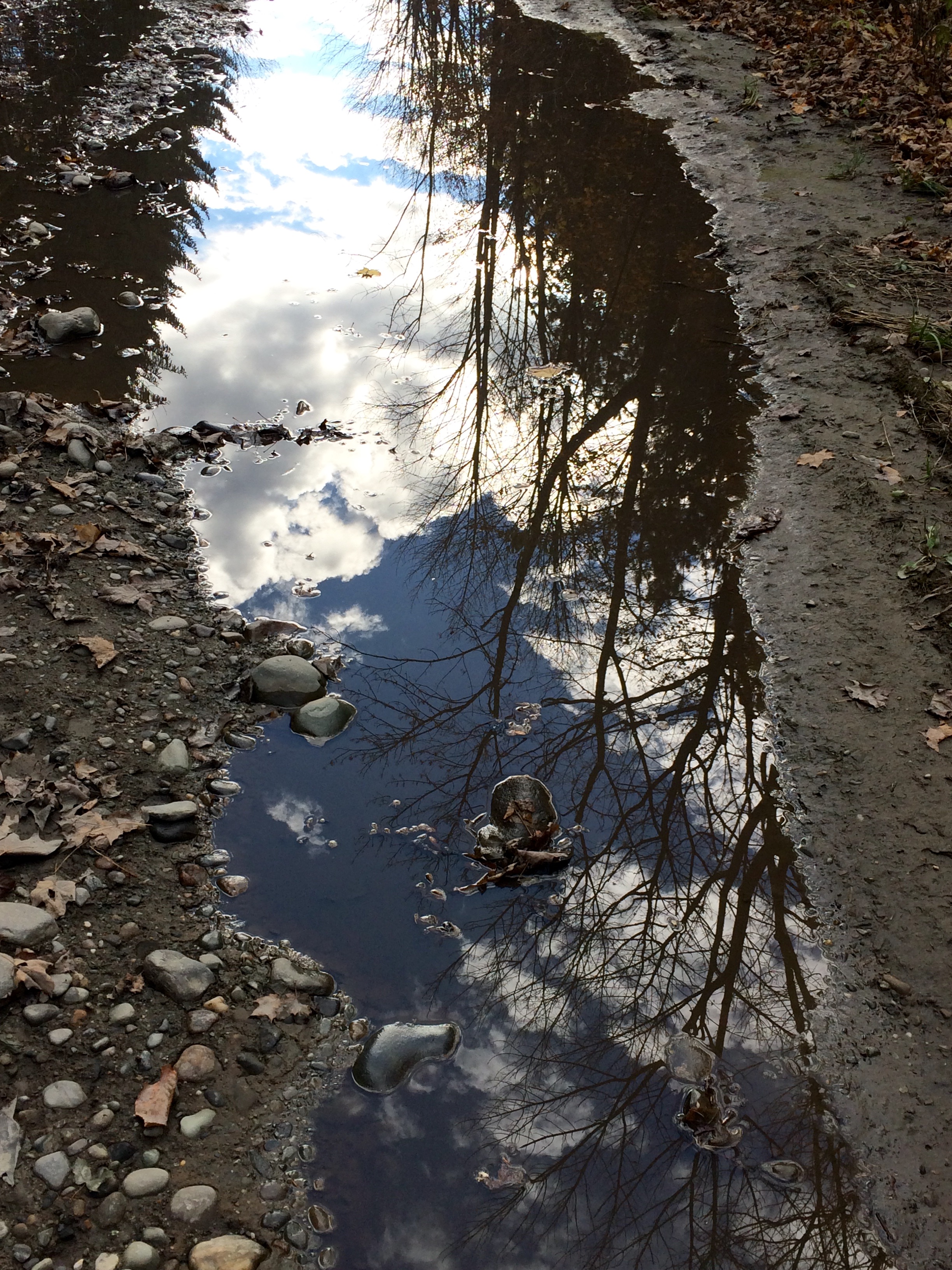
West Woodbury, Vermont/photo by Molly S
Sunflowers, My Daughters, Their Stories

I remember when I first heard the phrase “he’s one of the old ones” regarding a small child, as though some souls could harbor more depth, or a greater history, than others. Surely that’s mistaken, that our judgement is clouded by our own misperceptions.

With my own children this evening, I sat at the kitchen table while my older daughter ate a late dinner as she recounted her babysitting saga. She told us about teaching the little children to write their names. Laughing and talking about the various strands of our separate days, I marveled at how my girls look at their own unique worlds, laying all the manifold pieces of their lives – wonderful and mysterious and outrightly sad, too – in ways and patterns I hadn’t considered, not at all cliched but fresh and newly alive, as they create their own female stories.

The Sunflowers
by Mary Oliver

Come with me
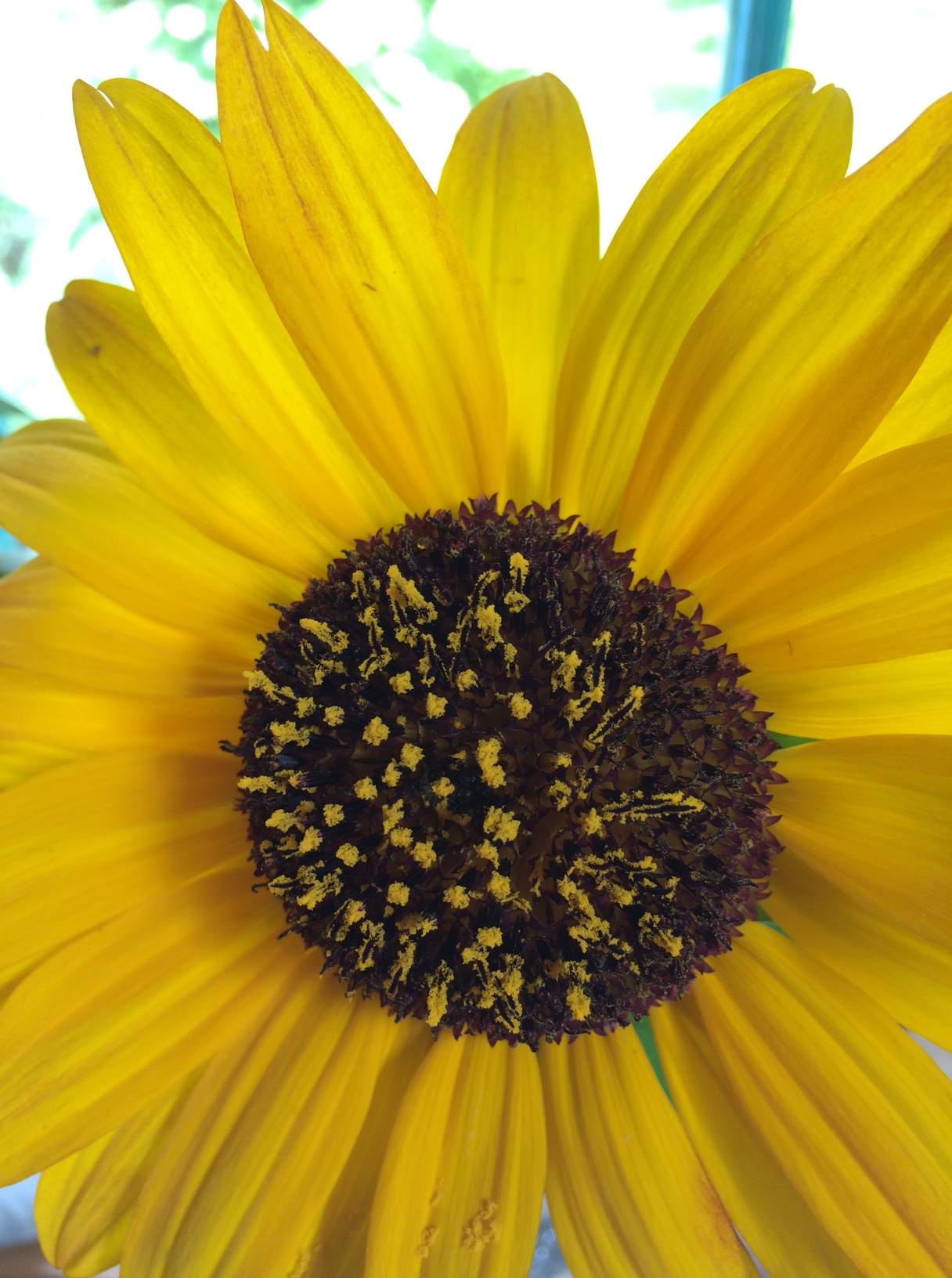
into the field of sunflowers….

each of them, though it stands
in a crowd of many,
like a separate universe,
is lonely, the long work
of turning their lives
into a celebration
is not easy. Come

and let us talk with those modest faces,
the simple garments of leaves,
the coarse roots in the earth
so uprightly burning.

IMG_2678

Photo by Molly S.

We are Our Own Stories

Part of this day I spent rewriting an essay on myth, beginning:

The first day of eleventh grade, my daughter returned in the afternoon, dropped her backpack on the floor and sprawled at the kitchen table, her upper lip curled in that dissatisfied way I recognize as disgust for the adult world. We’re doing myth this year in English class. Myth, she repeated, who needs that old junk?

Rewriting this essay made me realize, again, how fundamental is logos – story – to us. My ten-year-old daughter is busily creating the story of her child life these days:  lacing up new high tops, the adventure books she reads and swaps with her friends, an attack of flying insects the other afternoon, soccer practice and watermelon for snack and what, exactly, her big sister is doing. Her life is imbued with meaning, her Story of Being Ten writ real and lovely. The old junk is us; but it took me years to realize that the word made flesh wasn’t just a poetic line, that we are, in fact, our own stories.

Eat, drink, be happy.
Accept the miracle.
Accept, too, each spoken word
spoken with love.

–– Mary OliverIMG_8999

Oh, Mary Oliver…

How sweet can this job be? When I arrived at the Galaxy Bookshop today, my co-worker handed me an advance reading copy and said, This is the important thing for today. You need to read this.

Felicity by Mary Oliver.

My fellow bookseller said, Some of these poems she’s created just for me.

And then she promptly showed me a poem I knew was written solely for me. But maybe you, too?

NO, I’VE NEVER BEEN TO THIS COUNTRY

No I’d never been to this country
before. No, I didn’t know where the roads
would lead me. No, I didn’t intend to
turn back.

–– Mary Oliver

Photo by Molly S.

Photo by Molly S.

The Mighty Asparagus

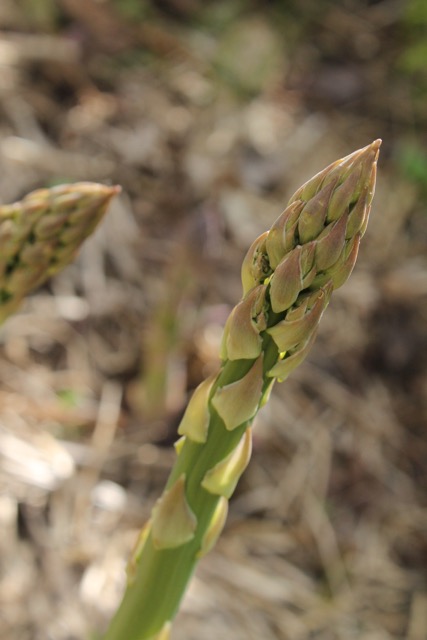
May is the season of asparagus in Vermont, the first of my garden to push up through the mulch straw, pointy green gems, the succulent stems.  The first of the garden’s offerings, and likely the most delicious.  Like everything else, the strength of the asparagus beds comes and goes.  A friend of mine remarked at a school board meeting the other night her asparagus beds were on the wane.  Mine, more recently sowed, are producing bountifully.

Our perfect handful of May days are now encroached by black flies, by either too much sun or cold rain:  but isn’t that the way of the world?  Mary Oliver in “Wild Geese” writes:

Meanwhile the world goes on.

Meanwhile the sun and the clear pebbles of the rain

are moving across the landscapes,

over the prairies and the deep trees,

the mountains and the rivers.

Writing is like my asparagus beds, rich under the surface, nourishing and sweet, and yet tensile with organic strength, able to thrust through my poor and clayey soil to the world above of sunlight and rain, and my fingers, eager for a dinner harvest.

Every year, I forget just how good asparagus is.  Aim for that in writing, I think:  better than I might imagine.  How easily we get caught in the details of our lives — important and dear to us — and yet, overhead, all that sun and those clear pebbles of sun, if only we would lift our eyes.

IMG_6001