Interlude.

Checking out at the co-op, an acquaintance says she has a question for me. I follow her outside, and we stand in the falling snow, she with her bags full and me with the tomato and yogurt my youngest requested.

Through the snow, the mural across the street glows its brilliant rainbow of colors. Across Vermont, murals have appeared in the past few years, not just in the usual suspect cities — Burlington and Brattleboro — but in places where art seems least expected: a parking lot, or the roadside field in Jeffersonville where cement silos are beautifully painted with an old man sowing seeds, a red clover blossom. Half a decade ago, driving with four young teenagers, I pulled over and we walked around and into the empty cement tubes. Springtime, we splashed through standing water in the hayfield.

Now, snow swirls around us, my favorite kind of drifting snow, magical and full of possibilities. We talk for maybe ten minutes, while I hold that tomato and a paper bag of granola, shivering, while people trudge through the snow around us, buying baguettes and greens and bottles of wine. We’ll find no answers in our brief conversation that picks up those knots of privilege and power, of pretense and betrayal. This far along in our lives, there’s nothing textbook here. The questions shape our lives, the little world where we live.

I suggest a sliver of a solution, a tiny change, a minuscule movement, a small slice of good. By then, I’m shivering fiercely. The night’s falling down, and my small household will be hungry.

The painter’s vision is not a lens,

it trembles to caress the light.

— Robert Lowell, “Epilogue”
Bobcat. Saw-Whet Owl.

I arrive a few minutes early to meet my friend for coffee and look for a window table to open my notebook. A writer I know just a little is eating a ham and cheese sandwich and asks me to sit down. He’s old enough to be my father if he began fatherhood at a young age, which I know he didn’t. He immediately tells me two things: he’s waiting for his back road to be sanded and he saw a bobcat in a tree behind his house that morning. He describes the cat’s reddish fur, and I ask detailed questions about the wild creature’s size and location and poise. My friend arrives and they keep talking about San Francisco, and then he tells us about studying with Joan Baez at The Institute for the Study of Nonviolence.

The bakery is at a busy intersection in Montpelier. Through the window, I see people in colored winter coats. Until the pandemic, I often brought my laptop to work at this bakery and the one across the street that closed a year or two ago. Two blocks up is the public library where I wrote long sections of my last book. None of these places I’ve returned to work. Like everyone else, my life has changed, my habits recreated.

The bakery is closing. The day moves along. My friend and I walk through Bear Pond Books. She buys me a novel, hugs me goodbye, and heads on her way. I walk the long way back to my car. That night, I dream about the saw-whet owl my daughter and I glimpsed in the woods behind our house. A toddler, she pointed at the hemlock branch where the tiny bird was nestled in the greenery, its eyes wide-open. We stood there for the longest time, wordless, our breath frosty clouds in the winter air.

“… nothing is a promise, but that beauty exists, and must be hunted for and found.”

— Joan Baez

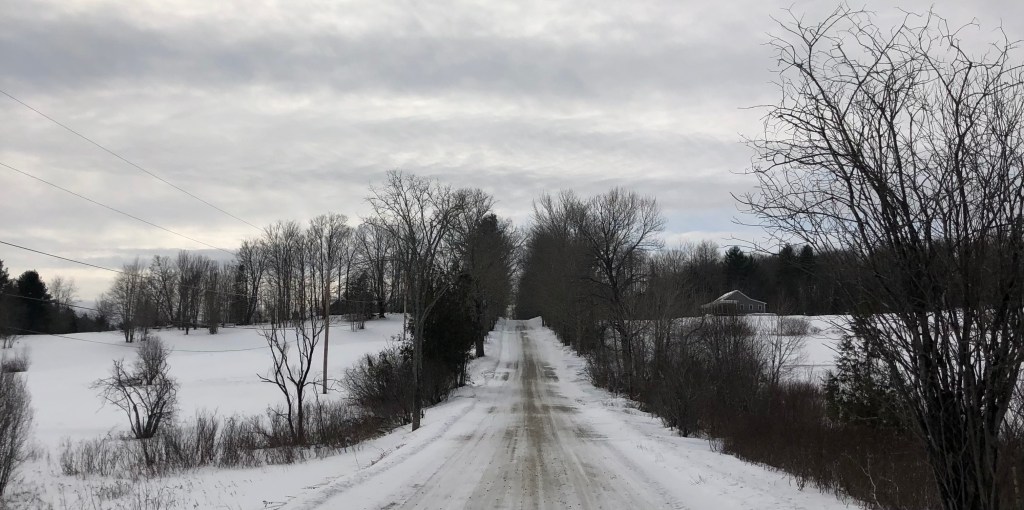
Somewhere in February. Dirt Road Land.

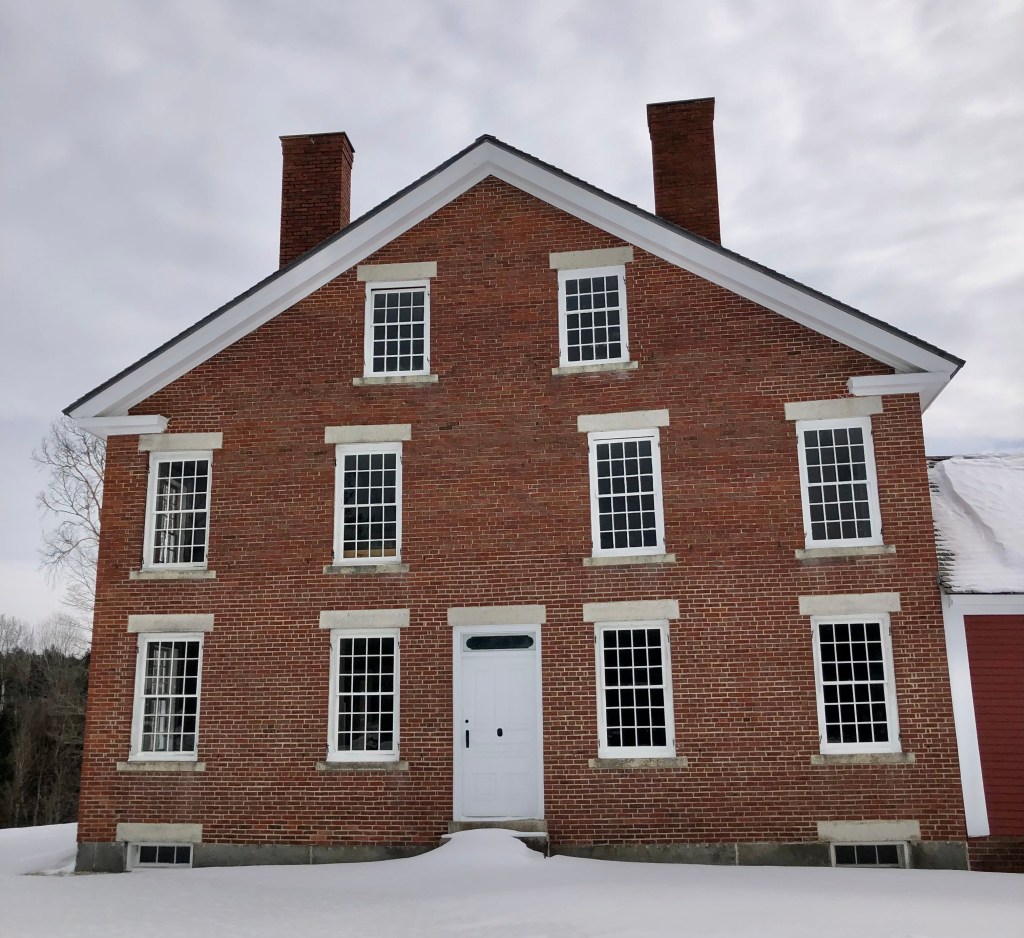
Kents Corners, Calais, Vermont

Every so often, a friend and I make plans to meet at a rural crossroads, at a brick inn that was once a stagecoach stop. I imagine in those days the crossroads was populated with chickens and horses, with people coming and going, not Priuses, but in wagons and on foot. My friend and I began this habit in the summer of 2020, and so the inn has been shuttered to the public all this time.

Walking, we pass a few other Sunday walkers bundled in coats and hats. But few people are out, and there’s scant traffic. In contrast, our conversation is packed — about raising kids and planning spring gardens, about relationships, about navigating the working world as a female in a patriarchy (why are these conversations still necessary, anyway??)

The thing about Vermont in midwinter is the stillness and what breaks that quiet. Icicles drip, freeze, and then thaw and drip again. Birds appear at our feeder in increasing numbers, then whisk away again. A rouge wind blows in a squall, soon chased away by the emerging sun.

Pandemic notwithstanding, robins return to our crabapple trees.

“Things are as they are. Looking out into the universe at night, we make no comparisons between right and wrong stars, nor between well and badly arranged constellations.” 

— Alan Watts

(And many thanks for Erika Nichols-Frazer for a review of Unstitched in the Valley Reporter.)

Mud. Snow. Ice. What Next?

I met a friend yesterday, and we took a walk we’ve journeyed in various seasons — in bright green spring, in the summer when we admired flower gardens along houses. Yesterday, we walked through frozen mud ruts and sprinkles of rain, the jumbled up season and time of where we are.

On this New Year’s Day, I’m passing along a VTDigger story written by Kevin O’Connor about a Vermont couple’s 4,000 World War II letters. A history lesson and a love story — isn’t that what we need right now?

Kent’s Corners, Calais, Vermont

Bringing Back the Wonderful

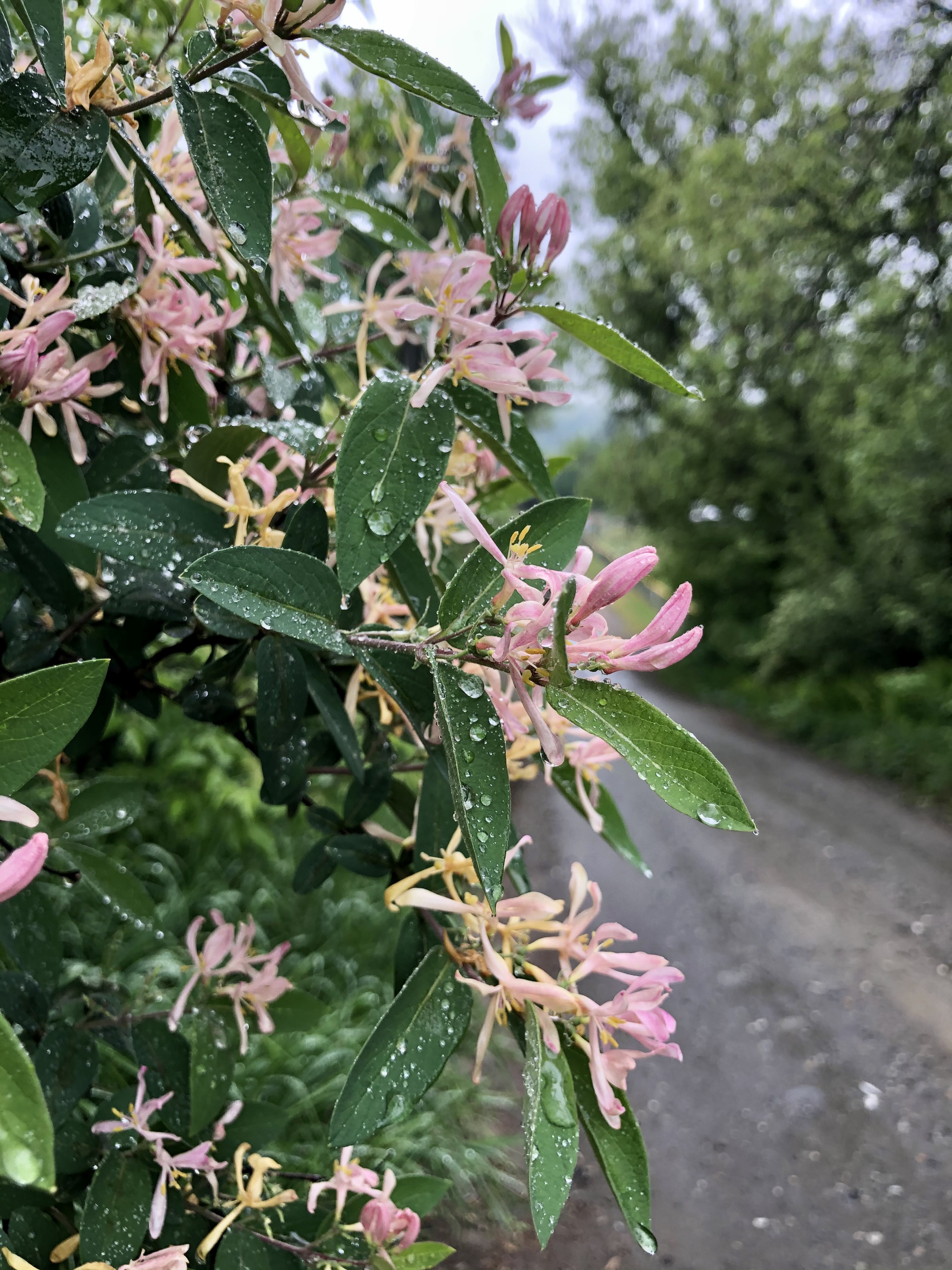
May ends in a welcome rain, and June begins with a watercolor-esque sunrise over our wall of fading lilac blossoms.

This is the weekend when our vaccinated friends stood in our kitchen, talking and talking, and then walked slowly around our downstairs, asking, “What’s happened here in the last sixteen months?”

I showed the window trim I had painted a pale blue, called Innocence.

This was also the weekend I drove my friend and her daughter. Over years, this friend and I have drove endless hours together, and the car I’ve owned for over a year she’d hadn’t even sat in.

The afternoon was rainy. I drove along a dirt road, and the maple trees gleamed a brilliant green. We had been at a ceremony that was both happy and terribly sad, and I was cold to the bone. I turned on the seat warmers.

Seat warmers! my friend said. That’s wonderful.

We started laughing, my friend still hunched against the partly open window, as if that mattered now.

Bring on the wonderful, please.

(Highly recommended reading below…. :))

It was the dandelion principle! To some people a dandelion might look like a weed, but to others that same plant can be so much more. To an herbalist, it’s a medicine—a way of detoxifying the liver, clearing the skin, and strengthening the eyes. To a painter, it’s a pigment; to a hippie, a crown; a child, a wish. To a butterfly, it’s sustenance; to a bee, a mating bed; to an ant, one point in a vast olfactory atlas.

— Lulu Miller, Why Fish Don’t Exist

August Day

Awake before dawn, I lie thinking of my friend’s 49th birthday today, remembering that October afternoon we swam in Lake Caspian with our five- and six-year-olds — swimming outdoors in Vermont in October! The leaves around the lake flamed gold and orange. That night, I realized I was pregnant with my second child.

Lying there, I remembered the March morning you didn’t appear for coffee, and I suddenly realized your stepfather had passed. That foggy day we drove for hours, searching for a house for my daughters and me when my marriage had shattered, and the fall we canned sticky quart after quart of peaches and tomatoes? The steady drop-off of eggs this pandemic that has fed my family for so many meals?

Someday — the world willing — we’ll look back at 2020 and, even then, cringe. And yet, your birthday for me has always marked the high holiness of Vermont summer — fatly rich with sunflowers and vegetables gardens escaping their fences. The dew is cold on my bare feet, but the day promises that heat you love so well.

Considering the ways in which so many of us waste our time, what would be wrong with a world in which everybody were writing poems?… By writing poetry, even those poems that fail and fail miserably, we honor and affirm life. We say ‘We loved the earth but could not stay.’

— Ted Kooser

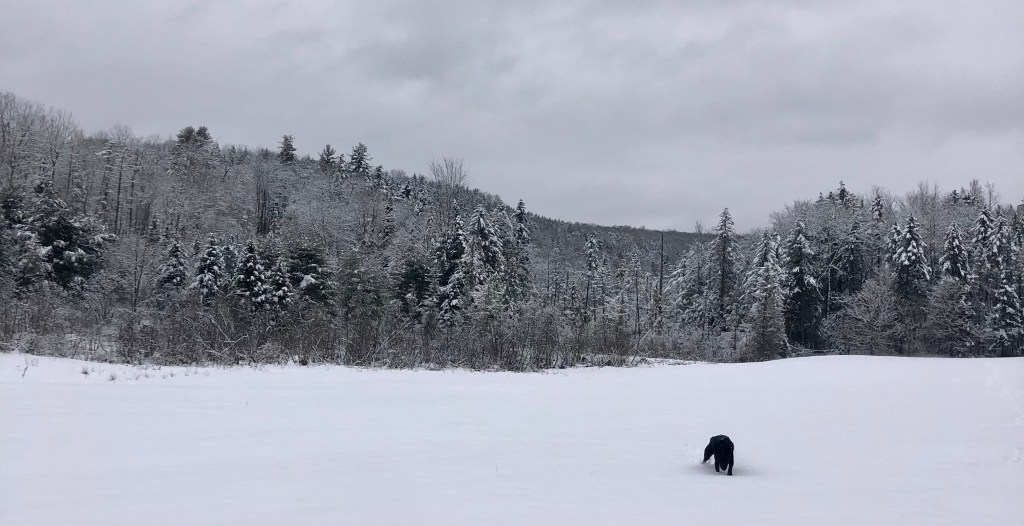
IMG_8060