Cloud, Lake, Crackers.

Ever enthusiastic, my oldest buys a blow-up paddle board, and we set off on a Saturday afternoon. Her sister wonders if the lake will be frozen yet. In 70 degree temps — a strange April spike — ice seems impossible, until it’s not.

While she paddles in the patch of open water, her sister and I sit on the dock that isn’t yet pulled into the lake, either. We’re in a marshy area where the peepers are mightily going at what they do best, and redwing blackbirds yodel their throaty calls. Two ducks cruise by, intent on something else that entirely eludes us, too, the male with his emerald head trailing the brown female.

We’re in t-shirts and shorts, spring giddy, eating crackers and some of that cheese the lovely Cabot Library gifted me for a talk. When I returned home that night, my youngest opened the box of cheese with joy. The chionodoxa blue flowers are blooming.

Joy, on.

A Whole Person.

Everyone has their own familiar paths and places. This empty stretch of interstate in the Netherlands between Vermont and New Hampshire my daughters and I have traveled countless times now, in all varieties of weather and moods. Now, so many years into this, one daughter is grown, the other on the cusp. My daughters look at my brother and me with a mixture of so many things — what, precisely, neither he nor I need to speculate. Laughing, he suggest to them that he and I equal a full person, our meager strengths and copious broken places complementary. I suggest, Maybe even a little more than one person….

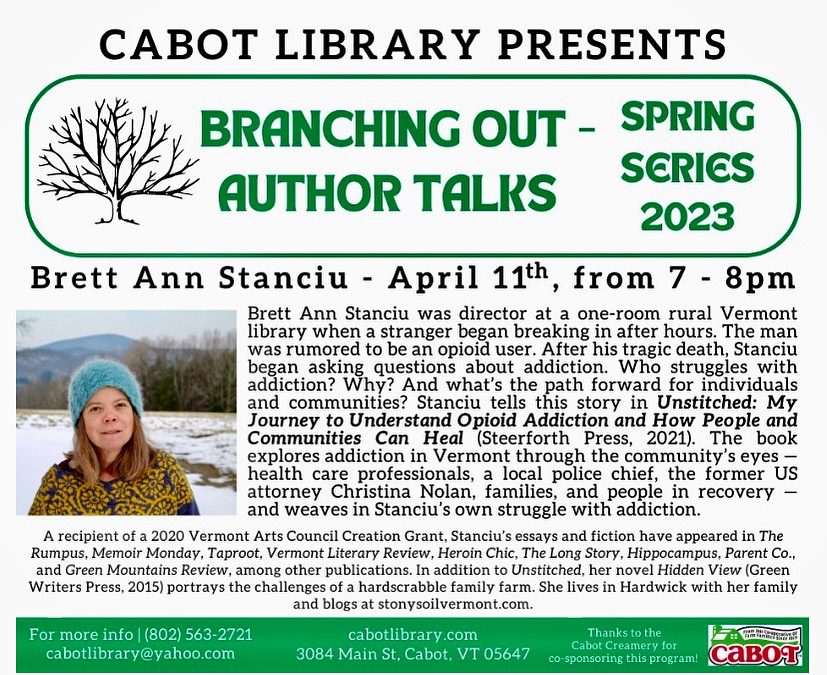
I’m grateful to be invited to read and speak at the Cabot Public Library Tuesday, April 11, 7 p.m. in a real-life deal. Come if you can.

And — definitely worth a read — Matthew Desmond’s Poverty, By America.

Poverty was a relationship, I thought, involving poor and rich people alike. To understand poverty, I needed to understand that relationship. This sent me searching for a process that bound poor and rich people together in mutual dependence and struggle. Eviction was such a process.

Stone House.

All night, wind howls around our house. I give up the charade of sleeping and pull out my library book. I’m in the final pages of Meredith Hall‘s memoir about growing up in New Hampshire, Without a Map, and I’m in no rush to end her story, close the cover, and return the book.

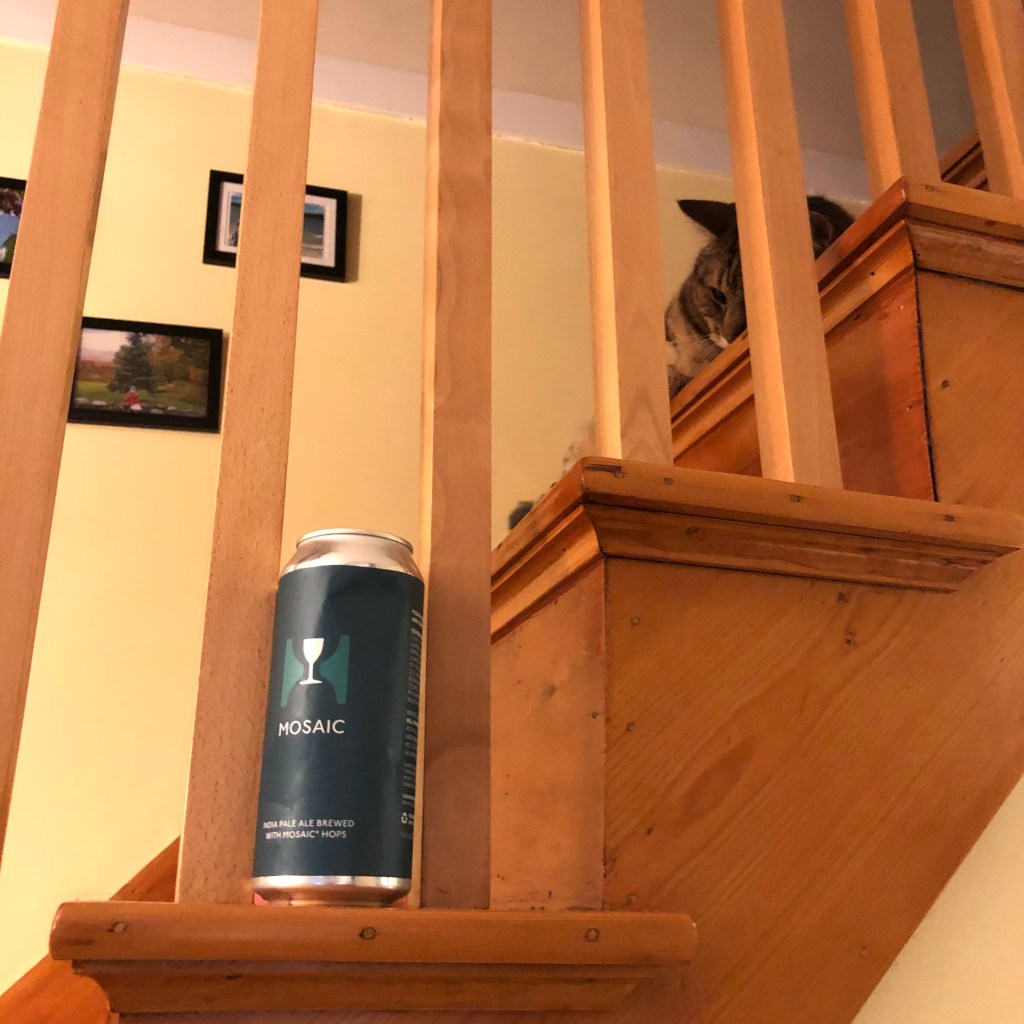
At my feet, my little cat lies awake, thinking cat thoughts, in a cat circadian rhythm of his own. The Ides of March howl in fiercely. All day, the wet snowstorm has swirled around us. My wet boots lie beneath the wood stove. Our house banked in by white and the ash bucket melting dirtily into the path where I’ve left to cool, its embers to burn out and die.

Somewhere in those hours before dawn, I shake flat the wood stove’s embers with the ash shovel and lay one, two, more pieces of wood on the flickering coals. In the dark house, the little cat follows me downstairs, curious about breakfast but not insistent.

I think of what I’ve read that day, about a stone house built nearby in the 1800s from a single boulder. A curious endeavor. Take this stone, cut it into pieces, and make a home. In the darkness, the wind rakes over our house, hurls over my snow-submerged garden plot, and whirls over the town cemetery.

“The past lies beneath the surface, intransigent truth. Remembered or not, what we say and do remains, always.” 

— Meredith Hall

Cars, Coffee, Conversation.

My daughter drives the interstate towards Burlington in the valley that folds along the Winooski River. I’ve driven this stretch of interstate countless times, in all kinds of weather, alone or with children in the backseat eating snacks and talking about something like various shades of blue.

We pass the town where, a few years back, I fiercely negotiated down the price of a Matrix. While my older daughter test drove the car, the owner and I stood on the sidewalk in front of his suburban split-level. He sold restaurant equipment and wasn’t in the least interested in sharing stories about that job. He couldn’t get the Matrix’s hood open, which made me ask how often he checked the oil. My question irritated him. That — and the cash I brought — tipped the price in our favor.

As it turned out, that Matrix never burned a drop of oil. My daughter drove the car for years. Well beyond 200k miles, we sold the car to a man who called himself Saffron Bob. Saffron Bob appeared in a snowstorm, also with cash.

My daughters found his story about growing saffron along Lake Champlain utterly believable. I did not, but I was wrong about that, too.

We stop for coffee. My daughter steps forward and pays. We keep driving and talking, another strand of our story.

Family Stories.

The cats eye the dog with disdain. The dog considers the cats a potential meal or simple annoyance; we don’t know. The dog sneaks into the kitchen and steals the bowl of chocolate covered stars which horrifies my daughters. In that tussle, the braver cat slinks behind the wood stove and regains his favored position.

My oldest has no heat in her apartment, worries about her houseplants, has heat and then again has no heat. She texts me before five in the morning, and then my brother and I lie awake and text each other through the bedroom wall. I write, looks rough in Buffalo. I make endless pots of coffee. My brother, the brewery owner, drinks beer. We play Concentration, Chinese Checkers, Wordle.

The bathroom needs painting, and we discuss paint options, how Steam might pair with Orange Juice like our father’s study. The remains could be used in our tiny dining room.

After he’s home, he sends me three photos. In one, my youngest as a tiny girl stands in a borrowed homemade dress with mud smeared to her elbows and daubed on her face. My oldest leans down from an apple tree, sunlight in the leaves over her head. My brother pedals a tricycle. I remember the summer day I took that photo of my youngest. We had stopped by a site where her father was building a house. So much mud, so much pleasure for this child. Years later, I saw that homeowner ice skating with his young daughter. How much I wanted to know if he still lived in that house. How well had it held up for him? Instead, we exchanged chit-chat about the ice, and I never learned his story.

In the dog’s absence, the cats retake their rug and wood stove territory, protagonists in their own cat-language drama.

Composite.

After the death of Ray McNeill, I scavenged a phone number for a woman who roomed in my freshman college dorm and phoned her. We hadn’t seen each other in years. She called me, years ago, after a mutual friend died unexpectedly from heart failure. Our conversation has no real point, no precise question I want answered. We agree we didn’t like each other, years ago, but can’t remember why. What was the contention and why did it matter so much?

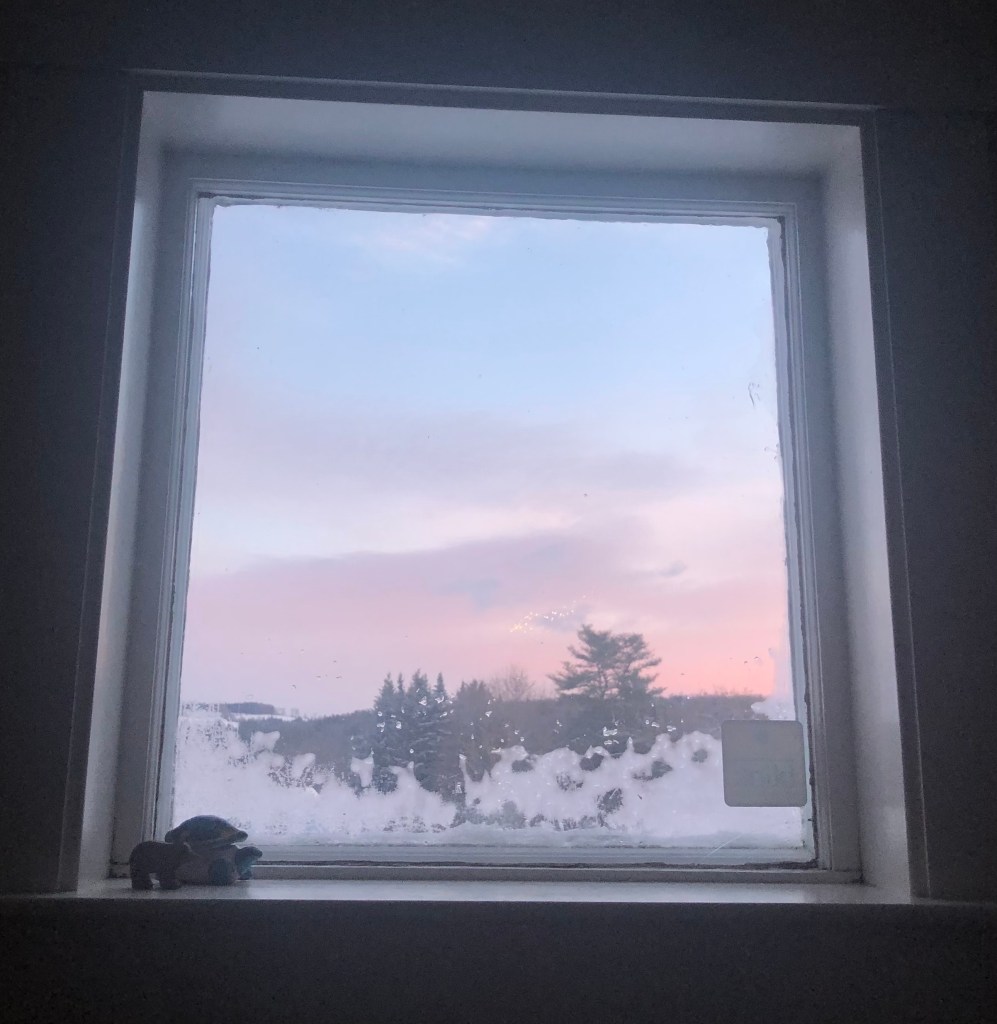
Four degrees this morning. I’ve experienced forty below zero, but, good lord, four degrees is not compatible with prolonged human exposure. I carry the stove ashes out and stand for a moment, a few snowflakes drifting down from the darkness, illuminated in my kitchen window’s electric light. Below me in the valley, the scattered lights of the village glow: power still on here. All night, wind threw handfuls of icy snow at our windows. I lay awake listening and reading, my cat curled on my bed, wary of my visiting brother’s dog.

My youngest and I, as the initial rain set in, discovered a rainbow over the village. A fortuitous sign? All depends on how you read that, which way luck will run.