Sacred Spot

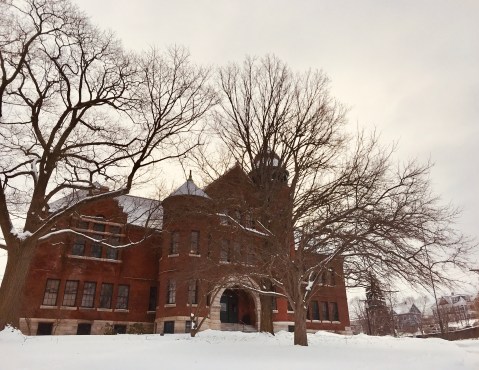
At library class yesterday, I’m in one of my places — like canoeing on Calais’s Number 10 Pond or Bandelier National Park in New Mexico — I’m (at least temporarily) where I’m supposed to be. Housed in the original Barre, Vermont, Spaulding High School, the building was constructed as schools once were — as places of community pride and beauty — with tin ceilings, ornate woodwork, and a view of the city below.

I love Vermont’s Department of Libraries because the staff is articulate and funny and clever — because they champion intellectual freedom in a time of increasing censorship and groupthink, because they’re adamant about the rights of children to have their own thoughts, and because they’re committed to librarians working together.

When they say We have your back, I trust that — and I’m not someone who easily trusts. No hard sell, no payment plan, no exchange of cash. Simply: this is the good mission we’re committed to, and we’re doing it.

Libraries were a solace in the Depression. They were warm and dry and useful and free; they provided a place for people to be together in a desolate time. You could feel prosperous at the library. There was so much there, such an abundance, when everything else felt scant and ravaged, and you could take any of it home for free. Or you could just sit at a reading table and take it all in.

— Susan Orlean, The Library Book

IMG_4469.jpg

Barre, Vermont

Home Work

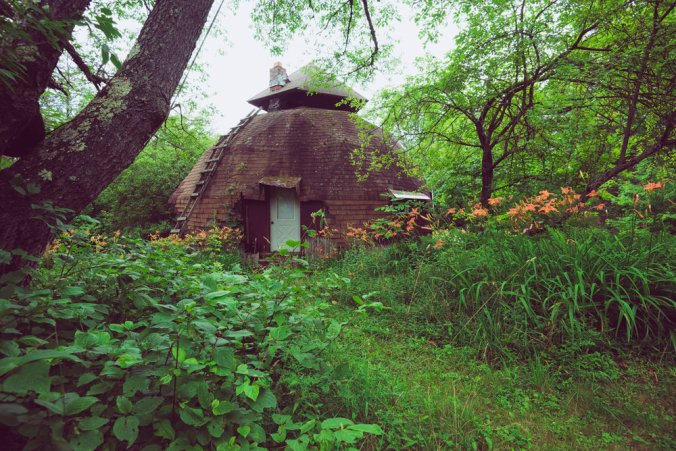
Frost sprinkled around us last night. I hear the local reports on Goddard College-supported WGDR this morning while the cats stretch on the sunny kitchen floor. Alan LePage in his Curse of the Golden Turnip radio show takes calls and shares his farmer’s intel on climate change.

Halfway through the weekend, our house lies in actual physical chaos: the upstairs floor I bungled painting and must repaint. Failure, I remind myself, clasps hands with creativity.

In Vermont, season’s change — from a luxuriously warm summer to chillier fall where the shadows hold no light — begs interior reflection, too. Where are we headed? Or, what’s the plan?

As part of a larger writing project, I’ve been interviewing a woman in recovery from opiate use. Again, what impresses on me is the constant motion of life, that while our past imprints on us, marking each of us indelibly, life goes on.

A misprinted floor — wrong paint — is so minor, a mere irritant. A surmountable challenge. Perhaps, a sheer piece of luck.

With writing, we have second chances.

Jonathan Safran Foer, Everything is Illuminated 

IMG_3291

Mid-Jan

Like a long-ago friend, the cold has settled in. Those summer nights sleeping with the windows wide open, listening to the peepers’ throaty hum, might as well be a memory from a long ago life.

With gusto, the girls ski, their appetites enormous, their cheeks red as cardinal feathers.

Halfway through January, we’re meshed in winter’s routine, with so much of the season ahead. In breaks of thaw, memories of spring will tease us again, reminding us of loosening earth, the rustle of rain on leaves. Robins singing their love songs.

It seems to me that the desire to make art produces an ongoing experience of longing, a restlessness sometimes, but not inevitably, played out romantically, or sexually. Always there seems something ahead, the next poem or story, visible, at least, apprehensible, but unreachable.

— Louise Glück

IMG_0920

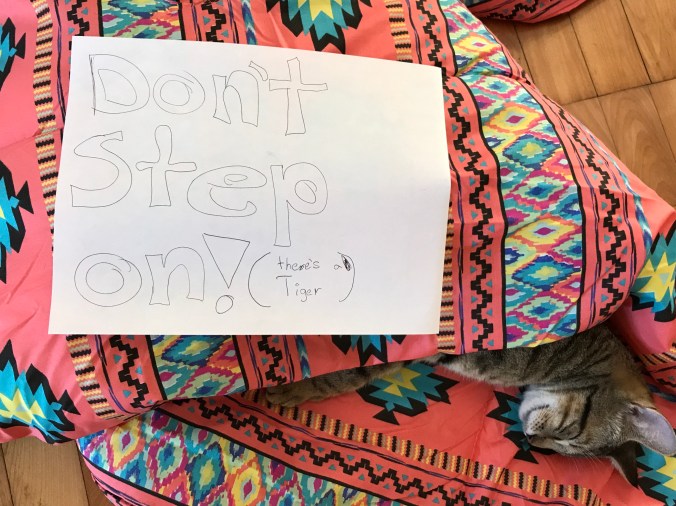
Kid note. Sunday afternoon.

Hardwick Postcard #3: Snowy Day, Slower Day

In the dark, I open my daughter’s curtain to see snow falling in the streetlamp between our house and the neighbors’, and I wake my daughter as I usually do, talking quietly and setting a purring cat beside her. The cat burrows under the covers.

In the steady snow last night, we visited the library and the librarian, where my daughter opened a box of tinsel and spread a glittery rope over a bookcase and the mantel. Outside, damp flakes fell on our cheeks.

Everything’s slowed down a little, with slush on boots.

In variations of emotion, the conversation repeats, Winter’s here.

For the great doesn’t happen through impulse alone, and is a succession of little things that are brought together.

– Vincent van Gogh

IMG_0562.JPG

Knitting Circle

Note this: a Vermont November day in the fifties. My girls toss text notes to me from Hardwick to my windowless desk in Burlington: Who did you loan the pie pans to? When will you be home?

The teenager and her friend are hatching a plan to pick up an old friend at the airport which requires, first, that ancient human activity: waiting.

The friend, nervous, taps her phone.

I take out the hat I’m knitting, and – like that – the girls ask for needles and yarn. My teenager, former Waldorf student, knits quickly, weaving in a second color. The kittens leap from one ball of yarn to another. Our needles, fingers, and voices work, in this other old activity: women at handwork.

Twilight comes to the little farm
At winter’s end. The snowbanks
High as the eaves, which melted
And became pitted during the day,
Are freezing again, and crunch
Under the dog’s foot. The mountains
From their place behind our shoulders
Lean close a moment, as if for a
Final inspection, but with kindness,
A benediction as the darkness
Falls….

From Hayden Carruth’s “Twilight Comes”

IMG_0370.jpg

No Fear

I’ve heard authors read work from mesmerizing poetry to an essay about a colonics session – but the Argentinian cartoonist I just met likely ranks at the very top. Incredibly famous outside the verdant realm of Vermont, the cartoonist sat on the floor with the kids and told stories and made the little ones laugh, and assured them they could all draw, too.

Even after the adults tried to close the hour, he kept on answering the kids’ questions, saying, This is an important question. This is good.

At the very end, a boy asked how he could become a cartoonist. The cartoonist said, Like this. Tell your parents you will need a book without these things – and here the cartoonist drew four parallel lines on a piece of paper – those are not helpful. You will need a black marker. And then you are on your way.

Great rule of thumb: when in doubt, get rid of the lines.

In my opinion, childhood is one of the most intriguing phases in life… For instance, when they (kids) draw, they do it with such freedom…! We adults can’t ever experience that level of freedom again, simply because we are scared of looking ridiculous or failing or making mistakes. When they draw, my kids have no fear. And that’s the hardest trick for an artist.

Liniers