Seeds and Sorrow

All day long, maple seed pods fluttered down in a spring breeze, a shower of twirling seeds.  Where I live in Vermont, the seasons release easy rain and fierce rain, snow in leafy flakes and snow hard as buckshot.  Last week, the dandelions burst, and all day long, all night long, seeds lifted with their miniature canopies of sail and soared free from their stalks, heading out on their journeys.  Now, maple seeds are thrown in veritable handfuls from the trees and cast into the breeze, floating in an emptied glass of lemonade, on the little daughter’s new sweater left on the porch, against the window glass, into our hair.

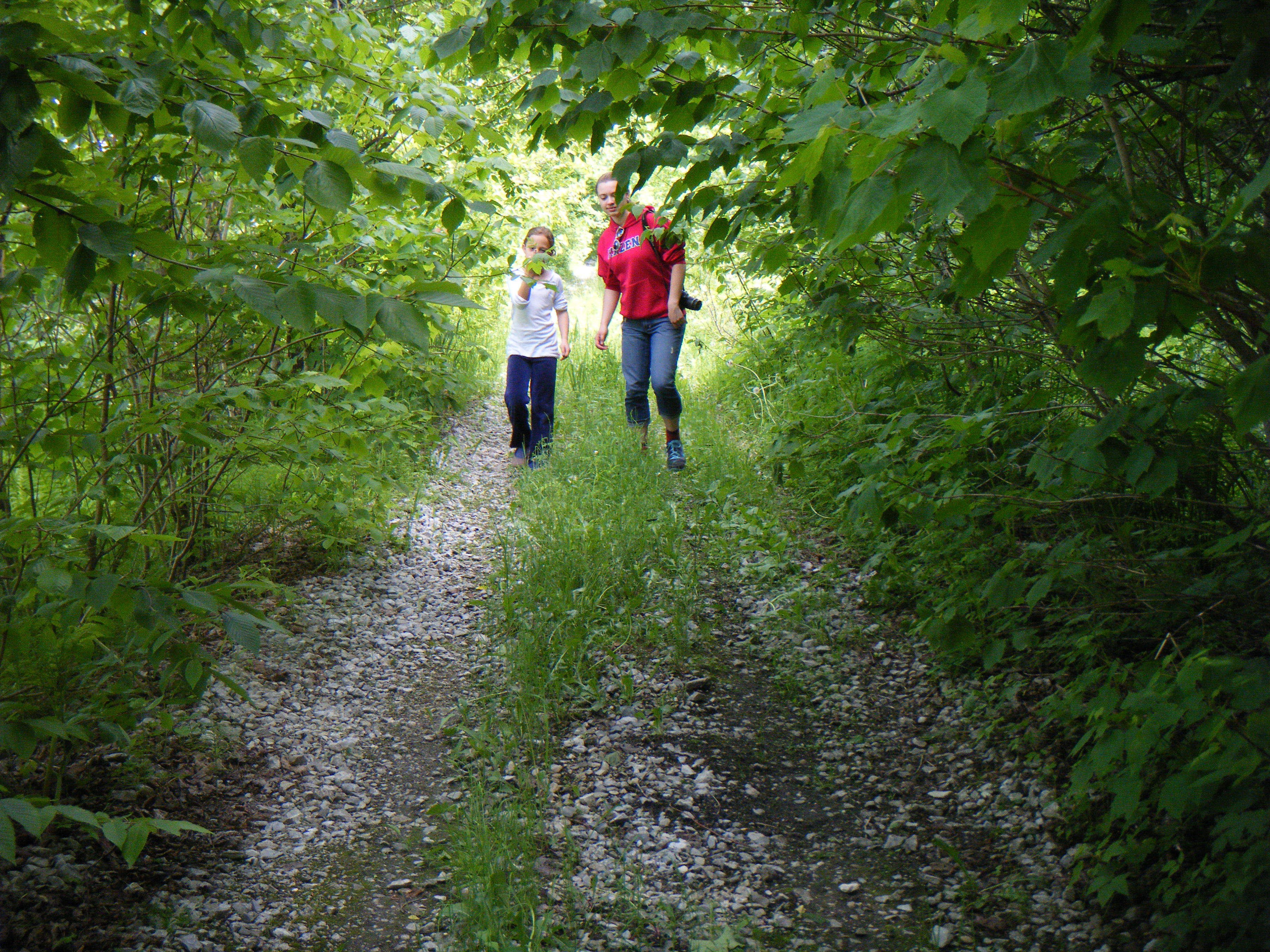
June 6th.  Season of renewal, of surging growth.  My daughters and I walked along an abandoned railroad bed this afternoon, bending beneath greenery tenting over the railbed.  Domestic cows, wild geese, a cardinal, the crickets already counting down the days of warmth.

June 6th.  When I was in high school, a French exchange student told me, My grandmother is from Normandy, and she will never forget D-Day.

All day long, those seeds swirled.  All night, while we sleep and dream, and tomorrow morning, too, when the girls wake and wash and eat their sleepy breakfast, while we walk down our driveway to meet the school bus, the girls already thinking of their school day ahead, me holding my coffee and saying, Have a good day, goodbye, goodbye, see you this afternoon, those seeds will still be shedding on our shoulders and hands and before our eyes.  Then, for this year, too, that will be done.

Birthday Cake

….This is the season of mud and trash, broken limbs and crushed briers
from the winter storms, wetness and rust,
the season of differences, inarticulable differences that signify
deeper and inarticulable and almost paleolithic
perplexities in our lives, and still
we love one another.

Hayden Carruth

DSCF9954

Ode to Wilbur’s Companion

Oh, pork.  While I spend a great deal of time in the world of words, I also spend an enormous amount of my hours in the world of food.  My daughters often ask, What’s for dinner? and, annoyingly no doubt, I frequently reply, How about great big bowls of nothing for dinner?  Think how easy that would be.  No prepping, no cooking, no cleaning.  No dishes.

My daughters, not surprisingly, hate this answer.

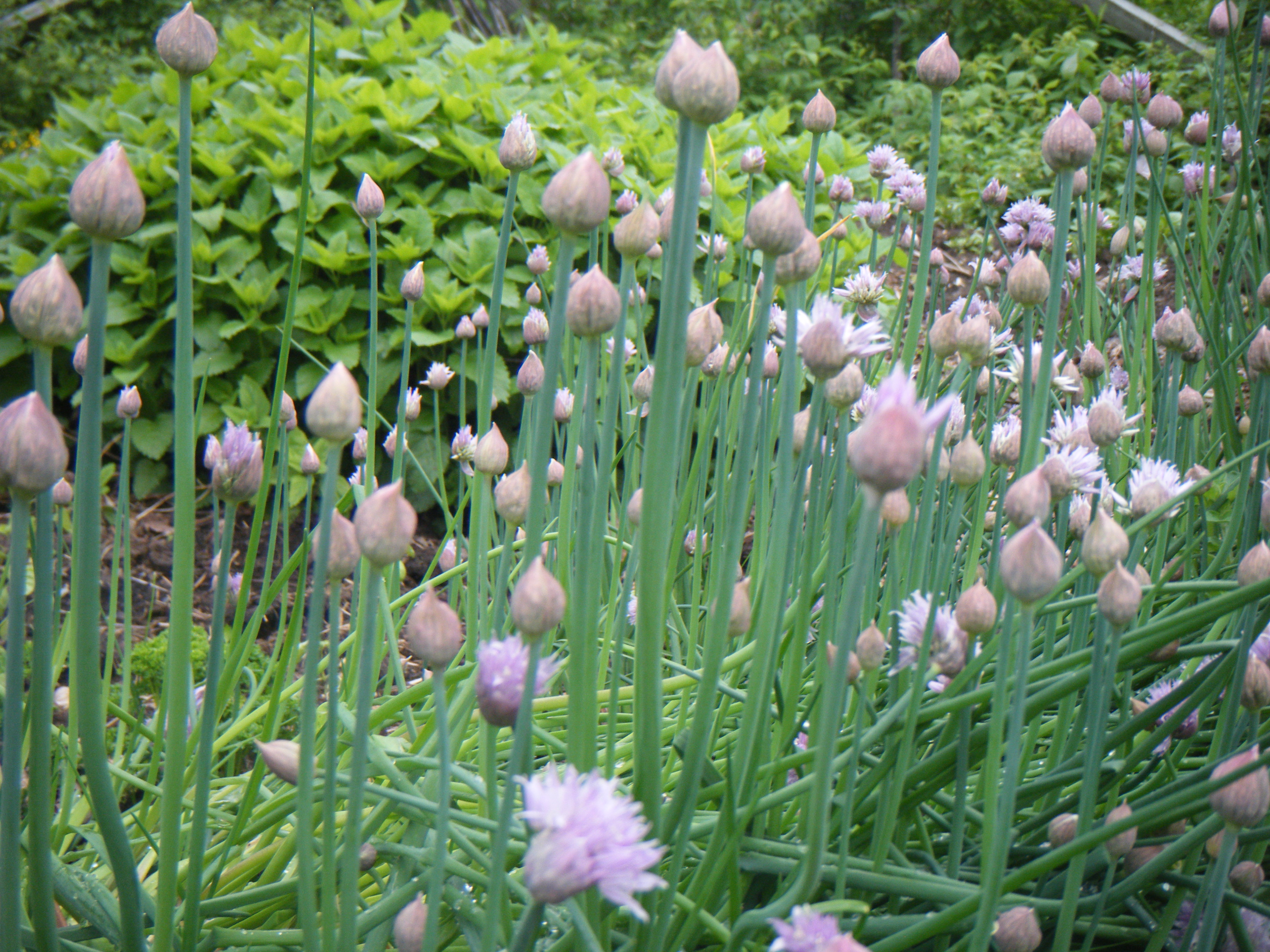
Today, I gardened (to my joy and maybe also the black flies’ rapture, but it’s also consumption-oriented).  I served hummus and crusty olive bread, and I ate the moldy cheese no one else wanted.  Watermelon and apples I diced into pieces for the younger daughter.  From the garden I gathered a plain salad of lettuce for lunch and the older daughter ate it with pickled jalapeños.  All through this day, my younger daughter moans,  I’m so darn hungry……

While I was working at my desk this afternoon, the younger daughter appeared and asked if we were eating Wilbur for dinner.  Not thinking – really not following this line of thought through at all, and definitely not listening to my Charlotte’s Web aficionado child – I said, Yes, resulting in the child turning her back on me and stalking outside.  The older daughter complained I was being insensitive.  I should certainly know the younger daughter loves that pig.  I lifted my eyes from my laptop and said, Tell your sister I think the pig is Helga, and Wilbur’s fine.

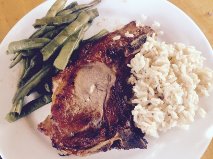
The pork chops were succulent and yet crisp, Jung’s two extremes meeting up on our forks.  Afterward, we tossed the bones in a pot and boiled them down for tomorrow’s soup.  I bartered syrup for this meat from an East Hardwick family, and tonight at dinner, I was glad once again to have the providence to live where food is raised and tended and, yes, butchered, because my girls are hungry……

EVERYTHING GOOD BETWEEN MEN AND WOMEN

has been written in mud and butter
and barbecue sauce…..

Bless it. We have so little time
to learn, so much…. The river
courses dirty and deep. Cover the lettuce.
Call it a night. O soul. Flow on. Instead.

C.D. Wright

GetAttachment.aspx

Hard Soil and Tender Shoots

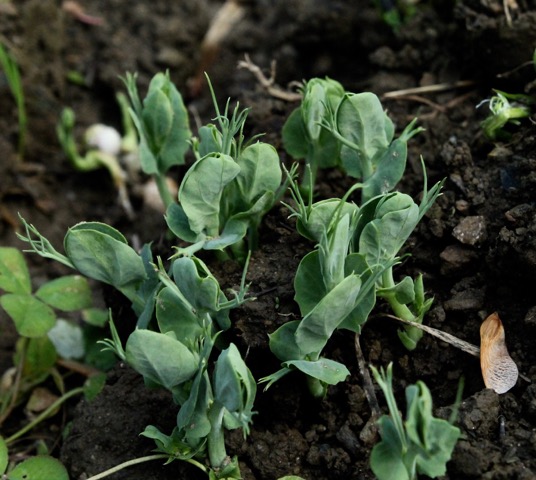
I’m no Jung scholar by any stretch of imagination, but I’ve been reading Hags and Heroes by Polly Young-Eisendrath (a real find of an author).  In the book, she uses attributes this to Jung:  In nature…. extremes are always touching…. the goal… of human development, in general, is wholeness.  In nature, in my garden, tender snow peas unwind through a rocky soil, their vines easily snapped, and yet, determined to live, they persist through this soil.

In order to live, these peas must, in fact, unfurl through their difference.  If I plucked this pea from the earth, the vine would wither in my hand.  The softness of this pea is inseparable from my soil, if the pea will survive.

Hence, the interconnectedness of all things; our survival depends not on distinguishing the discreteness of my property or my investments.  Our very meaning and well-being depend on the neighbor across the fence, the other students in a classroom, the dandelions beneath our feet, stratus clouds hanging low.

As an adolescent, reading myth and legend, I championed this view, the bumper sticker version of we’re all in the same boat.  However, it’s a whole other worldview to imagine not just our similarities (a child, a friend) are connected to us, but also what and who we consider most foreign and most extreme.  What we fear, and what we loathe, are woven into us, too.

IMG_6335

photo by Molly S.

The Dark

Early this morning, not long after dawn, robins swooped by my kitchen window, flying busily with their beakfuls of twisted straw, tangled weeds, a red streamer from my daughter’s birthday.  Bending over the sink, I peered up through the window where these robins are resuccitating the nest beneath the bedroom’s balcony.  What possessed these creatures to appear again?  The girls and I have been banging in and out of that back door for weeks, even moving a refrigerator with great effort and noise.

I’m certain these birds appeared just this morning; I would have noticed them earlier.  It pleases me to think of this robin couple scouting out this thrice-used, well-mudded nest, choosing it while I slept, dreaming or not, just a few feet away.  Will eggs be laid and hatched?  Will the fledglings live?  None of this has come to pass yet.  But the night has borne us this robin family.

In the same way, the seeds in my garden are using the soil’s cover and night to germinate and sprout.  Too often, we fear the dark, with our easy reliance on electric light.  A real joy to rural living is the starlit nights and the nocturnal animal world.  I often step out on the balcony with my younger daughter before she goes to bed.  Listen, we say, what’s happening now?  These late spring, early summer nights are such a pleasure. With the windows open, the nightsounds flow through the screens.  Last night, a moth found its way through a broken screen and lay on my wrist while I read, so delicate it was hardly a presence, and yet its beige wings slowly folded and unfolded, before it rose and took flight.

The short night;
the peony opened
during that time.

–  Buson

IMG_5851

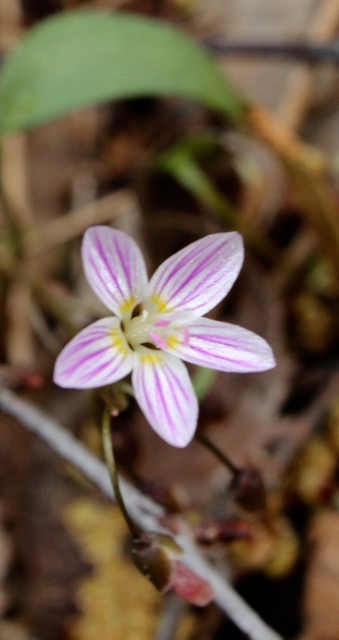
photo of spring beauty by Molly S.


A Single Branch, Two Blossoms

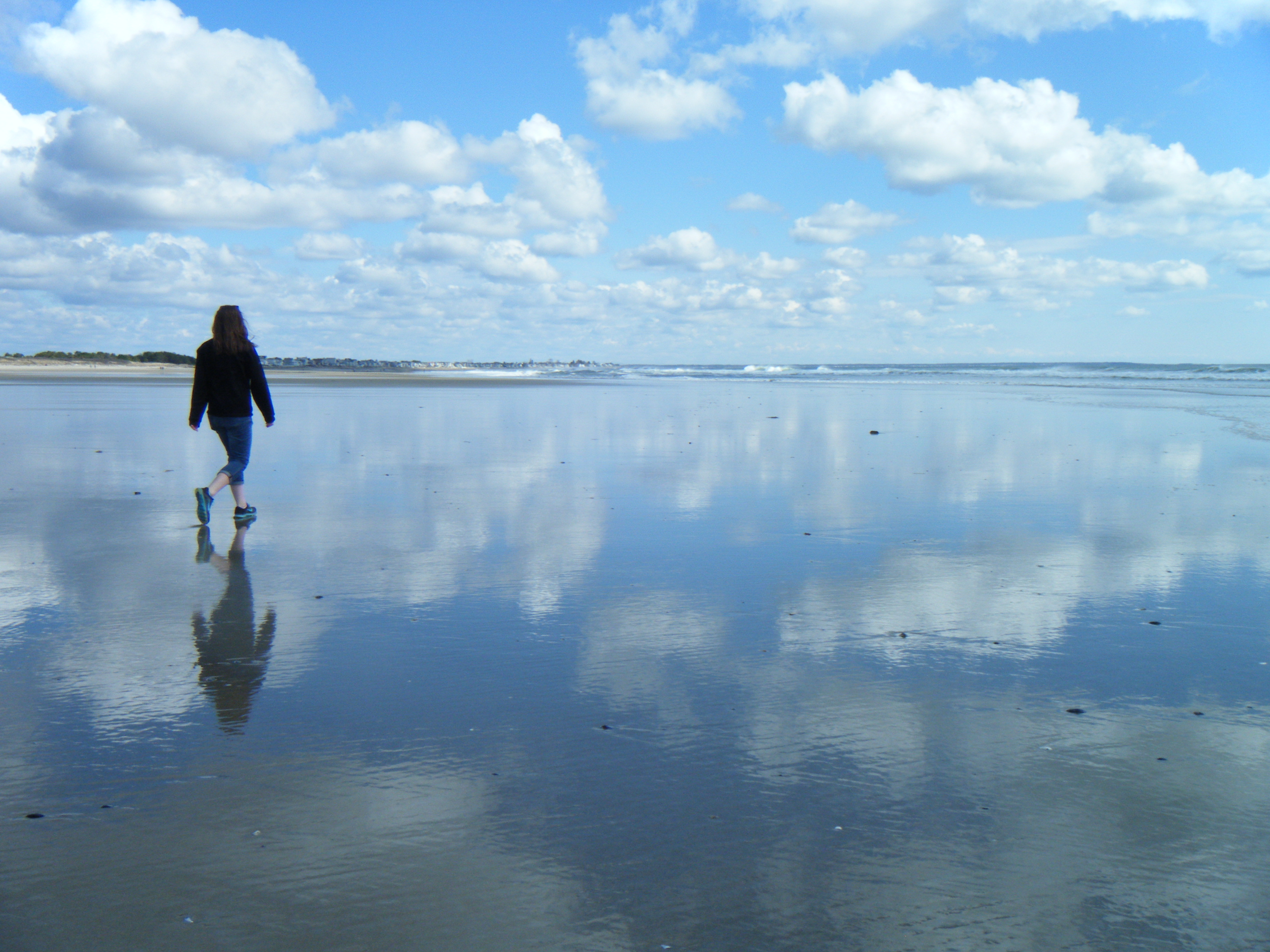
All day, I was working in Burlington, and when I stepped out, I saw the lake just down the hill, a blue glassine surface on the other side of the rail yard.  Late getting home as I was, I ran across the parking lot and crossed several rail lines to stand there for a moment and admire the water and a seagull pinwheeling over my head, and all that gorgeous sun on my face.

Lake Champlain, sacred waters of the Abenaki, polluted now, subject of wrangling in the legislature and funding arguments, fingers pointing every which way.  Yet the lake, her waters dirtied by us, laps on with her work, no doubt wiser than all of us.

Driving away from Burlington, leaving the choked lines of idling traffic for the lesser travelled highway heading toward Hardwick, I thought of that lake and that seagull and all the tangled power lines I stood beneath and the pavement, stretching on and on…..

When I was about my older daughter’s age, I first read Viktor Frankl’s Man’s Search for Meaning, a book about his horrific experiences in the Nazi death camps.  One of the most stunning scenes is of a young woman about to die, who sees through a window just a single branch of a chestnut tree and two blossoms.  She tells Frankl the tree is her only companion, but she is quite cheerful and resigned to dying.  The tree says to her, “I am here — I am here  — I am life, eternal life.”

Often I’ve thought of this young, nameless woman, whose fate in her earthly life was cursed.  Today, surrounded by Vermont’s summer plenty, I thought of her again, and her portion of a single branch, the two blossoms, a savage death upon her.  In times of my own meager despair, I’ve returned to her, holding the woman’s words like a talisman, a shining beacon, her bravery resplendent in the ugliest possible world.

DSCF9932

Both Tool and Weapon

We must be gleaners from what life has set before us.

— Elizabeth Alexander, The Light of the World

From the garden, I gleaned a basket of spinach, cooked it with garlic and tamari, and ate it with my older daughter.

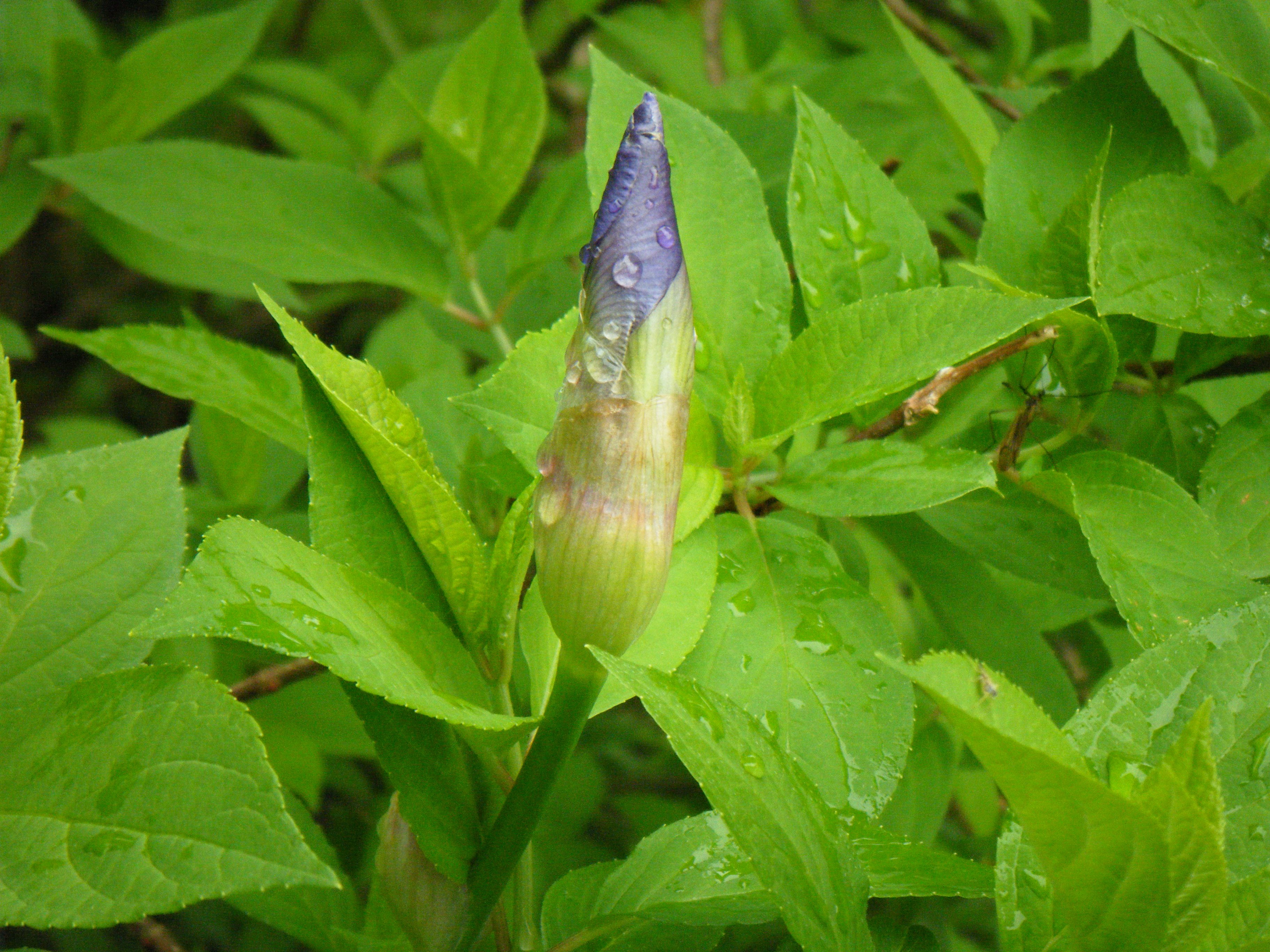
Gleaned:  the irises are blooming.  The asparagus beds I planted two years ago I let go wild, and the plants are taller than me, a veritable forest in three rows.  I found a sliver of white quartz, rain-washed, in the bed of sugar peas.  Ragged robin is smeared through the fields along the highways.  Nubs of apple, no larger than marbles, grow on the apple tree before the kitchen.

This morning, I woke thinking of an NPR story I heard a few years ago, told by a man who taught in a prison.  One of his students, a close-mouthed fellow, once blurted an ax can be “both tool and weapon.”   One of the other prisoners inquired, Is that why you’re in here?  Because of an ax?

Both tool and weapon, tool and weapon.  Quartz can be tool and weapon.  My neighbors’ garden is rife with lily of the valley, a killer poison.  Writing can be tool and weapon.  And ourselves, our own fertile inner lives?  Both tool and weapon, tool and weapon.

What stroke of luck —
hawk spied above
Irago promontory.

          — Basho
DSCF9933