Way Past the Ides of March

I read The Long Winter to my six-year-old when I was pregnant with my second daughter, lying down at 4 in the afternoon, too tired for anything else but reading. She was entranced — although not enamored. Twist hay into fuel? Grim.

Like so many kids, I loved those books, with the childhood stories of vanity cakes and rag dolls, the excitement of Christmas ponies and a family who lived in a dugout. I’m reading Caroline Fraser’s Prairie Fires — the adult story around the Wilder family revealed as loss, loss, loss…. How glad I am for our warm house, the morning sunlight in our kitchen with the cats sleeping at my feet. We’re on the far side of winter today.

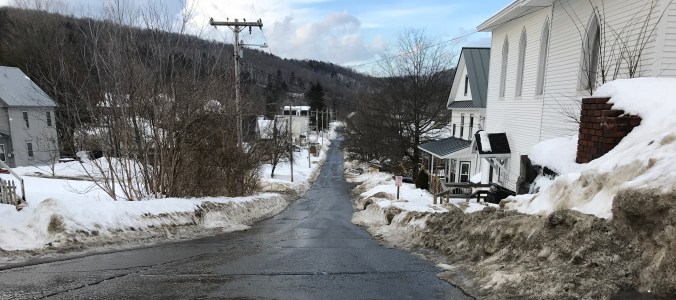
15 degrees today, with brilliant sunlight: I flung open the doors and windows, whooshing out the winter air in our house, throwing blankets over the porch railings and leaning over the snowbanks, listening to robins.

Here’s illustrator Garth Williams:

(Laura Ingalls Wilder) was never overcome by drabness or squalor. She never glamorized anything; yet she saw the loveliness in everything.

Prairie Fires, by Caroline Fraser

IMG_1131.jpg


Robert Pirsig

Robert Pirsig, dead at 88, I hear this morning, driving along a rutted back road.

I pilfered Zen and the Art of Motorcycle Maintenance from my dad’s bookshelf when I was a teenager, intrigued by its title, lured by the lush fatness of reading material. Not that many years later, my dad showed me an article (in the Times Book Review section, maybe?) Pirsig had written about his son’s murder.

What I’ll always remember about that book is the high school teacher who told me the book saved his life. What higher complement to give a writer? And yet every time I think of Pirsig, I think of that essay, too…..

Sometimes I like to think about truth in the image of an old and wrathful Buddhist master who grabs us, shakes us, and shouts, ‘Drop it now!’ Truth can be wrathful.

– Anam Thubten, No Self, No Problem: Awakening to Our True Nature

FullSizeRender


And Grace….

When I attended Sunday School briefly as a child, I remember reading about the Resurrection in a paper booklet and studying an illustration of Christ standing in a white robe beside a boulder, his clean hands outstretched to a gape-mouthed Mary, his hair neatly brushed. What the heck was that about?

The presentation was like reading Macbeth on Disney character flash cards. How would this be possible? Why would it even be desirable?

Hallmark’s proliferation of bunnies and tulips to the contrary, this holiday is a mystery, bloody and ethereal within a span of days, a profoundly condensed version of human life.

More than anything else what I resent about that sanitized illustration is the belying that the crucifixion is also the story of nearly unbelievable persistence, of a man who endured physical torture, an extreme crisis of faith, and phenomenal resilience against the human tendency to flee when the going gets tough. Over and over, I’ve met that Joseph Campbell line “you must be wiling to give up the life you’ve planned in order to have the life that is waiting for you.” On this Easter morning, I’m reminded again that the price of grace is fiercely earned, and, yet, eternally possible.

…modern people have seen too many chemicals and are ready to go back to eating dirt.

– Mark Kurlansky, Salt: A World History

FullSizeRender

library book reading…

Oh, Joy!

Coltsfoot sighting today: a whole wide hillside of the gorgeous tiny blossoms. This Good Friday emanates the radiance of these persistent blossoms. In Montpelier, everyone is smiling. I buy too much Easter candy, chatting with the proprietor at Delish about taxes.

On the street, I see young mothers everywhere, babes cradled in arms, or kicking their tiny heels in strollers. A young man intently mows the State House lawn. I stand on the wide porch of The Pavilion, a warm wind tugging hair into my mouth, as I plot changes in my life.

An old woman walks down the street with two shirtless teenage boys. All three lick ice cream cones.

Collective good will. Collective promise of spring in all her tender green beauty.

The old man
cutting barley–
bent like a sickle.

– Yosa Buson

FullSizeRender.jpg

Little Bits

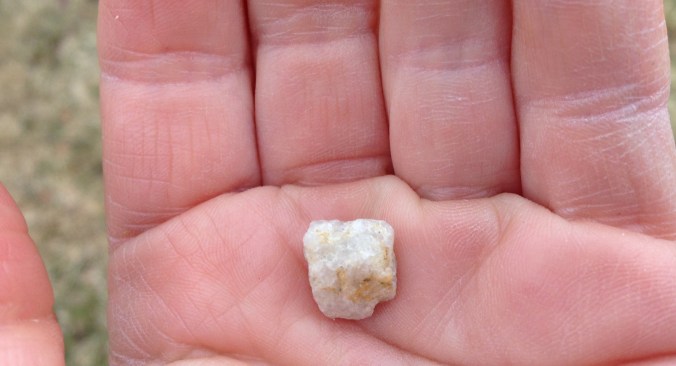
A child gave me a tiny quartz pebble.

Thinking the pebble must have caused some injury to the child’s bare foot, I asked why I had been given the small thing.

The child said one sentence: I found it, and apparently believed that was enough, as she walked away.

I’ve put the pebble on my library desk, along with pipe cleaner creations, a crocheted pumpkin, broken pens – springs, bodies, screw-on caps – the children intend to repair.

Our upstate April
is cold and gray.
Nevertheless

yesterday I found
up in our old
woods on the littered

ground dogtooth violets
standing around
and blooming

wisely….

Hayden Carruth, from “Springtime, 1998”

FullSizeRender

Frivolity

My friend of mine mentioned his young baby had begun crying more. Hey, I casually mentioned, babies change. 

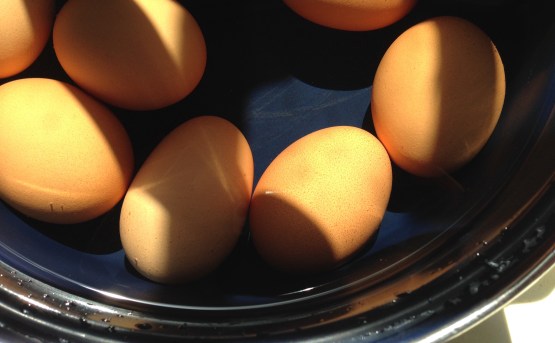
Isn’t Robert Frost’s line the one real piece of family advice – Life goes on – both through sorrow but also embracing sheer curiosity and joy? For a few years, we held Easter egg hunts at our house, usually pulled together at the last moment, in the sleep-deprived somewhere of sugaring season. This year, the younger daughter decided to flip the hunt around and have the grownups search for treasure, instead.

The kids are taking mastery of the terrain.

Spring fever imbues all of us. Children after school at my library yesterday were giddy and light-hearted. Round, mellifluous Lady Moon rose over the peaked roof of our house last night, shining over the diminishing snowbanks and running streams, the leaf-covered garden beds pushing up through the tenacious crust of what snow remains. The girls and I stood on the balcony in the balmy night breeze. Peepers are not long off.

Plenty of damp and drear will fill April Vermont days; it always does. But the mystery and miracle of spring has arrived. Our landscape changes.

How long does it take to see something, to know someone? If you put in years, you realize how little you grasped at the start, even when you thought you knew. We move through life mostly not seeing what is around us, not knowing who is around us, not understanding the forces at play, not understanding ourselves.

Rebeca Solnit, The Mother of All Questions FullSizeRender