Winter Things.

On the cow shed

A hard winter rain;

Cock crowing.”

— Buson

My daughter “relocates” a plastic pink flamingo. The prank is insanely refreshing to me. I’m on a long string of evening meetings, negotiating the adult world in all its complexities, and I surface now and then, checking back into the kid realm. She makes hot chocolate, complains about a lengthy reading assignment.

Early winter: ice over the compost bin. A red cardinal noshing at the feeder. The hard whack of an ax through firewood.

Here’s a link to my commentary in VTDigger.
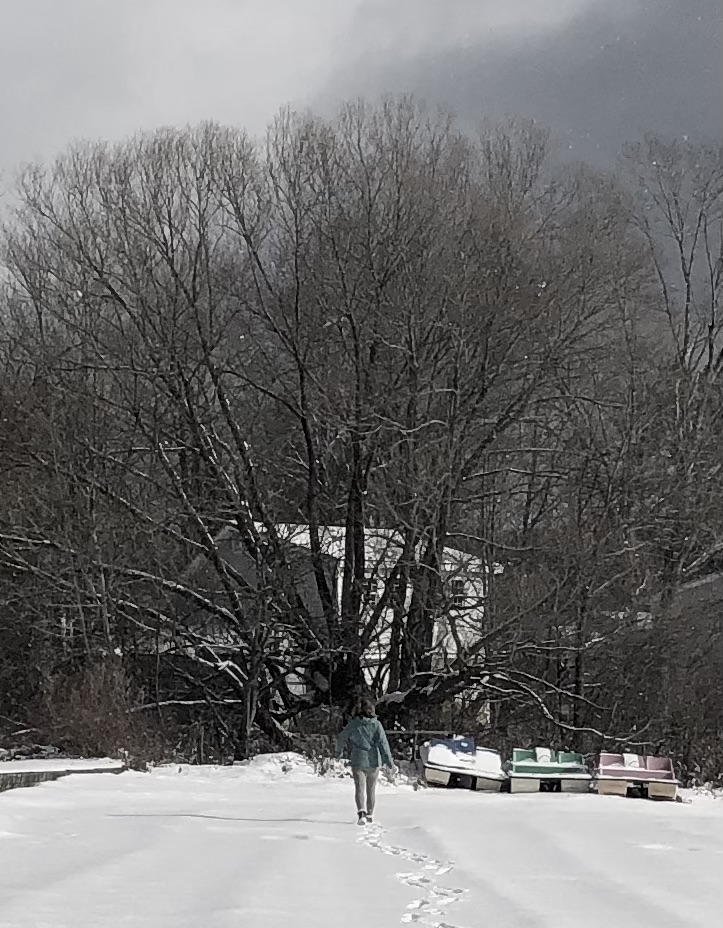
Elmore, Vermont

Scant Speaking.

The afternoon takes me around two lakes in a kind of work I relish. One visit involves a visit with a contractor at a house he’s building. We muse how water seeks its own wise course. As I drive away, I keep thinking about the immense boulders a king-sized excavator unearthed from that mucky soil. The boulders are some of the most righteous beings I’ve met in weeks.

On my way home, I stop at the high school and take a brisk walk through the woods before an evening meeting. I see someone I know, and we talk about projects at the high school, what money is coming in, and what’s still needed. These days, I often find myself in terse conversations with acquaintances, as though we’re all gnawing a cigarette between our teeth, our backs against a proverbial wall, eyeing the horizon.

Then I’m on my way, and he to his.

Fox in the Night.

My daughter brings home a booster shot and sticks my arm. That night, I wake with dreams of email and work, of words that move through my mind, and then all of that passes. The cats and I lie before the wood stove, watching the flicking red embers through the glass. After each of my children’s births, I felt as though I had reached through a channel and touched the other world, that realm where I originated and where someday again I’ll return. A friend’s brother passes from Covid. She tells me, God must have a plan, but I don’t know what it is. For a moment, I think wicked thoughts about Catholicism, but that passes, too. Who am I to judge her faith, what will carry her and her family through hard days? In these December days of scant light and long nights, my daughter comes into my room and opens my window, waking me. A fox screams. We kneel at the window, gazing at the snow on the giant mock orange beside our house. The fox shrieks again. We listen, hard. In my mind, I begin imaging a message here — the two of us, the cold air, the moonless night, wild creature. Then I quit and simply listen.

Wild. Domestic.

My daughter’s out of school early today and headed out to ski. I caution her, Watch the roads, be careful of ice, mindful of blowing snow, and look out for creeps. She hurries out; she has stuff to do.

Meanwhile, my head’s full of all kinds of things, work meetings and a piece I’m writing and am I going to change that busted headlight bulb.

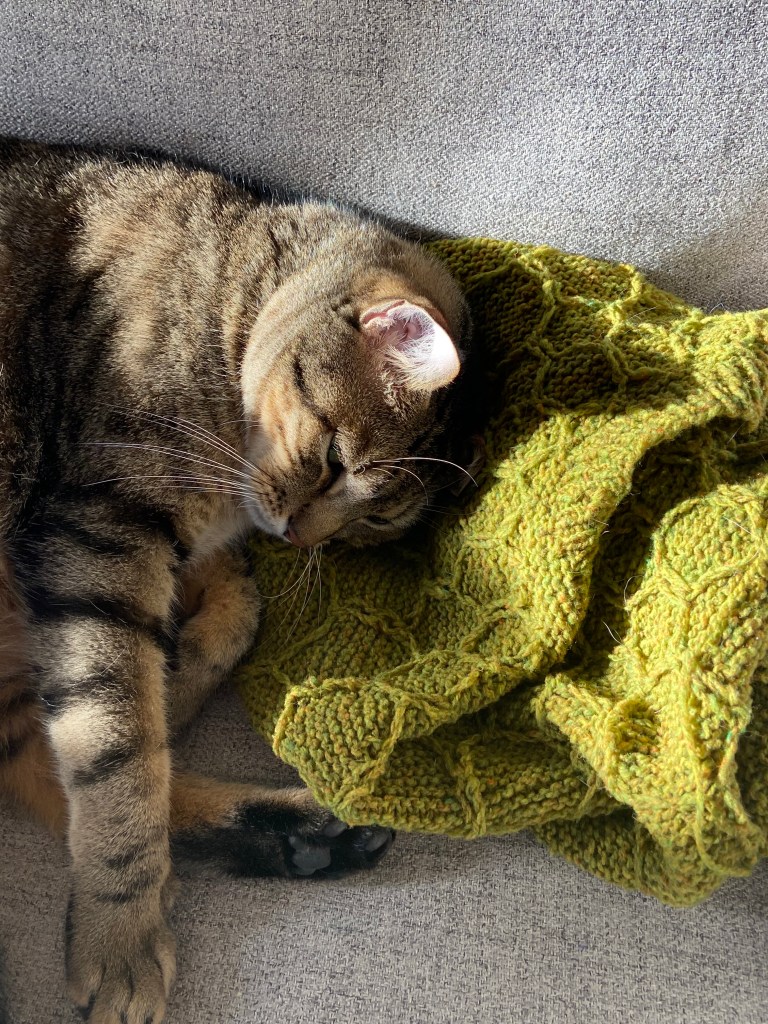
December, and we’re in a pause again, the pandemic ranging around. Schools are open. ICUs overwhelmed. We get boosters. Lost masks are caught in the branches of trees. My sweet cat grooms in a puddle of sunlight, utterly pleased with his work. I pet his head, thinking of my daughter with her sister’s borrowed coat, heading on her own up into the snowy and windy mountains, her eyes gleaming with joy. I keep typing.

I learned one thing: the world is simultaneously collapsing everywhere. The only difference is that in Tvayan [in Russia], they live knowingly amid the wreckage.”

— Nastassja Martin, In the Eye of the Wild

Truth at the Door.

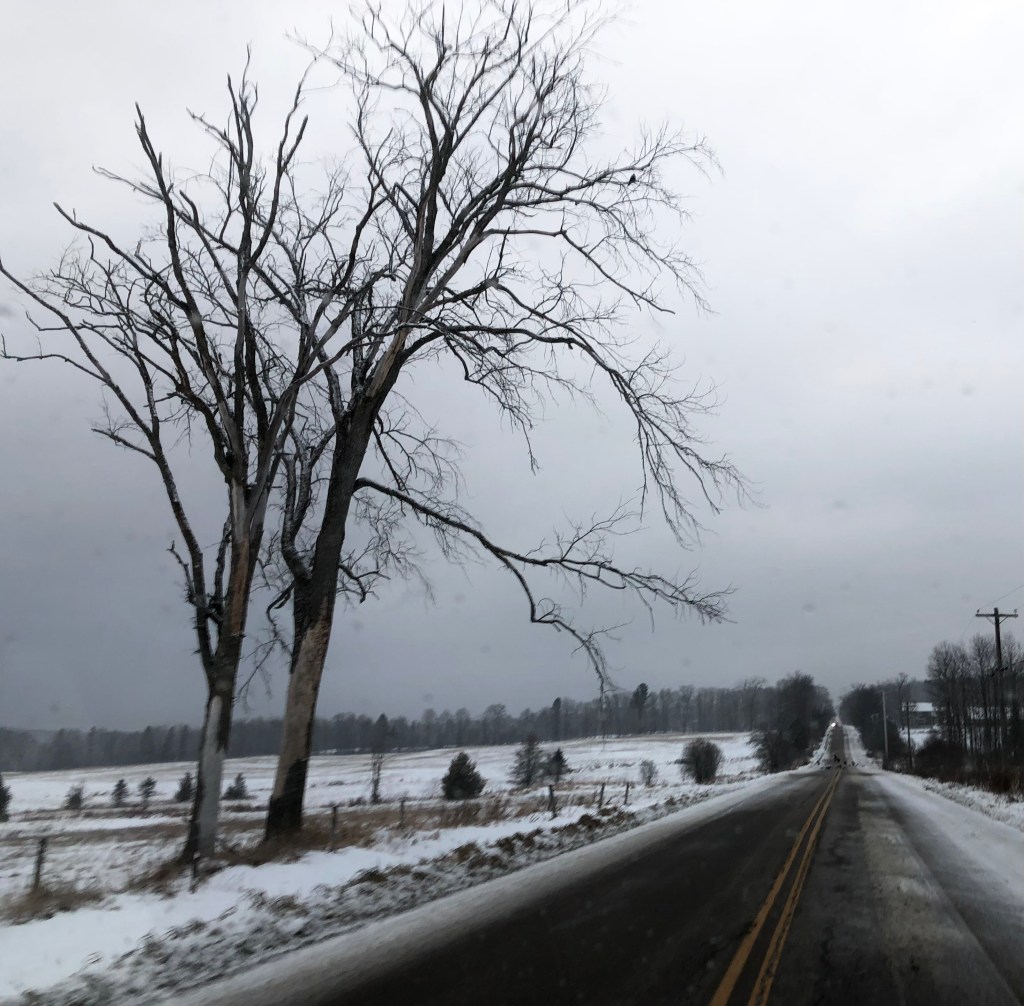
Center Road, Hardwick, Vermont

I stopped for a flock of crows this morning on my drive to work, half a dozen or so of them, pecking at roadkill. In the slow way of November, the birds contemplated me and then turned back to their feast.

For a moment, I got out of the car, just me and the crows and the morning too cold to be damp. Eight crows, two yellow lines, one dead tree, and all that snowy field and sky around me.

Driving, I had been thinking of the poet Lucille Clifton, who wrote the saddest poem I’ve ever read, “The Lost Baby Poem.” The poem that needs no commentary, nothing further.

Clifton wrote about sorrow, but plenty more, too. She advised, “You might as well answer the door, my child,/the truth is furiously knocking.” It’s a line I’ve returned to over and over in my life, one of my guiding stars. This November morning, cawing crows opened my Subaru door.

Planting Bulbs…

On this frosty November morning, a few lines from Rebecca Solnit’s newest book:

To garden is to make whole again what has been shattered: the relationships in which you are both producer and consumer, in which you reap the bounty of the earth directly, in which you understand fully how something came into being. It may not be significant in scale, but even if it’s a windowsill geranium high above a city street, it can be significant in meaning.”

Woodbury, Vermont