Border Crossings

On inauguration eve, I dream of wandering through my childhood hometown and wake thinking of the November morning four years when I woke early and realized I would have to tell my daughters that Donald Trump won the presidency.

Four years seems so long ago — far longer ago than my own childhood of the 1970s when not all that much seemed to happen.

As I lie in bed reading about the Vikings — these ancient, fascinating people — snow drifts down outside, twinkling in my neighbor’s porch light. She’s up, too, as are my neighbors across the street, all three of our houses awake this morning long before dawn. In a different world, I’d pull on my coat and slip into my boots, walk through those unshoveled inches of fresh snow, and offer a piece of coffee cake my daughter baked.

In my own family life, we’ve slipped through so many borders and changes in these four years, one tiny ripple in the endless ripples of human life. Today, January 20, yet another change. May this be for civility and decency.

The Viking Age was very much a time of borders—between cultures and ways of life, between different views of reality, and between individuals, including at the level of liberty itself.

— Neil Price, Children of Ash and Elm: A History of the Vikings
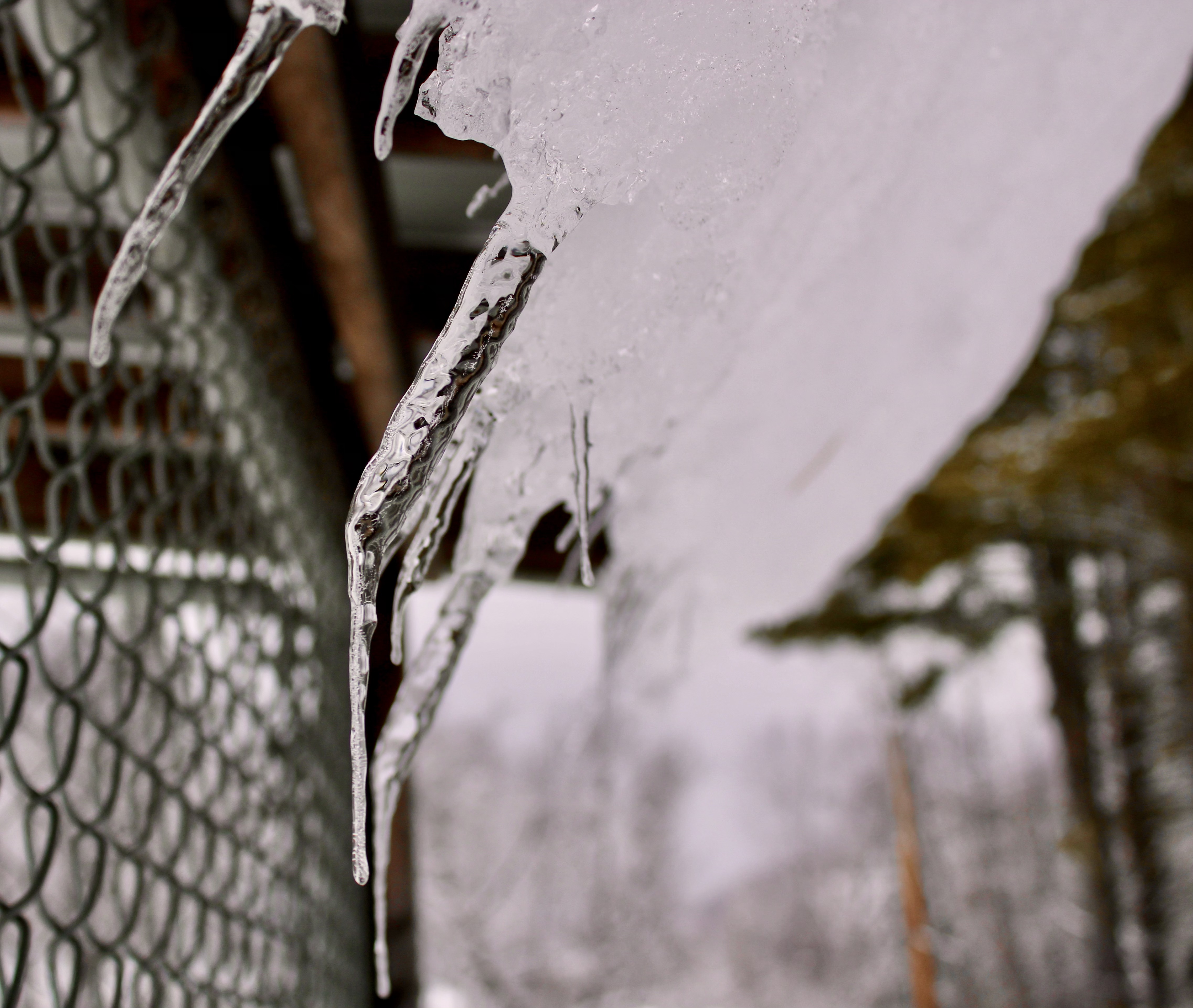
Photo by Gabriela S.

Getting With The Program…

A few days of snow and rain and slush and scattered sunlight — mid-January in Vermont when the snow-heavy woods are enchanting.

Again, drinking coffee in our Subaru while my youngest daughter drives. These mid-winter days are wound through with the mittens I’m knitting and the book about the Vikings I’m reading, the phone call I made to a friend — come walk with me in the cold rain — and she did.

For a while now I’ve been saying that the bar is low — it’s something that I can offer my daughter the chance to ski with a friend. The friend’s parents and I stand in the parking lot, talking, talking. But, more accurately, the bar has vanished, and I didn’t even realize it. The world we live in is changing. History is reshaping our world. This weekend, for whatever reason, I realized: get with the program.

And the program at our contains the tangibles of yarn, colored pencils, snow.

Strangers’ Laughter

I step out of our house just after sunset, and a crescent moon hangs over the road — a silent slice of gleaming beauty in a dark blue sky. By then, I’ve been on a school board call for hours, and I’ve had to remind myself repeatedly that what appears to be illusion at times — this strange, Hollywood-squares conversation — will shake out in ways that affect people’s lives directly: adults’ livelihoods, kids’ educations.

Although it’s five on a Friday, there’s not much traffic in town. In the little neighborhoods where I walk, no one is out. Against one maple tree, I see two plastic red sleds propped against the trunk.

As I round a corner, I hear laughter. I pause for a moment in the twilight, listening. A row of adults is bundled in coats and hats, sitting on a porch, talking and laughing. The cold air is wet with tomorrow’s approaching snow.

I’m no stranger to Vermont’s long winters, but mid-January 2021, and such a deep loneliness has set in — not just in my house, not just in my town, but spread ubiquitously. I stand under that gleaming sliver of moon, listening to the laughter of strangers. For the moment, I’m utterly stunned by the unexpected bliss of the moment, the sheer luck I have to be standing here, part of this shifting world.

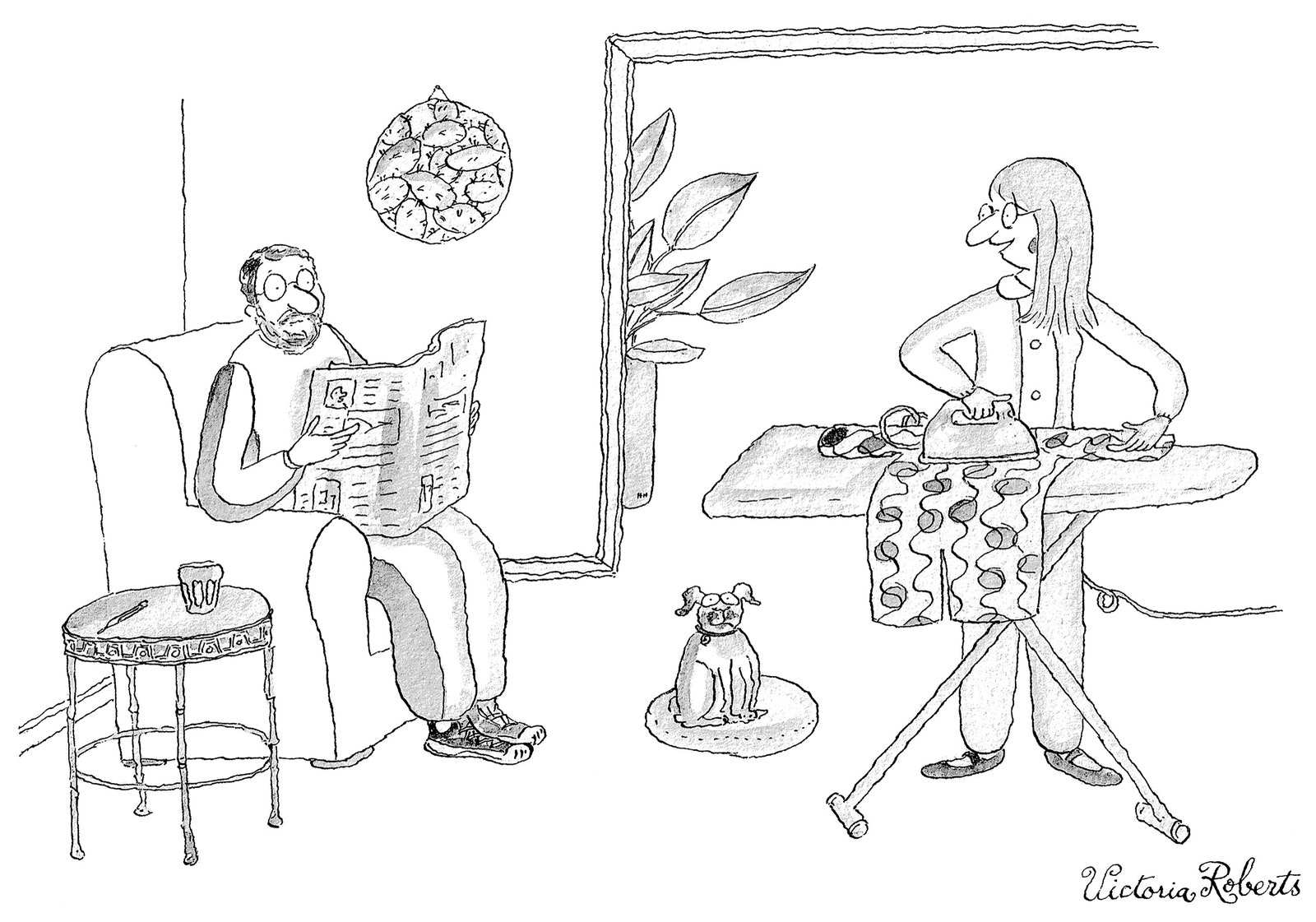
“I don’t like ironing, but it reminds me that once, long, long ago, there was a semblance of order in the world.”

The Way Forward

Skiing along the former railroad bed in the late afternoon, I meet a fellow skier — a man wearing a gray knit hat who’s retired now from the local high school. In one connection or another, I’ve known him since before I became a mother.

We pause and talk for bit. He asks about my daughters, and then he opens our conversation to what’s happening in the nation’s capital. Behind him, I see the Lamoille River winding towards Lake Champlain, flowing its slow way to cross the Canadian border and head to the Atlantic Ocean.

As a complete non-sequitur, I say, The sun actually came out today.

We look at the blue sky overhead between the trees. It’s January in Vermont, and the sun’s presence is never a given here.

We talk for a few more minutes, acknowledging chaos and the pandemic, these odd days and that sun overhead — light without warmth.

Then we part ways, he to his ski, and I towards home.

But time is only another liar, so go along the wall a little further: if blackberries prove bitter there’ll be mushrooms, fairy-ring mushrooms in the grass, sweetest of all fungi.

— William Carlos Williams


Dreaming

Often after the new year, the cold hammers down in Vermont, like a nail gun, sealing the human world except for well-bundled expeditions. The coldest I’ve seen is 40 below zero; mist moved ghost-like over the river, creeping over the icy banks like a strange memory.

This year, what small amount of snow we have is often soft, and the air during the day often thaws and carries the scent of water.

It’s an illusion, I know, to imagine that anything but a long, long winter lies ahead of us. But still, yesterday when I left work, I mentioned to a coworker that it was nearly five and day still lingered.

For a just a moment, we stood there with car keys in our hands, reveling at the light.

Winter rain—
The field stubble
Has blackened.

— Basho

May, 2020