A Small Handful of Soil

Last fall, I dug potatoes in the school’s garden with the kids on one of those crystalline autumn days rampart with sun and the darkening emerald of summer’s end. One boy reached down and scooped up a handful of soil. With his finger, he stirred through, unearthing a centipede, glacial pebbles, a shard of white quartz. Around us lay the garden opened up for harvest, the stalks torn free from the rows of potatoes, the tomato and cucumber beds emptied of their frost-killed vines. In this sizable sprawl of black earth, this child stared intently into a single handful of dirt.

Today, weeding, I thought of this child again. With what joy he would see what lay in this garden. When I finished what I could do, I stood back and looked over my small measure of order, the vegetable rows surrounded by tiny tiaras of crown vetch. I thought again of this child-sized handful of soil, the dirt now masked under July layers of stalk and vine and straw and leaf. And yet, it’s the soil we always return to, the mother of our sustenance, the ever-changing constant.

But cultivation’s hold is always tenuous. The sense of order and safety it imparts will change if you turn your back on it: the brush grows in, the night comes on, old fears crowd you. It’s a skittering truth….

– Jane Brox

Photo by Molly S.

Photo by Molly S.

Stopping by the Edge Garden

This afternoon, while on my way from here to there, I stopped by a garden. With just a few minutes, I ran down the hill through the crown vetch and looked briefly to see what was growing. Cinquefoil, creamy yellow.

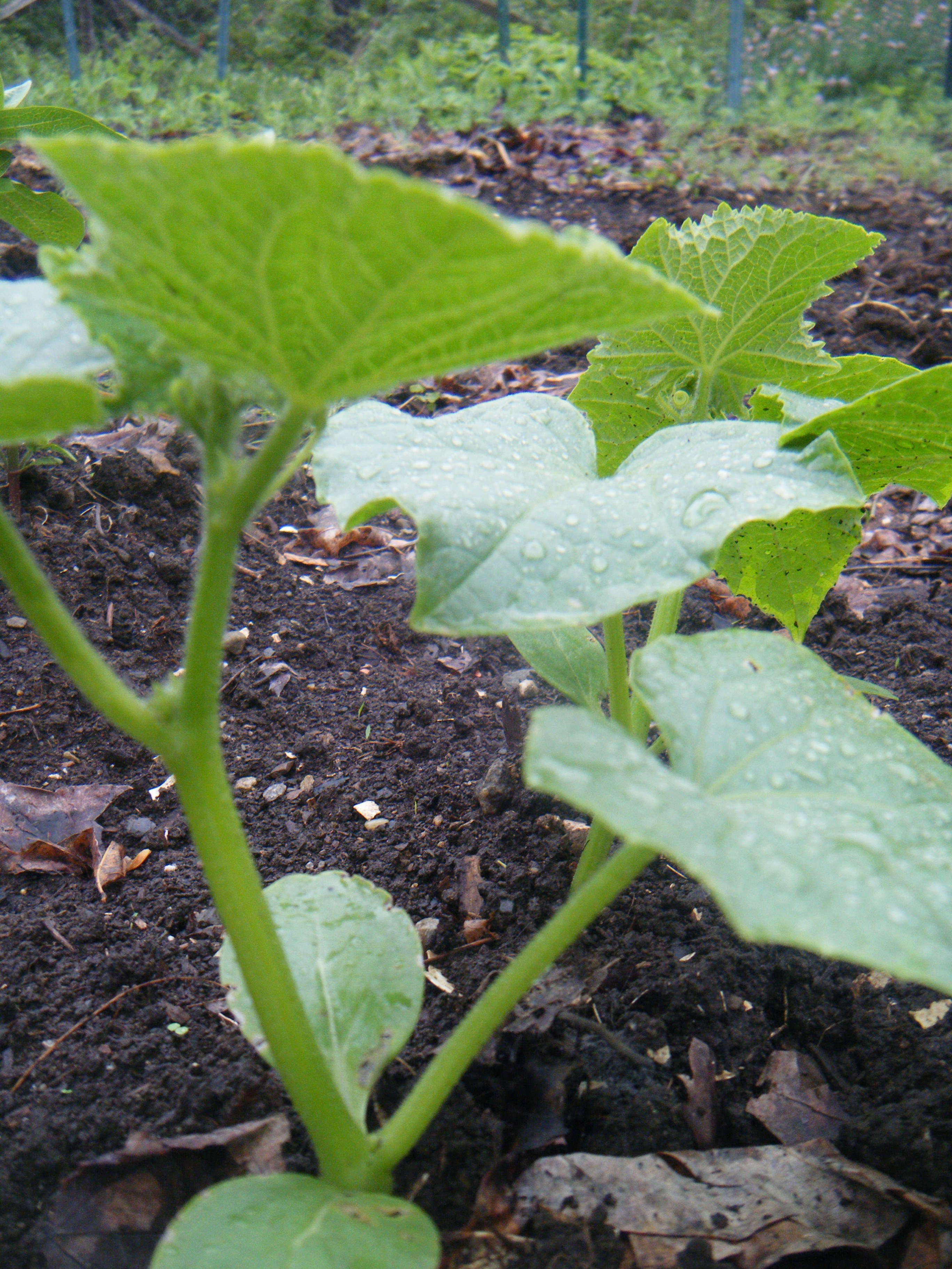
This garden, like so many Vermont gardens, is an edge garden, between a place of domestically cultivated flowerbeds, carefully tended, in the height of bloom, and just beyond this vegetable garden is a wetland with a lilypad-rich pond, where I’ve seen blue heron, deer, an eagle. Between one place and another, the edge is fertility, creation, growth, a joining of one place to another:  bank to water, field to forest, sickness to health, fruit to decay. So, bending over, in two moments of quiet before I hurried back up the hillside to my daughters, I thought to pull a few weeds away from a cucumber plant, and found instead wild cinquefoil thrust over the seedling, so amazingly alive in this unpeopled place I withdrew my hand.

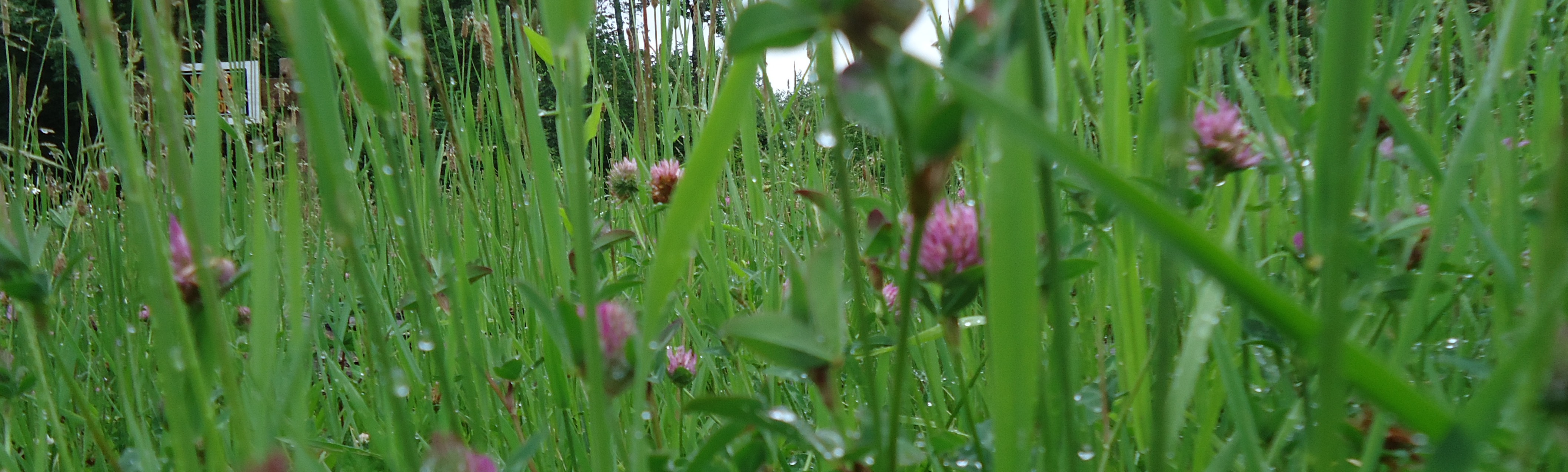
Instead, as I walked back, I snipped a few stalks of wildflowersThe edge is multi-layered, endlessly changing, the brilliant sunlight soon dimmed to night, harborer of sweet wild raspberries, leeches, box turtles and snapping turtles, toads the size of my thumbnail. Today, surrounded by those wildflowers tall as my elbows, I thought, Well enough. Let it be.

My daughter, at eleven
(almost twelve), is like a garden….

Oh, little girl,
my stringbean,
how do you grow?
You grow this way.
You are too many to eat…..

– Anne Sexton

Wildflowers by Molly S.

Wildflowers by Molly S.

July

Here’s the thing about Thoreau and gardening:  Thoreauvian time is distinctly non-linear, perceiving the world through cyclical seasons.  Walden is written as a single-year cycle, with multiple circles within.  As gardeners, we must all, on some level, embrace the world in variations of rebirth, growth, and demise.

Today, my garden bursts in profusion:  white currants, greens, rogue chamomile mixed in with the bee balm.  A woodchuck we saw running by…..

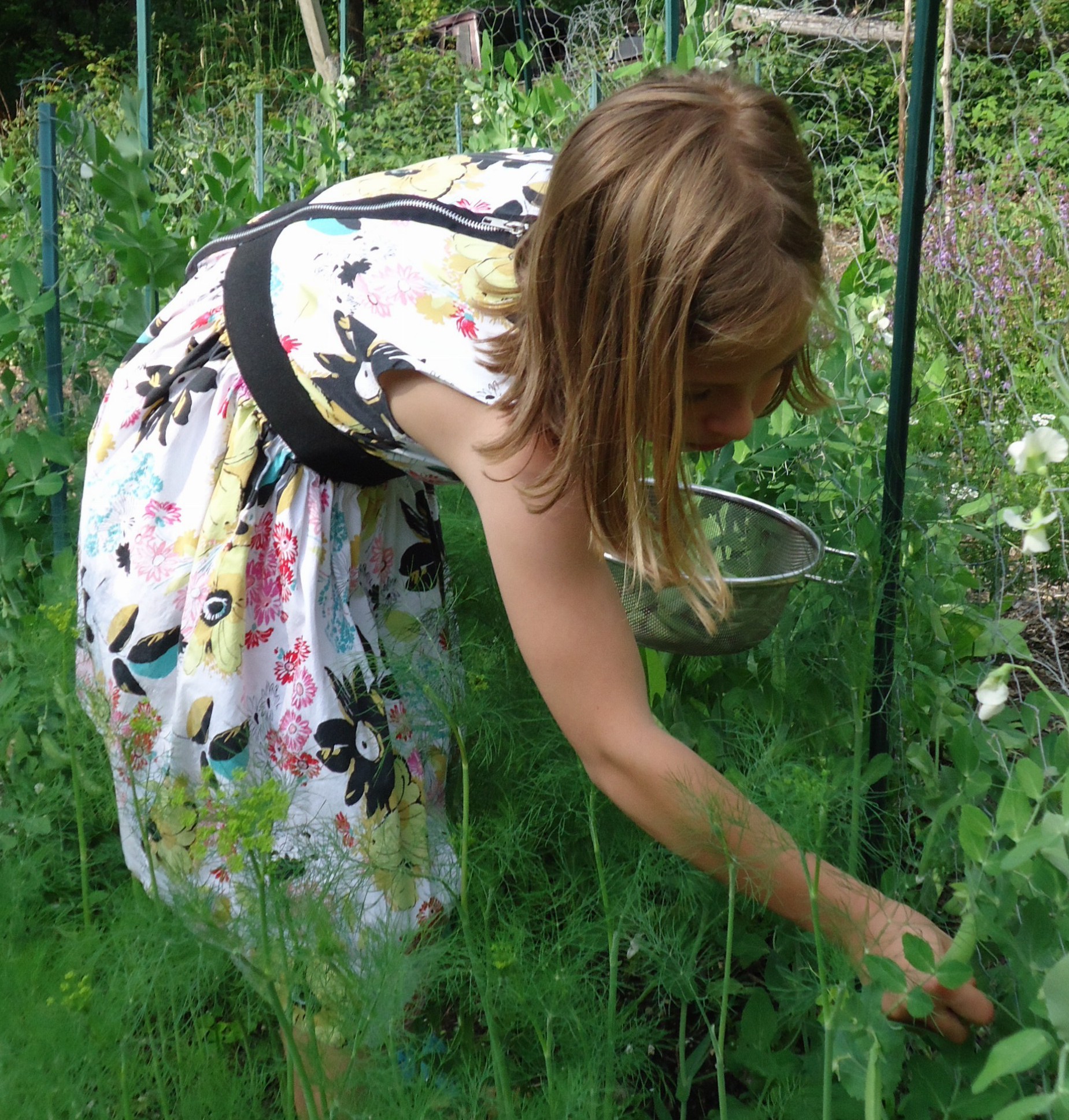
This is the season of a ten-year-old girl picking peas, of dinner cooked over an outside fire, of rain on the sunhat left on the grass while we played an evening game at the neighbors’ house.  Their four-year-old daughter showed us her garden, while her younger brother ran in excited figure eights.  Walking home tonight,  my daughter’s hand in mine, fireworks from Cabot and Morrisville lit up the night sky over our mountain, while fireflies blinked around us.  Our heels struck the dirt road, our guide home in the thick country dark, the frogs peeping and the owls calling, this season of Vermont July.

Children, who play life, discern its true law and relations more clearly than men…  At the same time that we are earnest to explore and learn all things, we require that all things be mysterious and unexplorable, that land and sea be indefinitely wild, unsurveyed and unfathomable by us because unfathomable.

– Thoreau

DSC01005

DSC01011

R-E-S-P-E-C-T

Coffee this morning with my ten-year-old, while she ate cereal.  I was writing a list for the today and listening to music on my laptop, when my child suddenly burst out laughing.  “I basically know this song by heart!  My teacher loves it.”  Aretha Franklin:  R-E-S-P-E-C-T.  I laughed, too.

Respect.

I acknowledge today, in full respect of their great strength and prickliness, the wild raspberries are winning the garden battle.  In particular, crouching under the mighty asparagus, weeds of all tenor and tenacity — clover, smart weed, invasive buttercup — are thriving.  I knew, going into the summer and facing more work hours and one less mouth to feed, that I had to scale down in some way on a garden already about as large as I could handle.  I’ve cover cropped a few beds, planted potatoes that are about the easiest things to grow, and maniacally mulched.  Nonetheless, areas of the garden are wholly lacking joy.  It’s problematic, for instance, to let your fence fall down in deer territory.  While I feel convinced, in my female household, that the girls and I are holding things up, there are times when a few hours of male labor would shore things a little straighter.  Is it really a solution to let wild raspberries become my garden fence, in a strange rendition of the sleeping beauty fairytale?  Where’s the line between winning the battle, being pathetic, and getting along?

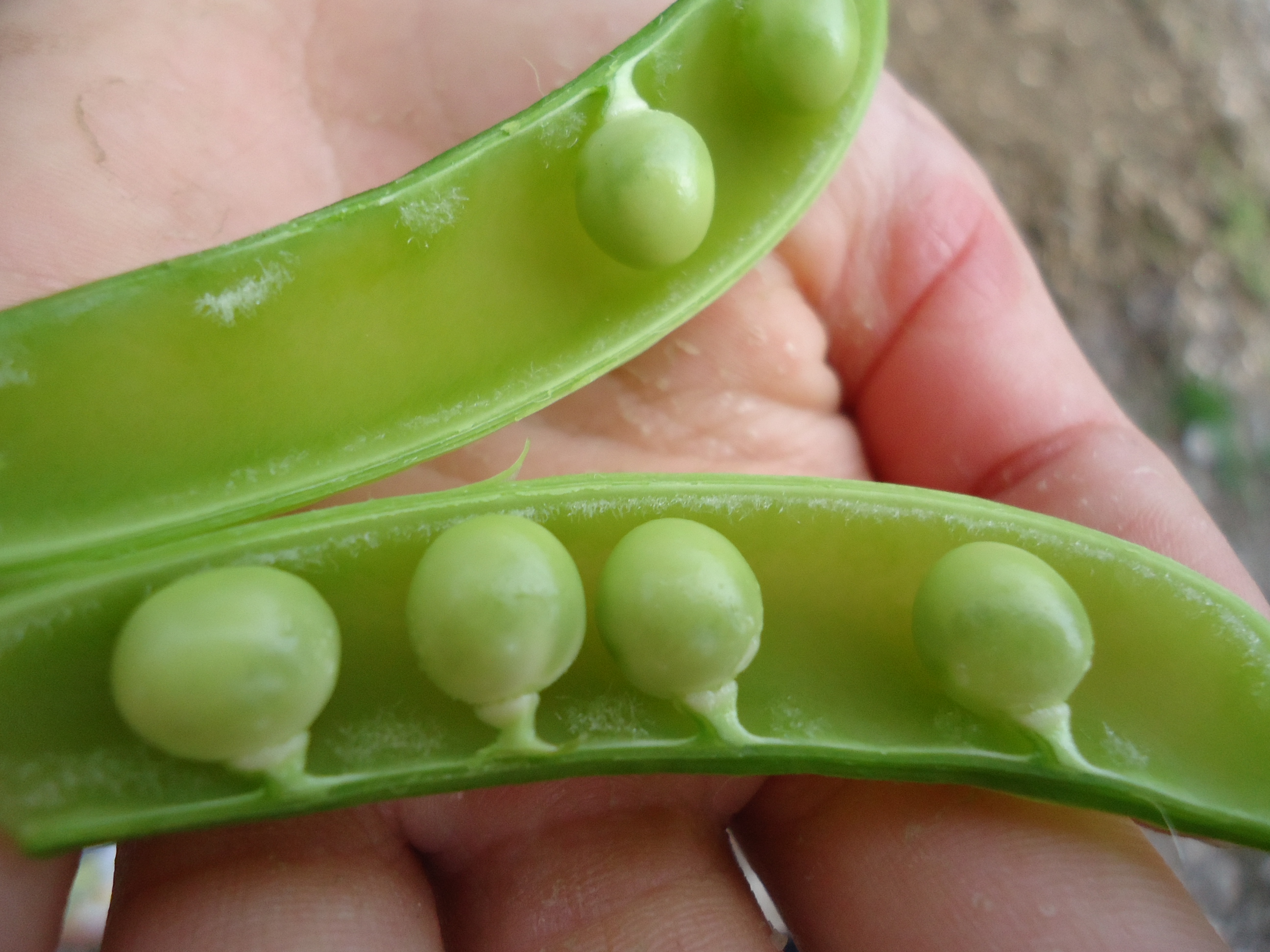
So, that single word stayed with me in the garden – respect – while I pruned the tomatoes and thinned the corn and stood staring into the woods, eating peas in their tender shells.  It’s easy to respect those I love, but difficult to muster down deep any kind of affinity for those who tear at me:  the raspberry canes, for instance, and the far more wicked and intrepid blackberries that have punctured the soles of my shoes.

My daughter and her friend came to find me, wanting to cook dinner outside.  I lifted my shirt from the ground and pulled it on.  In one sleeve, on my bare and dirty arm, I touched a slug.  Repulsed, I dropped the shirt.  Then, while the children ran off on their project, I knelt and, with one finger, extracted that brown slug from my shirt, a gelatinous, clammy creature.  I carried it outside the garden and laid the fat thing in the ferns.  My fingers were smeared with a brownish-yellow stickiness.  The slug inched its way, painfully slowly, beneath the fern and disappeared.

SLUGS

Who could have dreamed them up? At least snails

have shells, but all these have is—nothing…

– Brian Swann

DSC00915

Watering in the Rain? What?

This cold and rainy Sunday morning, I was in the hoop house watering tomato plants when I saw a wild turkey picking its way across our small field.  The field, recently harrowed and seeded with peas, was mucky from a deluge the night before, so the turkey lifted its feet in the turkey’s funny variation of high-stepping.  With its long neck and tail, it’s a lot of bird.  After a few seeds, the bird, apparently alone, disappeared into the woods with its already lush fern undergrowth.

While the turkey was going about its meal gathering, I appeared to be doing an essentially crazy thing — watering in wet weather.  And yet, I’ll continue to do so, for reasons that partly make sense to me.  It’s that “partly make sense” aspect that often seems to jam up human life.  On the one hand, I want the tomatoes, and this is my experience of how most effectively grow tomatoes in my patch of Vermont; on the other hand, watering in the rain is just plain nuts.

While I would never describe myself as a relativist, one of the greatest appeals of literature is the way writing explores that edge, that nether realm between the hard shores of certainty.

My ten-year-old recently determined, with the assistance of a teacher, that she is precisely the right height for her age.  She informed me of this conclusion while brushing her teeth that night, in her practical and pragmatic way of looking at the world:  here I am, exactly where I want to be.  Her sister scoffs at this kind of knowledge — why would you believe numbers? you’ll either grow or not — but my younger child sees a validity in numbers her sister does not.  My older daughter tends to view the world as wildly awry with the vagaries of fate, but to my younger daughter, the world is dictated by precision and certainty, and I could see the succor she justly took from that knowledge.   Her fears that she will be very small (like me) were mitigated by this calculation.  Each of my two children, blood sisters, has a radically different method of mapping and understanding the world.  Neither of these would I at all disparage; they are both genuine ways of understanding, albeit diametrically opposed.

Yet — can I generalize? — by adulthood those shores of certainty are often shaken, if not downright abandoned.  In what way will we know the world?  What will serve as our compass in troubled weather?  I see literature as precisely that compass, a complex and sometimes incomprehensible tool, a map, convoluted at times, to get us out of Tom Sawyer’s cave.

… the evening the kingfisher fell… I held
(it) in my hands,
I touched its blue power.
That may be the only time
I ever do so.

What I held was more precious
than handfuls of money.
If I could have restored it
to wind, I would have.

What to do
with the wild pain?

…Give it back,
all of it, and go home.

“Kingfisher” in A House of Branches, Janisse Ray

DSCF9927

The Mighty Asparagus

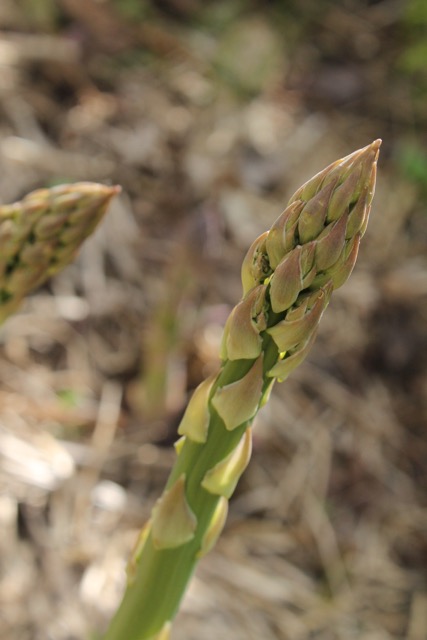
May is the season of asparagus in Vermont, the first of my garden to push up through the mulch straw, pointy green gems, the succulent stems.  The first of the garden’s offerings, and likely the most delicious.  Like everything else, the strength of the asparagus beds comes and goes.  A friend of mine remarked at a school board meeting the other night her asparagus beds were on the wane.  Mine, more recently sowed, are producing bountifully.

Our perfect handful of May days are now encroached by black flies, by either too much sun or cold rain:  but isn’t that the way of the world?  Mary Oliver in “Wild Geese” writes:

Meanwhile the world goes on.

Meanwhile the sun and the clear pebbles of the rain

are moving across the landscapes,

over the prairies and the deep trees,

the mountains and the rivers.

Writing is like my asparagus beds, rich under the surface, nourishing and sweet, and yet tensile with organic strength, able to thrust through my poor and clayey soil to the world above of sunlight and rain, and my fingers, eager for a dinner harvest.

Every year, I forget just how good asparagus is.  Aim for that in writing, I think:  better than I might imagine.  How easily we get caught in the details of our lives — important and dear to us — and yet, overhead, all that sun and those clear pebbles of sun, if only we would lift our eyes.

IMG_6001