Wild Gulls

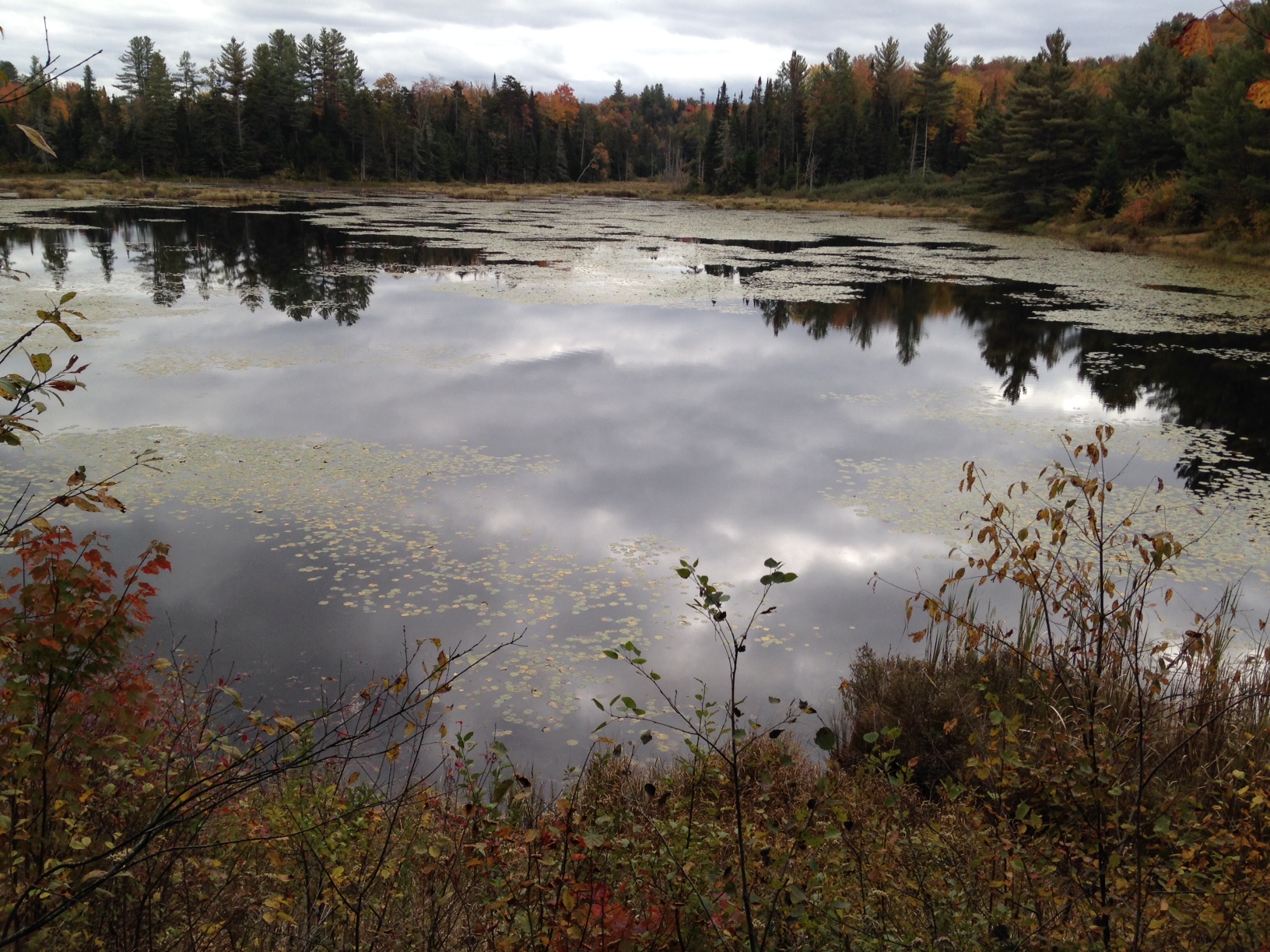
In Vermont, November is a month of diminished color, the profusion of blooming gardens long since gone the way of frosty death. This afternoon, I stopped by the Hardwick reservoir, drained low. Seagulls crouched in the center, surrounded by shallow water skimmed over with green algae. The summer lake had sunk into a thick, foul-smelling muck, its bank strewn with a rusting car gas tank, broken bits of plastic, crumpled paper cups. The creatures had left their debris, too. My fingers reached down for an emptied snail shell about the size of a quarter.

A mist began falling, and the wind blew dried leaves. A flock of gulls, far down the reservoir, lifted into flight, a great white undulation of wings, rising and falling, carrying these birds across the sky, spread out between the water and sky like dozens of fluttering prayer flags. They landed and hunkered into small knobs on the muck.

I had stopped there hoping to see a heron with its immense wings and steady flight. Instead, these common birds – the trash pickers and pesky divers –  opened like an ornate fan in surprise and exquisite splendor, pristine white against the gray sky and trees, before folding shut again.

…Whoever you are, no matter how lonely,
the world offers itself to your imagination,
calls to you like the wild geese, harsh and exciting-
over and over announcing your place
In the family of things.

— Mary Oliver
FullSizeRender

West Woodbury, Vermont/photo by Molly S

Seeds

After a morning’s work, I stepped out on the balcony and saw wild turkeys slowly picking their way through the frost-bent buckwheat around my garden. These birds are amazingly large, with their red and gum-blue heads vibrant colors against the autumn’s gold. By the time I was in the garden, the turkeys had gone on their way, back into the woods.

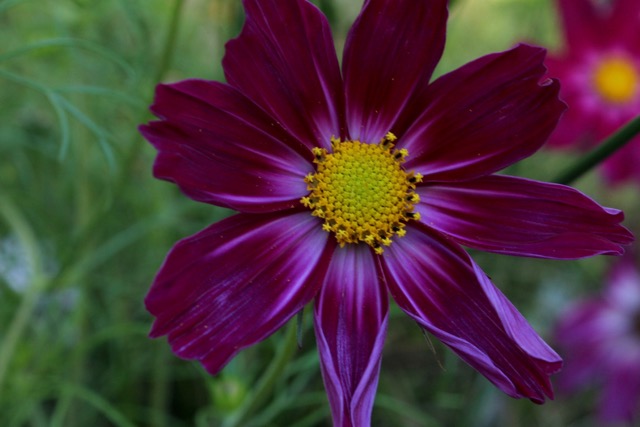
With my hands, I tore out the pepper plants, the marigolds and nasturtiums, the cosmos, the end of the squash, these beauties finished for this year. The sunflowers and zinnias I left standing, heads bent down, yet rich with seed, for the birds.

Life is not orderly. No matter how we try to make life so, right in the middle of it we die, lose a leg, fall in love, drop a jar of applesauce. In summer, we work hard to make a tidy garden, bordered by pansies with rows or clumps of columbine, petunias, bleeding hearts. Then we find ourselves longing for the forest, where everything has the appearance of disorder; yet we feel peaceful there.

–– Natalie Goldberg

IMG_0131

Garden/West Woodbury, Vermont

Laughter and Rain

The February my older daughter had just turned one, she and I went to a playgroup in Craftsbury, and only a woman I hadn’t met and her one-year-old son showed up. The tykes fought over a red plastic shovel (my child was the aggressor), and eventually we hid the shovel. While the kids checked out the plastic toys, the woman and I talked, and talked, and talked, and in some ways haven’t really stopped talking since.

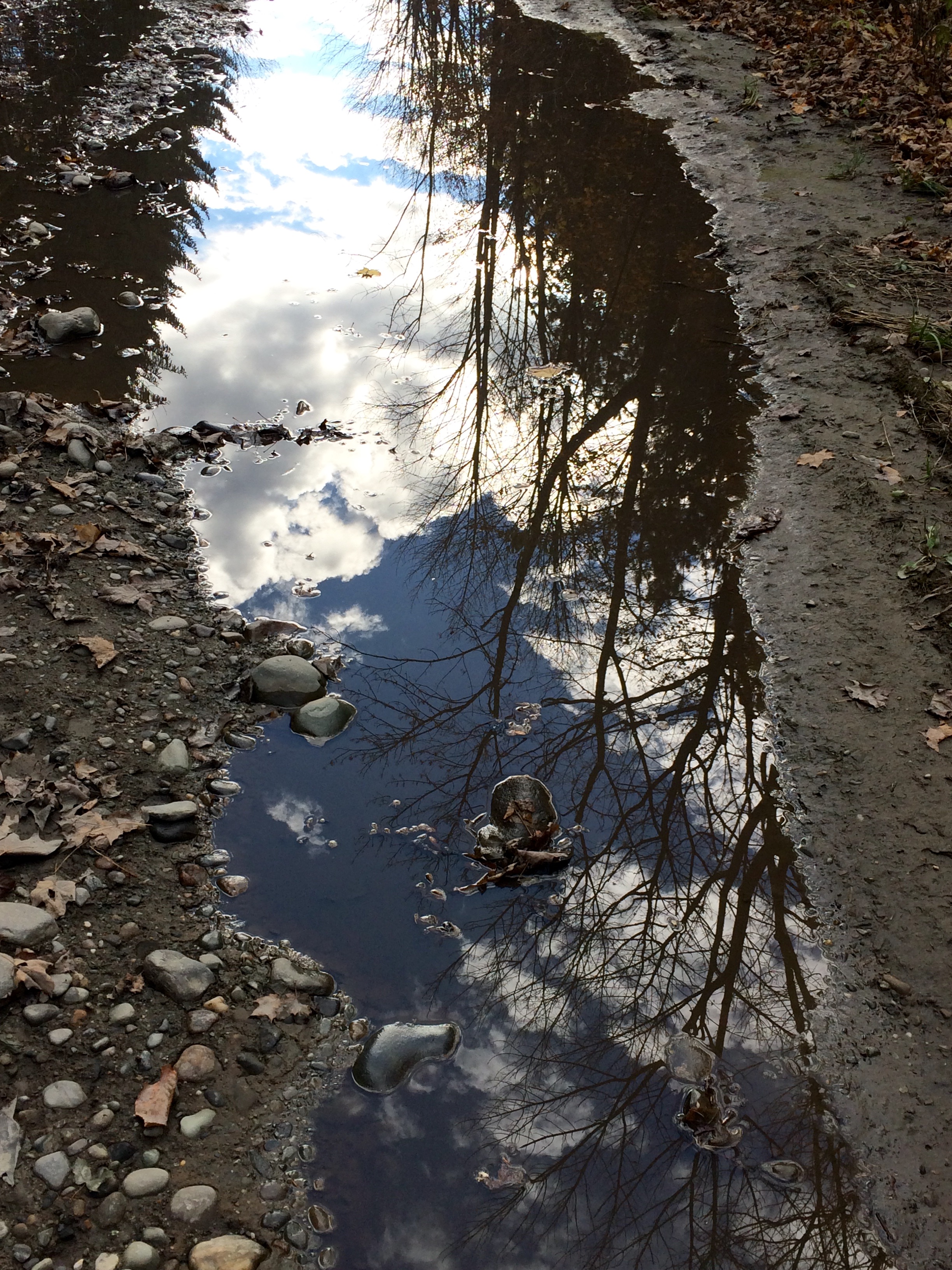
Today, in one of these weird slips of time, my friend and I drove around Woodbury, this rural Vermont town, population 902, over dirt roads, up hills and along narrow roads without guardrails beside ponds, looking for one particular thing.

Crisscrossing these roads in the rain, we passed my daughter’s elementary school several times, and I thought of my child at her tidy desk, in the warm red schoolhouse with the rain coming against the windows.

My friend and I met no one else but a pickup truck or two on these back roads. Several times I asked, Should I drive up there? It looks like a bike trail and not a road.

Yes, she insisted, yes — and only once got out so I didn’t back into a ditch.

How long our friendship spins out, stitched through with so many things:  new babies, and gardening, books and more books, a courtroom, jobs, days at the lake, coffee, broken vehicles, farmers markets, deaths, and a whole lot of laughing. I wouldn’t trade the laughing for anything.

Nobody sees a flower, really – it is so small it takes time – we haven’t time – and to see takes time, like to have a friend takes time.

– Georgia O’Keefe

Photo by Molly S.

Photo by Molly S.

Use What’s At Hand

We are no longer in the gardening season, no longer in the season of growth and warm days, of the earth turning green. October heralds the season of decay, of stillness and quiet, broken not by songbirds but the geese winging their way south. Weeding once, with someone else, he suggested laying the handfuls of weeds over the living ones, as a smothering mulch. Use what’s at hand.

That phrase comes back to me, in this season of pulling up a garden, ending one thing, and entering this other season. It’s a way of looking at the world where one thing morphs into another, where this as plague becomes that as assistance. It’s a way of looking at compost as life, at your weakness as truly your strength.

I thought I knew about all that (loss) when my first wife, Jackie, died of cancer… It isn’t just that I don’t believe in love; I’m not sure I believe in anything. But, looking at these radiant canvasses (of Vermeer)–unreachable yet familiar–reminds me. The rapturous inner life of each woman and the infinitesimally detailed and self-contained life of the street are each imagined as an undiscovered heaven on earth…

–– Michael White, Travels in Vermeer

IMG_8954

Photo by Molly S.

Shine On

The before-school mornings have now turned intractably toward dark, the air nippy at the bus stop. My older daughter argues against going to school. The truth is, I hated high school, I hated middle school, I hated elementary school, I probably even hated nursery school, the whole she-bang of schooling until I hit college. I remember insufferable boredom, staring through the windows in third grade at azure autumn skies, and wanting to be in the woods. I longed for the smell of dead leaves against my face. I’m sympathetic and yet, apparently, not that sympathetic. Still, I often stew about this daughter all day.

Driving along Route 15, as it follows the Lamoille River, I glanced up where sunlight crashed through a jumble of clouds, gray and black and white, as though the weather were confused, too. The light descended in immense heavenly shafts. Woodbury Mountain was scattershot with gold patches, intermingled gray where the foliage has already passed. Sprawled along the river was the transfer station, that pestilent site radiantly bathed in October light.

This afternoon, my daughter was glowing when I met her at the high school. She had been charged with a particularly difficult task, and there was no way she was getting out of this assignment. She sensed a real challenge, but one she could tackle, too, with no escape hatch, no back door possibility of complaining enough to me so I’d cut her slack and let her off the hook.

Buckling in for the drive home, she relayed with real joy a compliment she had been given. I, she said, am a shining star.

(My daughter) was sixteen years old. I hoped someday she’d remember how it felt, how invincible, how alive. I’d heard it said that one tenth of parenting is making mistakes; the other nine are prayer and letting go.

— Justin Cronin, “My Daughter and God”

IMG_0066

October. Woodbury, Vermont

The Fallow Season

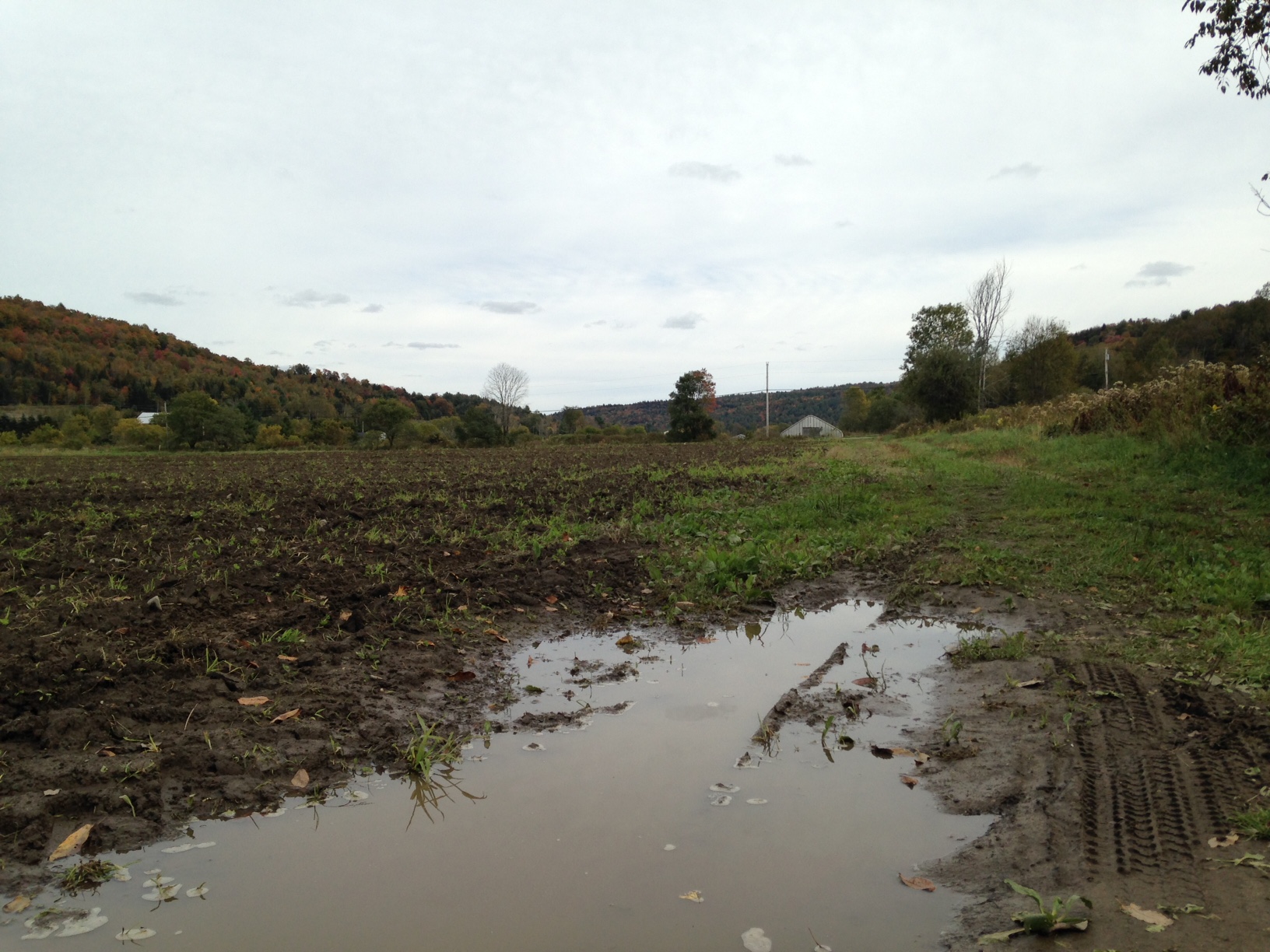
After work today, I walked around the farm fields at the bottom of our road, a carpooling place from years ago. I have a photo of my younger daughter when she was three, running with a friend over enormous white-plastic-wrapped bales of hay, in sheer summertime joy. The field’s fallow now, a great swath of black earth opened up, studded with thistles and stones, emptied of visible life. Even the cartwheeling crows have abandoned these fields. The summer’s radiance has been driven over by the denser hues of gray and black, autumn’s burst of foliage nothing but a splash before winter hammers its solid pins in.

I, for one, welcome in the fallow season, craving a chunk of stillness, wishing the frothy madness of the world (from local gossip to national news) to keep at bay for a bit – or at least a weekend.

Walking with my neighbor this afternoon, we speculated that a brown shape in the dirt road ahead of us was a cluster of fallen leaves, but as we approached, the shape lifted with small wings, and then flew nearby: a wood thrush, quietly keeping us company, swooping nearby and then flickering away into the woods, among the falling leaves.

Wild creatures have the confidence
to realise it’s time for rest.
Nature regards man as a jest,
and doubts his mental competence.
All nature knows it’s for the best
to realise its time for rest.

IMG_0048 copy

Kate Brook Road fields/Hardwick, Vermont

— Ivor Hogg