Oatmeal Chat, Vultures.

Vermont sends its swiftwater team to North Carolina, repaying a favor when Vermont was in need. Word comes of similar terrain and climate causes, but far worse devastation. We send them our empathy, our skilled folks, certainly money, to their world broken apart….

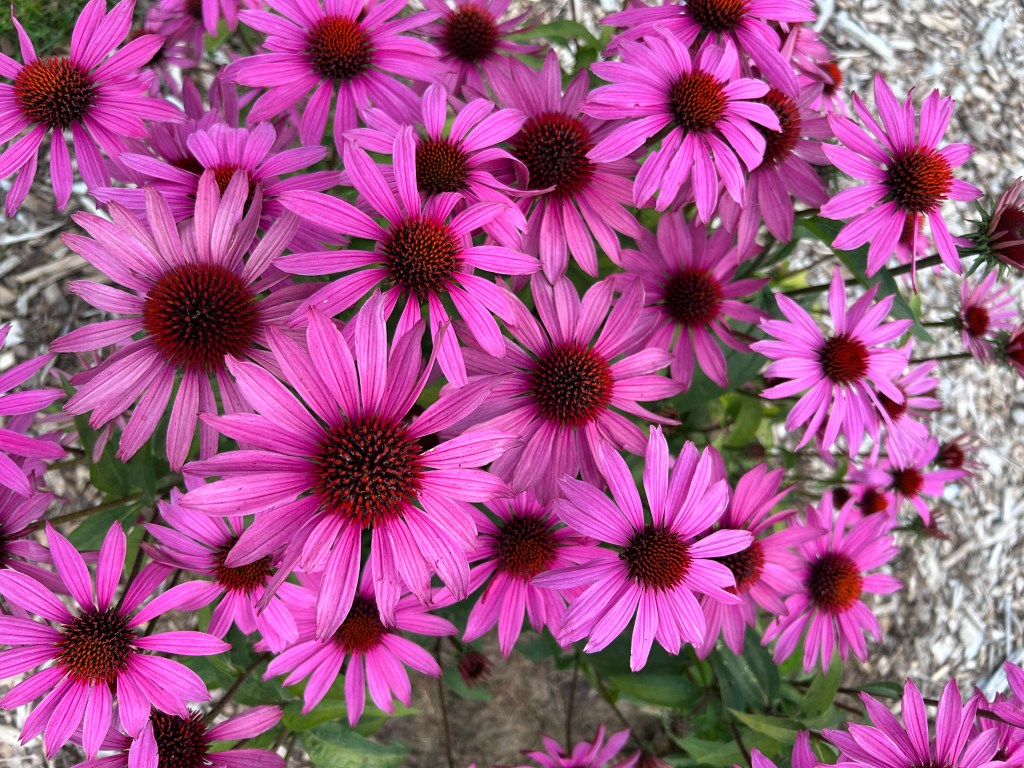
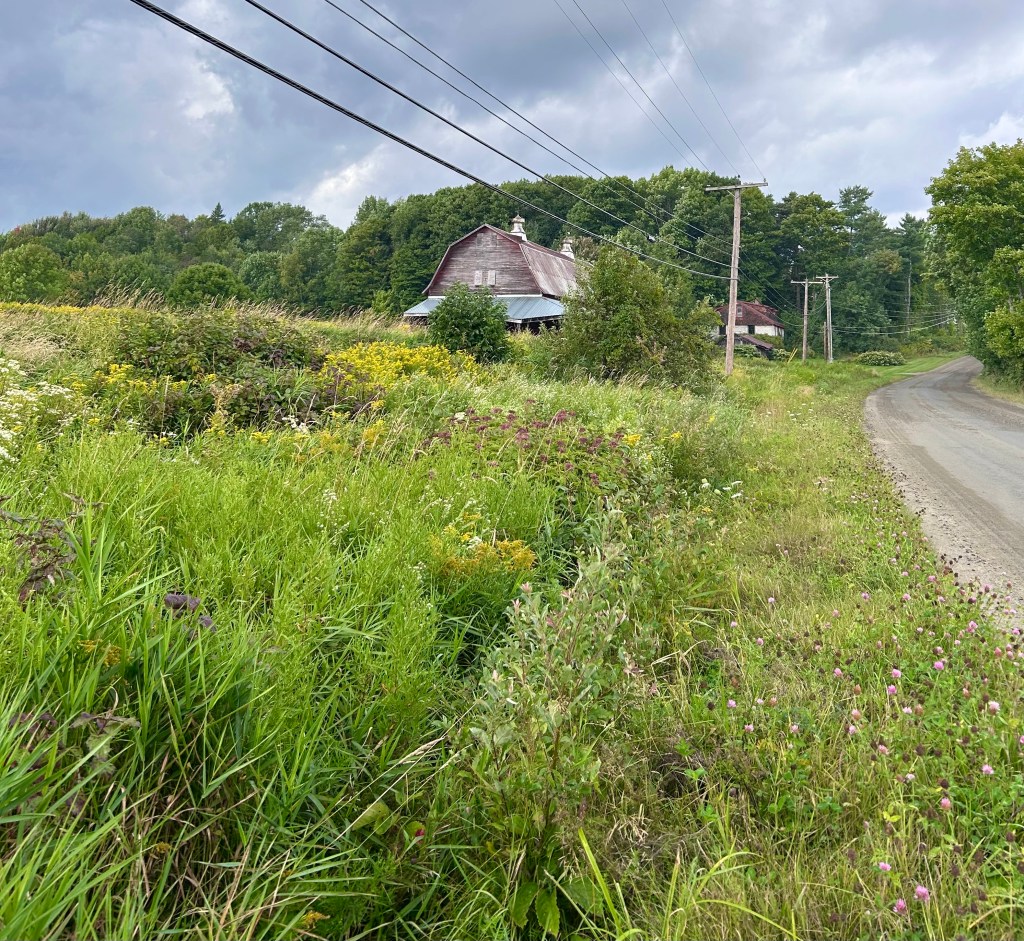
In Vermont, these weeks have been tepid, the foliage gently rotating to gold, the sun warm in the afternoons. This year, the purple asters decorate the landscape everywhere, pallets of brushiness.

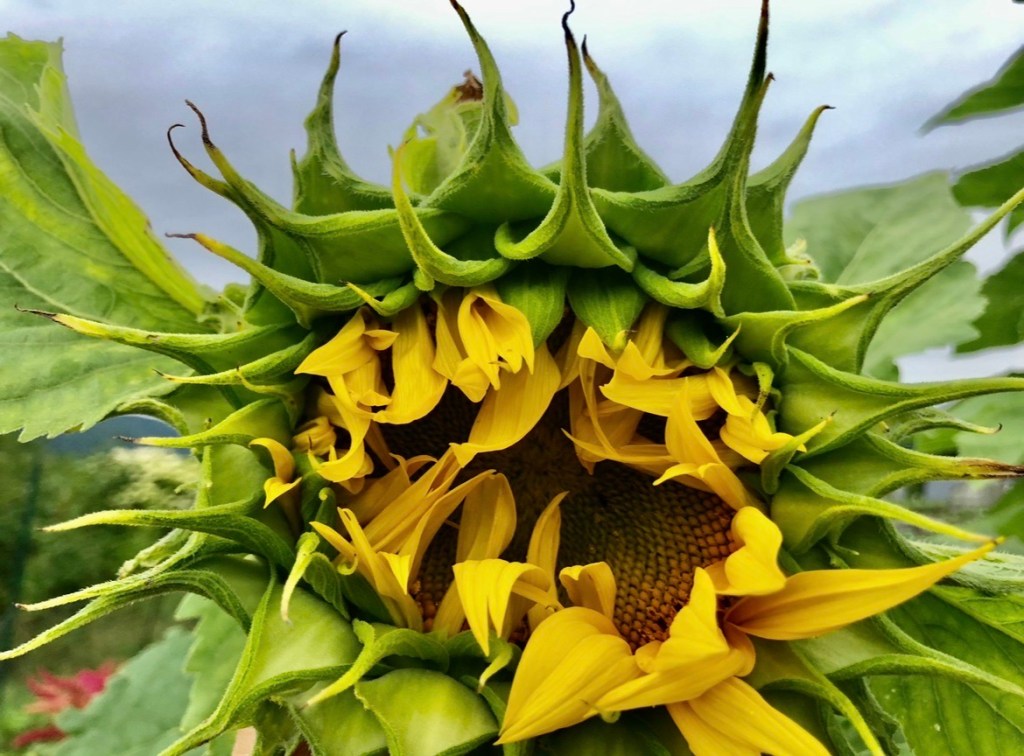
Thursday afternoon, I take my laptop to our picnic table, the bluejays creeping near, curious, my bent-over sunflowers in the garden shaking with feathered gleaners. I’m stuck on this notion of impermanence my father and sister and I have been kicking around, when we connect in our disparate parts of the country via our laptops. Autumn in Vermont personifies impermanence. Stepping out for firewood in the early morning, geese clack over my porch roof, getting their V formation together, out of here for warmer waters.

In the co-op, I round an aisle and meet an old friend filling a paper bag with oatmeal. You can imagine me, he tells me, standing at my back door, just staring at the mountainside. What perfection today. From there, our conversation quickly bends into small town democracy, how each of these three adjacent towns are different. We step to the aisle’s side and dig into the grittier details of a legal letter circulating on email. My friend, thinking like me, asks about motivation. Who’s desiring what? Why? What’s the intent, for what human footing?

Fascinating questions. Vermont Selectboard meetings are generally unfettered democracy. Anyone can show up and speak their piece, ask questions.

Later, I step outside with my pound of coffee and pound of butter. The turkey vultures are circling, swooping low over this section of highway and co-op and river. In my wool sweater, barefoot in Danskos, I stand watching for the longest time, the sun falling behind the hillside.

A passerby, walking in, glances up, too, and shudders. “Them. Those birds.”

I start up the hillside, under the gyrating vultures.

 Even  in Kyoto—
hearing the cuckoo’s cry—
 I long for Kyoto.

— Bashō

“The real, long history of this place…”

Old West Church, Calais, Vermont, 1823…. The fieldstone foundation was laid 200 years ago. I’ve been tossed a lucky bone, and I’m reading here this afternoon. Recently, I swung by with a friend to check out the acoustics and ended up sitting and watching the sunlight shift through the space. The structure remains in the 19th century with no electricity.

In an interesting way, it seems fitting to do these things in the autumn when the light in our northern realm is shifting so rapidly. On each side, the days shorten. What began in April as a sprinkling on the forest floor of hepatica and trillium and spring beauties has flourished all summer in such a lush and lovely summer. Strangers remark, “What a summer of growth!” as if to make up for these past few years of soddenness, of rain and wildfire smoke from faraway (but apparently not that faraway) places.

At the transfer station, I pull up with my hatchback crammed with that metal lidded can of cat food cans, my bins of used paper and things I no longer want in my house. I’ve been coming here for decades now. On this peach of a September afternoon, the owner and I stand outside his office, our faces up to the sunlight and a circling hawk. I mention that I’d take a month more of these days, but I don’t want to be greedy. He looks at me and says, Let’s just be greedy and want that, anyway.

Autumn is the long weeks of the growing season’s finale, the landscape gold and crimson. But within the landscape are the tiny places where we walk and live: my garden’s pink glads, the neighbor’s blooming roses, the gold flush of the butternut tree I planted as a bare root stick, seven years ago, and the girls laughed at me. The tree stretches far above our heads now, and my girls marvel. Have faith, I remind them; beauty thrives from where we least expect it….

From Carolyn Kuebler’s gorgeous essay about Vermont:

The real, long history of this place goes even further
back, to the beginning of this landform as we know it, about twelve
thousand years ago when the glaciers drew back from the land and
various species, including humans, eventually moved in.

Evening gathering….

In the spring, I moved my remaining hollyhocks into the fenced vegetable garden to save these flowers from feasting groundhogs. Spring, summer churned along. Now autumn, my garden still blooms its rainbow. Gathering tomatoes and basil for dinner, scraps of birch bark and kindling to start a fire, I pause for a moment in the drizzle, soaking in the delicate petals, the mist brushing in for the night, the trees already doing each their own foliage thing — some gold and orange, some already shaken down to bare twigs, others green, green, as if in defiance of winter.

Across the valley, the coyotes call, once, twice, as if testing their voices.

I snip bunchy orange marigolds for my table, their centers spicy. Overhead, the geese are always winging away these days, gathering their Vs, heading for their winter quarters, elsewhere. The clustered sunflowers, in their different heights and states of disarray from gold petal to curled brown leaf, rustle with the fat little chickadees dipping in and out, scavenging. Oh, sunflowers, so easily grown: scattered seeds, my palms pressing soil, water and sunlight. For me and the birds I imagine I sow these beauties, but of course that’s not true at all. The sunflowers are the waving prayer flags of my garden, this small territory.

The neighbor boys pile their sweatshirts and run in their t-shirts, the smallest hustling in and out of the lilac bushes, hide-and-seek. Rain pitters on leaves. A T.S. Eliot line runs through my memory, that graceful dismal poet, “…music heard so deeply/That it is not heard at all…”

A few snippets of autumn.

Cutting grass at night…

I’m finishing mowing the front lawn when my neighbor opens her door and hollers, “Hey, there!” across her driveway. Save for a series of apartments in my twenties, I’ve never lived so close to another house and moved here, in fact, from a house that was surrounded by wilderness.

She’s a darn good neighbor. Twilight fattens to darkness as we talk about small things — a mutual friend who visited her, red roses blooming yet by her door. My pink cottage beauties have long since dried up.

I’ve lived long enough now in this town to have experienced the meanness of catty gossip and the kindness of strangers; nothing different from any other town or city, I suppose, simply the variety of human behavior, the tenor of thinking that makes me satisfied to be standing here in this dew-dampening grass, listening. A fallen pear that’s split by the mower blade bleeds its sweetness into the evening.

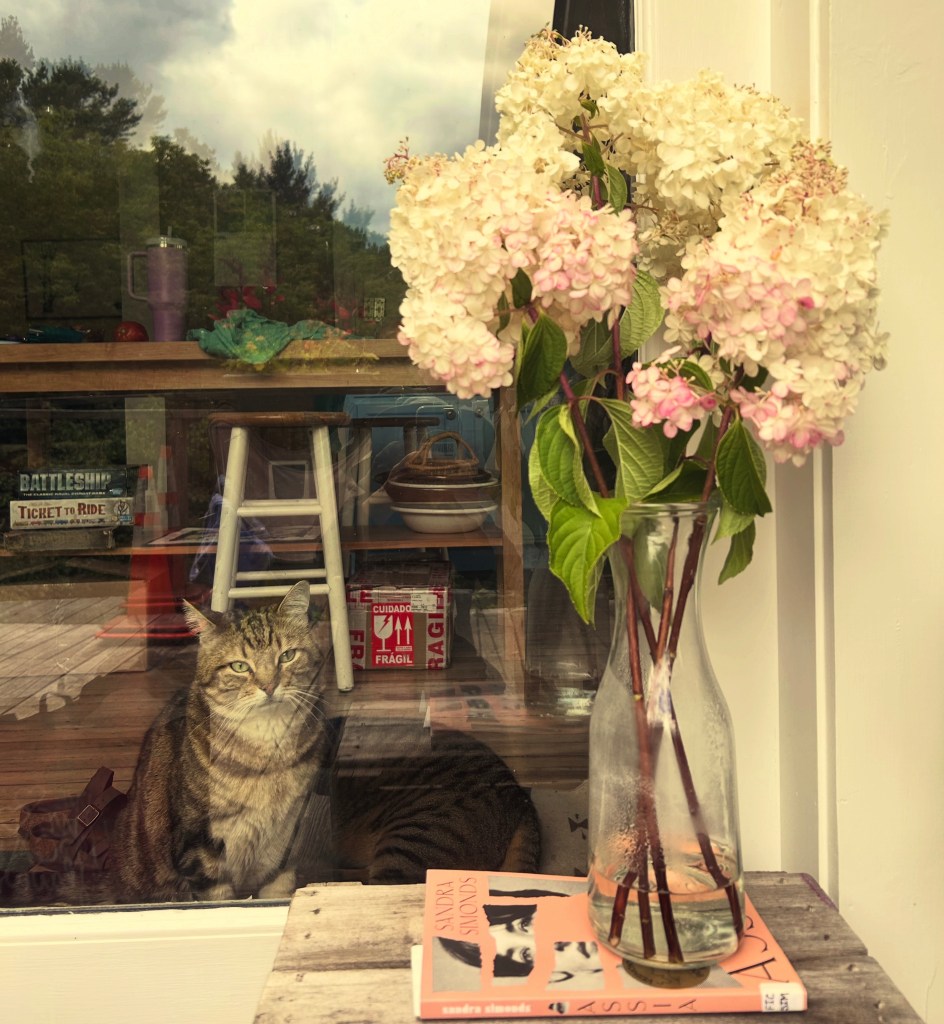
It’s a harvest full moon night, diminished by the eclipse and then returned. I sleep with the windows wide open, the moonlight on my curled cat who’s sleeping in his own cat way, more dream than rest, busy at his own cat magic. Here, too, I can hear the traffic on route 15, coming and going, going and coming. At 3:30 a.m., the traffic stills. The tree frogs sizzle on.

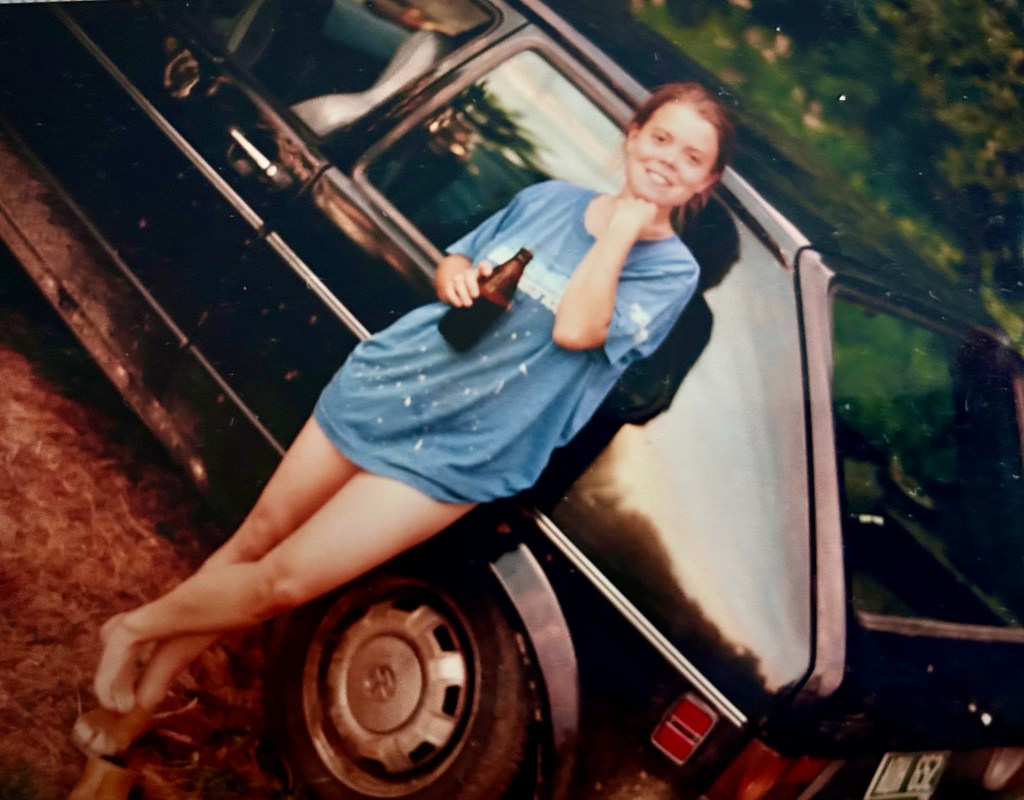
As a girl, we traveled summers in a green jeep and slept in tiny nylon tents. Waking in the night on those cross-country trips, I’d hear the interstate. So curious I was to know where everyone was headed. I repeated all that again in my hungry twenties. For a summer, we lived near the river in St. Johnsbury, Vermont. Every night, the train whistle bleated mournfully, passing through. Here I am now, in my fifties, lying awake, listening. The scent of the grass I cut that evening drifted into our house. In the moonlight, my cat lifts his head, questioning. “We’re here,” I counsel, “all’s well.” He tucks himself back into his curl. The moon and the frogs keep on. A milk truck rumbles by, pushing us towards day.

Mechanic talk….

The garage I use wasn’t flooded this summer — the river simply swiped away the owner’s land in back, a great chunk, along with his plow truck and two customer cars. A few weeks later, I stood on a bridge, watching a towing company winch the truck free from the lowered river. For weeks, the two cars remained nearly submerged in a muddy wetland along the riverbank, badly beaten. Then one day, the cars had vanished, too.

Friday morning during what suffices as rush hour in Hardwick, Vermont, I park behind his garage. The three bay doors are open. We stand talking for a bit in the shadows of his garage, the autumn sunlight filtering through the great oak trees his great-grandfather had planted along the river, a few lifetimes ago.

I’ve been coming to the garage for years, from the crazed put-on-your-snow-tires season to this kind of September morning where we stand, in no rush, watching the parking lot dust drift in the honeyed sunlight. Curious, I ask about the town’s plans for the river tumbling so near to what remains of his back lot. In these dry autumn days, the river’s low, sunk among the rocks and boulders strewn by July’s flood.

He says simply, A lot of talking, many plans.

Last July, the bank where a motel was built was swept downstream, turned into silt, gone elsewhere. The town owns the property now. The mechanic tells me that people visit every day, fishing or wandering or simply enjoying the river sparkling in the sunlight. Weekends, families picnic.

Much later in the evening, as the moon hangs its three-quarters lamp in the clear sky, I wander there, too. The land slopes down gradually to the river. When the floods come again — and of course the floods will return — the water will rise here, stretching over Joe Pye weed and asters.

Along the river, the oaks and maple leaves splash gold and orange, early change. End of the summer, with its troubled river and kids on the banks, flying box kites.

Two autumns…

I leave the garden to do its final hallelujah of the season, the tithonia and sunflowers and cosmos fraying now, the basil still slipping into my cooking pot. September 11, the morning I stood in my sun-filled kitchen watching my toddler tricycle around the table, listening to public radio and wondering what was happening. My youngest was not yet born. Now, 23 years later, my daughters and I text during the debate. My cats are curled at my feet, in their usual, wise cat-disdain way, thinking their feline thoughts, savoring like any smart creature the warmth from the wood stove.

On my evening walk, I meandered the long way home. A half moon hung in the sky, sweet as maple pudding, so near I imagined I could reach out and lay my fingertips on its smooth sheen. Early autumn. So much more to come.

for me going

for you staying—

two autumns

– Buson