I met a friend yesterday, and we took a walk we’ve journeyed in various seasons — in bright green spring, in the summer when we admired flower gardens along houses. Yesterday, we walked through frozen mud ruts and sprinkles of rain, the jumbled up season and time of where we are.
On this New Year’s Day, I’m passing along a VTDiggerstory written by Kevin O’Connor about a Vermont couple’s 4,000 World War II letters. A history lesson and a love story — isn’t that what we need right now?
My daughter gets her car inspected, but the mechanic has no inspection stickers. The stickers aren’t here yet, he explains. She texts me this, asking, What am I supposed to do?
Nothing, I answer. The stickers will come in when they come.
That sums up a strand of 2021 — there’s plenty more to this year, oh, boy, is there plenty more — but doing nada is definitely a 2021 strand. I’m not much for new year’s resolutions. I’m a compulsive list writer, and I tend to get a chunk of the stuff right before my eyes done. But there’s rain forecast for New Year’s Day when a deep freeze generally sets in. The world around us is unraveling.
This afternoon, I drove to the high school to pick up a rapid test for my daughter. The health department had taken over the parking lot with orange cones and bright vests. The tests were gone, of course. I talked with the health department employee for a few moments. He raised his hands, palms up, to the twilight settling in.
We commiserated about the strangeness of March weather in late December. Then I drove around him and headed home.
Someday, maybe I’ll look back at this photo of my daughter on the Christmas she was sixteen…. goodness, what will I be thinking then?
In the late afternoon, I ski up through the woods to where the farm fields meet the forest in two strands of electric fence. The fence is off now, and the fields are empty of grazers, save for the odd crow that picks in a bare spot. The day, although not sunny, has warmed, and snow clumps on my skis. The skis need waxing, which I haven’t done. Instead, I take the skis off and shoulder them, and walk down the trail through the few inches of snow.
These days, I’m working hard, the outside world coming at me in a fury. In the evening, we play cards. I’ve picked up a copy of a Mark Sundeen book that reminds me of my idealistic youth and a happy summer we spent in a tipi. The circumstances have changed; the world has changed, indeed, since my wild twenties; but the questions are the same.
I take the long trail back home through the woods, despite carrying my skis. At a stream, I stop. The ice hasn’t yet completely skimmed over the rocks. I pull off my mitten and dip my fingers in, the water so clear and cold.
How can a man hope to promote peace in the world if he has not made it possible in his own life and his own household?”
Christmas Day, in a light, almost-a-cold-mist rain over a few inches of old snow, we took one of our favorite walks in Greensboro, on Nature Conservancy Land at Barr Hill. Flanked by old sugar maples, the path goes through former farm fields and among 19th century stone walls. So this walk feeds my desire for history and also for the cold rawness of today in our faces. We meet not a single soul, not even a crow.
At the top, the view is obscured by clouds, the lake with its summer pleasures of kayaking and swimming occluded by winter.
We may be at the edge of the world, but what does that mean anymore? In our family, we’ve had both wonderful and terrible Christmases. As we drive, we say, remember the time…?
On Christmas evening, we drive, my teenager at the wheel, in search of colored lights. I keep my own entirely adult cynicism to myself, my snarky thoughts about the crumbling American Empire and how long will the boondoggle of electricity keep flowing for us. Instead, I tease my oldest daughter about her headlights. Are the headlights even on? I ask.
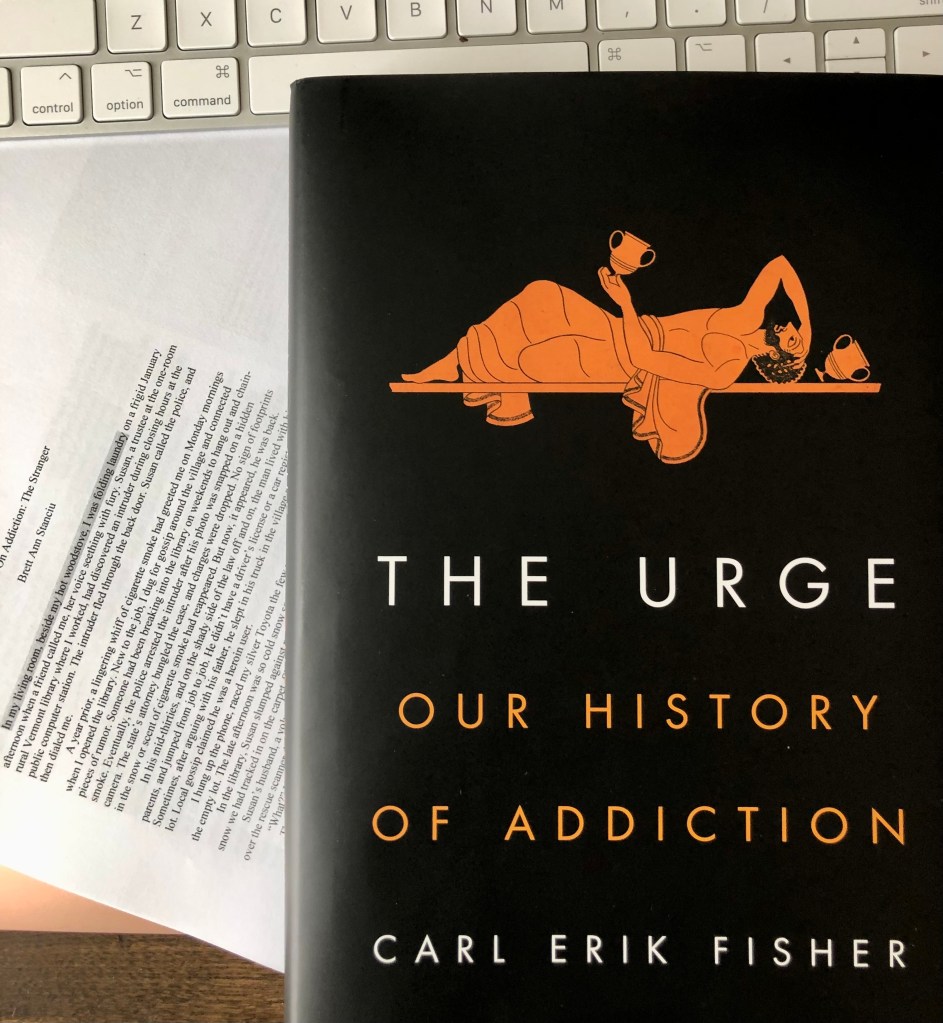
In my book interviews, this fall and winter, I’ve repeated over and over, that, by happenstance, each of us arrive in a time and place. The few us walk a downtown street, beneath glowing lights. We pass a gleaming white BMW, its engine running, no sign of a driver. A little further, I stop and read a sign at a creche, acknowledging the small figurines are on unceded Abenaki land.
The rain keeps falling in little bits. The youngest navigates us home, through mist and darkness, despite the poor headlights.
(And thank you, Barre Montpelier Times Argus, for the great interview.)
When my first daughter was four, my mother gave her a babydoll that I had when I was little girl — Baby Tenderlove — which my daughter promptly shortened to Tendy.
Tendy, by the time my daughter carried her around, was ratty-haired, bald in places, forever dirty, and generally well-worn. My daughter was a single child then, and Tendy morphed into the desired baby sister. Tendy inhabited a unique imaginative place in her life. One afternoon, I was driving through Montpelier when my daughter insisted I pull over now, Mama! as I had driven by Tendy who was allegedly walking on the sidewalk. Without thinking, I pulled over, open the passenger door, instructed Tendy to get in please, and buckle up.
Our household is no longer in the realm of little kids, and yet this imaginative world has spread to our cats now. One is in a PhD program, writing a dissertation on epistemology, while the other is a lifer in preschool. Both enjoy a fresh toy mouse.
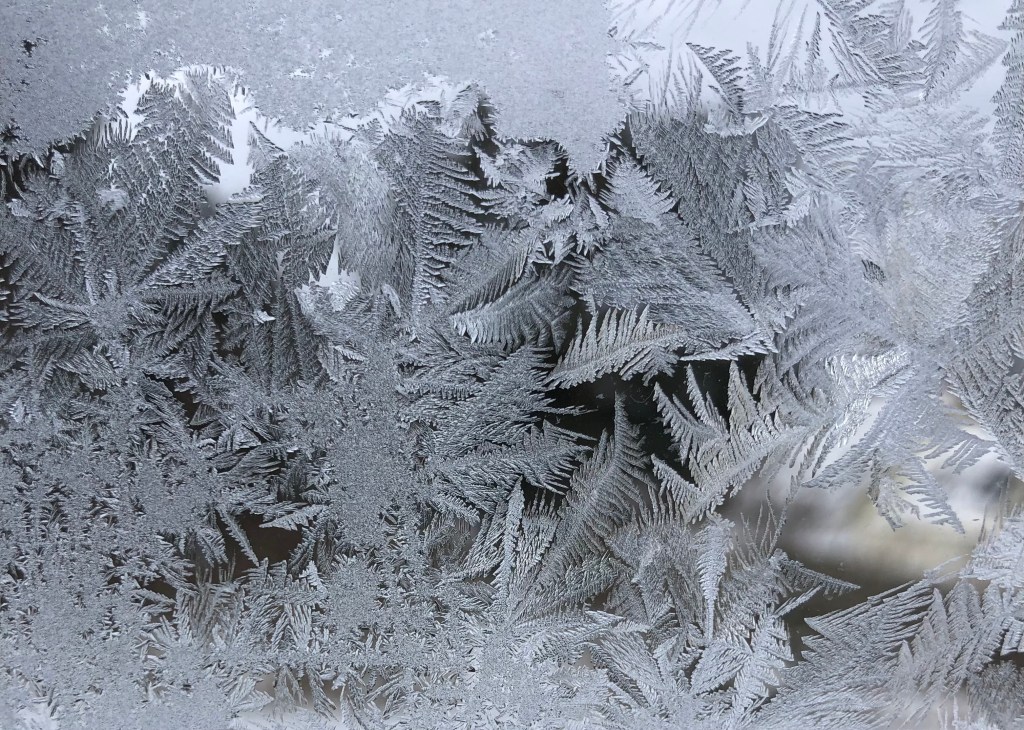
….. The cold hammers in around us. I hope you’re all warm, wherever you may be.
I’m sitting on the little coffee table a friend and I picked up in a free pile a few summers ago, watching my wood stove rekindle through the glass and talking to my father on my little phone. There’s this forty minute window before my daughters return from work with stories of their days. Cauliflower and potatoes are roasting in the oven, and we’re talking about all kinds of things, like this incredible novel Let the Great World Spin.
Because my father and I talk about things like this, we talk about suffering. The fire suddenly flares up, and does its beautiful wave thing through the pipes in its top, rippling in waves and emanating heat into our house. My cat rubs against my feet.
In an everyday epiphany, this great world spins around me, and I’m abruptly released from the pandemic and from the imminent holiday itself — so complex, so multifaceted, in a culture driven to the reductiveness of images and consumption.
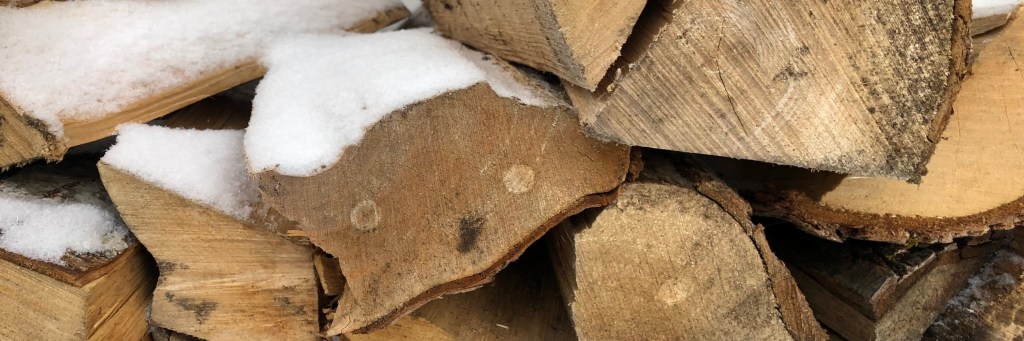
I see the logs I’ve split from a fallen tree, consumed by flame, transmogrified into heat, and headed as ash into my garden. For this moment, I remember all those cold winters in our other house, and how blessedly happy I am that I bought this stove, and I live in a house with yellow walls, with two daughters, two cats, and all the tangledness of our lives.
That forty minutes is irrelevant. It might be ten minutes, or six hours. There’s just this moment, my father talking about Homer and Socrates, these stories that have followed me all my life.