A Single Branch, Two Blossoms

All day, I was working in Burlington, and when I stepped out, I saw the lake just down the hill, a blue glassine surface on the other side of the rail yard.  Late getting home as I was, I ran across the parking lot and crossed several rail lines to stand there for a moment and admire the water and a seagull pinwheeling over my head, and all that gorgeous sun on my face.

Lake Champlain, sacred waters of the Abenaki, polluted now, subject of wrangling in the legislature and funding arguments, fingers pointing every which way.  Yet the lake, her waters dirtied by us, laps on with her work, no doubt wiser than all of us.

Driving away from Burlington, leaving the choked lines of idling traffic for the lesser travelled highway heading toward Hardwick, I thought of that lake and that seagull and all the tangled power lines I stood beneath and the pavement, stretching on and on…..

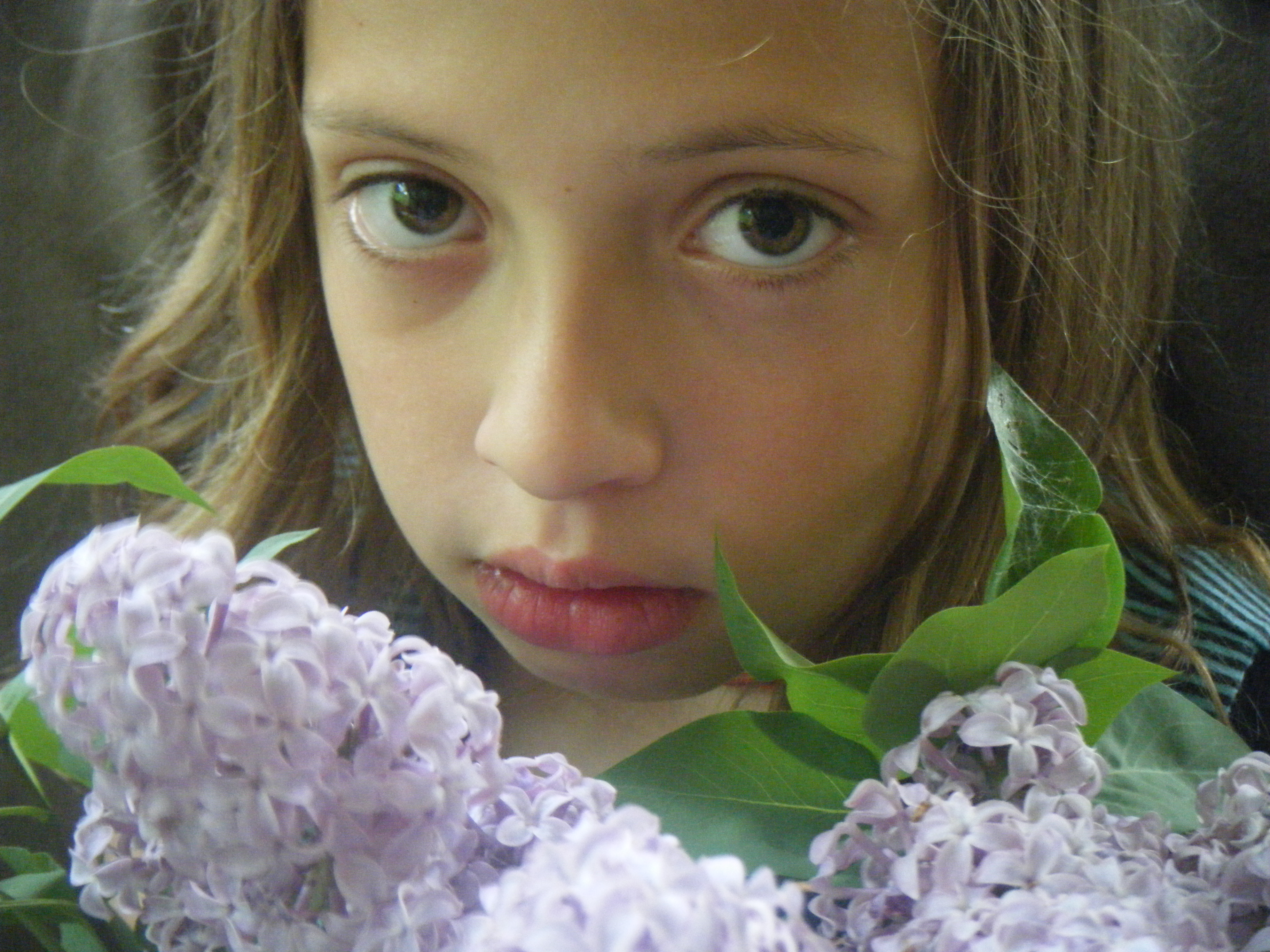
When I was about my older daughter’s age, I first read Viktor Frankl’s Man’s Search for Meaning, a book about his horrific experiences in the Nazi death camps.  One of the most stunning scenes is of a young woman about to die, who sees through a window just a single branch of a chestnut tree and two blossoms.  She tells Frankl the tree is her only companion, but she is quite cheerful and resigned to dying.  The tree says to her, “I am here — I am here  — I am life, eternal life.”

Often I’ve thought of this young, nameless woman, whose fate in her earthly life was cursed.  Today, surrounded by Vermont’s summer plenty, I thought of her again, and her portion of a single branch, the two blossoms, a savage death upon her.  In times of my own meager despair, I’ve returned to her, holding the woman’s words like a talisman, a shining beacon, her bravery resplendent in the ugliest possible world.
DSCF9932

Both Tool and Weapon

We must be gleaners from what life has set before us.

— Elizabeth Alexander, The Light of the World

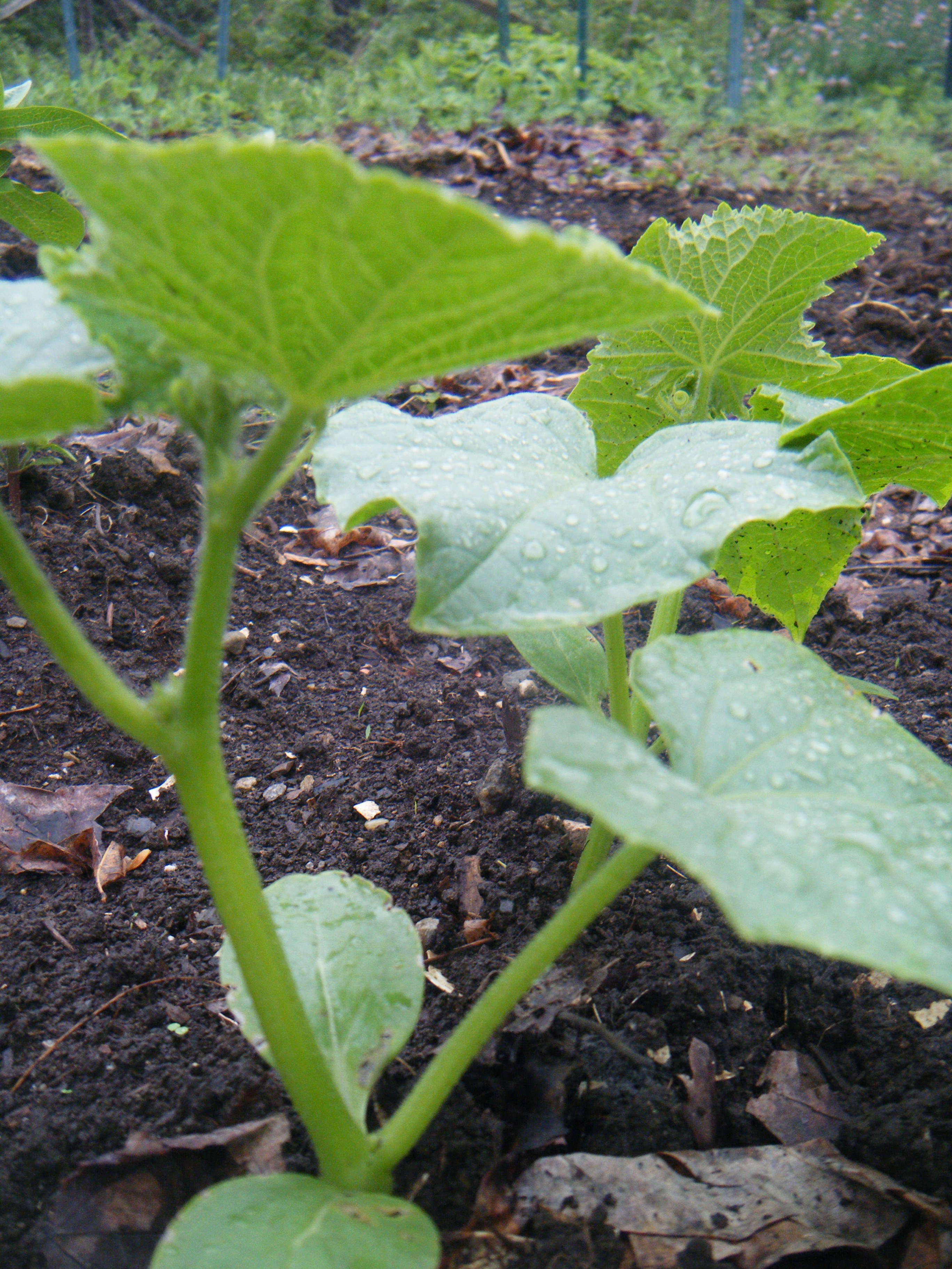
From the garden, I gleaned a basket of spinach, cooked it with garlic and tamari, and ate it with my older daughter.

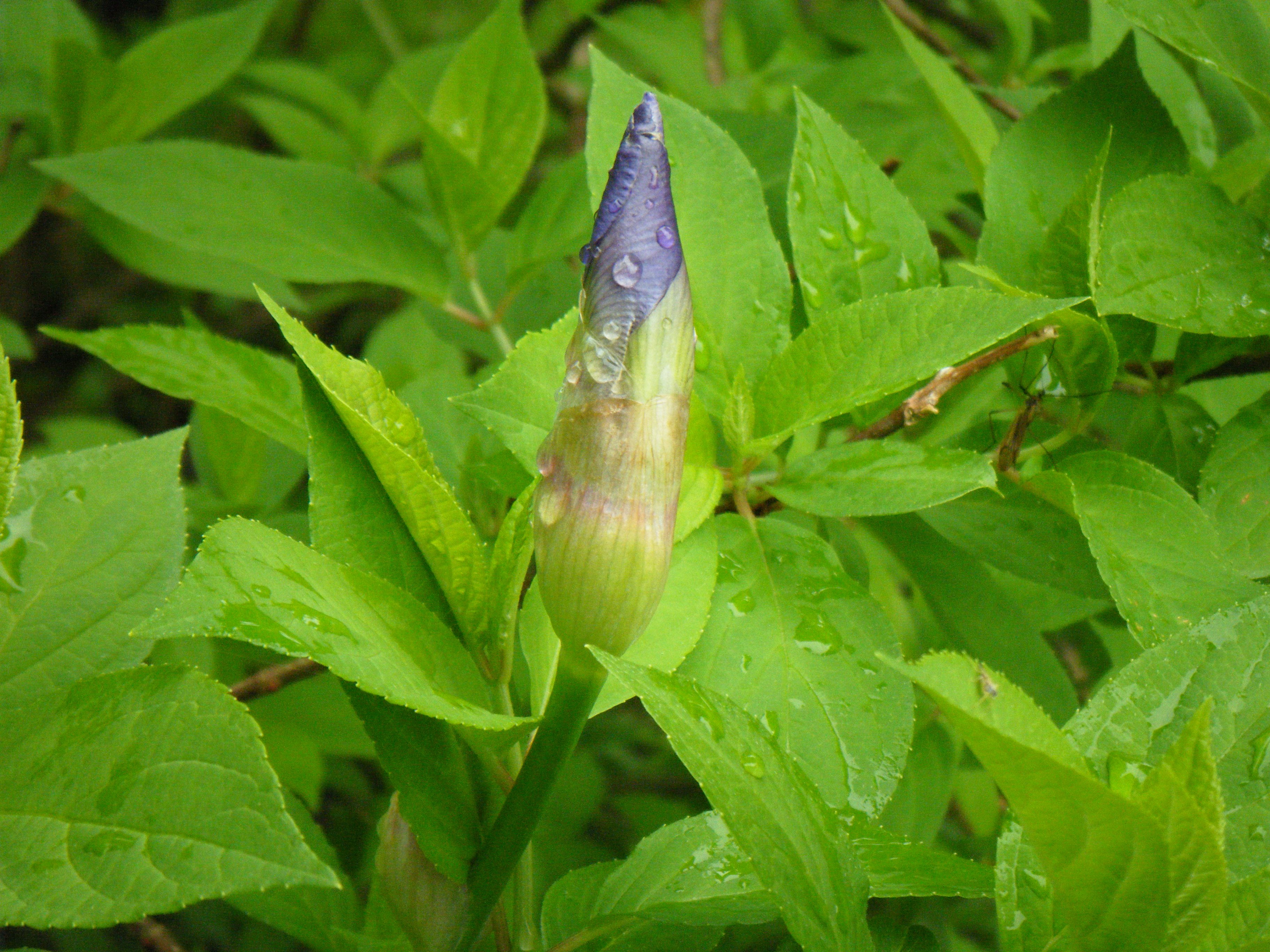
Gleaned:  the irises are blooming.  The asparagus beds I planted two years ago I let go wild, and the plants are taller than me, a veritable forest in three rows.  I found a sliver of white quartz, rain-washed, in the bed of sugar peas.  Ragged robin is smeared through the fields along the highways.  Nubs of apple, no larger than marbles, grow on the apple tree before the kitchen.

This morning, I woke thinking of an NPR story I heard a few years ago, told by a man who taught in a prison.  One of his students, a close-mouthed fellow, once blurted an ax can be “both tool and weapon.”   One of the other prisoners inquired, Is that why you’re in here?  Because of an ax?

Both tool and weapon, tool and weapon.  Quartz can be tool and weapon.  My neighbors’ garden is rife with lily of the valley, a killer poison.  Writing can be tool and weapon.  And ourselves, our own fertile inner lives?  Both tool and weapon, tool and weapon.

What stroke of luck —
hawk spied above
Irago promontory.

          — Basho
DSCF9933

One Rainy Day

One of the interesting things about having kids is you get to listen to music you would otherwise ignore. Would I have realized there’s a whole world of music out there, further down the dial, if I didn’t have daughters?  Not likely…..

Some of this music is just darn hot, some not so.  But if you’re driving around with the radio on to the general pop station, one thing you quickly realize is just how blasé a lot of this stuff is.  The dynamic range doesn’t exactly knock your flip-flops off.

Without trying to be what the younger members of my household would call “a complete dork,” I’d like to single out a currently very popular song that exhorts girls not to try particularly hard to prettify themselves for the male gender.  Obviously, I agree in spades on that one (hair brushing has never been my forte); however, I can’t help but object to the flip side of this advice, which encourages a kind of passivity for girls.

One thing Maureen Corrigan’s Gatsy book illuminated for me was just how darn hard Fitzgerald worked at his craft.  Perhaps because I’m a rural Vermont mother, I’m not a Tiger Mother who’s determined to get her children to succeed at mathematics and writing, Latin, violin, the breaststroke, classical piano, ballet, tap, drama…… with the unshakeable goal of attending Harvard Law School and presumably buying an island or two in the Mediterranean, or something along those lines.  That aspiration is commerce driven.

While Fitzgerald undoubtedly wanted to keep feeding a bank account that persistently slipped through his hands, and he certainly wanted to sell books and garnish accolades, his sense of craft must have been an entirely different passion.  To write that hard and that beautifully can surely only spring from a passion for writing in itself.  Poor Fitzgerald, whose life didn’t end very well; a life, admittedly, that traversed the whole dynamic spectrum.

About a hundred years ago, my undergraduate thesis advisor, when I complained that I couldn’t possibly work on the darn thesis anymore, ever again, told me to go back and work some more.  Someday, he told me, you will write a book, and you’ll believe you can’t  keep writing it, and yet you will.  That piece of advice has stuck with me like a piercing all these years.  That admonition contradicts our often far-too-Hallmark-card culture, where tepidness and blandness predominate, spiced up with a little bit of sex, a little bit of anger, but not too much.  Pursuing creativity will inevitably land the pursuer in the realm of too much or too little, out of the median and out of the norm.  Yet, what’s the trade off?  Is the middle a vacuum?  Or, to arrive at the middle and remain there with happiness, is it necessary to schlep up some mountains, and stumble through some soggy valleys?

On that wet note, it’s been a cold rain here for two days.  In “Home Burial,” Robert Frost remarked on human creation:  Three foggy mornings and one rainy day/will rot the best birch fence a man can build.

DSCF9928

Watering in the Rain? What?

This cold and rainy Sunday morning, I was in the hoop house watering tomato plants when I saw a wild turkey picking its way across our small field.  The field, recently harrowed and seeded with peas, was mucky from a deluge the night before, so the turkey lifted its feet in the turkey’s funny variation of high-stepping.  With its long neck and tail, it’s a lot of bird.  After a few seeds, the bird, apparently alone, disappeared into the woods with its already lush fern undergrowth.

While the turkey was going about its meal gathering, I appeared to be doing an essentially crazy thing — watering in wet weather.  And yet, I’ll continue to do so, for reasons that partly make sense to me.  It’s that “partly make sense” aspect that often seems to jam up human life.  On the one hand, I want the tomatoes, and this is my experience of how most effectively grow tomatoes in my patch of Vermont; on the other hand, watering in the rain is just plain nuts.

While I would never describe myself as a relativist, one of the greatest appeals of literature is the way writing explores that edge, that nether realm between the hard shores of certainty.

My ten-year-old recently determined, with the assistance of a teacher, that she is precisely the right height for her age.  She informed me of this conclusion while brushing her teeth that night, in her practical and pragmatic way of looking at the world:  here I am, exactly where I want to be.  Her sister scoffs at this kind of knowledge — why would you believe numbers? you’ll either grow or not — but my younger child sees a validity in numbers her sister does not.  My older daughter tends to view the world as wildly awry with the vagaries of fate, but to my younger daughter, the world is dictated by precision and certainty, and I could see the succor she justly took from that knowledge.   Her fears that she will be very small (like me) were mitigated by this calculation.  Each of my two children, blood sisters, has a radically different method of mapping and understanding the world.  Neither of these would I at all disparage; they are both genuine ways of understanding, albeit diametrically opposed.

Yet — can I generalize? — by adulthood those shores of certainty are often shaken, if not downright abandoned.  In what way will we know the world?  What will serve as our compass in troubled weather?  I see literature as precisely that compass, a complex and sometimes incomprehensible tool, a map, convoluted at times, to get us out of Tom Sawyer’s cave.

… the evening the kingfisher fell… I held
(it) in my hands,
I touched its blue power.
That may be the only time
I ever do so.

What I held was more precious
than handfuls of money.
If I could have restored it
to wind, I would have.

What to do
with the wild pain?

…Give it back,
all of it, and go home.

“Kingfisher” in A House of Branches, Janisse Ray

DSCF9927

Early Corn

When I left the hospital ten years ago with my newborn daughter, June had arrived while I spent those days in the birthing center.  Every day that May, it had rained, cold rain and humid sticky rain, all day rain and brief passing showers.  Every variety of Vermont rain had stormed that month:  a rainy season to cap a pregnancy that, by its end, I felt near to drowning with its effort.  Walking up the stairs, I had to linger on the landing and gasp for breath.  Sleeping, I startled wake, choking for air.

But when we left, we drove past black-soil farm fields freshly plowed.  In regular furrows, early corn had sprouted during those few days of my confinement.  The pregnancy over, my healthy and whole infant in my arms, I was jubilant, and the earth herself appeared rapturous.  That summer proved especially dry and hot.

On this Memorial Day, May 30th, a day of sadness beyond sadness, here’s a David Budbill poem from Happy Life:

Early June

Hard rain all night
morning rags of mist
hang scattered
between the
blue-green hills.

photo by Molly S.

photo by Molly S.

Sailing

Just about ten years ago, I gave birth to my second child.  Like I imagine death, birth is a sacred space, and by that I mean nothing with a blue aura and a mandala on the wall, but a space that is wholly out of secular time.  When I labored with my first child, I had to travel so far to get her.  The geographical map of her birth was only a few rooms, but the journey for her to arrive in my arms, squalling and ruby-lipped, was beyond measure.

As my daughter begins traversing her own female journey, I tucked in a poem among her treasured birthday cards.  This poem has the quickness of a child, coupled with maternal blessings.  Poetry, in its own sacred territory, is a litany to murmur in the soul’s dark night, a comfort and conjoining between people, a radiant gift to offer a beloved child. Here’s Lucille Clifton:

blessing the boats
(at saint mary’s)

may the tide
that is entering even now
the lip of our understanding
carry you out
beyond the face of fear
may you kiss
the wind then turn from it
certain that it will
love your back
may you open your eyes to water
water waving forever
and may you in your innocence
sail through this to that

DSCF9904