The Haunting Hermit Thrush

Every so often, I think of pulling up my modern version of tent stakes and lighting out for new territory.  What would I miss?  A house I seem incapable of heating for much of the year?  A summer that’s been rain, downpour, sheets of storm?  A road nearly impassable in mud season?  Black flies?  Maggots in the brassica roots?

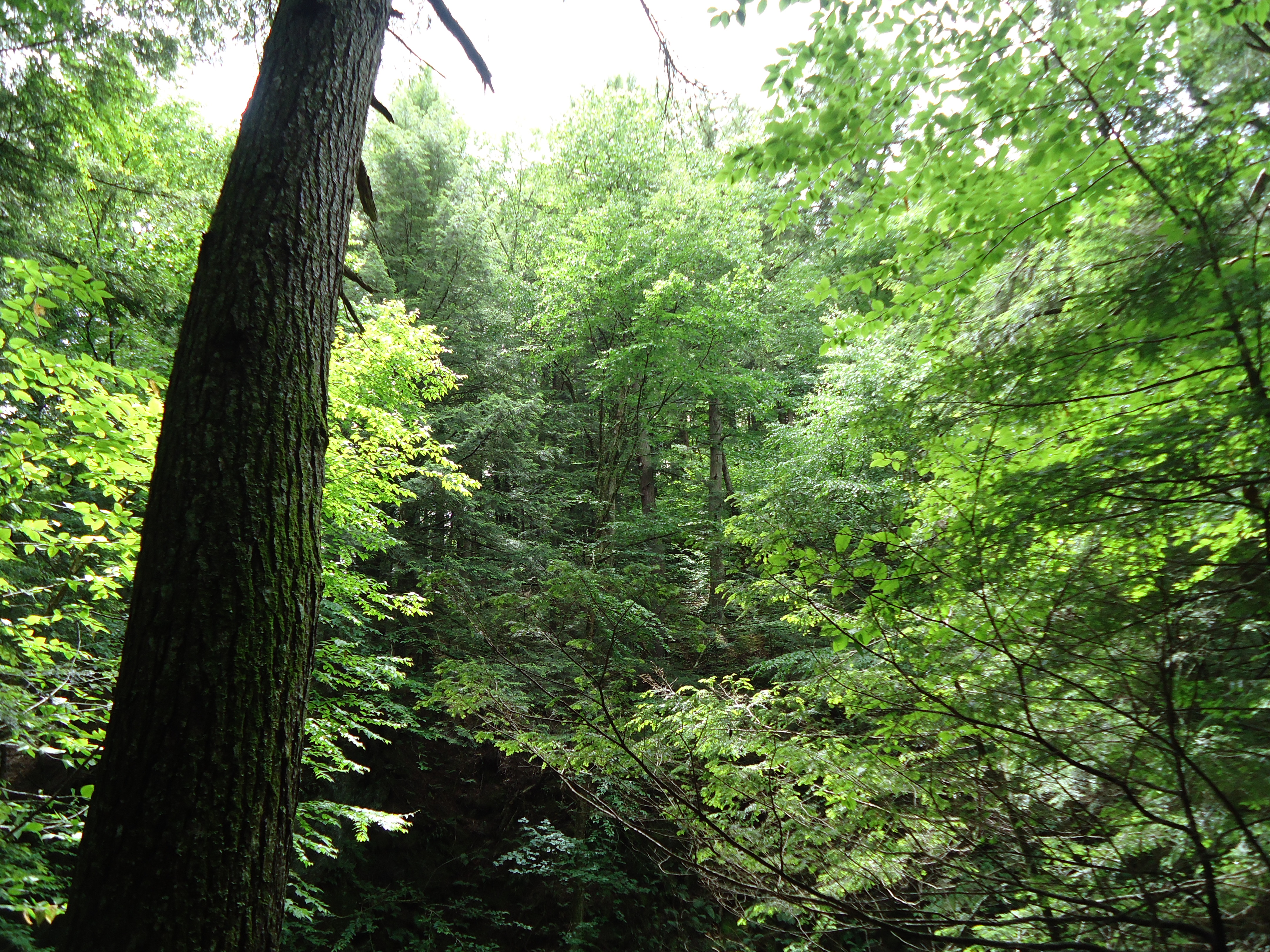
Walking down to the mailbox today, I realized I would miss the pure, haunting melody of the hermit thrush, this tiny, unassuming brown bird.  The hermit thrush is a forest bird, not a bird feeder creature, and not inclined to appear in a suburban backyard.  For just a brief bit of the year, the forest around us sings with its loveliness, an auditory treasure.

… we drop everything to listen as a
hermit thrush distills its fragmentary,
hesitant, in the end

unbroken music.

Amy Clampitt

DSC00929

R-E-S-P-E-C-T

Coffee this morning with my ten-year-old, while she ate cereal.  I was writing a list for the today and listening to music on my laptop, when my child suddenly burst out laughing.  “I basically know this song by heart!  My teacher loves it.”  Aretha Franklin:  R-E-S-P-E-C-T.  I laughed, too.

Respect.

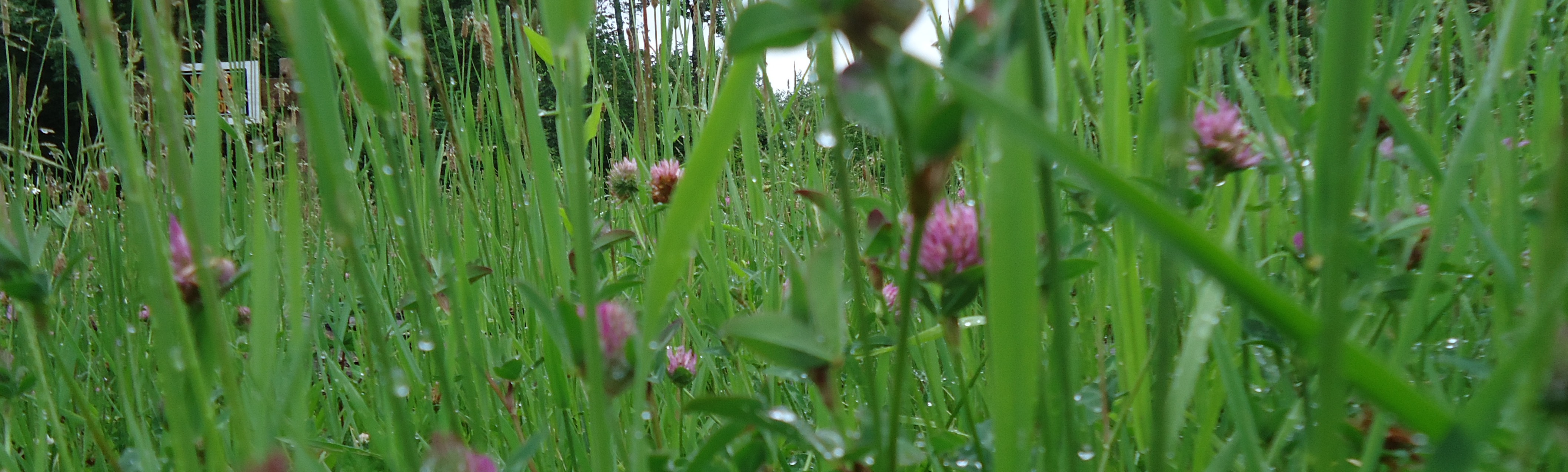
I acknowledge today, in full respect of their great strength and prickliness, the wild raspberries are winning the garden battle.  In particular, crouching under the mighty asparagus, weeds of all tenor and tenacity — clover, smart weed, invasive buttercup — are thriving.  I knew, going into the summer and facing more work hours and one less mouth to feed, that I had to scale down in some way on a garden already about as large as I could handle.  I’ve cover cropped a few beds, planted potatoes that are about the easiest things to grow, and maniacally mulched.  Nonetheless, areas of the garden are wholly lacking joy.  It’s problematic, for instance, to let your fence fall down in deer territory.  While I feel convinced, in my female household, that the girls and I are holding things up, there are times when a few hours of male labor would shore things a little straighter.  Is it really a solution to let wild raspberries become my garden fence, in a strange rendition of the sleeping beauty fairytale?  Where’s the line between winning the battle, being pathetic, and getting along?

So, that single word stayed with me in the garden – respect – while I pruned the tomatoes and thinned the corn and stood staring into the woods, eating peas in their tender shells.  It’s easy to respect those I love, but difficult to muster down deep any kind of affinity for those who tear at me:  the raspberry canes, for instance, and the far more wicked and intrepid blackberries that have punctured the soles of my shoes.

My daughter and her friend came to find me, wanting to cook dinner outside.  I lifted my shirt from the ground and pulled it on.  In one sleeve, on my bare and dirty arm, I touched a slug.  Repulsed, I dropped the shirt.  Then, while the children ran off on their project, I knelt and, with one finger, extracted that brown slug from my shirt, a gelatinous, clammy creature.  I carried it outside the garden and laid the fat thing in the ferns.  My fingers were smeared with a brownish-yellow stickiness.  The slug inched its way, painfully slowly, beneath the fern and disappeared.

SLUGS

Who could have dreamed them up? At least snails

have shells, but all these have is—nothing…

– Brian Swann
DSC00915

Daughter, Words

My teenage daughter and I had a long drive through Vermont today.  Don’t laugh — I know Vermont’s a small state, but the roads bend all around these mountains.  She’ll be at an art program for two weeks.  Driving, we listened to a CD my dad had made, a sixties mix of music for a class he’d taught.  As we followed a swollen river, my daughter suddenly asked, “What music is this?”

“The blues.”

She listened, then said, “I hate the blues.”

I laughed.  Old spirituals?  Who could listen to those?  Things picked up for her with the Beatles, but she kept flipping the case around in her hand.  The name Lead Belly?  What the heck?  Like the line in a Carver short story, my daughter is a long tall drink of water. She’s funny and smart, and lovely and prickly in all kinds of ways.  Driving through that rainstorm, in this summer of so much downfall, I felt my own version of the blues hammering down on me; perhaps it’s the place in my life right now, in these tempestuous forties, but so many people I know are singing the blues.  Looking at my daughter from the edges of my eyes, I didn’t bother to remark that someday she will be riding her own vehement blues, through that particularly human experience of grief, and unfulfilled longing, and desire all churned up in a maelstrom.  But not too much I couldn’t help wishing; enough of the blues to render the sweet genuinely savory, but not so much to twist and distort my girl, this fine and good young woman.

All the way there, we talked, talked, talked.  On the return trip, I followed the Mad River Valley, and then crossed over the mountains in a misty rain, with only my poor self for company.  Not until I was nearing home did the rain cut back and the clouds lightened to mere rags of mist.  I took a slightly different road, along Stagecoach Road, where the farm fields spread green as giant sheets of emeralds, with great pockets of black mud. On my way to work, I will be back soon enough, tracing this path around Elmore Mountain, noticing whether the fields have dried, remembering the masses of apple blossoms this May and looking for signs of fruit fattening.  But all the while, I will be wondering what stories my daughter is gathering and how she will eagerly tell me, You really won’t believe this! Until then, how much I will miss her laughter.

the world … was not enough for (my mother) without me in it,
not the moon, the sun, Orion
cartwheeling across the dark, not
the earth, the sea–none of it
was enough, for her, without me.

— Sharon Olds

DSC00916

Love Letter to Walden Pond

Just before noon today, I arrived at my daughter’s soccer camp a few minutes early and picked up Walden where I had left off, at “The Ponds” chapter.  As it was the last day of camp, the session went late, and I sat on the grass, watching the kids circled on the grass around their coach, saying something I could not hear at all, only the laughter in their voices.  From where I sat, I saw the mound of Buffalo Mountain, a dark blue against the lighter hue of a cloudless sky.  This summer’s been a stellar one for butterflies, and even in this chiefly grassy stretch they were busy, the honey bees working, too, on the clover.

Thinking over these pages, I realized this chapter is a lyrical love letter to Walden Pond, an homage to her loveliness, this common pond, the miraculous universe reflected in this patch of water.

Walden is blue at one time and green at another, even from the same point of view. Lying between the earth and the heavens, it partakes of the color of both. Viewed from a hilltop it reflects the color of the sky; but near at hand it is of a yellowish tint next the shore where you can see the sand, then a light green, which gradually deepens to a uniform dark green in the body of the pond. In some lights, viewed even from a hilltop, it is of a vivid green next the shore. Some have referred this to the reflection of the verdure; but it is equally green there against the railroad sandbank, and in the spring, before the leaves are expanded, and it may be simply the result of the prevailing blue mixed with the yellow of the sand. Such is the color of its iris.

DSCF0028

Peony and Walden Pond

I began this blog with the concept that writing matters, and matters so much it’s bone marrow deep.  In these initial few weeks, I’ve written about living in Vermont and what I’m reading.  Have I amused anyone but myself?

These nights, I’m rereading Walden, a book whose spell I first fell under as a high school sophomore.  This reading around, in my forties, Walden‘s lyrical craft re-amazes me, while pushing the limits of radical anti-capitalism.  Any anarchist worth that word should be pencilling up these pages.  Further, I also see how deeply this book  — through my own novice reading — shaped the physical construct of my life.  Perhaps I was naturally inclined to living in rural Vermont; certainly, Thoreau strengthened that inclination.  I am certain the experiences of many others would concur.

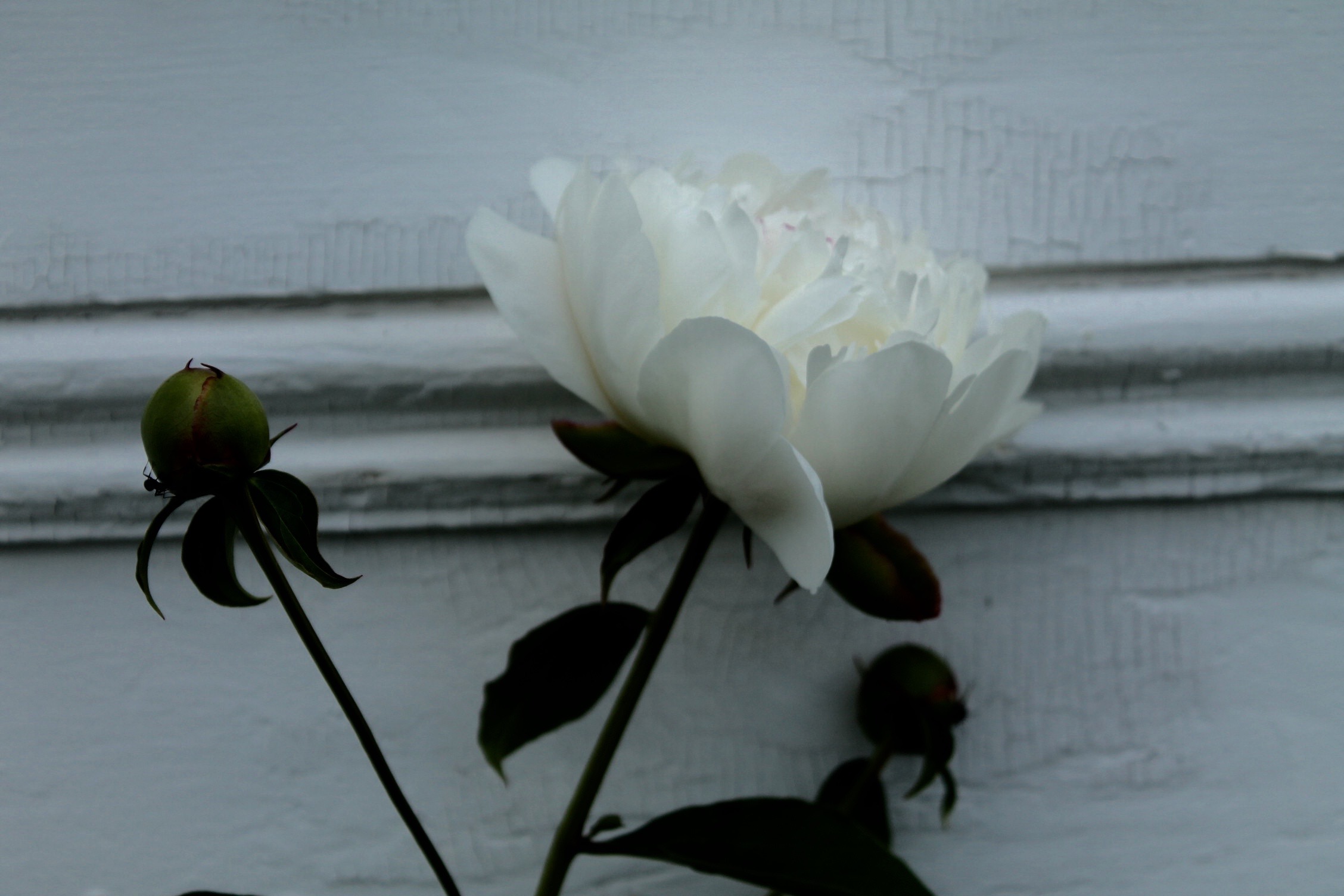
This photo below I saw on my daughter’s laptop and asked for a copy.  She said, No, that’s not so good.  What do you like about that?

What I like is this:  this is a photo of extremes — rocky and fragile, crazed paint on an old house behind just-opened petals, and a great deal in between.  Isn’t that a portrait of Thoreau? Aiming for the core of living — bitter or not — seeking the sublime, and, between all that, eating a woodchuck.

Be it life or death, we crave only reality.  If we are really dying, let us hear the rattle in our throats and feel cold in our extremities; if we are alive, let us go about our business.

Photo by Molly S.

Photo by Molly S.