Shadows

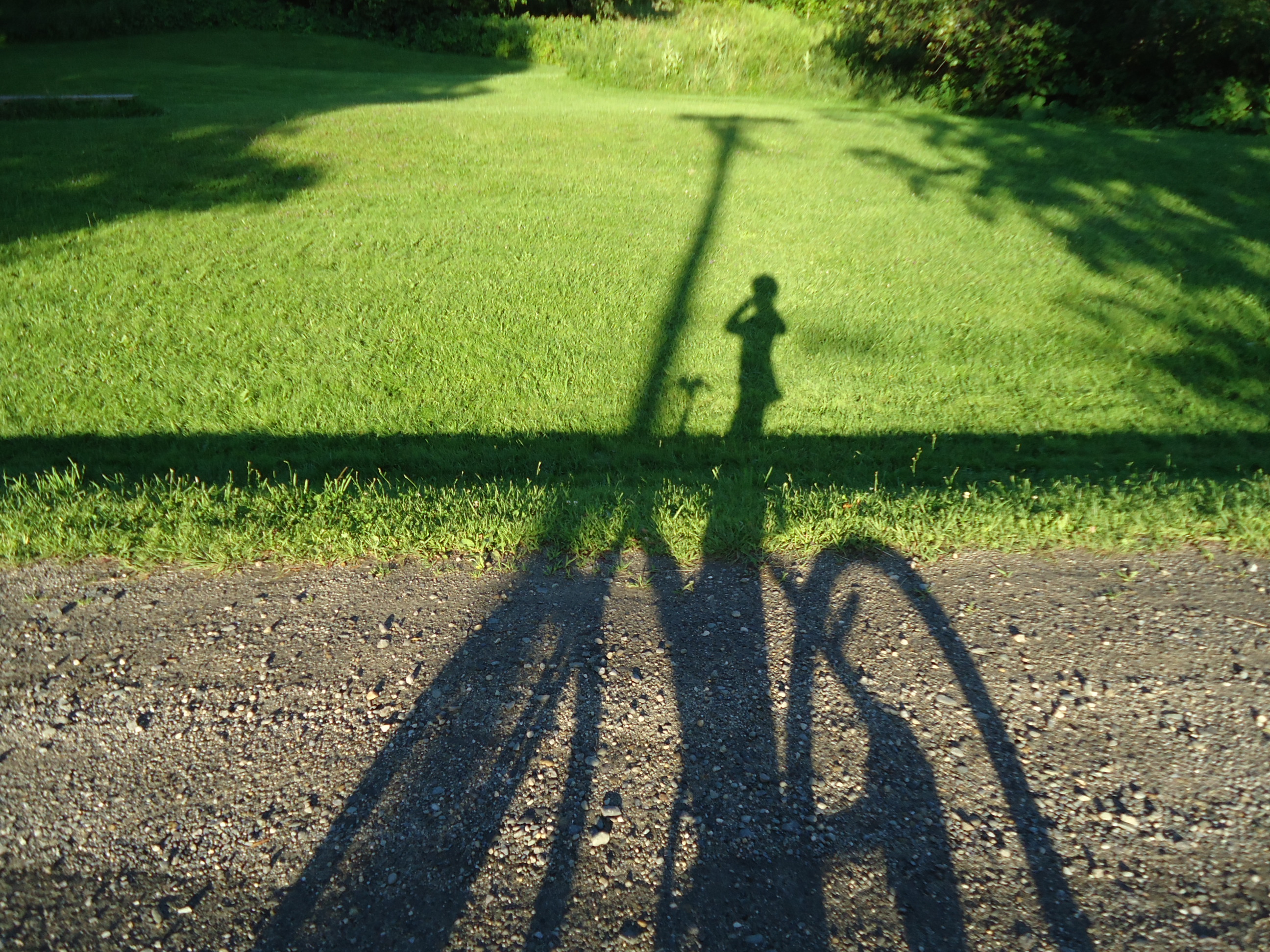
July has reached the point where it’s tipping into August, early summer already flown past. Biking with my daughter along the road last night, I felt the shadows’ coolness, their dimness harboring a deepening darkness.

Nonetheless, growth roars on, the elecampane blooming way up there, above my head.

WITHOUT

we live in a small island stone nation
without color under gray clouds and wind
distant the unlimited ocean acute
lymphoblastic leukemia without seagulls
or palm trees without vegetation
or animal life only barnacles and lead
colored moss that darkens when months do
hours days weeks months weeks days hours
the year endures without punctuation…

the sea unrelenting wave gray the sea
flotsam without islands broken crates
block after block the same house the mall
no cathedral no hobo jungle the same women
and men they long to drink hayfields
without dog or semicolon or village square
without monkey or lily without garlic

– Donald Hall

DSC01093

Photo by Gabriela

Where Once Was a Bitter Fence

Midsummer now, and I’ve complained ad infinitum about the wild raspberries around the garden, but the garden’s gem this year is the raspberries, delectable and sun-ripe. My daughters are frequently around the edges of the garden, bent to the picking task with bowls in hands. Raspberries have formed the tastier bulk of many meals around here.

Where I had seen a barrier and an aggravation has become nourishment. I’m hardly about to let prickery vines overrun the property, but they’re gaining the upper hand, and the girls and I appear none-the-worse.

Early this morning, I pulled over on the roadside at a pasture where cows were grazing and wild turkeys ambled. I walked a little along the road, frogs cheeping, a hawk circling upward and away. Then I realized before me was an enormous sprawl of scotch thistle – hard and thorny – a veritable roadside fence of weed.

Many clouds rise up
clouds appear to form a fence
holding this couple;
They form layers of a fence
Oh, the layers of that fence.

DSC01079

The Four-Year-Old as Imminent Novelist

When I was fifteen (back in the last century), my dad bought me a copy of John Gardner’s The Art of Fiction, a brand-new hardcover copy – a very big deal. I read the book hungrily, a book both technical and visionary, and carried it with me through all those moves of my twenties. Here’s a sampling:

The novelist Nicholas Delbanco has remarked that by the age of four one has experienced nearly everything one needs as a writer of fiction: love, pain, loss, boredom, rage, guilt, fear of death. The writer’s business is to make up convincing human beings and create for them basic situations and actions by means of which they come to know themselves and reveal themselves to the reader. For that one needs no schooling. But it’s by training – by studying great books and by writing – that one learns to present one’s fictions, giving them their due.

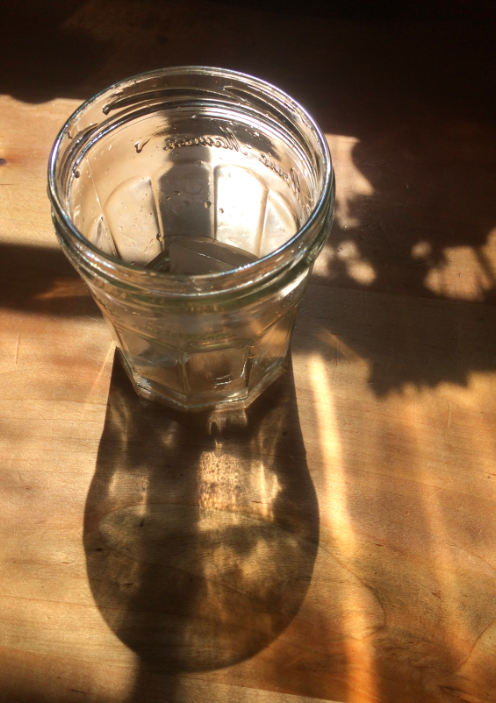
Which pretty much means: get down to work. I love fiction so much I find it almost incomprehensible that anyone would want to do anything else – like, say, teach kindergarten or litigate. My own teenage daughter’s natural inclinations bend towards art and photography, although she would never define or see herself as an artist. I remembered Gardner’s lines above when I saw this photo: her own way of taking things apart – a drinking glass, the kitchen table, sunlight – wondering how does this work? how does this look? what can I do?

cups

Photo by Molly S.

Rowing in the Lake and Sky

We rowed to the middle of Caspian Lake today, myself sprawled over the keel of the small wooden boat, the little child kneeling beside me. The older daughter welding the oars demanded, What are we doing?

I said, We’re hanging between the water and the sky today.

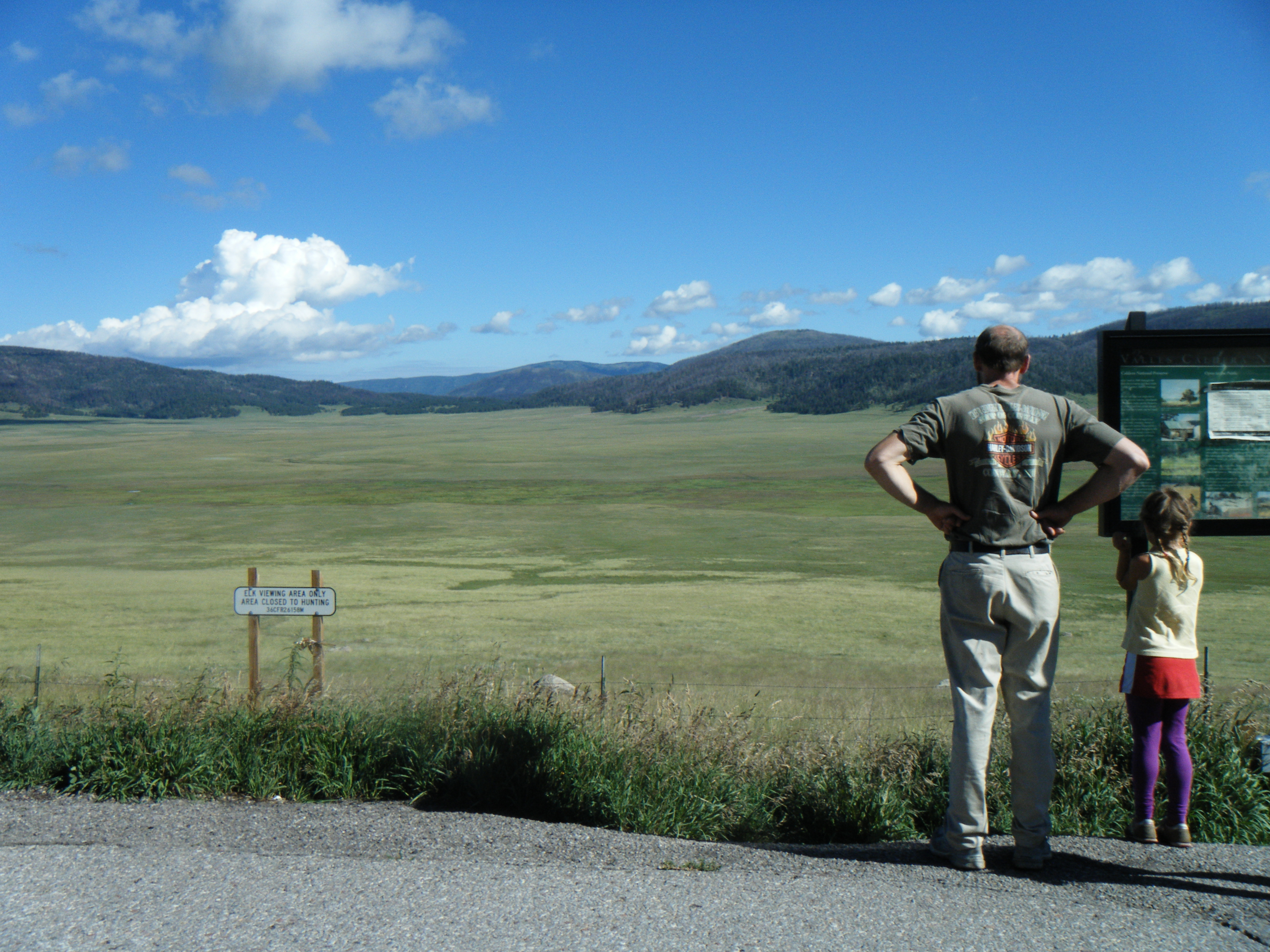
In the lake’s center, waves lapped against the boat, the oars clunked in their metal locks, a gull flapped by without a feather-whoosh of sound. I dove in, the water so clear I saw my kicking feet brushing all that water below, then raised my arms into the sky, an infinity of luminous blue broken with troubled storm clouds. Cool and sweet, the lake was fragrant as fields of growing hay.

Glory be to God for dappled things…
   Landscape plotted and pieced – fold, fallow, and plough;
      And áll trádes, their gear and tackle and trim.
All things counter, original, spare, strange;
   Whatever is fickle, freckled (who knows how?)
      With swift, slow; sweet, sour; adazzle, dim;
He fathers-forth whose beauty is past change: Praise him.
             – Gerard Manley Hopkins, “Pied Beauty”
IMG_1678

Greensboro, Vermont

Vermont Landscape of Imaginary Birds

The other day, my younger daughter asked me what I would choose if I could I pick two talents. Talents? I thought, wondering at the unusual use of the word. She told me, What I would choose is to make clouds and to fly. I want to be a bird, she said.

I love this in my child: she didn’t stop where I would have – imagining a bird’s flight. In the book I’m writing, turkey vultures come and go, and I’ve spent a considerable amount of time metaphorically transporting myself into that wide wingspanned flight. But never have I imagined making the clouds, creating the literal landscape of sky around those creatures. In so many ways, I see my child’s life as fuller than mine, not diminished by the pieces I’ve outlined: chores and work and writing and pleasure. For this child, her life is still all one unfolding tapestry of landscape, and her longing to fly is just one woven element of the mystery’s enchantment.

… we’re forced to begin
in the midst of the hardest movement…
At most we’re allowed a few months
of simply listening to the simple line
of a woman’s voice singing a child
against her heart. Everything else is too soon,
too sudden, the wrenching apart, that woman’s heartbeat
heard ever after from a distance,
the loss of that ground-note echoing
whenever we are happy, or in despair.

Adrienne Rich, “Transcendental Etude”

DSCF9650

Landscape Not-Vermont….

The Medieval Knight and the Apple Tree

I picked up neurosurgeon Henry Marsh’s Do No More, so there’s been some conversation around the kitchen table about what is an aneurysm and how can a surgeon become so skilled? I’d like to say right up front this is not a feel-good book by any means, and Marsh’s success is tempered by grief. Nonetheless, brain surgery is a vocation he’s called to.

Upon sitting in the surgeon’s chair, Marsh writes:

This moment still fills me with awe. I have not yet lost the naive enthusiasm with which I watched that first aneurysm operation thirty years ago. I feel like a medieval knight mounting his horse and setting off in pursuit of a mythical beast…. and although my assistant is beside me… and despite all the posters in the hospital corridors about something called clinical governance proclaiming the importance of team-working and communication, for me this is still single combat.

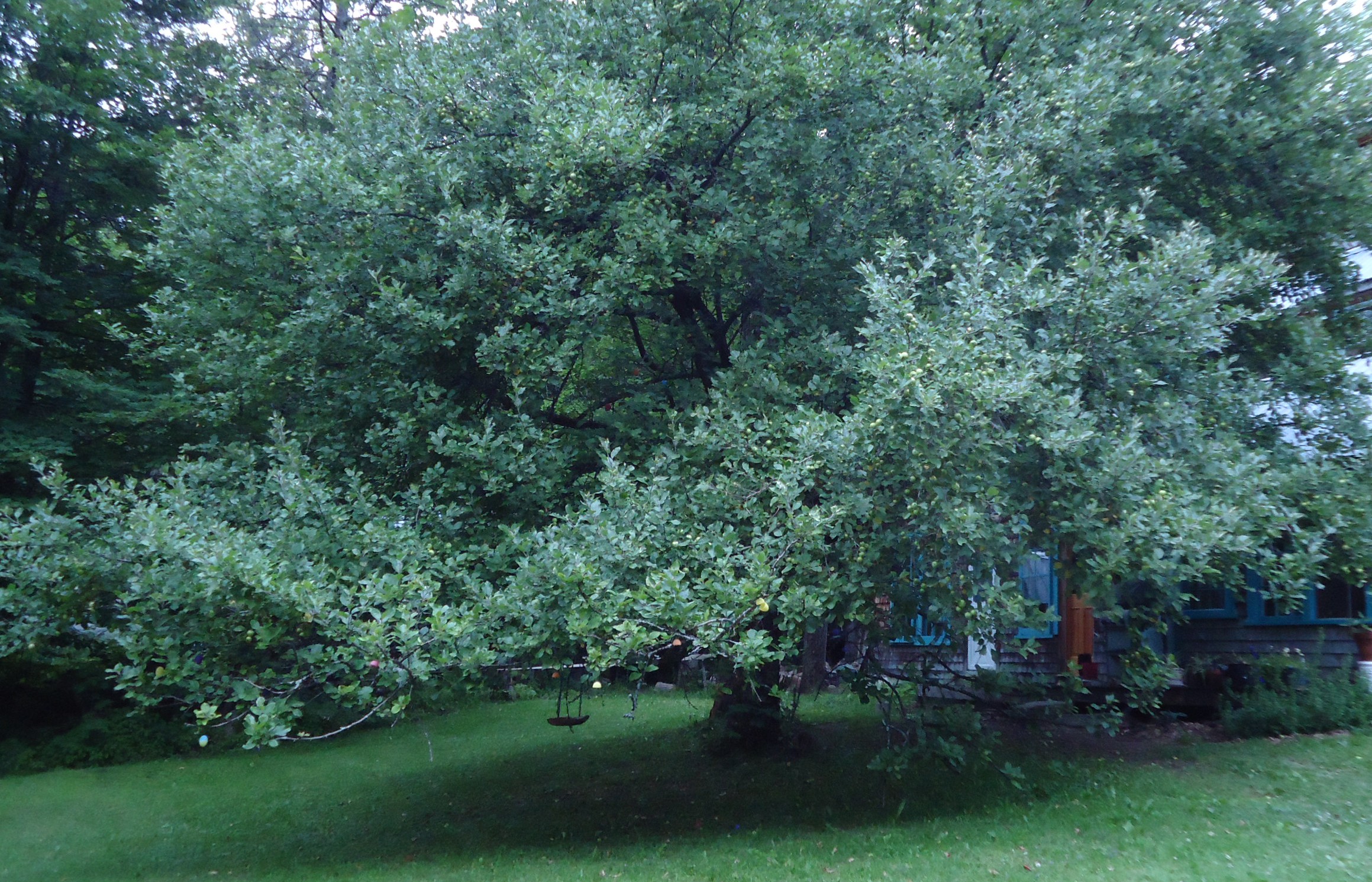
Likewise, the apple tree in my front yard grows with passion and singular intent, not at all concerned about the children in the swing or the croquet wickets, the possibility of late frost or early frost, and certainly not affected by any warnings or exhortations. Over the years I’ve lived here, this tree has grown steadily and profusely. Every day, my hair catches in the low-hanging branches I stubbornly refuse to cut. This tree doesn’t intend to pursue any mythical beast, but it’s spreading elegantly into its own destiny.DSC01072