Autumn Light: Painting and Writing

When my sister was at Williams College, I used to take the Greyhound to stay with her, and while she was in class, I walked to the Clark Art Museum. The museum admission was free, and you could walk in and stay as long as you liked. The museum wasn’t enormous, but it was sizable enough that you could begin with the Remingtons and head up to the Impressionists. On the second floor was a large light-filled room filled with Monet and Cassatt and Degas and Pissarro.

Every fall, I remember Monet’s The Duck Pond, and how I could stand in front of that painting, age seventeen, and gaze at all those golden hues of oil paint.

These paintings were portals opening my eyes to looking at the world, just at the time when I discovered James Joyce. Thinking back now, I realize visiting these paintings repeatedly contributed to who I am as a writer. If there’s one thing we need in this country, surely more art would rank near the top, and free art at that, where a girl from a small New Hampshire town can walk through a museum’s open door, over and over, and begin to know a handful of paintings.

(In a Vermeer painting)… scattered flakes of gold…. are strewn lavishly through shadows and luminous areas alike, and the eye simply accepts their presence. Vermeer’s most penetrating critic, Lawrence Gowing, describes this phenomenon as a glittering “commentary of light.”

— Michael White, Travels in Vermeer
IMG_0085

Montpelier, Vermont/Photo by Molly S.

Other Gods

At the dinner table the other night, my older daughter had some questions about the ten commandments. Although she attends a secular public high school, apparently the commandments surfaced in a health class discussion. Transported back to my few elementary school years in Sunday School, I remembered crayoning two suspiciously tombstone-like tablets and a mighty Moses figure. I assured my girls honoring their mother was a key commandment.

But the commandment that stumped her was the second:  Thou shalt have no other god. What the heck could that mean?

We were eating bacon-traded-for-our-syrup from a friend’s pig, an enormous porcine wonder once named Douglass. I had fried the thick fat golden crunchy on the outside, creamy and savory-smoked on the inside. The frost hadn’t yet gotten to my peppers, and with the bacon fat I had sautéed poblanos with my garden onions and garlic and nearly the last of the tomatoes. My younger daughter tore pieces of crusty bread and laid these on our plates.

I suggested: think about what fills your life. What if your life was consumed with the desire to win an Olympic figure skating medal, or insatiably to earn money? Or what if your life was filled with cultivating thousands of acres of commercial corn? Overseeing a small town library? Teaching kindergarten? Or suffused with a quest for something else: gambling, anorexia, heroin? What about Vermeer and his eleven children, the unpaid bakery bill at his death, and the two paintings his wife hocked in exchange for that debt? For better or for worse, isn’t what you fill your life with, and what you pursue, precisely what you kneel before?

There’s an upper window in our kitchen, and at this time of year, sunlight falls down in the late afternoons on our table. Years ago, my parents gave us this table from my girlhood home. The butcher block has held up all these years.

Oh, little girl,
my stringbean,
how do you grow?
You grow this way.

— Anne Sexton

IMG_0083

Montpelier, Vermont

Laughter and Rain

The February my older daughter had just turned one, she and I went to a playgroup in Craftsbury, and only a woman I hadn’t met and her one-year-old son showed up. The tykes fought over a red plastic shovel (my child was the aggressor), and eventually we hid the shovel. While the kids checked out the plastic toys, the woman and I talked, and talked, and talked, and in some ways haven’t really stopped talking since.

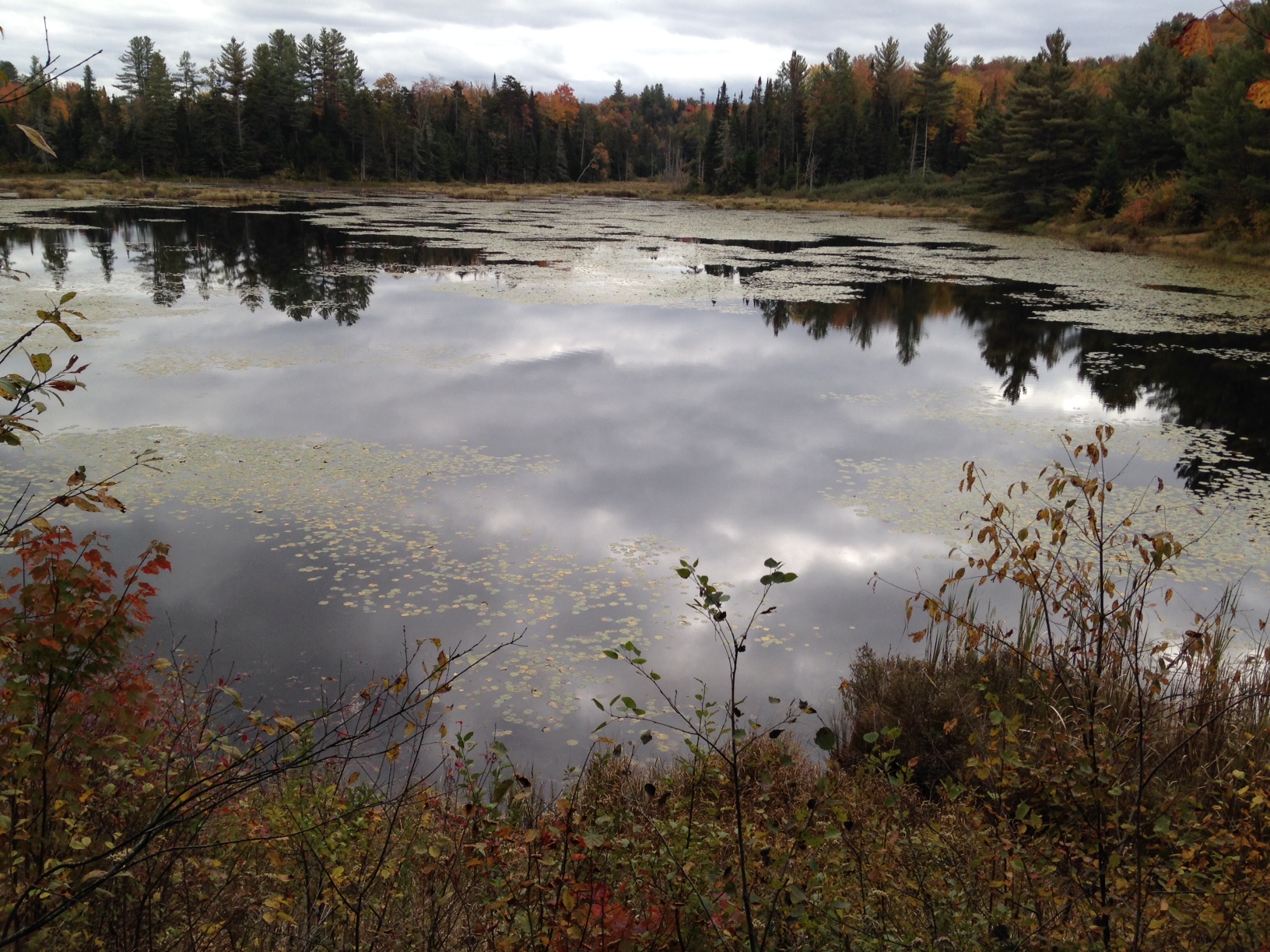
Today, in one of these weird slips of time, my friend and I drove around Woodbury, this rural Vermont town, population 902, over dirt roads, up hills and along narrow roads without guardrails beside ponds, looking for one particular thing.

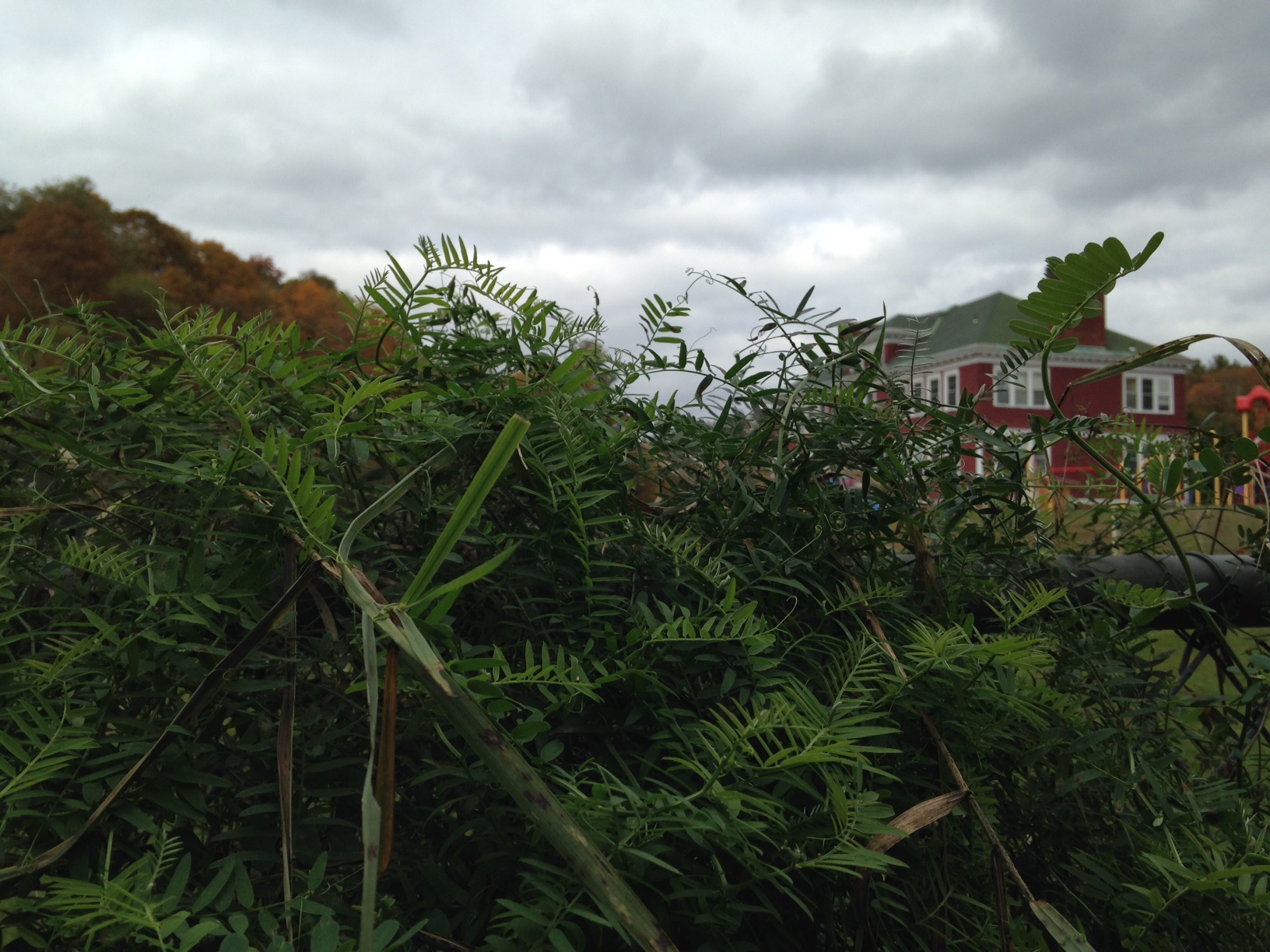
Crisscrossing these roads in the rain, we passed my daughter’s elementary school several times, and I thought of my child at her tidy desk, in the warm red schoolhouse with the rain coming against the windows.

My friend and I met no one else but a pickup truck or two on these back roads. Several times I asked, Should I drive up there? It looks like a bike trail and not a road.

Yes, she insisted, yes — and only once got out so I didn’t back into a ditch.

How long our friendship spins out, stitched through with so many things:  new babies, and gardening, books and more books, a courtroom, jobs, days at the lake, coffee, broken vehicles, farmers markets, deaths, and a whole lot of laughing. I wouldn’t trade the laughing for anything.

Nobody sees a flower, really – it is so small it takes time – we haven’t time – and to see takes time, like to have a friend takes time.

– Georgia O’Keefe

Photo by Molly S.

Photo by Molly S.

Use What’s At Hand

We are no longer in the gardening season, no longer in the season of growth and warm days, of the earth turning green. October heralds the season of decay, of stillness and quiet, broken not by songbirds but the geese winging their way south. Weeding once, with someone else, he suggested laying the handfuls of weeds over the living ones, as a smothering mulch. Use what’s at hand.

That phrase comes back to me, in this season of pulling up a garden, ending one thing, and entering this other season. It’s a way of looking at the world where one thing morphs into another, where this as plague becomes that as assistance. It’s a way of looking at compost as life, at your weakness as truly your strength.

I thought I knew about all that (loss) when my first wife, Jackie, died of cancer… It isn’t just that I don’t believe in love; I’m not sure I believe in anything. But, looking at these radiant canvasses (of Vermeer)–unreachable yet familiar–reminds me. The rapturous inner life of each woman and the infinitesimally detailed and self-contained life of the street are each imagined as an undiscovered heaven on earth…

–– Michael White, Travels in Vermeer

IMG_8954

Photo by Molly S.

Shine On

The before-school mornings have now turned intractably toward dark, the air nippy at the bus stop. My older daughter argues against going to school. The truth is, I hated high school, I hated middle school, I hated elementary school, I probably even hated nursery school, the whole she-bang of schooling until I hit college. I remember insufferable boredom, staring through the windows in third grade at azure autumn skies, and wanting to be in the woods. I longed for the smell of dead leaves against my face. I’m sympathetic and yet, apparently, not that sympathetic. Still, I often stew about this daughter all day.

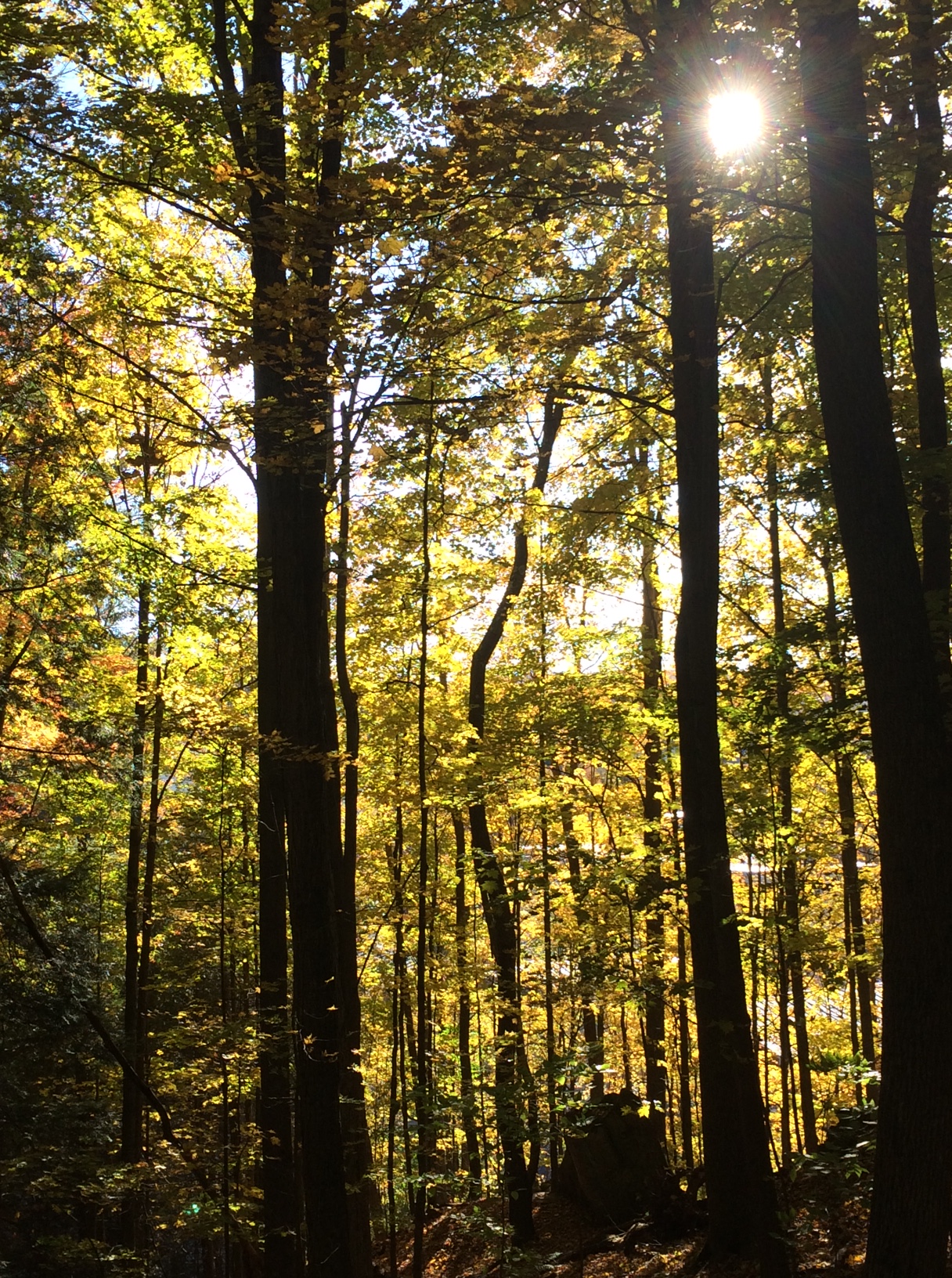
Driving along Route 15, as it follows the Lamoille River, I glanced up where sunlight crashed through a jumble of clouds, gray and black and white, as though the weather were confused, too. The light descended in immense heavenly shafts. Woodbury Mountain was scattershot with gold patches, intermingled gray where the foliage has already passed. Sprawled along the river was the transfer station, that pestilent site radiantly bathed in October light.

This afternoon, my daughter was glowing when I met her at the high school. She had been charged with a particularly difficult task, and there was no way she was getting out of this assignment. She sensed a real challenge, but one she could tackle, too, with no escape hatch, no back door possibility of complaining enough to me so I’d cut her slack and let her off the hook.

Buckling in for the drive home, she relayed with real joy a compliment she had been given. I, she said, am a shining star.

(My daughter) was sixteen years old. I hoped someday she’d remember how it felt, how invincible, how alive. I’d heard it said that one tenth of parenting is making mistakes; the other nine are prayer and letting go.

— Justin Cronin, “My Daughter and God”

IMG_0066

October. Woodbury, Vermont

Texting as Mosaic

A lot of my humanly effort goes into writing, or at least trying to improve: can I write more clearly? More eloquently? Can I push deeper, and then even deeper, beneath what I’ve already written and glean yet more?

And then, I meet texting. I have a teenager. I witness this girl text. With considerable patience, she’s shown me the texting ropes. She even texted me when she forgot her lunch, and I most helpfully texted back that no, I wasn’t delivering her lunch in the next ten minutes, and she should mooch off someone else. But I don’t think I texted mooch. It might have appeared as lop or something. Lop off someone else?

Then, last night, I had my first texting “conversation” with my brother. (He would describe my effort as half-assed, sister, I’m quite sure.) In the midst of this electronic bubble back and forth, the house quiet at night with the children sleeping, the wood stove burning and my solitary light burning, we went on and on, although I had spoken on the phone with him the night before, and my late-night work was unfinished. This conversation was like deep sea fishing, pulling up one thing after another from the past. Do you remember this teacher? What was happening in 1987? In these little bits of phrases, I began to see woman in blue and what’s grammar and don’t hate Vermont surface and swim. That day, I had been writing about Chinese poetry and my novel and the seamless stream of language, and before me words appeared, hilarious and poignant and loving, too. Like a broken glass readied for a mosaic. And now I’ll be the mosaic-maker.

… this self-congratulatory belief in my ability to chart my own destiny was patently ridiculous. Worldly things are worldly things; two bad seconds on the highway can take them all away, and sooner or later something’s going to come along that does just that.

Once you have it, this information is unignorable, and it seems to me that you can do one of two things with it. You can decide that life doesn’t make sense, or you can decide that it does.

–– Justin Cronin, “My Daughter and God,” in Best American Essays 2015

IMG_0067

Woodbury Elementary School/Woodbury, Vermont