First Things.

My daughter asks me if I’ve ever almost died — or at least thought I was dying.

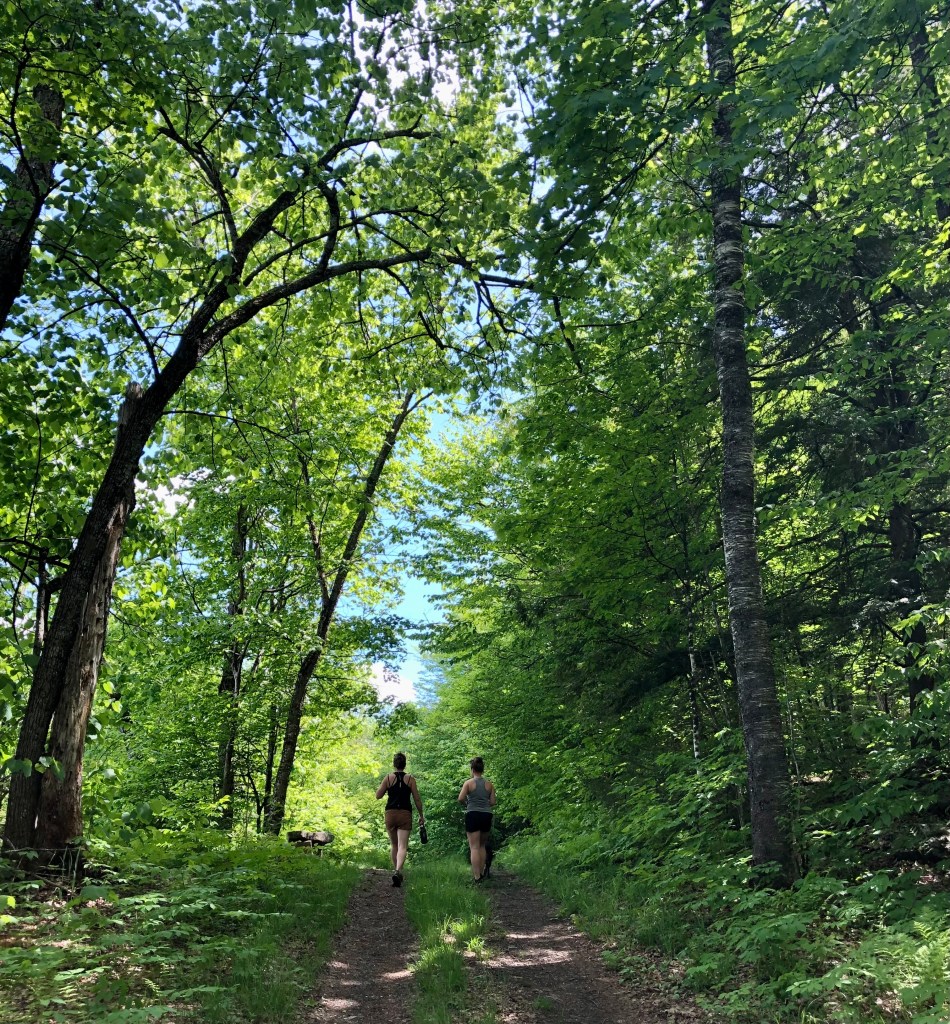
She’s lacing her shoes, about to head out for a run. The day has been remarkably warm and beautiful, reaching above fifty degrees.

Three times, I answer: almost drowned when I was a teenager on a canoe trip, your father averted us from a pile up in Seattle, and the anesthesia went awry at your birth.

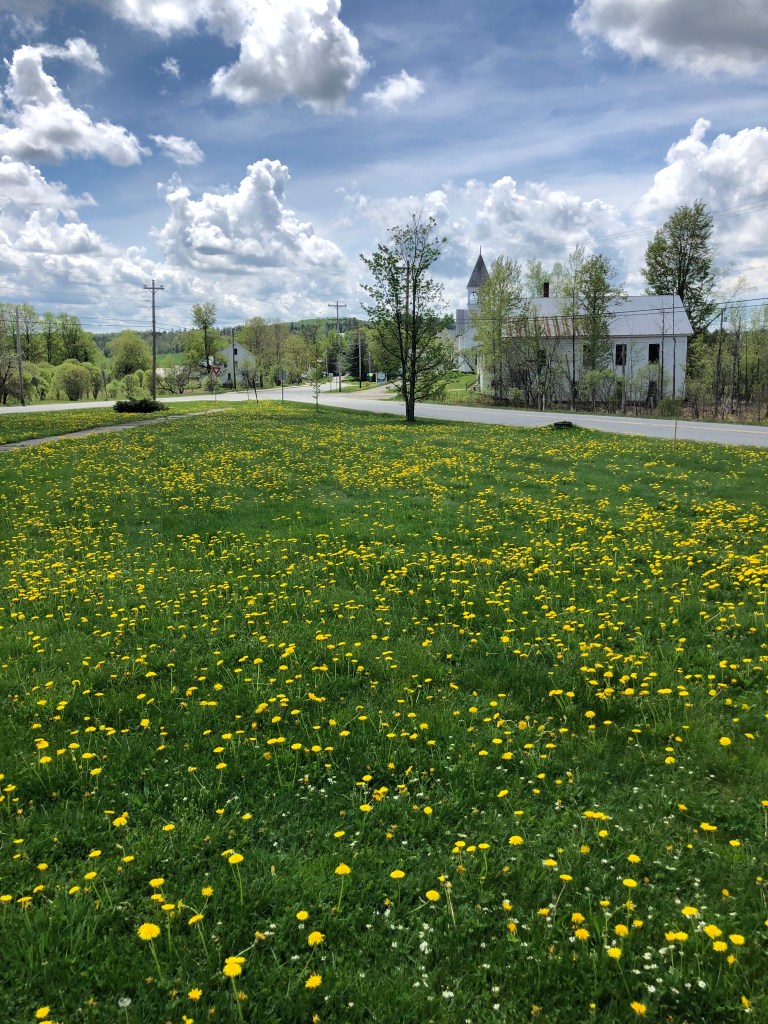
Later, I walk up to the high school and wait for her. I sit at a picnic table behind the school. It’s the first of all kinds of things again — the first time sitting at a picnic table outside since winter, the first time this spring I’ve seen grass that appears really green. An acquaintance stops to talk, and we swap stories about the school and board, new hires. Her grown son appears, and I can’t help but remember when he was just a little kid, and now he’s all grown up.

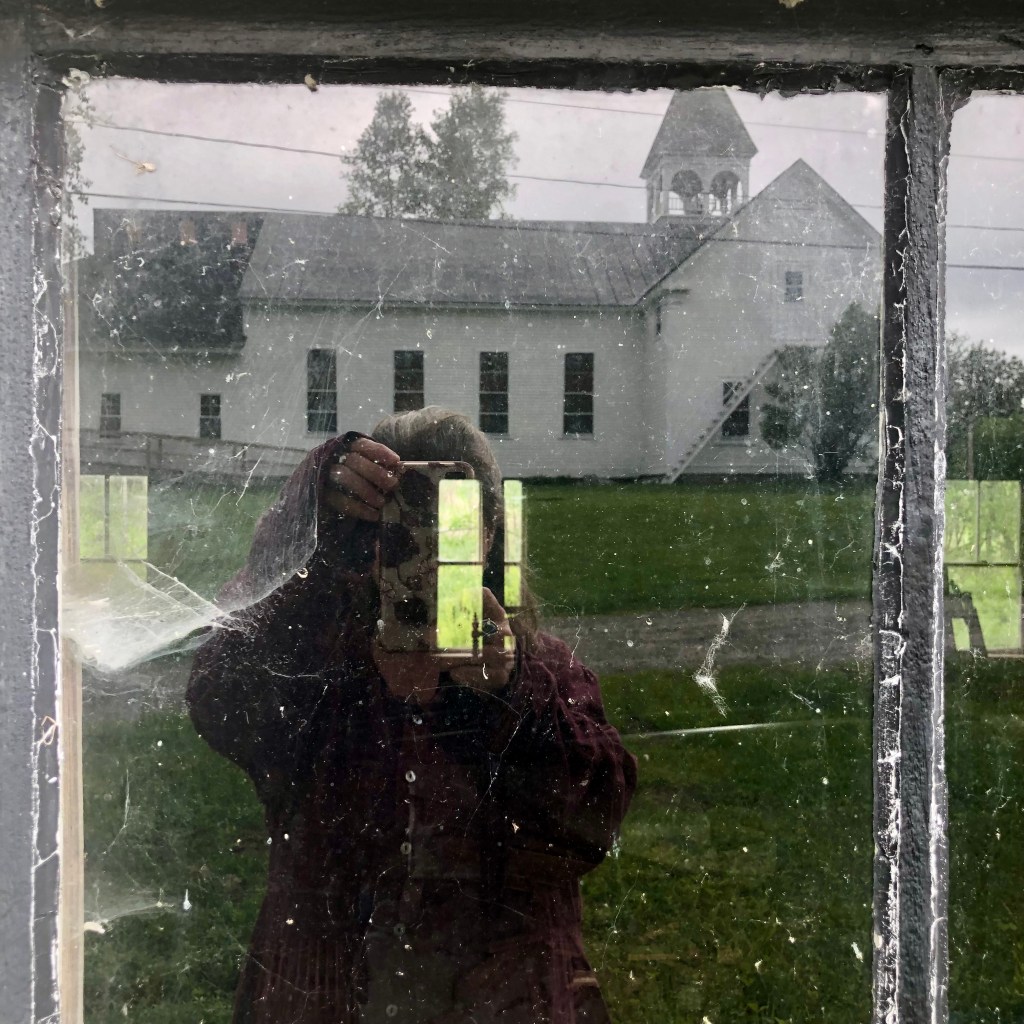
When they’re gone, I walk around this building that has meant so many very different things to so many people. Such a long and complicated story, a microcosm of this great big world. At this moment, she and I are both a piece of this story.

My daughter returns. On our drive home, I ask why she wondered about my near-death experiences. She shrugs. Just thought I should know, she answers.

I have the odd feeling she’s gathering intel about me.

Writing.

I’m working on my laptop in Hardwick’s Front Seat Coffee when a man who I wanted to sell my house to, a few years back, comes up to me. In those days, he and his wife had a few young kids. The house was creative and cool, but in fairly lousy physical shape, and I believed he had the skills to right the rotten places. Life unspun in a different way, a pandemic set in, and that was that.

He’s now read my book about addiction. When we hug, he smells of woodsmoke. These days, he’s boiling sap outside, making syrup for his family.

When my youngest tells me she doesn’t know why anyone would ever write a book, I tell her there’s no reason at all, perhaps, except that it seems impossible NOT to write the book. Maybe all creativity is this way — that we’re driven to do things that otherwise no rational human would. Thank goodness for the madness of art, really.

After we talk about writing and addiction, he tells me he and his wife bought a house I once knew quite well, and we marvel at the interconnection in our little world. I may see him next week, or not for four years. And then our conversation will undoubtedly begin again.

Sun. Rain Moving In.

These April days, suddenly full with light rushing back. I’m up early, getting things done, putting order into the messiness of my life. Does it make a difference? Who knows? Still, we need to eat. We wash up. Teen does homework. The songbirds and turkey vultures return in force. Now, blue herons fly over my house every day, from the reservoir to the pond near my friend’s house. I think, what if a heron dropped a note or a homemade donut? How cool would that be? But the herons fly on, way cooler than our little human minds.

Here’s a cool poem, though:

Over the Weather – Naomi Shihab Nye, 

We forget about the spaciousness
above the clouds

but it’s up there.The sun’s up there too.

When words we hear don’t fit the day,
when we worry
what we did or didn’t do,
what if we close our eyes,
say any word we love
that makes us feel calm,
slip it into the atmosphere
and rise?

Creamy miles of quiet.
Giant swoop of blue.

Rivers’ Roar.

Caspian Lake, Greensboro, Vermont

The rivers are running again. I pause on a Sunday morning run, on a large bridge state money funded for the rail trail project. The river roars in spring lust. People can — and do — drown in April. This season is as fierce as winter.

The countdown has begun, the green steadily eroding the brown.

A year ago, my family was quarantined with my daughter’s positive Covid test. Yet unvaccinated, I lay awake at night, wondering why I hadn’t yet written a will, why I hadn’t added my oldest to my skimpy bank account. During the day, I painted the inside of our porch windows a brilliant blue and listened to Derek Chauvin’s trial for the murder of George Floyd.

When the jury verdict was read, our quarantine had ended. My youngest and I were sitting my car, listening to the radio, waiting for her soccer practice to begin on a cold evening. A V of geese flew over the wet field.

Years fly by. Sure. But that year doesn’t seem like yesterday. It was one full year. While my daughter played soccer, I walked among the cedars along the river, watching the remaining pieces of ice dislodge and wash into water.

…. In other news, grateful for two lovely review of Unstitched in Montpelier’s The Bridge by Tom McKone and for Tyler Orion Glauz-Todrank’s review in Lucky Cloud Books.

Mixing Memory and Desire.

Note the wood smoke from our chimney….

Note this photo was taken yesterday afternoon, when I walked outside and nearly froze the soles of my feet. Note snow surrounded our house this morning….

Note that spring comes hard, hard, in Vermont. Jumping the starting block a few days, I keep thinking of T.S. Eliot’s lines:

“April is the cruelest month, breeding

lilacs out of the dead land, mixing

memory and desire, stirring

dull roots with spring rain.”

The first time I read these lines was in high school, digging into the poetry stacks in the school library, mesmerized by lines like Let us go then, you and I, when the evening is spread out against the sky….

Later, later, spring will bloom in all its tender-petal beauty. But for now…. T.S. Eliot knows the score in Vermont.