Walking

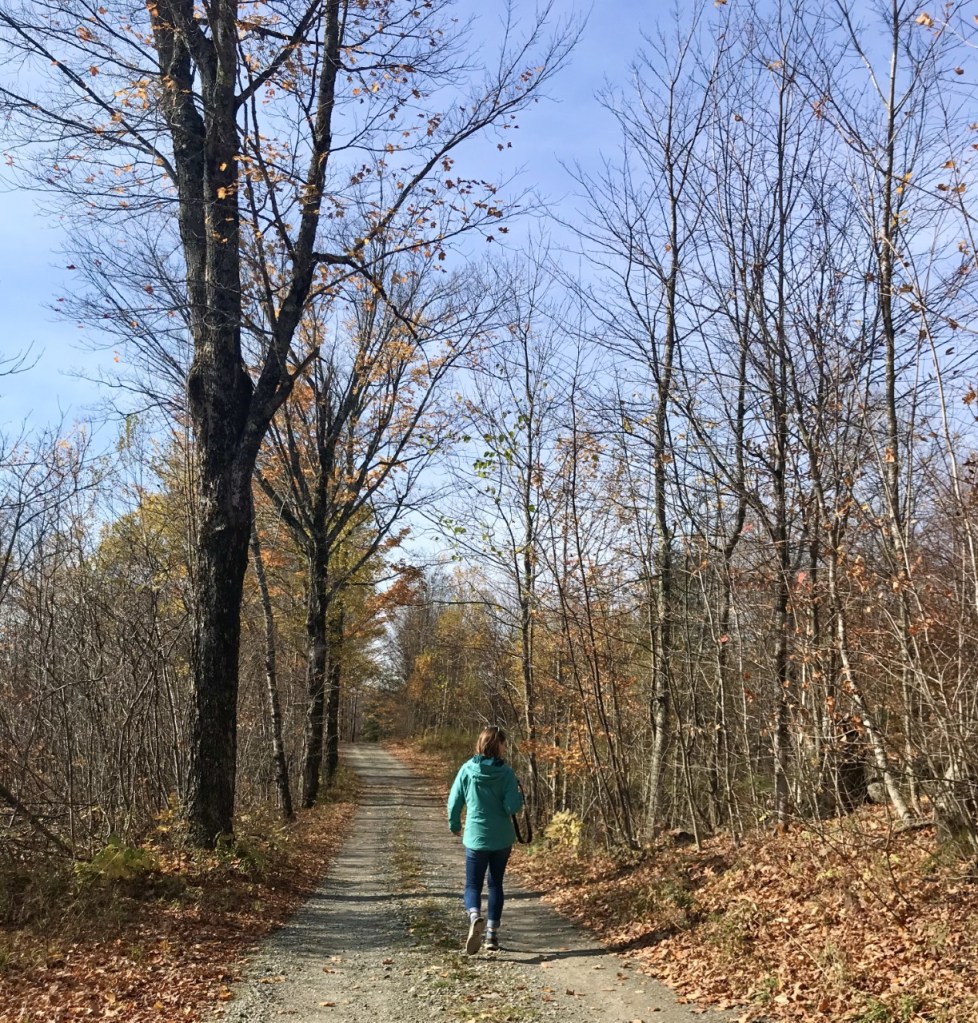
Rural Vermont is often (and embarrassingly) a car culture. So walking along the railbed yesterday, it was a pleasure to walk from one village to another — a great big expedition from Hardwick to East Hardwick, along the river and through the forest.

It was a reminder for me that walking from one world to another is an ancient method, and that slowing down and looking at the sky and the river current are meaningful parts of life, too, especially in good company.

We’re somewhere in October, the days marching along towards the election and winter. Take the time to lift up a curious stone and see what’s beneath — a centipede, a tiny pebble, or the loose and sweet-smelling dirt.

Many people nowadays live in a series of interiors…disconnected from each other. On foot everything stays connected, for while walking one occupies the spaces between those interiors in the same way one occupies those interiors. One lives in the whole world rather than in interiors built up against it.


― Rebecca Solnit
This image has an empty alt attribute; its file name is thumbnail_img_8538.jpg

Laughter

Standing in the rain watching my daughter, behind the socially distanced spaced out row of spectators, I hear a sound through the downpour steadily pummeling my borrowed umbrella. It takes me a moment, but then I realize two women cozied up together beneath their umbrella are laughing.

On the wet field, the girls are playing hard. Their ponytails and masks and uniforms are sodden. Many are covered with mud. Beyond the field, patches of pale gold leaves glow in the misty rain.

For a moment, I have the sense this sums up the pandemic — alone and isolated with my mask and raincoat and umbrella — and yet together. I stand there, happy the girls are playing, listening to the laughter of strangers through the downpour.

The apparition of these faces in the crowd:
Petals on a wet, black bough.

— Ezra Pound, ‘In a Station of the Metro’

Worn Cleats

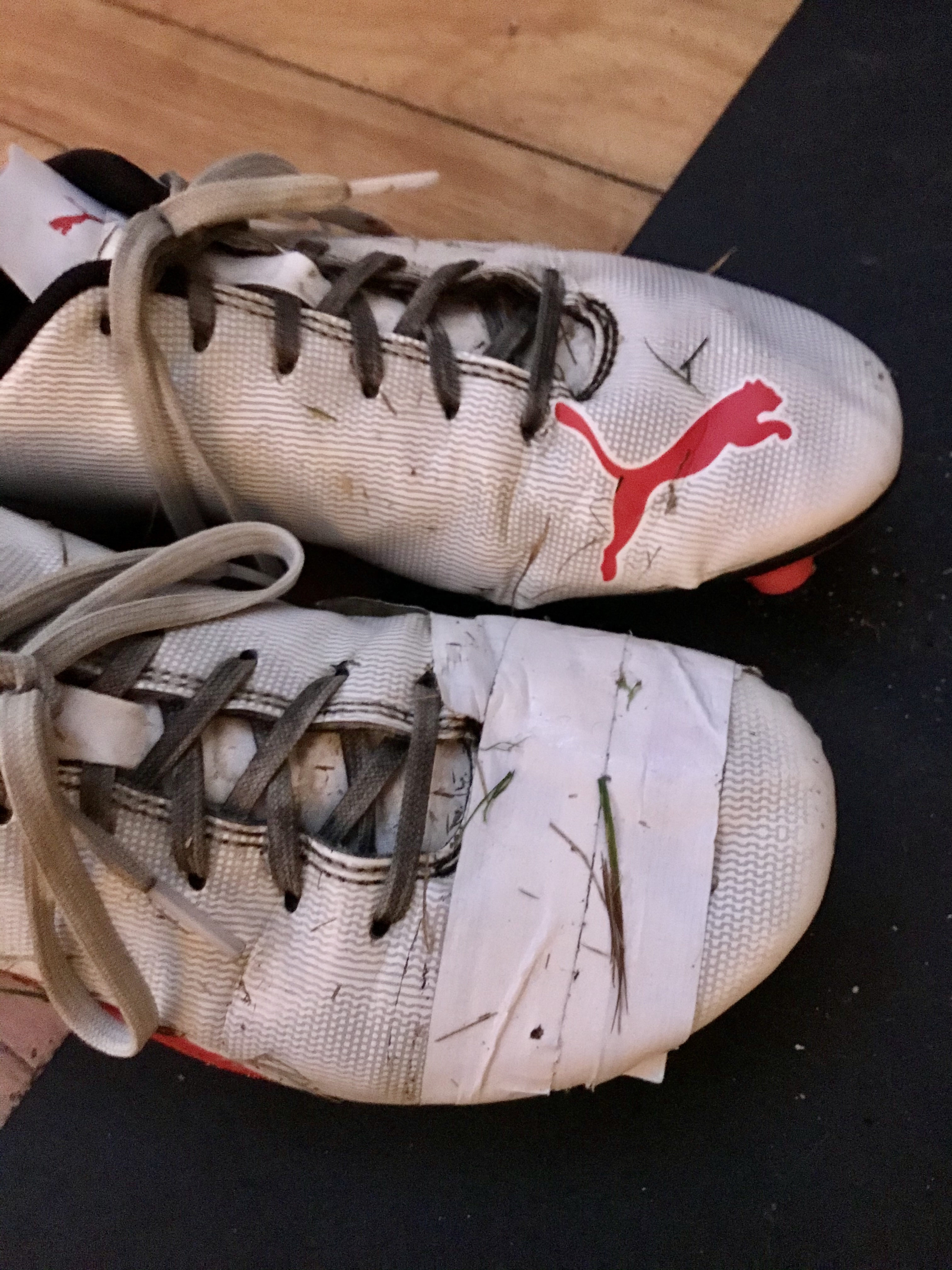
Feeding the wood stove before bed, my eyes catch on my daughter’s duct-taped cleats drying beside the wood stove.

Two decades ago, I first became a mother to this girl’s older sister, and an accompanying stream of beloved things have passed through our lives, too.

Beloved Sleepy Bunny — now worn threadbare — colored stacking cups, babydolls, a teddy bear my youngest clutched on her lap as we drove around the Southwest the summer I removed my wedding ring and threw it into the desert. When she was three, this girl draped over a blue swing in the front yard apple tree on her belly and dug her toes in the dirt, dreaming.

Now, she’s 15, teen as teen gets. I study that silent sign of what’s beloved to this girl. Then I turn out the light and go upstairs to read.

Homework

How could I have forgotten that the light in October is exquisite?

Unlike hazy summer, Vermont autumn is clear. The woods are emptying of leaves. The wind sweeps through the towns and over the hills.

From my garden, I cut a cabbage, boil the leaves slightly, and roll up meat and rice, filling the pan with sauerkraut — a Romanian recipe from my grandmother, who died before I began cooking.

Bit by bit, our hours migrate from the garden and back porch in the house. We no longer eat dinners in the sunlight. When I return from work, I see crumbs on the kitchen table, remnants of my teen and her friends.

I imagine these girls figuring out their online chemistry class and plotting their future. When I ask what’s happening in those hours, I hear, We’re fine.

In the evening, the teen spreads out her graph paper and notebook. I knit on the floor with the cat beside the wood stove while her sister reads the day’s news aloud.

The teen shoves her graph paper to me and asks if her approach to problem-solving is correct.

I look at the paper and suggest, Call your uncle. That’s out of my skill set.

The cat flips over and purrs.

The teen bites the end of her pencil and goes back to work.

“The world begins at a kitchen table. No matter what, we must eat to live.”

Joy Harjo

Hot Java

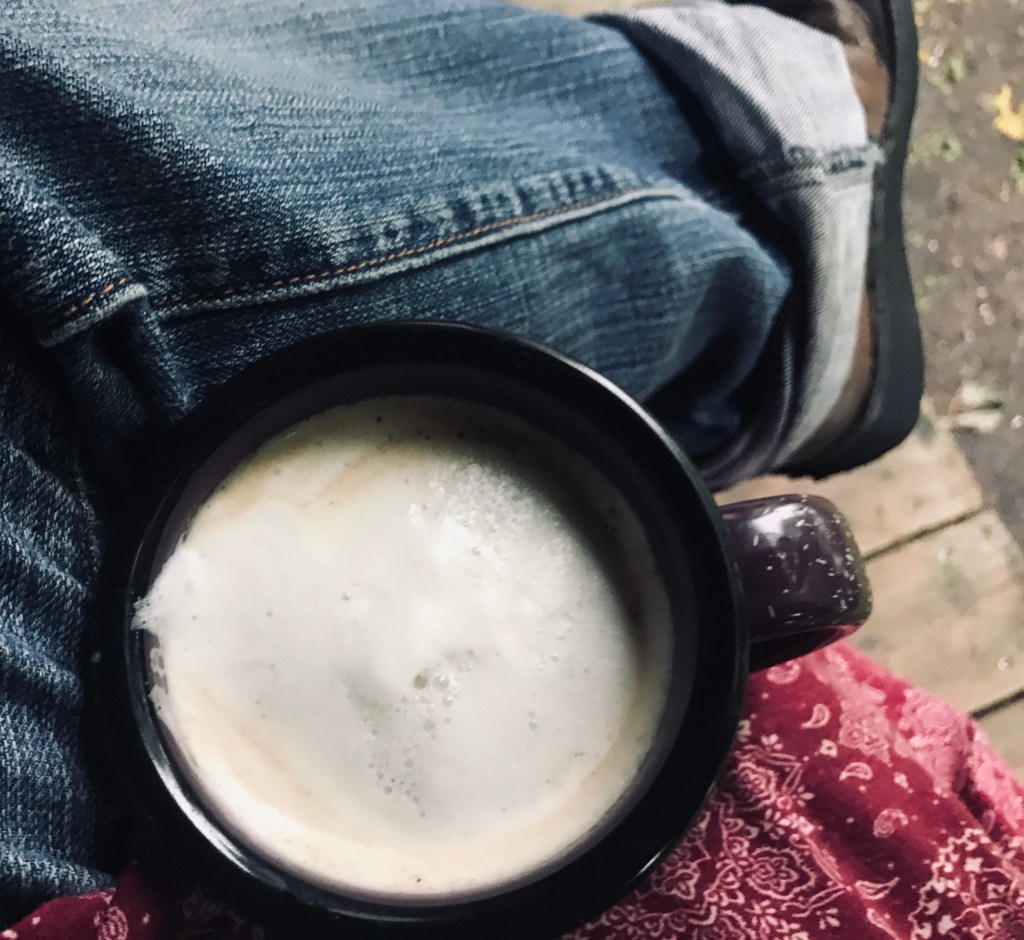
When my girls were little, I occasionally sang a few lines from an old song — just around the corner there’s a rainbow in the sky, so let’s all have another cup of coffee.

For the record, neither daughter is a fan of this song, or of my singing, at all.

These days, there’s no around the corner, or, if there is, we’re just not looking there. Election? Halloween? That once eternal late-fall slide towards the holidays and whatever those might bring….

In a strange kind of way, this hovers on relief — no worries this year about whether we’ll have any family at our holiday table — the divorced mother’s woe — as the answer is clear: we won’t.

In the void, we move from cup of coffee to a spontaneous late afternoon walk with a friend. And the fall foliage is still mighty fine.

Goodness

This morning, hearing news of the Trumps’ positive test results, I think of where I was just a few hours ago, on a hillside in Greensboro.

The Nature Conservancy owns pieces of land all around where we live, some unmarked, others with a trailhead and sign, beckoning in the curious foot traveler.

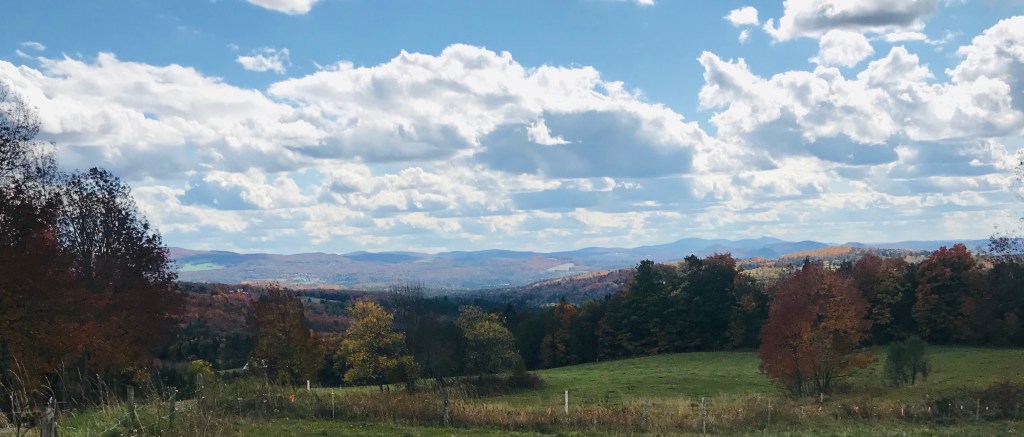
At Barr Hill yesterday, I didn’t have time to walk that short loop, but paused to admire the view, the little crickets leaping over my shoes. A couple, seeing me, put on their masks, got into their car, and drove away. So for a little while, it was just me and the postcard-stunning autumn — yellow and red mountains, the shining patch of lake, the sky.

The land was donated years ago by a local family. In Greensboro, there’s deep channels of money, its origins often hidden — “old money” — and in Greensboro, too, there’s runnels of poverty, far away from the lake’s summer wonderland, but just as real and alive.

Whatever happens with the Trumps, the virus will go on, until it’s finished, one way or another. But all through this time, these long months and what will inevitably stretch ahead, my daughters and I have gone into the wilderness around us. At the library where I work, often these days I walk along the wetlands, even just for a handful of minutes, breathing in.

Try to do some good in this life, I think. Keep land open. Write a book. Teach a kid to read. Use what’s at hand…

“If you want to live, it’s good to be friendly.” 

― Art Spiegelman, Maus