When my sister was at Williams College, I used to take the Greyhound to stay with her, and while she was in class, I walked to the Clark Art Museum. The museum admission was free, and you could walk in and stay as long as you liked. The museum wasn’t enormous, but it was sizable enough that you could begin with the Remingtons and head up to the Impressionists. On the second floor was a large light-filled room filled with Monet and Cassatt and Degas and Pissarro.
Every fall, I remember Monet’s The Duck Pond, and how I could stand in front of that painting, age seventeen, and gaze at all those golden hues of oil paint.
These paintings were portals opening my eyes to looking at the world, just at the time when I discovered James Joyce. Thinking back now, I realize visiting these paintings repeatedly contributed to who I am as a writer. If there’s one thing we need in this country, surely more art would rank near the top, and free art at that, where a girl from a small New Hampshire town can walk through a museum’s open door, over and over, and begin to know a handful of paintings.
(In a Vermeer painting)… scattered flakes of gold…. are strewn lavishly through shadows and luminous areas alike, and the eye simply accepts their presence. Vermeer’s most penetrating critic, Lawrence Gowing, describes this phenomenon as a glittering “commentary of light.”
— Michael White, Travels in Vermeer
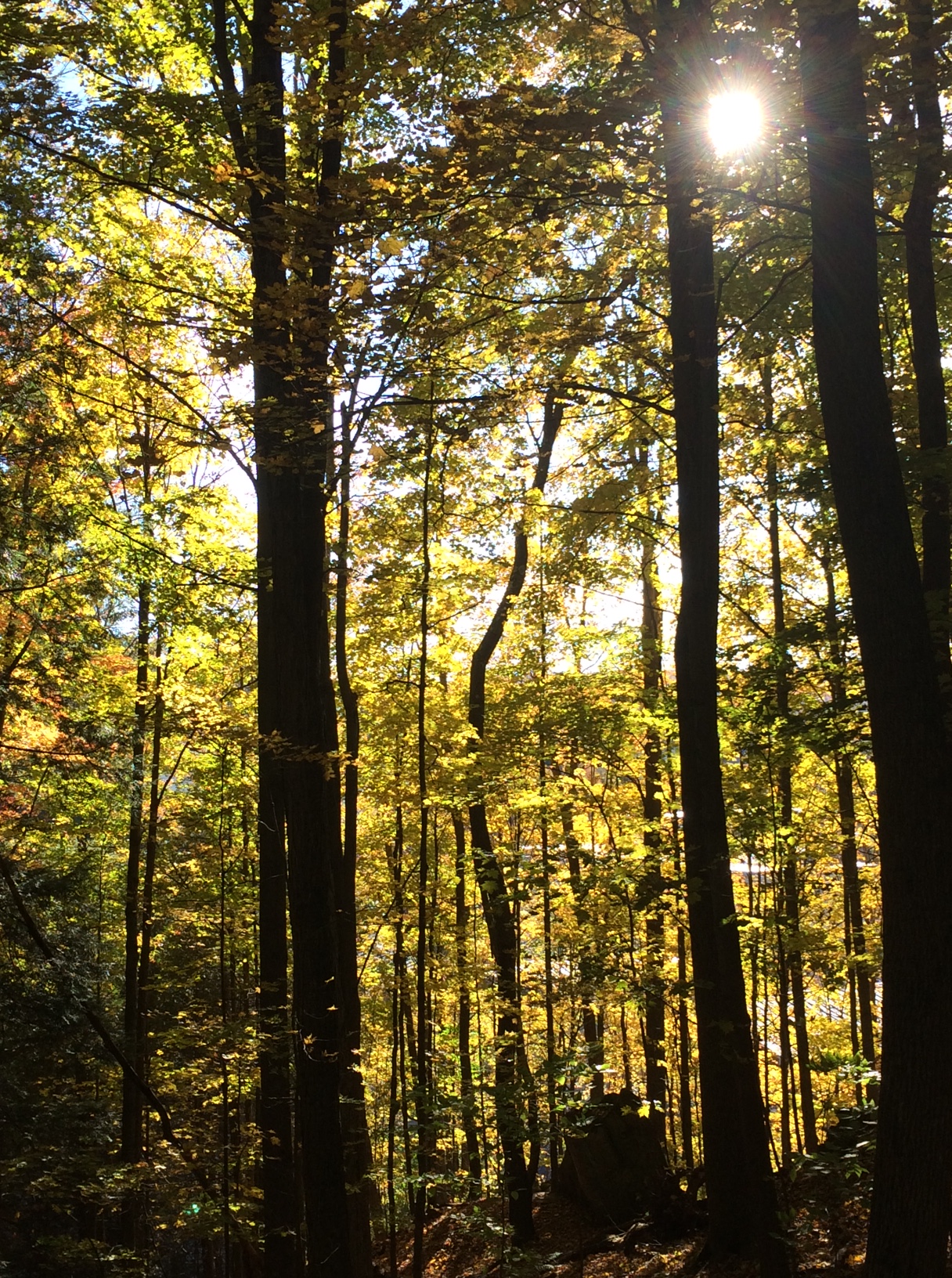
Montpelier, Vermont/Photo by Molly S.
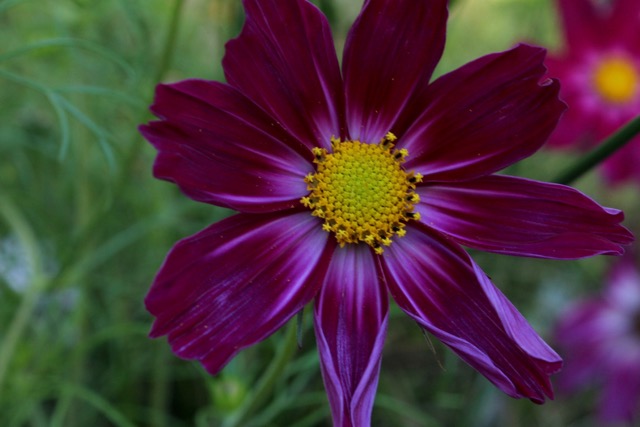
 Stony Soil Vermont