Awe.

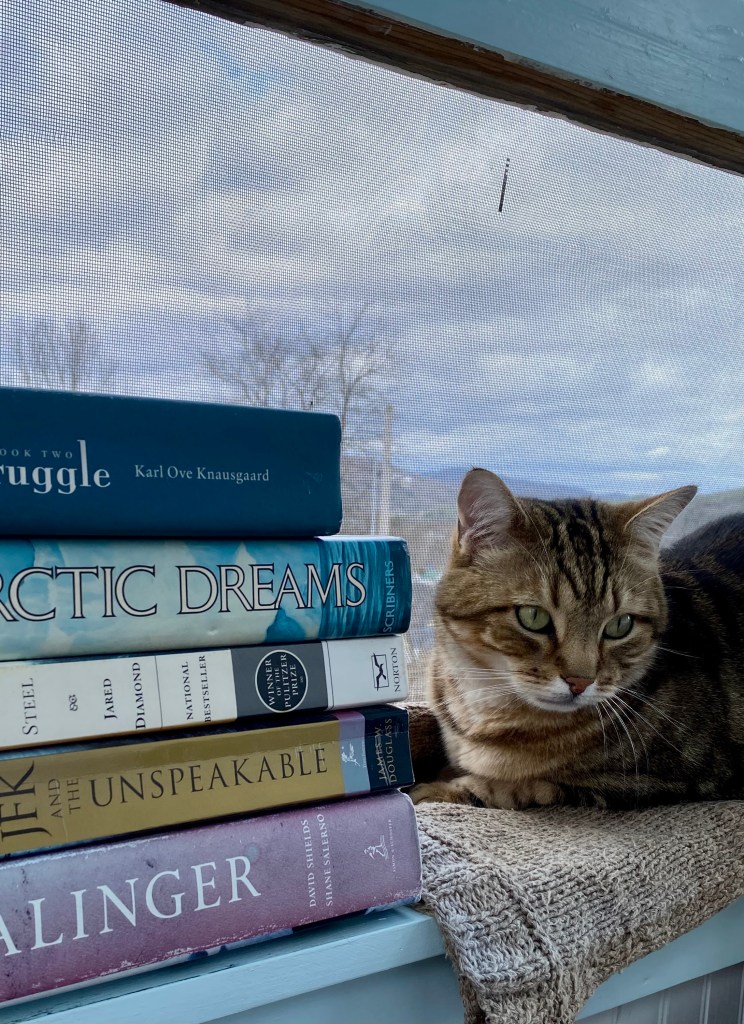
Photo courtesy Molly S.

Just about a year ago, my daughter and I climbed multiple stone steps in the Cathedral of Santa Maria del Fiore in Florence, the stunning cathedral finished before Columbus set sail on a journey that changed the fate of the globe. As we climbed, the organ played. The windows were holes in the stone, and wind washed in. Suddenly, we stepped out onto a narrow ledge where we could see down into the giant cathedral. I knew myself part of this ancient building — alive in the most beautiful structure, in a time that flew back to medieval Europe.

Awe. I’ve participated in so many radiant experiences, but peak awe? It’s a rarity. Right? We couldn’t live if we were always in awe: the Florence Duomo, childbirth, a night of the constellations and some psychedelics….

For those of you not in the know, northern Vermont has been amping up anticipation for the total eclipse. For once, the weather cooperated absolutely perfectly. The state shut down. Go home! Enjoy! We sprawled over the wet grass with neighbors. As the moon and sun began to cross, traffic sounds ceased. Did the wind pick up, or could we simply hear better? I had expected a few moments of the lovely night sky in the middle of the afternoon. But no, no. Instead, a radiant world abruptly glowed. Along the mountains where the sun rises scarlet these mornings, the sky was heavenly blue, rimmed with the purest gold. There were no three minutes of totality. No time at all. It was simply us — all of us — breathing and gasping with great joy.

Kindness of strangers.

If there’s a sadder building in Vermont than the county courthouse in Barre, I don’t know where that might be. Over the last nine years, I’ve been here again and again and again and again. On Friday, I arrive again, stepping through the metal detectors and removing my knitted hat to show my barrette. My errand is to leave a handful of copies. I wait behind a man in an orange jacket at the counter who cannot understand what the clerk is saying. She repeats her instructions. Another clerk calls to me. I ask my questions, repeat back her answers to confirm. The man beside me weeps.

The last time I was here, I waited in a room of women waiting to be heard by a judge. In those days, I had survived those court appearances and the craziness of my life by imagining myself a mother wolf. I slunk in, took what I needed, and ran. All morning, the room gradually emptied, until only myself and one other woman remained. She was young enough to be my daughter. The bailiff appeared and said it was the judge’s lunchtime, and we could return in two weeks. Wolf, I stood up, all 4’9″ of rage, and said I wasn’t leaving. The bailiff muttered and disappeared behind the wooden door.

The woman’s name was before mine on the court’s list. She offered to let me go before her. You have a child, she said, and I don’t. I didn’t one single strand of this woman’s story. The judge delayed his lunchtime.

On this Friday afternoon, six years later, when I return to this courthouse I had promised myself never to enter again in this lifetime, I carry the memory of this stranger’s kindness.

Outside, at my car, I can’t find my keys, and so I return again, back through security, back to the window where the man is yet weeping, the clerk repeating the same impossible words. Then I realize my keys were in my hand; I hadn’t looked.

Here’s a poem very much in this sentiment, emailed from my father. Listening to the audio is highly recommended.

“Dear March—Come in—”

I stand outside eating a cheese sandwich stuffed with a handful of the lettuce I bought for my cat Acer. The trees across the road shake furiously in a wind as if outraged. What’s your complaint, I wonder.

Such a strange winter: a handful of skiing days, no ice skating, the hard cold a distant memory. The yuck of this winter has been the lack of sunlight, the sodden clouds that have lingered from last year’s rainy summer through January’s gloom. We kvetch. My own antidote is the early morning, my insistence that writing, that order and beauty, are a transformative might. There’s nothing new in that approach; it’s the ancient path of seeking luminosity, of Rumi’s words that the wound is where the light comes in.

In March, of course, sudden sunlight in your living room is apt to reveal the dirty cat hair clusters balled beneath your couch, the cobwebs trailing from the ceiling corner, drenched in dust. Make of it what you will.

Oh March, my long-time friend, giver of fine weather, betrayer with your miserable cold snowstorms. In the lengthening days, the sun returns like a long-ago lover. My friend the sun and I take long walks, my sunny friend whispering in my ear that brighter lovelier days are already here.

A few lines from Emily Dickinson:

Dear March—Come in—
How glad I am—
I hoped for you before—
Put down your Hat—
You must have walked—
How out of Breath you are—
Dear March, how are you, and the Rest—
Did you leave Nature well—
Oh March, Come right upstairs with me—
I have so much to tell—

March 1: Cabin Fever, the Impossibility of Spring.

March: a day of singing chickadees, mushy ice, all the little paths running with thaw, twinkling in the sunlight with the promise of what I cheerily call early spring! The next morning, the temperature pegs itself solidly at 15 degrees and refuses to budge. I walk down to the post office, the wind scraping my cheeks. What grit of sandpaper is this? 80? 60?

Vermont late winter/spring is the season of vehement vacillating, of freeze and melt, sun, snow, rain. It’s the season of cold hands, flushed cheeks.

Late into the night I lie on the floor reading Leslie Jamison: “It’s what fairy tales have been trying to tell us for centuries. Don’t be afraid of never getting what you want. Be afraid of what you’ll do with it.”

March: the lurching season of cabin fever, of Where are those crocuses, anyway? Will flowers ever bloom again? I bake a cheesecake, fill bird feeders, have one, two, three essays picked up by little mags. The waning moon shines up the rutted mud, the dregs of snow. Early morning, the birds are at it, singing for dear life, tugging in spring.

‘Soon it will be the sky of early spring…’

Wild February!

At noon, I stand talking to the road crew in a sparkling snowfall. I wax on about the prettiness of snow on the emerging earth. The crew, who’s endured the strange vagaries of mud season in December, the fickleness of Vermont’s winter weather made weirder by climate change, humor me with a nod.

Fifty degrees and rain forecasted for today, followed by more, followed by bitter cold, then rain and wind, the sun I lean towards…. Late winter, again, and I remember when I could distinguish the years: the spring we boiled sap from March 1 to the 31st. The year we made 540 hard-earned gallons, two of us and a five-year-old, and I wore through three pairs of gloves carrying in wood and feeding the arch.

Walking around my snow-scattered garden, I envision where I will plant the bare root Japanese lilac I’ve ordered, for me or someone else to admire and love. The path down to my compost is both icy and soft mud, the conundrum of winter reluctantly losing its teeth to spring. The true joy is the inevitability, the earth’s order to proceed from twinkling snowflake to downy crocus, the planet’s sheer opinionlessness regarding skunks and black flies.

The road crew and I kick around a few more pithy remarks about government corruption, and then we head along….

From my one of my favorite Louise Glück poems, March:

The sea doesn’t change as the earth changes;
it doesn’t lie.
You ask the sea, what can you promise me
and it speaks the truth; it says erasure.

Finally the dog goes in.
We watch the crescent moon,
very faint at first, then clearer and clearer
as the night grows dark.
Soon it will be the sky of early spring, stretching above the stubborn ferns and
violets.

Cats, Coyotes.

The return trip from my parents’ house in New Mexico to my own Hardwick, Vermont, house was 20 hours. When I stepped off the plane, I was effusively grateful to see my daughters waiting to drive me home, to wrap me again in our own particular kind of family — loving and funny, with the fierce rivers of stories that run between us.

A friend texts me and sweetly offers to make me a meal; these days, about all I’ve done is trudge into work, then lie on couch with my cats, reading Michael Crummy and soaking in Jon Stewart’s election update. When my daughters were babies, I lived in a rarefied kind of atmosphere, of warm milk and scant sleep and intense curiosity: what now? what next? As if bookended, my parents in very old age live in a unique world, too, suffused with New Mexican sunlight, and with a similar uncertainty: what next?

In that middle-of-the-night drive to Albuquerque, circling through the airport parking lot, I spied a coyote. I pulled over, opened the car door, and looked back. Under the amber streetlights, the coyote hurried along, brushy tail bouncing, not so much as glancing over its shoulder at me. Around us, so much cement, then the desert, undulating, spreading up into the hills, disappearing from sight.

The wild creature vanished into the dark.

“A body must bear what can’t be helped.”

— Michael Crummy