Vermont’s Version of Singing Over Balconies

The little boys across our dead-end street invite another little boy to visit. My neighbor and I stand with the visiting mother at the end of our road, talking, my hands dirty from weeding. Although I’ve now lived in this house for four years, and the book I wrote about living here is heading towards fall publication, I’m still happily surprised to live in this tiny neighborhood.

The boys, none of whom are even in grade school, discovered each other. During the pandemic, the boys began calling to each other from their yards. The visiting child lives on my neighbors’ other side, across a fairly busy road. The children called, What are you doing? Could you come play?

The visiting parent shares her story of moving to Vermont last fall, her family life jumbled up and rearranged in the pandemic, too, now jammed in a one-room apartment and struggling with the dearth of housing in Vermont.

The boys rake last fall’s leaves and bury themselves, bursting out of piles, laughing.

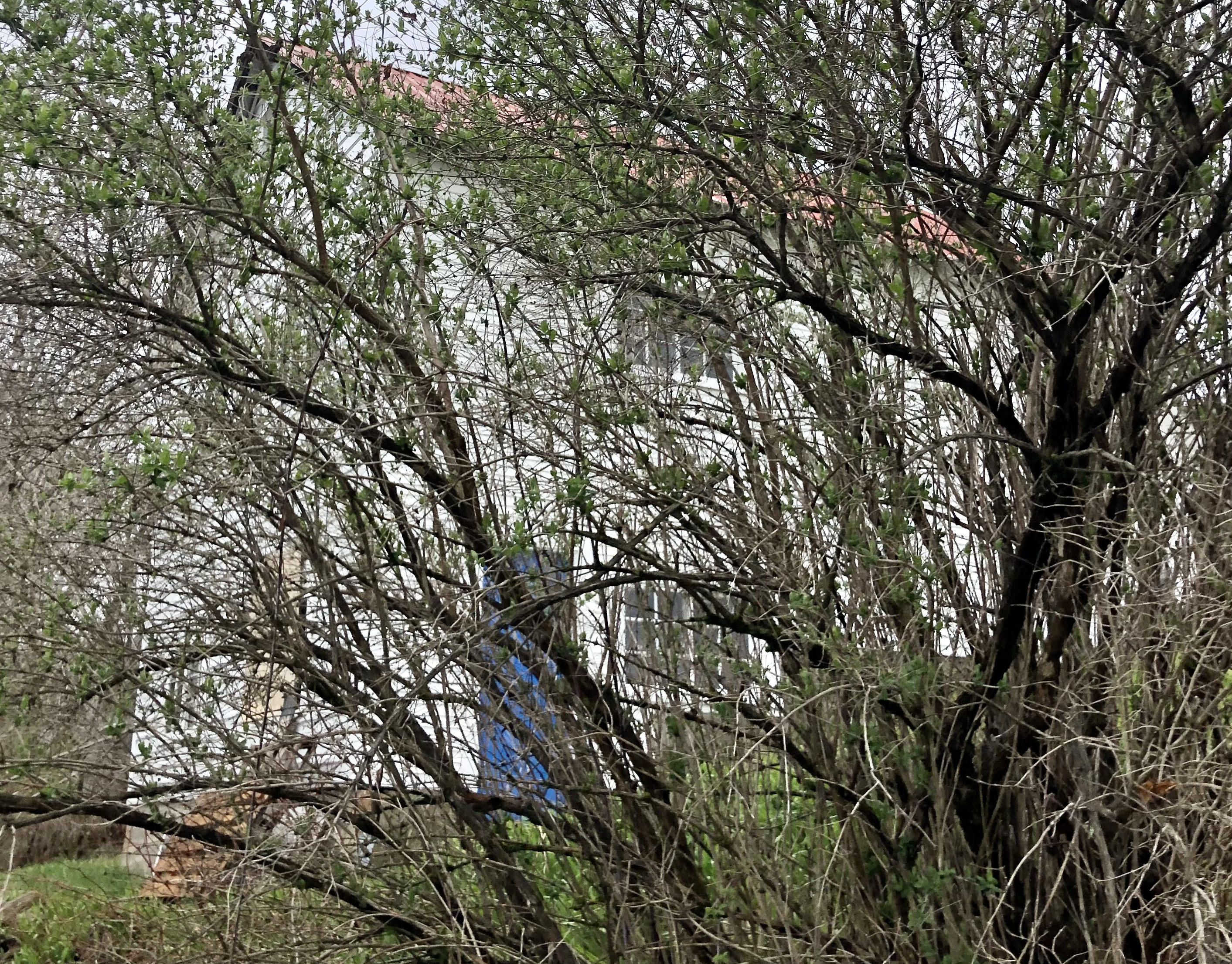
Bouquet of flowering violets spread around our house. Little bits of green buds burst at the ends of lilac branches. For this moment, happy children.

May Day

I have my winter tires switched for summers. In the garage, I ask the owner how he is. He leans back in his chair, shrugs, and lifts his hands.

I know, I say, but it’s May. It’s spring.

He shrugs again. Which sums up where we are now.

May reminds us why we live in Vermont. The world turns gorgeously green. My daughters and I walk and walk, discovering trilliums, rushing streams, the tiniest of leaves. In a world where we’re all worn down, spring’s beauty reminds us that the world spins on.

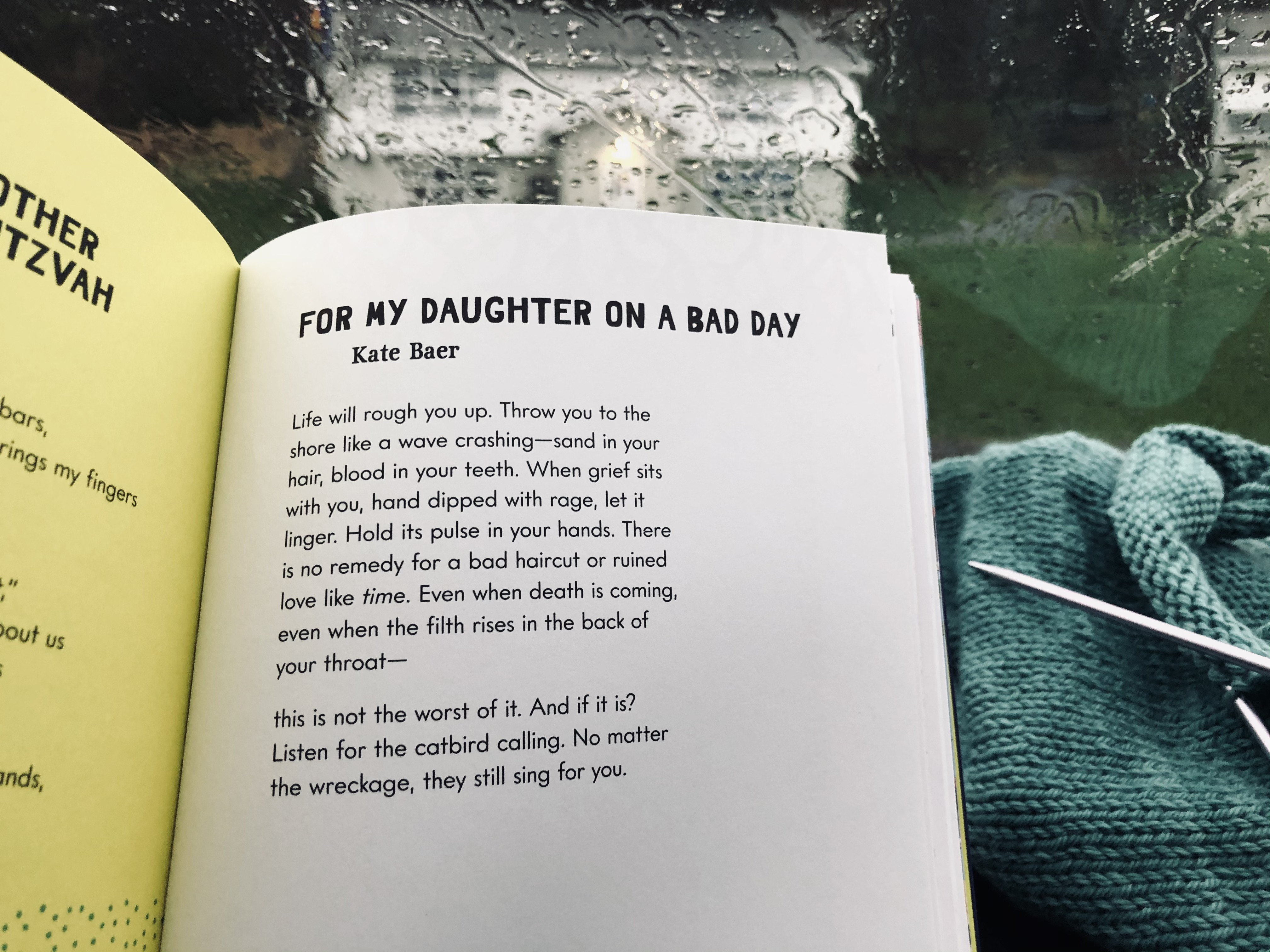
From Diana Whitney’s lovely new anthology, You Don’t Have to be Everything:

I

Wild Friends

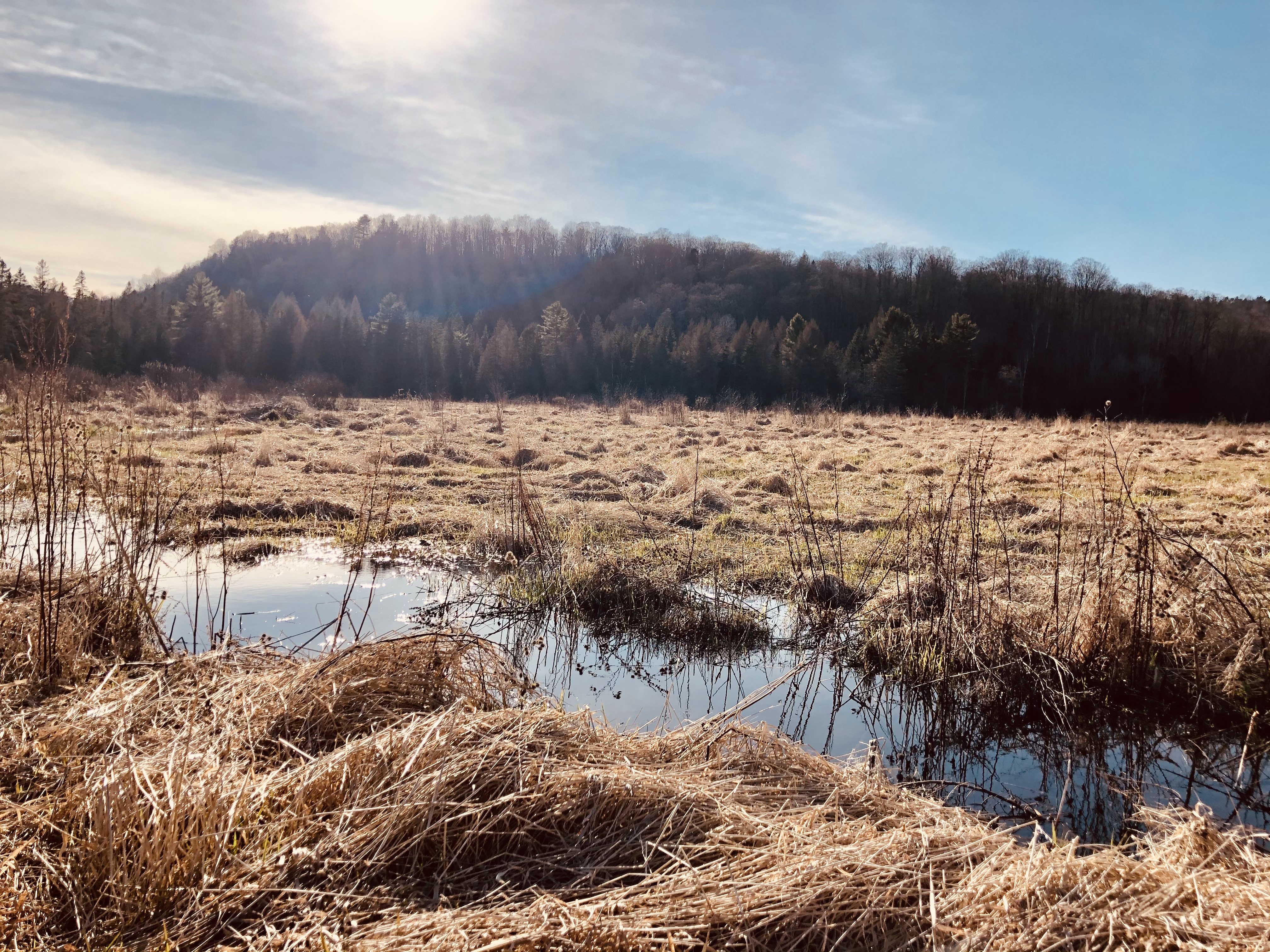
While waiting for my daughter to finish soccer practice, I wandered down the road and discovered three geese gliding through a wetland. I stood at the wetlands’ edge for the longest time, simply watching, as if by observing I can absorb some of their quiet certainty.

Everyday in Vermont, a few more strokes of green, a little more color.

“Empathy is more than putting yourself in someone else’s shoes; it’s using your power to fight for changes that don’t directly benefit you.”

— Tessa Miller, What Doesn’t Kill You: A Life With Chronic Illness — Lessons From a Body in Revolt

Signpost

Earth Day gives us snow in Vermont, that poor man’s fertilizer.

In a lightly falling snow, I lean against a school building, talking on the phone to my brother while my daughter plays soccer. Snow drifts in flakes about the size of a nickel, some melting on the pavement, others accumulating on tree branches and the toe of my boot.

The phone connection is stunningly clear — a surprise in rural Vermont.

As the snow falls, we wonder at the happenstance of circumstances — how the fall of a family member might have gone disastrously awry. Our conversation wanders beyond that, to the Chauvin trial, and the bystanders on that terrible day who, by happenstance, were present, and the teenage girl who pulled out her phone and shared her witness’s eyes with the world.

We’re in no hurry to hang up, and my brother suggests that, if Washington D. C. achieves statehood, the flag’s tidy stars will be kicked out of kilter. Vermont should succeed, he says.

After I hang up, I lean against that wooden wall. A fat robin lands in the snow, seeking a worm. My daughter and two friends walk across the parking lot, laughing, their braided hair damp with melted snow, their cheeks and bare knees bright red. It’s spring.

Somewhere in Snowy Spring….

Through a few inches of snow, I follow stone steps down to nearby Lake Caspian, winding around a cedar-shingled house, holding a railing someone has taken the care to build, baluster by baluster.

The homeowner wants to build a tiny boathouse by the shoreline. While I listen to his plans, I eye the lake visible beneath the bent that hang over the lake. Although I’m wearing my winter coat, I imagine wading in, sweeping my fingers in the cold water.

The few of us stand among white birches, sharing names and stories. Because this is Vermont, we talk about the weather, the need for precipitation, and how everyone’s wood pile is faring. We make our way back up the hill, still talking.

A robin, in a crazed songbird rush, swoops by, nearing clipping one woman’s ear. She laughs.

It’s Saturday. Later that afternoon, I’ll stand in my driveway, talking with my friend about the fat list of things that worry and stress us. But for this half hour or so, I visit with acquaintances and strangers, talking about the area’s barns, how these great structures were built with care. Some remain; some are simply memories.

For listening recommendations, my father passed along this link to This American Life‘s Three Miles.