Bringing Back the Wonderful

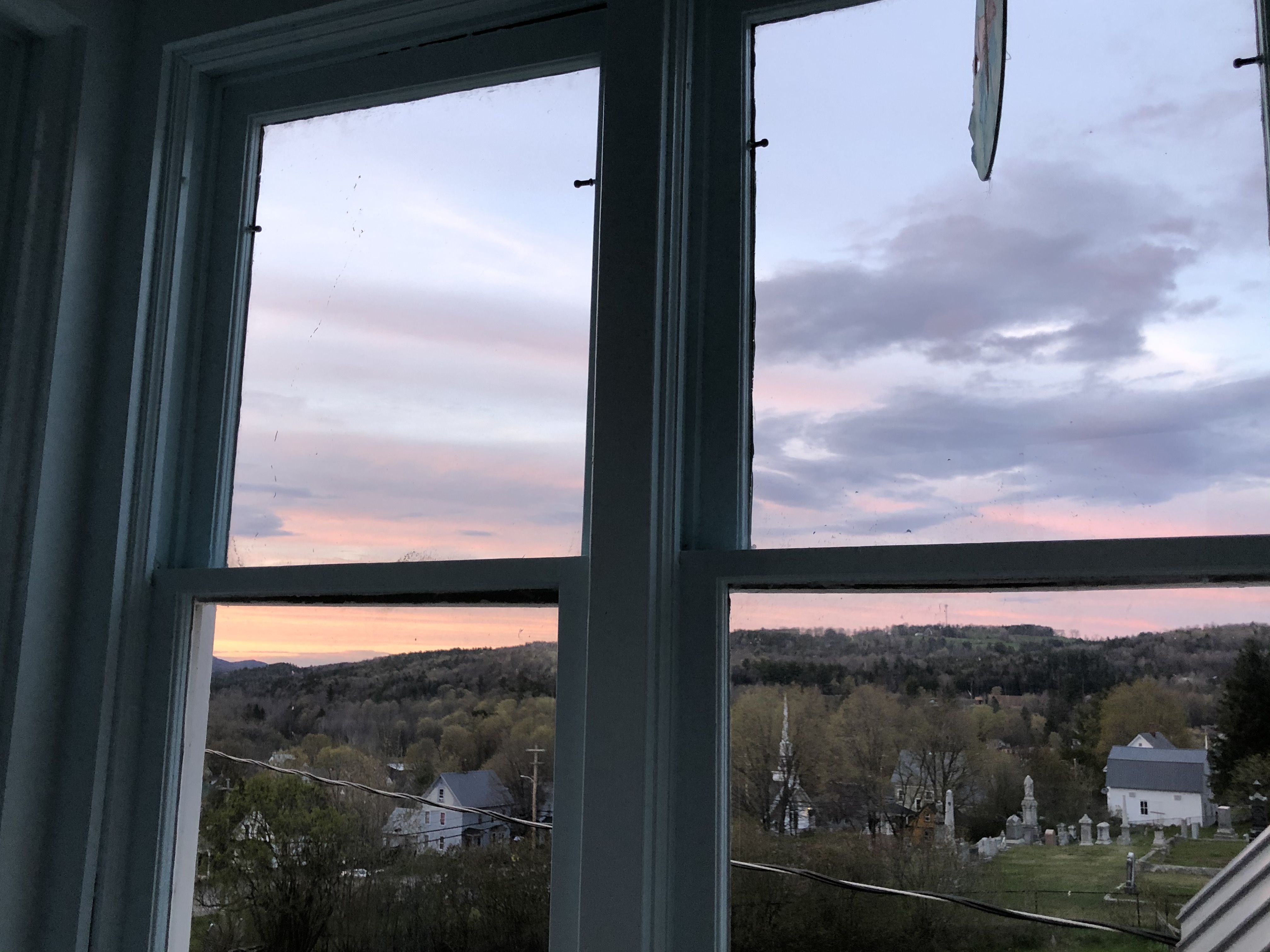
May ends in a welcome rain, and June begins with a watercolor-esque sunrise over our wall of fading lilac blossoms.

This is the weekend when our vaccinated friends stood in our kitchen, talking and talking, and then walked slowly around our downstairs, asking, “What’s happened here in the last sixteen months?”

I showed the window trim I had painted a pale blue, called Innocence.

This was also the weekend I drove my friend and her daughter. Over years, this friend and I have drove endless hours together, and the car I’ve owned for over a year she’d hadn’t even sat in.

The afternoon was rainy. I drove along a dirt road, and the maple trees gleamed a brilliant green. We had been at a ceremony that was both happy and terribly sad, and I was cold to the bone. I turned on the seat warmers.

Seat warmers! my friend said. That’s wonderful.

We started laughing, my friend still hunched against the partly open window, as if that mattered now.

Bring on the wonderful, please.

(Highly recommended reading below…. :))

It was the dandelion principle! To some people a dandelion might look like a weed, but to others that same plant can be so much more. To an herbalist, it’s a medicine—a way of detoxifying the liver, clearing the skin, and strengthening the eyes. To a painter, it’s a pigment; to a hippie, a crown; a child, a wish. To a butterfly, it’s sustenance; to a bee, a mating bed; to an ant, one point in a vast olfactory atlas.

— Lulu Miller, Why Fish Don’t Exist
Box of Darkness

When I was a girl, someone gave me a Sweet 16 barbie doll. We didn’t have a lot of barbie dolls in our house, and these were prized possessions. For years, I thought of my sweet 16 birthday as some vaguely hallowed ground, where I might sprout to 5’9″, with long legs.

That didn’t happen. I never even hit 5′. Doubtlessly, I never grew into that Barbie-and-Ken life, because I’m not plastic. I was a girl and grew into a woman, with a life filled with all kinds of things.

My daughter is just days from her 16th birthday. I’ve been dwelling on this birthday for weeks. In this time, I keep thinking of poet Mary Oliver’s line about her “box of darkness,” and how that box became her fortuitous strength. So much of our culture still pushes our daughters to be that barbie doll, to pretend all is well with the world, to set a placid example of good behavior.

I see my daughter struggle with her desire to succeed at this sugary, glossy image, juxtaposed with her reality as girl edging toward woman.

We all have our unwarranted boxes of darkness. Use yours, I counsel.

By an old temple

a broken clay kitchen pot

in a field of water parsley

— Buson

Small Growth

Seed by seedling, I plant the garden, using my shovel and trowel, my two well-loved tools. The songbirds and the flickering pollinators keep me company in the garden.

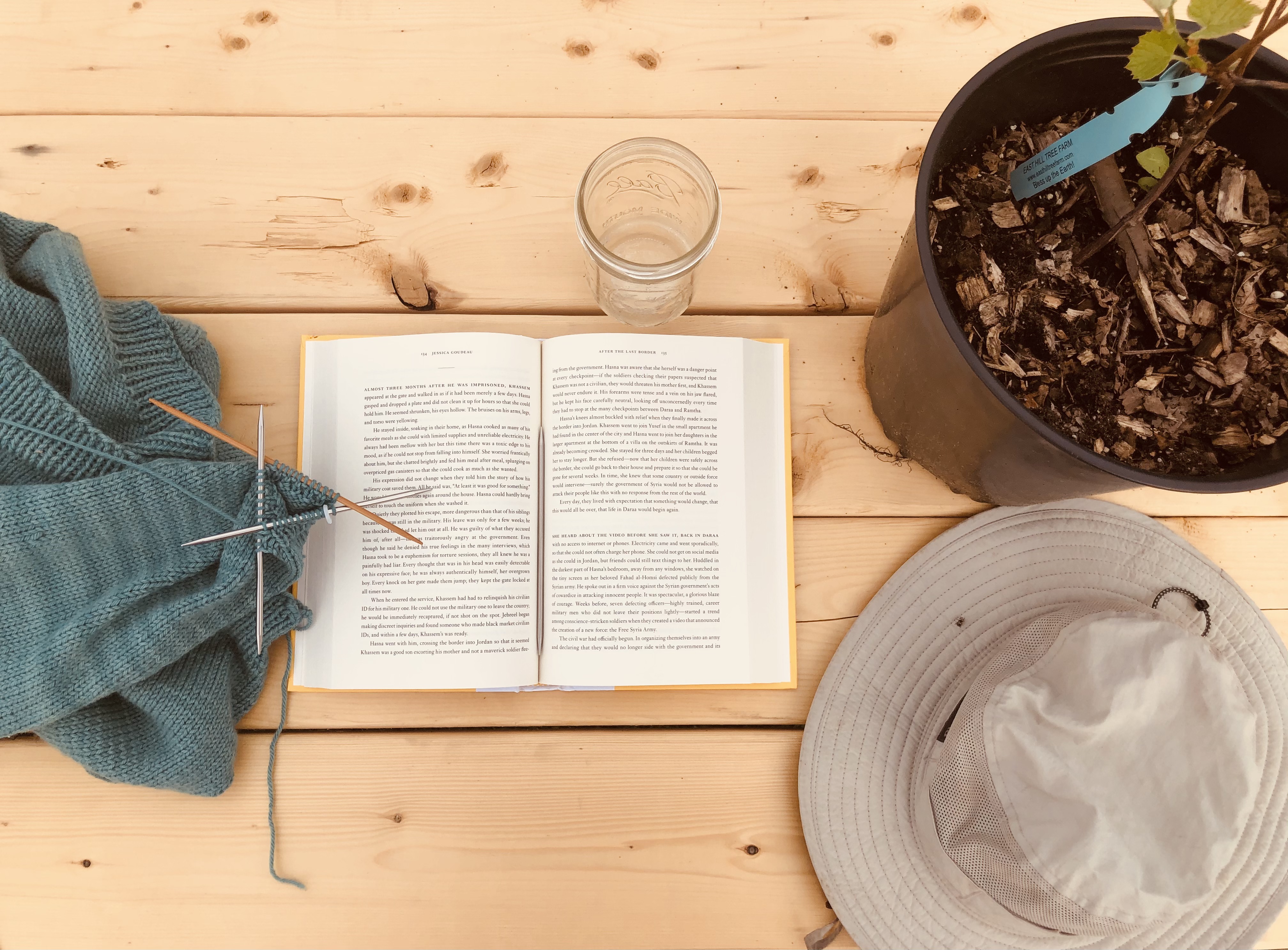
In breaks, I read Jessica Goudeau’s After the Last Border: Two Families and the Story of Refuge in America. This well-written book tells the story of two women, and their families, in places faraway from Vermont.

Meanwhile, in Vermont’s sweet spring, the state rushes along to vaccinate its population, taking vaccination buses on the road, meeting people at beaches and schools, offering free ice cream cones.

In the hardware store, I buy sunflower seeds. Standing outside, I chat with an acquaintance who removes her mask and tells me, You know, if you’re vaxxed, you really don’t need these anymore.

She looks at her mask and then puts it back on again. I feel naked, she says.

It’s 80 degrees. I take mine off and head home to plant those flowers.

But the greatest danger Obama identified was a ‘test of our common humanity — whether we give in to suspicion and fear and build walls, or whether we see ourselves in one another.’

— Jessica Goudeau

In the Garden…

Walking early this morning in the garden, the dew chilly over my bare feet, the thrush sings. The lilacs are opening, blossom by blossom, the deepest violet still closed tightly, not yet ready to reveal.

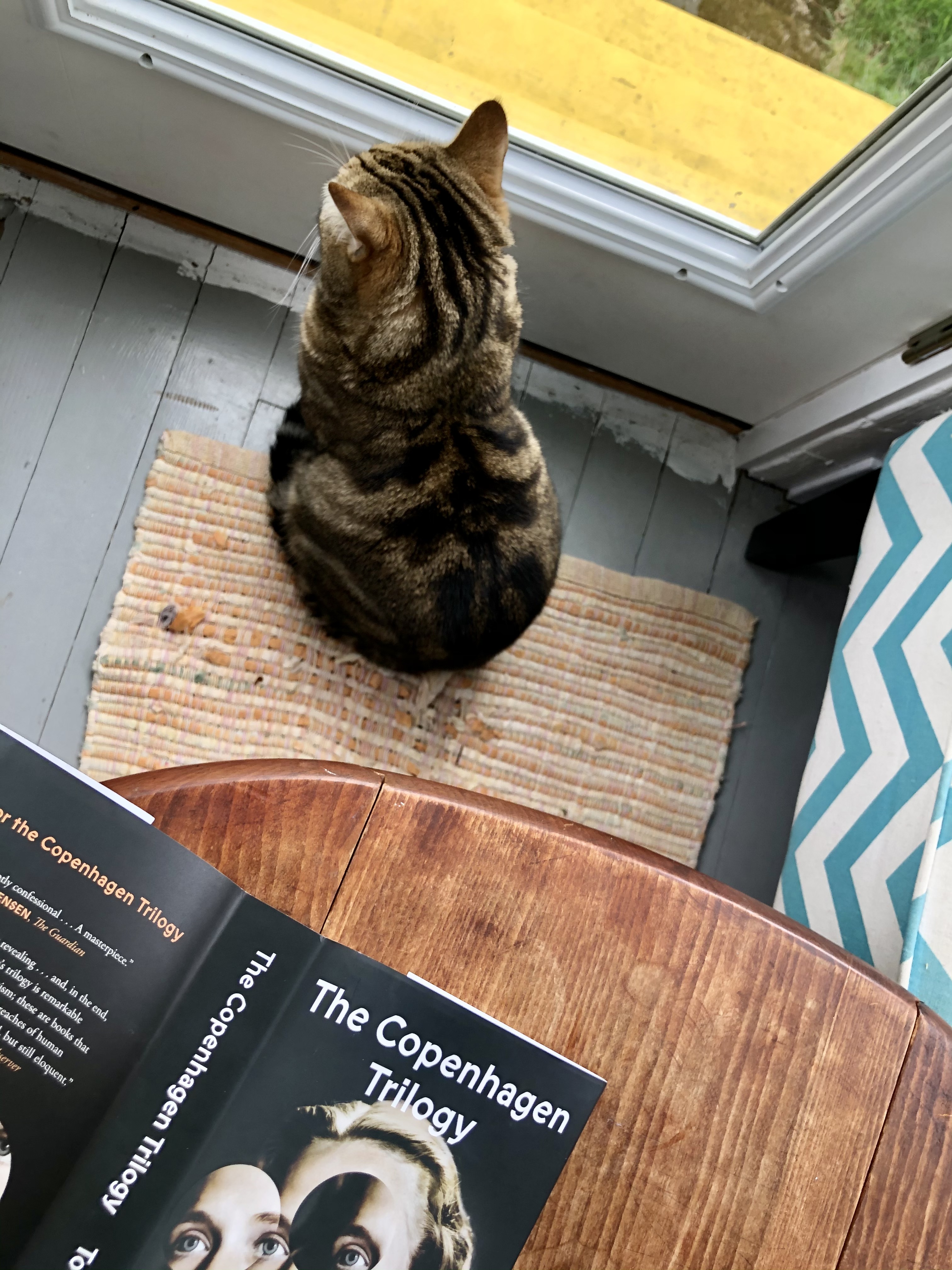
This is good news I remind myself. I look back at my house where our cat sits in my daughter’s bedroom window. She’s sleeping yet, a whole day of sunlight and apple blossoms yet to come.

May. Spring in Vermont. The air this morning is sweet.

A Few Words

My daughter drives through a thunderstorm while, in the passenger seat, I try to conjure all the terrible things she might drive through — sleet and squalls — as if my imagination can create a charm against bad luck for her.

It’s idiotic, I know, but I keep talking until she tells me I’m wasting my words. You keep using up words, she tells me, and you only have so many words to use.

I start laughing. Since when, I ask, is there a limit on words? Hello? As a writer, I believe words are limitless.

No, she says. You only have so many.

And then what? I ask.

Then, you die.

As she drives northward, the rain lessens, and eventually the pavement is dry. We wind through the loveliest landscape of apple trees bent under white blossoms, as if we’ve entered into a watercolorist’s landscape.

I had no idea, I say.

Well, she says, her eyes merry. Now you do.

Travels

Saturday, my daughter and I drive through Montpelier, Vermont’s capitol city. I’m in the passenger seat, as I always seem to be these days, while she negotiates intersects. Who has right-of-way? When can you turn right on red?

Eventually, she parks, and we walk around town.

At a take-out window, I order her a milkshake. Since she can’t walk down the street and drink a milkshake with a mask, we sit on the state house lawn, while she drinks the milkshake. I lie back beneath the immense maple tree and remember nursing her here, sixteen summers ago.

Eventually, she looks at me, and says, There’s so many people.

It’s true; people are walking back and forth to the farmers’ market. College students are playing frisbee. Families are everywhere. But it’s also Vermont and not particularly populous.

At just a few weeks shy of sixteen, my daughter straddles that terrain between girl and woman, beautiful and strong and curious.

Looking at her, I marvel that over a year of her life has been spent in such isolation, our world shuttered up.

On our walk back to our car, we stop beneath the crab apple blossoms and breathe in. Spring.

Yes
William Stafford
 
It could happen any time, tornado,
earthquake, Armageddon. It could happen.
Or sunshine, love, salvation.
It could, you know. That’s why we wake
and look out––no guarantees
in this life.
But some bonuses, like morning,
like right now, like noon,
like evening.