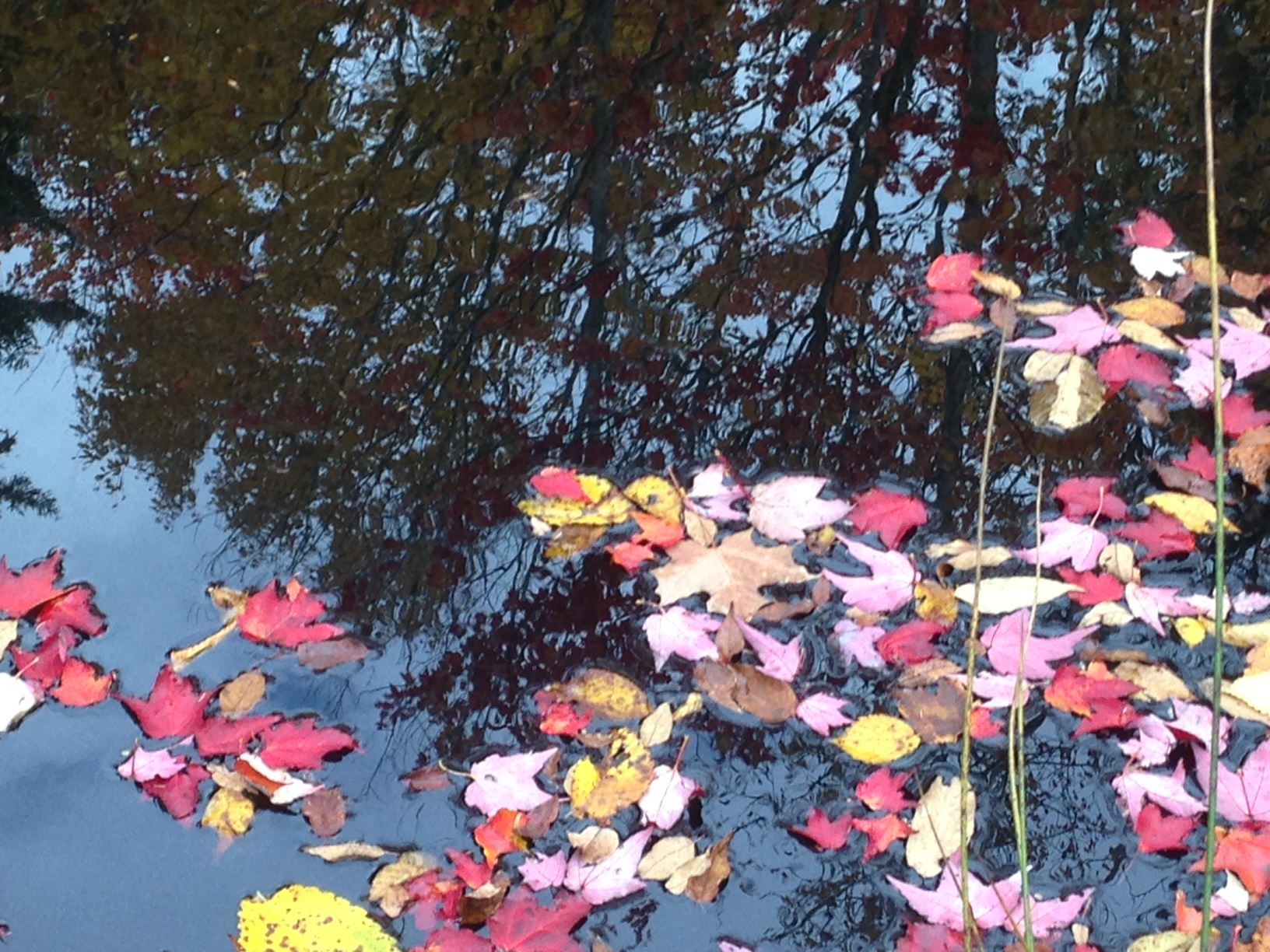
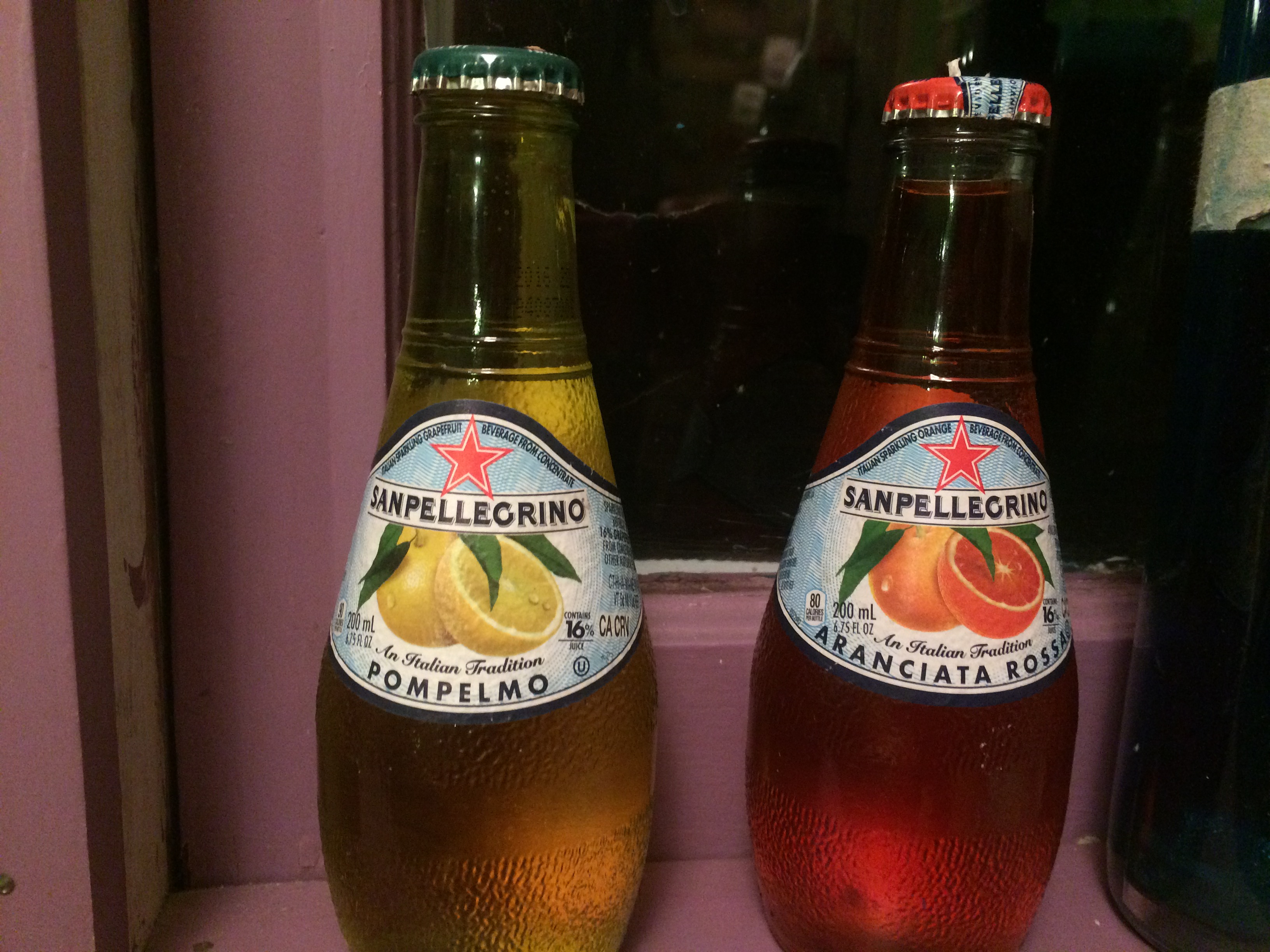
January Dreaming.

The cats and I write in the mornings, ski in the late afternoons. In the middle part of the day, on these cold weekends, I paint the downstairs walls yellow. The yellow approximates the hue and consistently of vanilla cake batter. If this is my way of keeping sane in a pandemic winter, I suppose it’s holding firm enough.

While I paint, I listen to stories about Sidney Poitier, about the teachers’ union strike in Chicago, about Ginni Thomas — spouse of Clarence Thomas. If nothing else, the words remind me that the world goes on. The first room I ever painted by myself was a room I rented in a house on High Street in Brattleboro, Vermont. I was 21. It was July, and the windows were open. I was drinking gin and tonics. Now, water has replaced the G&Ts. I have two daughters, two books, and I’m imagining a little orchard I’m going to plant this spring. Maybe it’s just the yellow paint (or the fumes) but more and more, I dig down into my imagination, into its deep reserves.

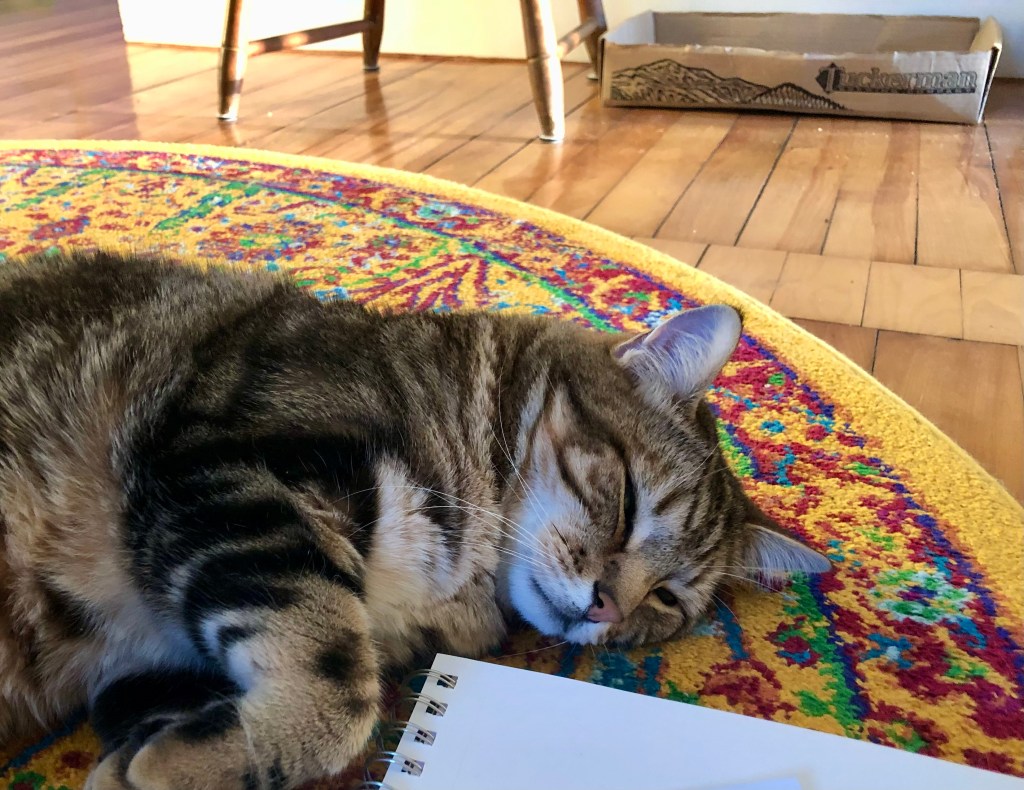
Our cats dream of good cat things: cardinals and tuna on a little flowered plates and sunlight before the wood stove. A loving hand on their furry heads.

Words from Thich Nhat Hanh:

“We have the tendency to run away from suffering and to look for happiness. But, in fact, if you have not suffered, you have no chance to experience real happiness.”

White Stuff

Snow.

Driving back from Burlington, the interstate is snow-and-slush-covered, and the green Montpelier exit sign is nearly concealed. The conditions are nearly white-out, and I know where I am mostly by the long bridge over the Winooski River. I know the train station at Montpelier Junction is below, and that my family has walked on the railroad trestle over a summer-slow river.

In Montpelier, passersby walk with their faces turned down from the wind and blowing snow.

Then it’s all backroads home for me, driving on unplowed roads over ice-rutted dirt. Where fields loom up, the edges of the road disappear, and I’m driving more by memory than anything else. It’s March, and my snow tires have been hard-used for three or four years now, and I’m fed up with hearing about people’s trips to places with palm trees or, heck, even open water. March is the eternal Vermont month.

In Woodbury, the village that doesn’t even have a store now, I pull into the library to work a little longer before I head back to my daughters. As I walk by the elementary school, I see the children have built an enormous snowman, so tall I imagine adults must have helped with this.

After all that driving, bent over the steering wheel, just me and VPR and that eternal list running through my head — and who will take care of my daughters if I spin off the road and disappear? — the snow falls silently. The flakes twirl slowly, sheltered here from the wind, graceful as the season’s first snowfall. It’s so lovely I can imagine making a day of it, if I would just keep walking.

Nirvana is not something that we should search for, because we are nirvana, just as the wave is already water. The wave does not have to search for water, because water is the very substance of the wave. Living deeply makes it possible to touch nirvana, our ultimate reality….

— Thich Nhat Hanh

IMG_1339.jpg

Woodbury, Vermont

Financial Aid Lingo

Tonight, my older daughter and I sat in her high school library listening to a power point presentation on college financial aid – don’t nod off right now! Sitting there, wishing I had a cup of coffee, I glanced at my daughter’s eyes glazing over as she doubtlessly sat thinking of something else entirely. I added up the loan amounts for four years of college (holy cow!) and underlined my note: Don’t miss deadlines.

On our way out, I asked for the presenter’s email address, and she asked me if I had gone to collegeI told her I had, but my dad filled out the forms – and that was in the prehistoric non-digital age. The woman commiserated that my dad had to xerox tax forms.

Driving home, my daughter remarked that no one used the word xerox anymore. Why do you and grandpa keep doing that? The word is copy.

I assured her xerox is definitely a verb. Like a more modern version of mimeograph.

She was silent a moment, driving through the darkness, and then she asked, Mimeograph? What’s that?

… Sometimes, I see parts of myself in my older daughter – an exasperation I had when I was younger at the adult world’s infuriating mediocrity, a why-can’t-you-get-yourselves-together-ness.  At sixteen, on the cusp of stepping into her adult life, the whole great world of love and desire and ambition (and heartbreak, inevitably, although not too much, please) yet to spin out before her. And then sometimes, in that cyclical way time moves, I see my father reflected in me, all those careful files he kept, putting his three kids through college.

At home, I laid the evening’s materials in a folder on my desk. My daughter came into the room and asked with great seriousness, Can we do this?

I smiled at her. Piece of cake, I assured her. Meet deadlines, stay organized, follow the rules, fill out all the forms. 

Forms are the easy part.

When we are loved, we wish the other to recognize our presence, and this is a very important practice. You must do whatever is necessary to be able to do this:  recognize the presence of the person you love….

— Thich Nhat Hanh

Small Pond in Woodbury, Vermont

Small Pond in Woodbury, Vermont

Bridge Over the Abyss, With Baby

Today, in a grassy field, with sunlight everywhere and school children running around, another parent told me about a long bridge he had frequently crossed as a young man, and how at times he had been afraid of that bridge. Today was so quintessentially Vermont, with a hike through the woods behind the school, little kids and big kids, just fifty in all. The grass was warm, and my daughter and I ate wild apples we had picked the evening before.

The parent’s description was entirely metaphorical – he had now progressed far enough into his life, over that halfway point, that he felt darn certain if the Subaru went over the bridge, he and the kids would pull through.

Listening, I remembered when my older daughter was one, a baby chewing on a stuffed rabbit, and I was driving down the Vermont interstate to visit my parents in New Hampshire. I was driving a beat-up red Toyota pickup too big for me, and I wasn’t able to fasten the safety belt as I sat so far forward to reach the clutch. At highway speed, I approached a long bridge spanning the White River. By chance, I happened to see the bridge in just a certain way, at great speed, and I saw how enormously high was the bridge over the river far down below in the valley.

I had a sudden fear that I absolutely could not traverse such the narrow path over that abyss. I slowed and saw a highway worker along the shoulder, and I had an abrupt impulse to stop and beg this man – a complete stranger – to drive myself and my baby across that bridge.

I didn’t, of course. Somehow I knew I would have to get myself and my baby from here to there, in whatever rattletrap I was driving. Since then, I’ve driven both daughters over many bridges, through all kinds of snowstorms, and once through a terrible ice storm, and I’ve always ferried them safely home.

But like my parent companion today, I often see that abyss beneath us, an intimation of our own morality, and yet I press on. As I drove over that bridge on my fearful day, however, I slowed more than perhaps was prudent on an interstate, and I steeled myself to peer over the guard rails. Far down, in the same tenor of autumn sunlight I sat in today, the bend of river glowed like gems.

Albert Camus wrote a novel, The Stranger, in which his character, Meursault, is condemned to death. Three days before his execution, he is able for the first time in his life to touch the blue sky. He is in his cell. He is looking at the ceiling. He discovers a square of blue sky appearing through the skylight. Strangely enough, a man forty years of age is able to see the blue sky for the first time. Of course, he had looked at the stars and the blue sky more than once before, but this time it was for real. We might not know how to touch the blue sky in such a profound way. The moment of awareness Camus describes is mindfulness: Suddenly you are able to touch life.

–– Thich Nhat Hanh, True Love
IMG_8872

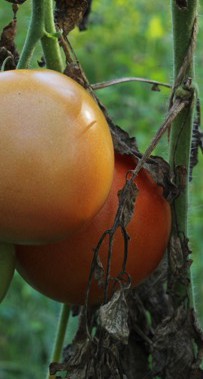
Tomatoes on the Way Out/Photo by Molly S.
Ordering our Space

My daughter brought in her treasures from her creme stand today, preparing for winter. The creme stand, passed down from her older sister, is an open-sided playhouse complete with salvaged gems:  a dented wok, a rusting percolator found in a farm dump, a broken food mill, and bottles and jars and containers. Back in the summers when I sold maple syrup, I bought hundreds of dollars worth of bottles every year, and I often acquired special bottles at her request. Bottles in the shape of a smiling sun, a crescent moon, a sugarhouse, a miniature heart. Whatever hasn’t broken has been bequeathed to the second daughter. Following her older sister’s lead, these bottles are filled with colored water, and hence the need to gather before the water freezes in the coming cold.

Likewise, today, I’m gathering tomatoes, pulling spent plants, putting to end-of-season rights what I can. So today, this Sunday at home, my daughter put her things in order, too.

We must bring about a revolution in our way of living our everyday lives, because our happiness, our lives, are within ourselves.

––Thich Nhat Hanh

IMG_2672

Photo by Molly S.