October Afternoon.

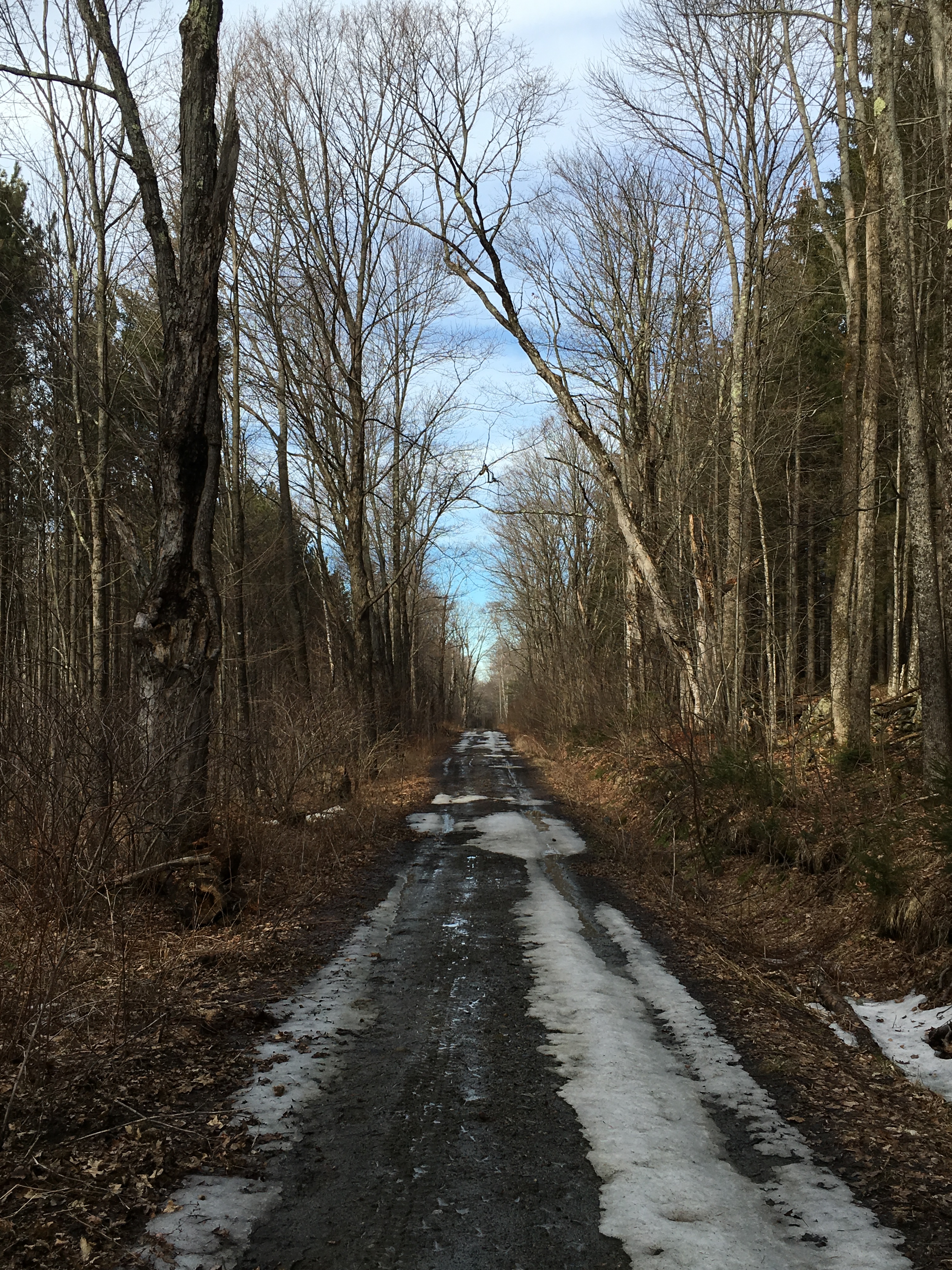
On my way back to Hardwick, I’m stopped in road construction on the County Road. While I wait for the steamroller, I glance at the passenger seat and notice my knitting has slipped from my bag. The project is a simple hat, and the yarn slid from the needles. To save my work, I lift the unfinished hat and slide the stitches back on the needles.

Just before my car hood, the woman in bright yellow holding a STOP sign leans against the pole. I turn off my Subaru engine, thinking of where I’ve come from and the high school soccer game where I’m headed. How quickly cold shadows edge in when the sun slips behind the mountains at this time of year. The mountains around the road dazzle with crimson and gold, but gray is visible in patches, too. Stick season marches in inexorably.

I’m at the town line somewhere between Montpelier and Calais. A few years ago, I sold our arch — the long firebox and pans used for making syrup — to a man who said he’d pick it up in a few months. His address was in this area. I promptly cashed his sizable check. He didn’t return. More than a few months later, I had sold the house, too, and my daughters and I were moving. I wrote list after list with things like pack canning jars and Salvation Army drop-off and get rid of Toyota transmission in shed. On those endlessly reworked lists, I added arch must be moved. While tracking down the buyer, I discovered an unspeakably sad thing had happened to his family a number of years before he wrote me that check.

I found him. He arrived with a friend and loaded the arch on a trailer. He and his friend were older than me, in a different phase of their lives than I was. They spoke kindly to my daughters.

For just a fleeting moment, still waiting for that steamroller to move, I remember that arch precisely. Stainless steel, black metal, the scrape of a shovel on firebrick.

The woman with the STOP sign appears at my open window. I expect her to chide me for daydreaming. Instead, she points to a nearby pond where a flock of geese have landed. The sun hits the sugar maples around the water. There’s so much in that moment — the clamoring and splashing birds, the stunning leaves, that crystalline memory, the sunlight and green yarn in my lap. The woman tells me, “Head on when you’re ready.”
Spring, 5:58 p.m., Wednesday

My 13-year-old’s bouncing like her once-beloved Tigger. After school, she’s ecstatic, with no particular reason. All through the afternoon, through cooking dinner together, hopping on one foot from the kitchen to the dining room, setting the table….

What’s up? I think. And then I know. I force myself to drop the adult crabbiness, forswear off my intention to adhere to my list.

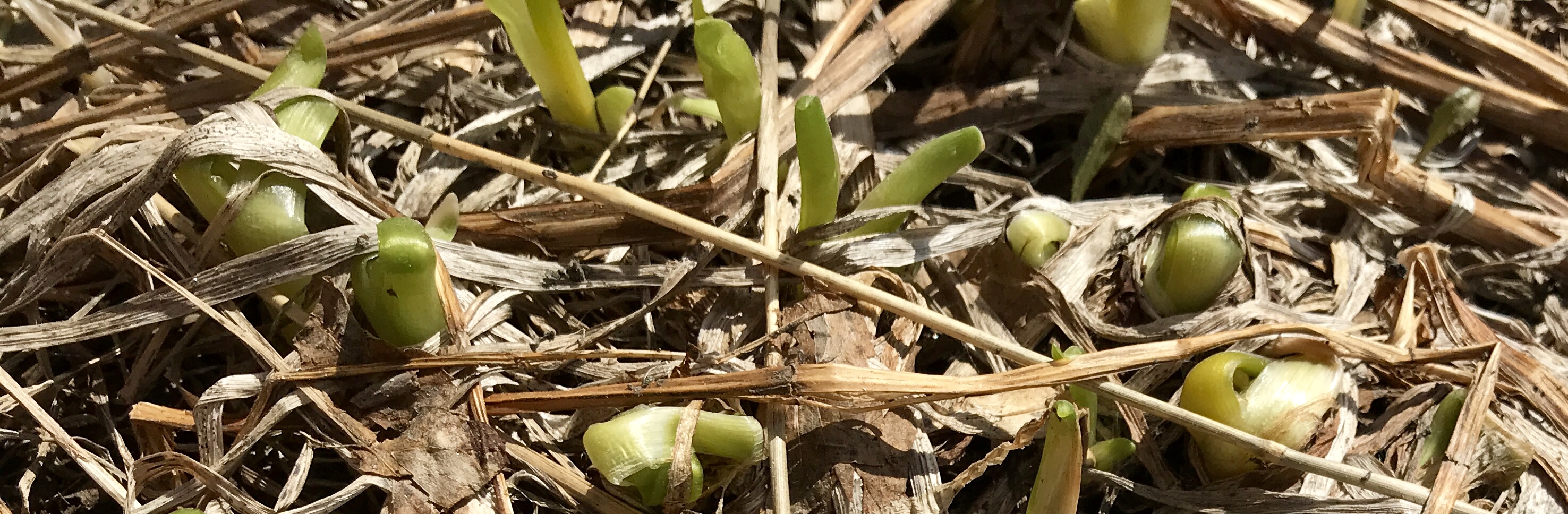
It’s spring fever, and there is no cure. There’s only revelry.

11 years ago, give or take a few weeks, I dragged myself in from a long sugarhouse day, got my two and eight year old daughters to sleep, picked up The New Yorker, and read this poem by Louise Gluck.

Still one of my favorite poems, these lines remind me of how this harsh season reflects not only Vermont but the long seasons of a human life. Spring is hard-earned here. We savor it more for that.

It’s a little early for all this.
Everything’s still very bare—
nevertheless, something’s different today from yesterday.

IMG_4953.jpg

Wander with Laughing Teens

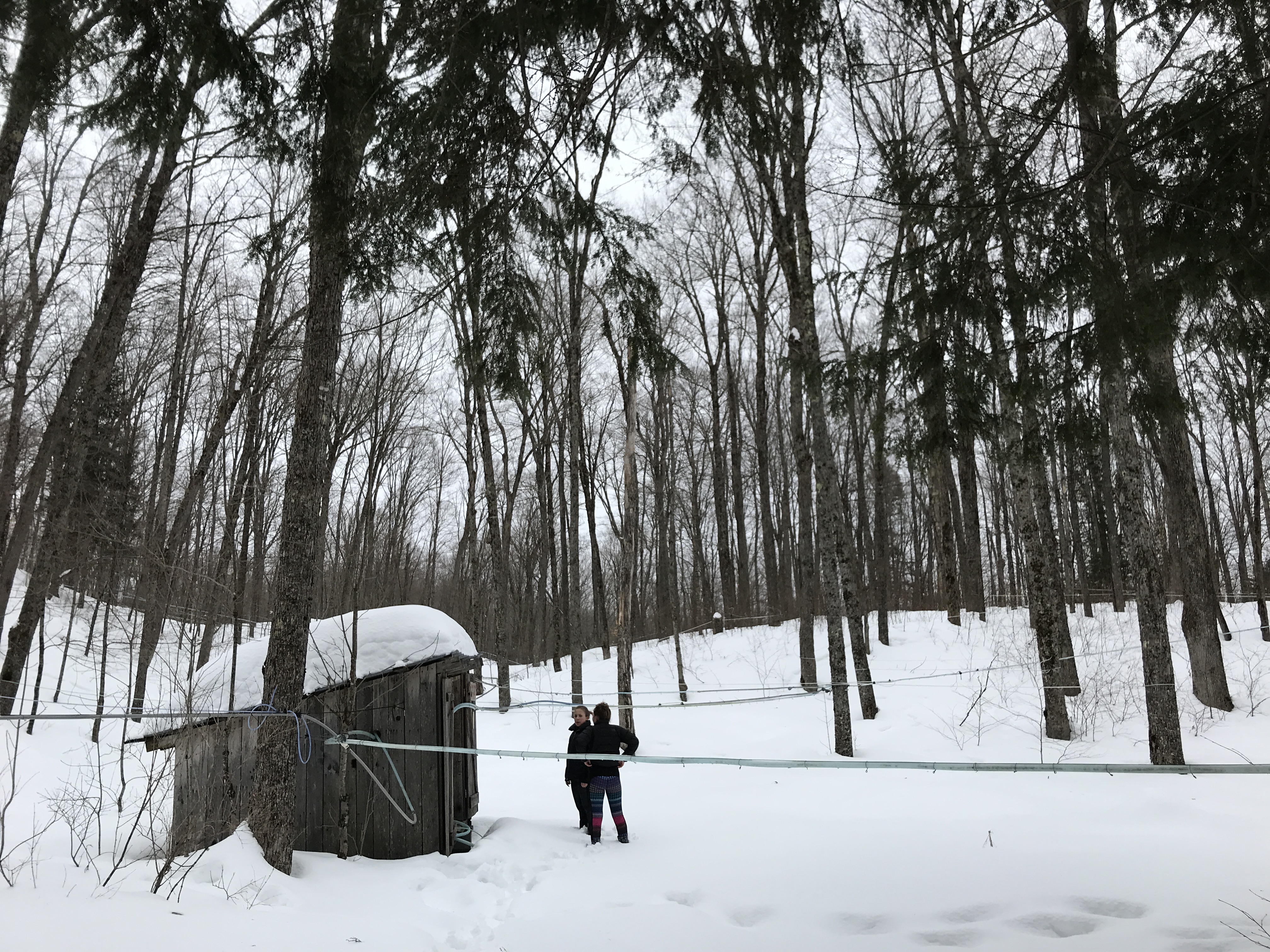
The girls put effort into dressing for a walk through the sugar woods — hair up and all in black, save for a borrowed pair of colorful leggings. In capitulation to winter (which remains), I exchange my holey and holy jeans for a better pair and pull on a raggedy sweater.

We’ve stretched into Sunday and into winter school break, with waffles in the shape of maple leaves and needlepoint projects the girls have pulled out of drawers. I’ve finished my taxes and offered what was apparently an incredibly dull overview of federal monies — who profits, who doesn’t. It’s no loss — the girls shake off the warmth of our kitchen and greet the wet woods and sprinkling rain with joy.

The woods are misty and ghostly, crisscrossed with animal tracks. The maples bend overhead, whispering their secret language. The 13-year-olds jump on each other’s backs like puppies, giggling, and empty snow from their boots.

After reading Donald Antrim’s harrowing essay in the recent New Yorker, I picked his memoir, too.

People are fond of saying that the truth will make you free. But what happens if the truth is not one simple, brutal thing?

— Donald Antrim, The Afterlife: a memoir

IMG_4779

Hardwick Town Forest, tapped in for sugaring


Marvelous March Madness

Spring may be fêted with pastel bunnies and pale eggs in the Hallmark and Nestle worlds, but Vermont’s spring must be brutally strong to break winter’s back.

Thaw, and the ice pounds back. Melt, and freeze steals into the night.

The hardest I’ve ever worked in my life is sugaring season. When my younger daughter was two, I remember lying with her under the skylight over our bed, completely spent, reading Louse Gluck’s poem in The New Yorker. I had little time for reading in that season, and this poem always reminds me of this season’s pithiness, the stubborn desire to press on through mud and ice, toward the blossom season.

The sea doesn’t change as the earth changes; it doesn’t lie. You ask the sea, what can you promise me and it speaks the truth; it says erasure

Nothing can be forced to live.The earth is like a drug now, like a voice from far away, a lover or master. In the end, you do what the voice tells you. It says forget, you forget. It says begin again, you begin again.

From March by Louise Gluck

IMG_1295.jpg

Spring Fever

Since the time change, my ten-year-old daughter cannot sleep. At 10:30 last night, she peered from her bunk bed, cheshire cat-like in the dim room, insisting she couldn’t sleep because she was excited. But I don’t know what I’m excited about!

I reached up and held her slim, warm fingers. It’s spring fever, I told her.

But I don’t have a fever….

All day long, as much as possible, she’s outside, poking a stick in running streams, painting her fort beneath the pine trees, biking up and down with road with her friend. The two of them run into the kitchen, breathlessly excited about spying on her father and his friend in the sugarhouse. Their stories spill out about biking through icy puddles and finding turkey tracks along the road. Beneath our boots, more of the earth reappears in its muddy glory every day, shaking off winter. Spring!

….And does it not seem hard to you,
When all the sky is clear and blue,
And I should like so much to play,
To have to go to bed by day?
– Robert Louis Stevenson, “Bed in Summer”

IMG_1250

Molly S. Photo/Woodbury, Vermont

The Sweet Spring Season

Signs of spring:

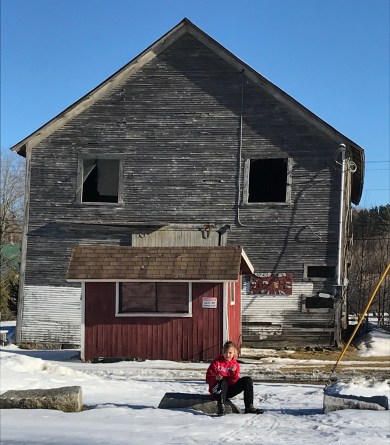
The school busses won’t travel on the backroads due to impassably muddy stretches. The superintendent sends an email: Drop off your kids to meet a bus at the corner barn…

An enormous flock of singing blackbirds in a single maple tree beside the post office.

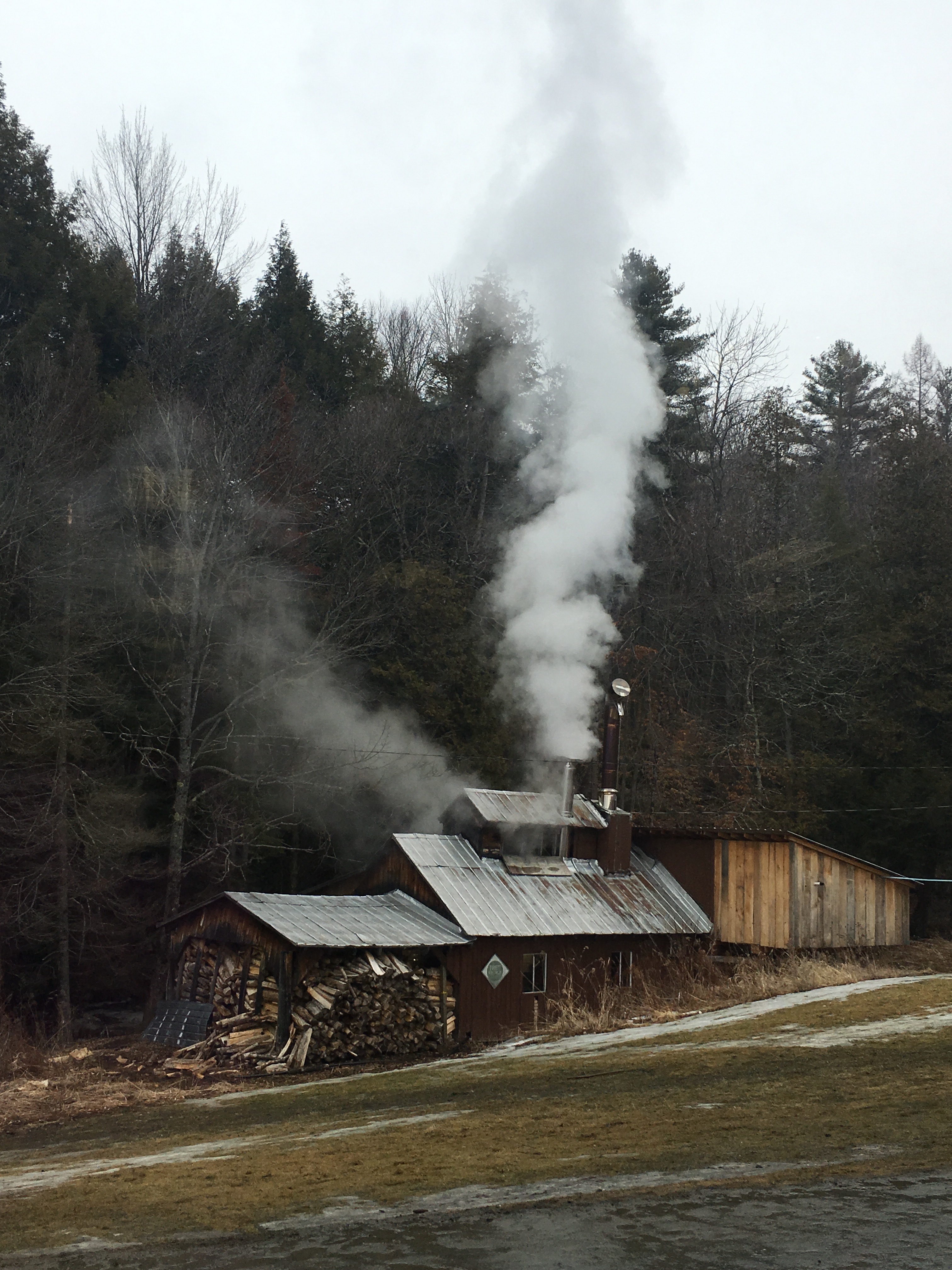
Steam from the sugarhouse sweetening cold fog; April’s come early, this year.

April is the cruellest month, breeding
Lilacs out of the dead land, mixing
Memory and desire, stirring
Dull roots with spring rain…
In the mountains, there you feel free.
I read, much of the night…

– T.S. Eliot, The Waste Land

FullSizeRender

Hardwick, Vermont/Photo by Molly S.