“You ask the sea, what can you promise me…”

About 17 years ago – in what doesn’t at all seem like another lifetime but part of these continuous decades I’m living, I walked in the dark from our sugarhouse to our house with my two children. Having worked all day, I’d received a reprieve from sugaring and carried up the dinner chili pot and dirty bowls and spoons. March, the nights are always cold, although sometimes a balmy breeze stirs up as a teasing promise of spring.

I threw the kids’ soaked snowsuits in the washing machine (in those days, the washing machine was always churning) and banked the wood stove. I was knitting something from yellow yarn. What this was – a child’s cap, a gift pair of mittens – I can no longer remember. But I remember reading Maurice Sendak’s Chicken Noodle Soup with Rice to my five-year-old, who slept beside me, profoundly as a child sleeps, her cheeks flushed rosy from a day outdoors. In these hours of making syrup, the children had brought in the mail from the driveway box.

The house was warm after hours in the unheated sugarhouse and also cold, since no one had fed the fire all day. I opened The New Yorker and read “March” by Louise Glück, a poem I probably quote every March in this blog. 17 years later, I’m still reading this poem, even as that kindergartener is now a college sophomore. There’s that cliché, in like a lamb, out like a lion, but March is often lion and lamb, all the time. Now, 17 years later, less impatient with spring’s maddening dawdle, I no longer read Maurice Sendak. Yet, unlike the triteness that when the children are grown, they’re flown, our family delves into my disease, digs hard at the stuff of what family means.

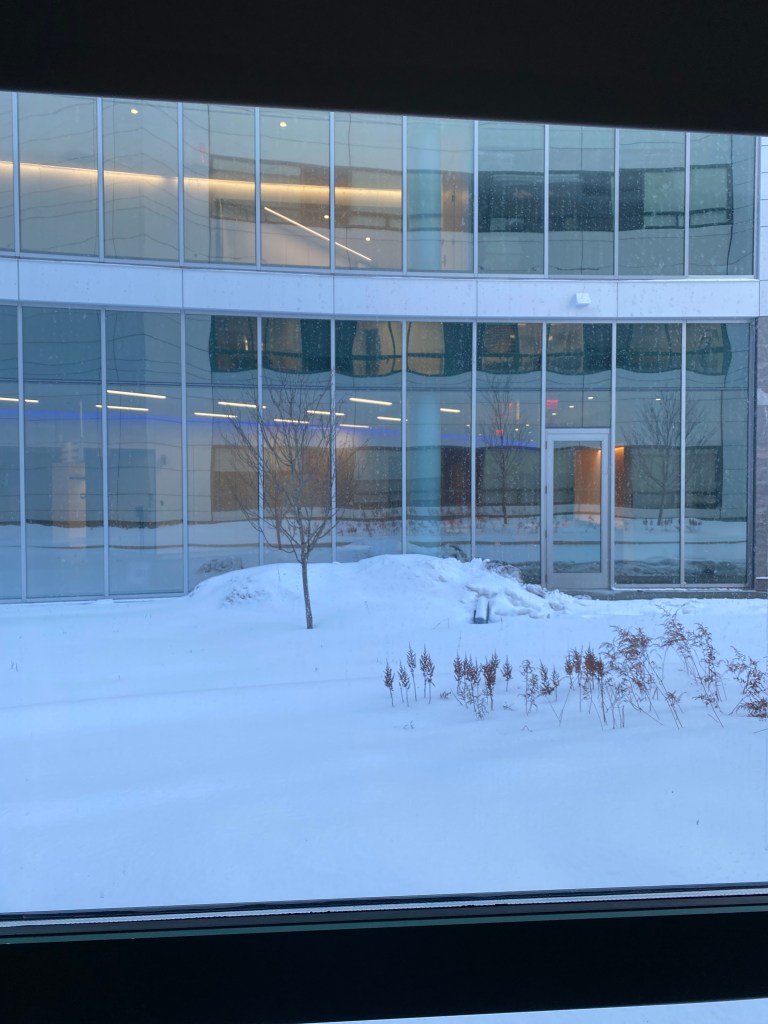
Still at Dartmouth, the nurse muses this morning about nine degree temperatures. March is a brutal tease and may leave more sharply than she arrives. But it’s March. The earth will thaw. The universe ambles along, dragging us, too.

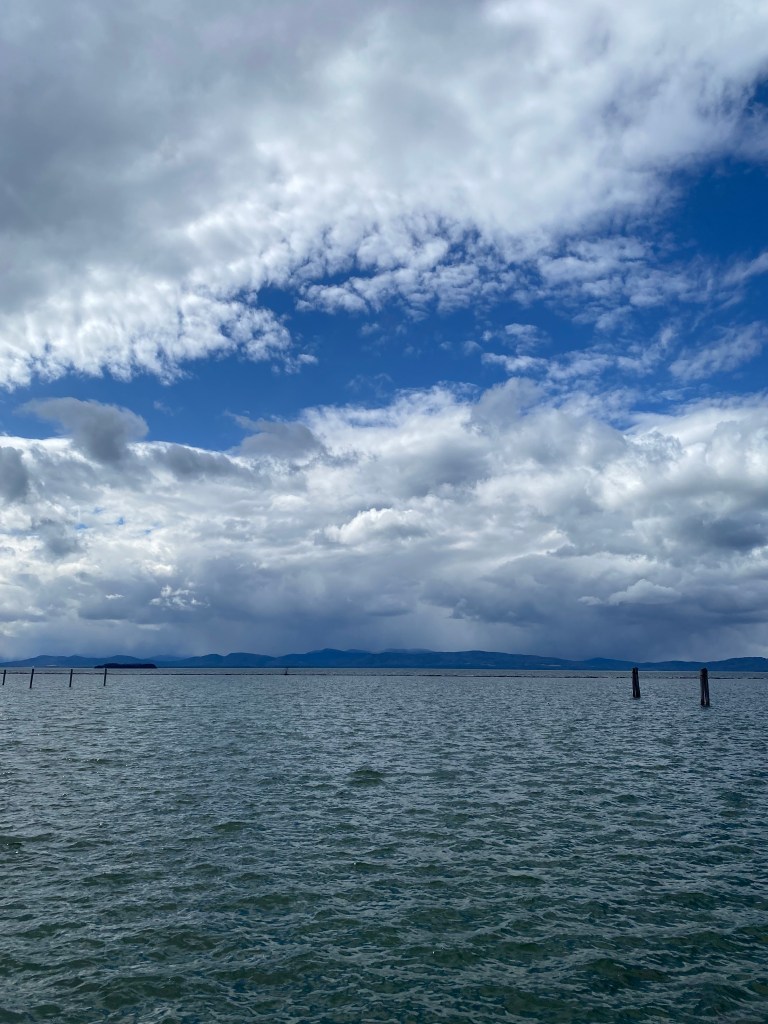
You ask the sea, what can you promise me
and it speaks the truth; it says erasure….


The earth is like a drug now, like a voice from far away,
a lover or master. In the end, you do what the voice tells you.

Sips of May.

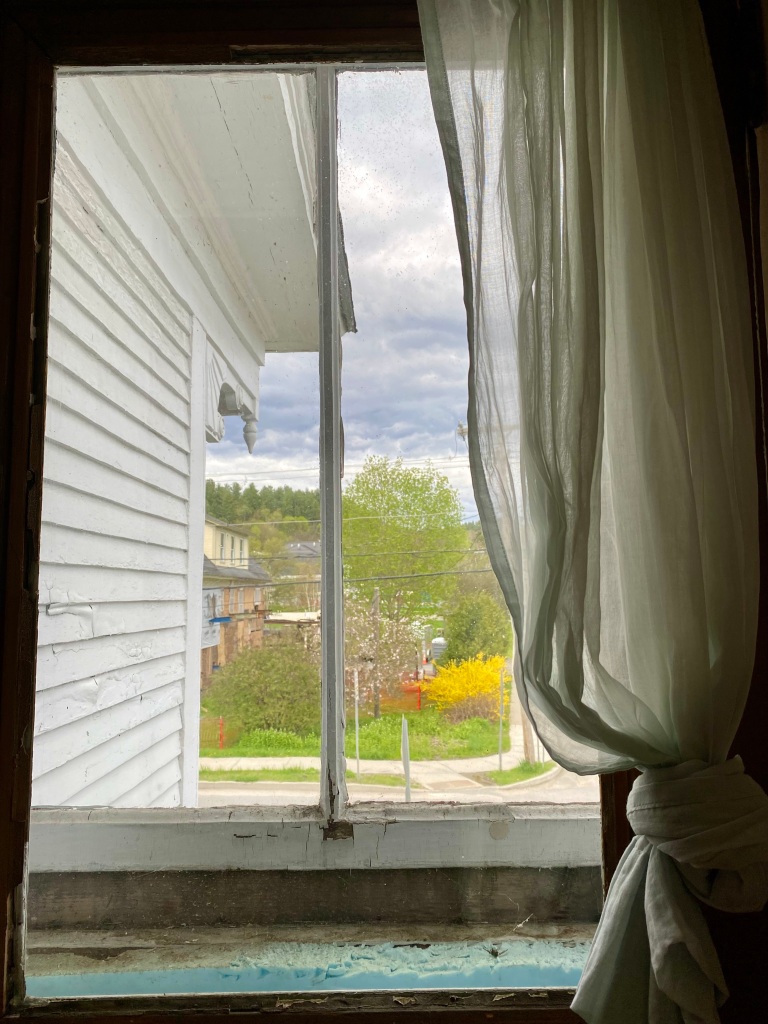
As the spring dusk settles down, I’m wandering around the edges of my garden. The lilacs have just begun opening, a tiny four-petaled blossom here, another there, the remainder of that lavender flower still knotted, not yet relaxed into the wide open spring season.

I’m in my ragged jeans, dirt under my nails, when my neighbor pulls into her driveway and gets out of her Prius. She’s wearing what she calls her rag-bag dress, and the two of us make a kind of pair. I’ve known her since our oldest kids were babes in arms, not yet eating smashed carrots.

It’s been a year for each of us — and I mean that: a year. We both have college-aged kids in and out of our houses. Under the fragrance of pear blossoms, we immediately head into that long-running conversation we have about her work and my work, about writing and art, about aging parents. The half moon rises over my apple tree.

May, in all her radiant beauty. Here I am, with a hundred chores in one day — a hot water heater repair, more writing, plant arugula and Brussel sprouts, my constant fiddling with the wood pile, the daughter chat. How this Vermont world loves to green. Yes, and again, more, yes, yes.

A little Madness in the Spring.

Post-eclipse, rain moves in, balmy tinged with cold. Rain will force spring’s green. Our lives spin on — of course, of course — but the eclipse and all its radiant glory trails us, the collective experience of the cosmos’ unflinching steadiness and how the heavenly bodies align, majestically moving in their infinite complexity. No stasis in this life.

Someone recently asserted to me the caliber of her character — I’m a good person — and the phrase lingers with me, far more a reflection of my wavering self than of the speaker. We’re so unlike the celestial bodies, our mortal bodies driven by gravity and time, but our actions dominated by our uniquely strange brew of our jumbled lives, passions, weaknesses.

The eclipse’s profound beauty for a few moments swept away the pettiness of our thin ideas, our nattering chatter about so much that, in reality, amounts to scant little. Perhaps the eclipse unified us not only by its luminescent beauty, but tugged out the finer strands of us, too.

For a day or two, Vermont was jammed with visitors from so many places. Vermont’s not unique with much that’s happened in recent history — floods and wildfire smoke, the pandemic, and division and division and division. My state also has some of the greatest privileges on the planet: absence of warfare, significant wealth. Let the eclipse bloom last long, carry us through a muddy spring and into summer, keep us questioning what our own goodness might mean, and how goodness transmutes into action.

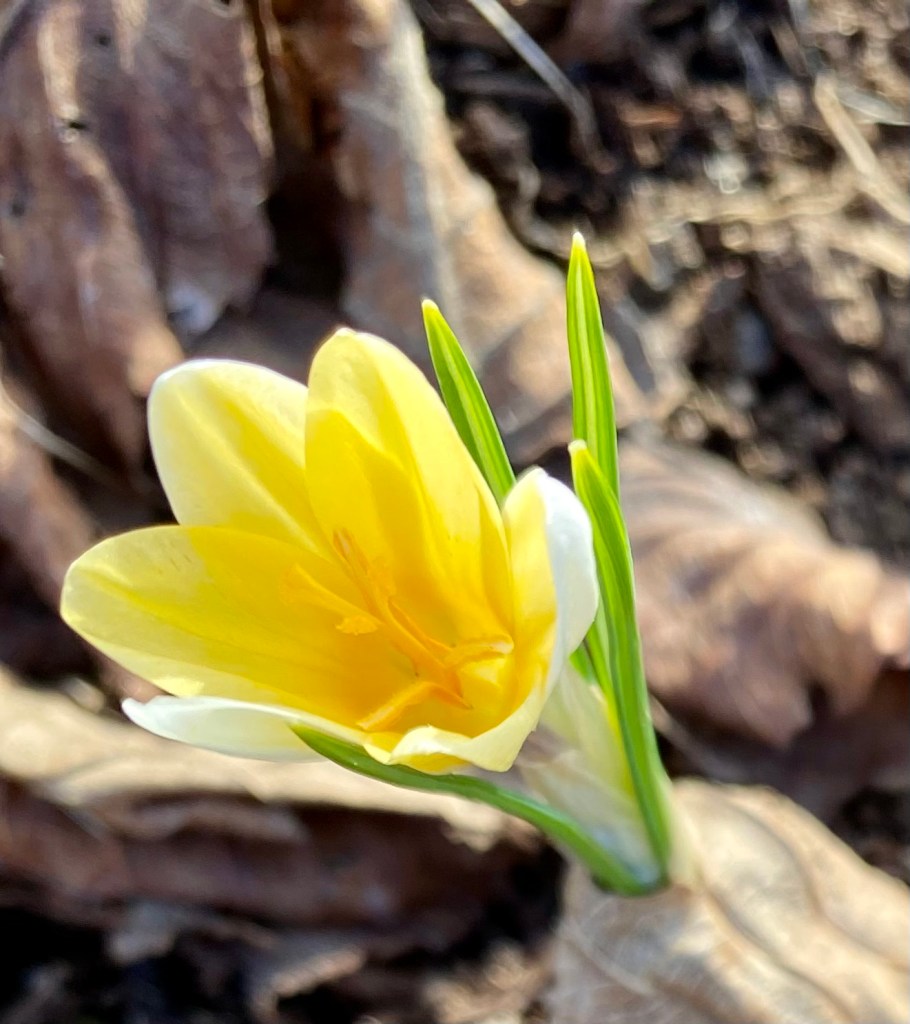
Last, not least: my giddy joy of gold crocuses. Chionodoxa, AKA glory of the snow, scattered over muddy hillsides, last year’s dull lawns.

A little Madness in the Spring
Is wholesome even for the King,
But God be with the Clown—

Who ponders this tremendous scene—
This whole Experiment of Green—
As if it were his own!

— Emily Dickinson

Your own darkness.

An old friend from years ago sends me a message. She’s persistent, wearing down through my imposed or self-imposed hermitage, whatever this thing is I’m doing, and I drive myself out on muddy roads. She has such a lovely little girl, I’m smitten immediately. I sit down on the floor and chat up the child, and eventually remember my good friend and how much I enjoy her world. She’s funny, with boundless good will and cleverness, in a life that’s had her share of lemons.

End of March, nearly Easter, my perennials spike up further every day. How the earth desires green. I’m far enough along now in my own life that I know the cupboard of my mortal life will always hold certain grooves and scars, its beaten shape, the way the material in my life has shaped me. Aren’t we all that way, though? Maybe this is why spring is the dearest of seasons, that from mud and ice emerge tender shoots, the improbable made manifest every year.

Beginning

The moon drops one or two feathers into the field.   
The dark wheat listens.
Be still.
Now.
There they are, the moon’s young, trying
Their wings.
Between trees, a slender woman lifts up the lovely shadow
Of her face, and now she steps into the air, now she is gone
Wholly, into the air.
I stand alone by an elder tree, I do not dare breathe
Or move.
I listen.
The wheat leans back toward its own darkness,
And I lean toward mine.

— James Wright

Necessary Birdsongs.

Lake Champlain

Mid-March, the unlovely muddy Vermont: I bend beneath the snarled rose bushes, seeking green nubs pushing through the wet earth. By June, this world will be verdant, lush, those old roses a tangle of green, tiny blossoms each a delicate bouquet of pale pink. These roses, planted by someone doubtlessly long passed over into the other world, ruggedly fence my house, their flowers such a dear sweet fragrance.

In this brown world, I wander to the places where, in springs past, I’ve heard the early songs of redwing blackbirds. Yesterday, I hear these birds, not the full chorus yet, but the warm-up crew. We are well before the yard clean-up and gardening season. The town roads are rutted, hard to travel, and the summer folks have not yet returned. Hidden in this clump of cedars, the blackbirds steadily, without any fuss, go about their blackbird lives. Not so many weeks away, marsh marigolds will blanket these wetlands — dazzling yellow, killer green — but for now, the dun palette of silvery cedar, umber earth, the birdsong melodies yanking us along to spring.

“Dear March—Come in—”

I stand outside eating a cheese sandwich stuffed with a handful of the lettuce I bought for my cat Acer. The trees across the road shake furiously in a wind as if outraged. What’s your complaint, I wonder.

Such a strange winter: a handful of skiing days, no ice skating, the hard cold a distant memory. The yuck of this winter has been the lack of sunlight, the sodden clouds that have lingered from last year’s rainy summer through January’s gloom. We kvetch. My own antidote is the early morning, my insistence that writing, that order and beauty, are a transformative might. There’s nothing new in that approach; it’s the ancient path of seeking luminosity, of Rumi’s words that the wound is where the light comes in.

In March, of course, sudden sunlight in your living room is apt to reveal the dirty cat hair clusters balled beneath your couch, the cobwebs trailing from the ceiling corner, drenched in dust. Make of it what you will.

Oh March, my long-time friend, giver of fine weather, betrayer with your miserable cold snowstorms. In the lengthening days, the sun returns like a long-ago lover. My friend the sun and I take long walks, my sunny friend whispering in my ear that brighter lovelier days are already here.

A few lines from Emily Dickinson:

Dear March—Come in—
How glad I am—
I hoped for you before—
Put down your Hat—
You must have walked—
How out of Breath you are—
Dear March, how are you, and the Rest—
Did you leave Nature well—
Oh March, Come right upstairs with me—
I have so much to tell—