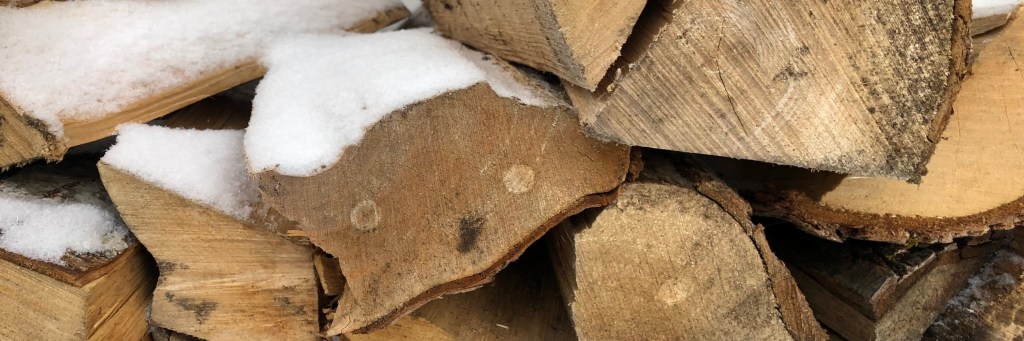
Snowfall.

We’ve had so little snow this winter in Vermont that this morning’s deep snowfall comes almost as a kind of surprise. The day before, a cold rain fell all morning. As I bent into work, I kept glancing through the windows, glad of the indoor work that morning.

This snow is the classic, pillowy powder of the most magical childhood memories. Sure, spring is far in the offing on a day like this, but the billows and mounds embody winter’s profound silent beauty.

A decade ago in my life, this kind of storm would have whooshed in with a number of worries — will the sugarhouse collapse before the roof is raked? How long can I endure cooped-upness with small children? Will our firewood hold out? These days, my worries are different, as my life is in another place. But I’ve changed, too. We’ll do what needs to be done. What doesn’t get done, perhaps doesn’t need to be done. And some sun is in the forecast for this weekend, too.

[The 1800s opium epidemic in China] was once widely interpreted as a story of a once noble society destroyed by a powerful drug, but more recent scholarship has argued that this simplistic explanation overlooks the turmoil, poverty, and widespread dislocation caused by the wars themselves which in turn exacerbated the epidemic.

Carl Erick Fisher, The Urge
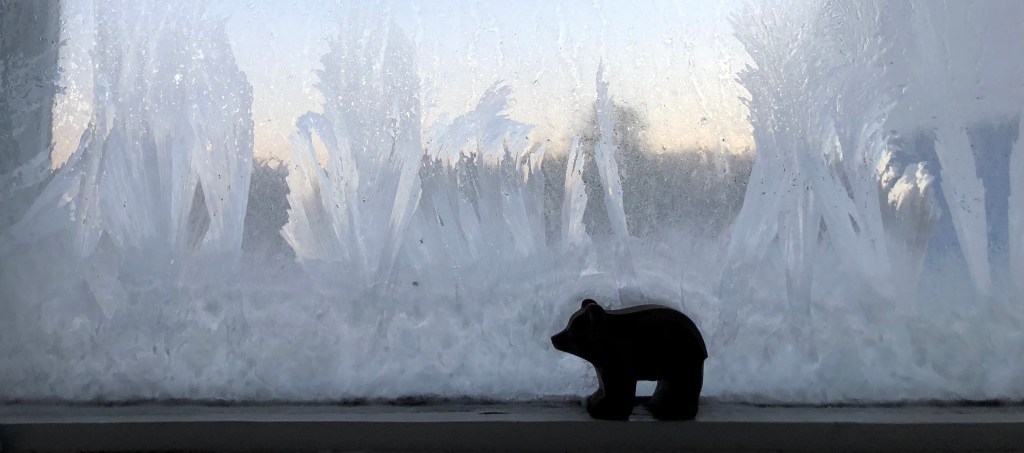
Sugar. Salt. Stars.

The air has turned this morning when I step outside in the dark with my bucket of hot stove ashes. Even without my coat, I’m not immediately shivering, and the cold doesn’t come at me with daggers on my face.

Beneath the starry sky, I gazed up at Ursa Major, a single gauzy cloud suspended overhead, as if in water. I’m reminded of frog’s eggs, those cushiony pillows I sought with my daughters when they were little. Every spring, we found clusters in ponds and in the ditches along our dirt road. We’d visit these clusters every day on our wanders. Sometimes the eggs hatched. Sometimes the clustered disappeared.

On this early February morning, beneath the stars, I stood for a few more quiet moments, thinking about stars and frogs’ eggs. Snow’s expected to move in soon, too.

As water given sugar sweetens, given salt grows salty, 

we become our choices.

~ Jane Hirshfield

Book Rec.

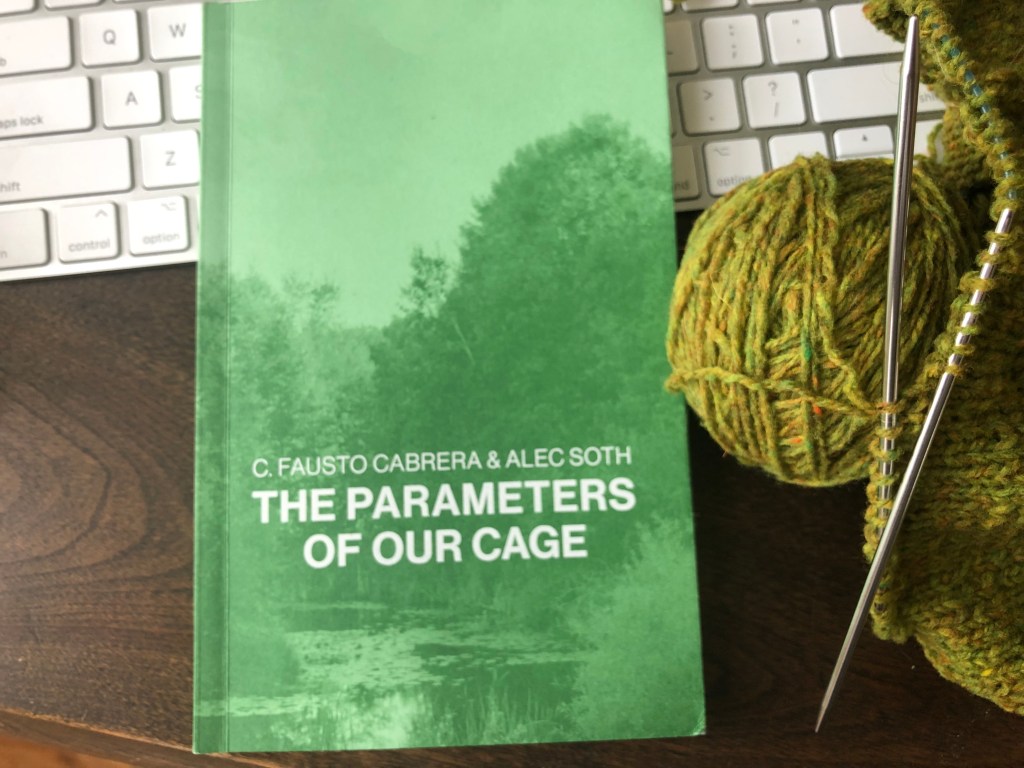
By chance, I start reading a book of letters exchanged between a photographer and a prisoner, an exchange in 2020 that opens a view into these two men, into our country, and into art. I devour the book. The book’s title is The Parameters of Our Cage, and I keep thinking about the cages culture constructs and we construct in our own lives. It’s a question I’ve returned to, over and over in my life. So much of my life’s hours have been devoted, in one way or another, to writing. As the pandemic has created higher walls and sturdier cages, writing, art, human imagination, are increasingly powerful. Utterly necessary.

I wake to a perfect zero degrees this morning. Our house is thankfully warm and pleasant, but the cold is ever present. There’s immense snow south of here, but again the storm has sheered off to sea.

The most profound art is generated out of the depths of a personal place, then becomes an entity in its own right thus developing a different layer of function that requires a social aspect or nature.

C. Fausto Cabrera

January. Twenty Below Zero.

Daughter and sap line

20 below this morning as I head out to start my car. The moon hangs in a crescent over our house, visible through the smoke from our wood fire. In January, Vermont, the days creak along with the cold.

In an evening meeting, it’s just me at the town hall, holding that physical place as an open meeting law requirement, everyone else virtual from their living rooms or home offices. From the hallway, I pick through a box of cast-offs and take a pair of Teva sandals. A kind of promise, for another season.

Tonight as it gets cold 

tell yourself 

what you know which is nothing 

but the tune your bones play 

as you keep going. 

— Mark Strand

Soul’s Migration.

Lake Eligo, Vermont

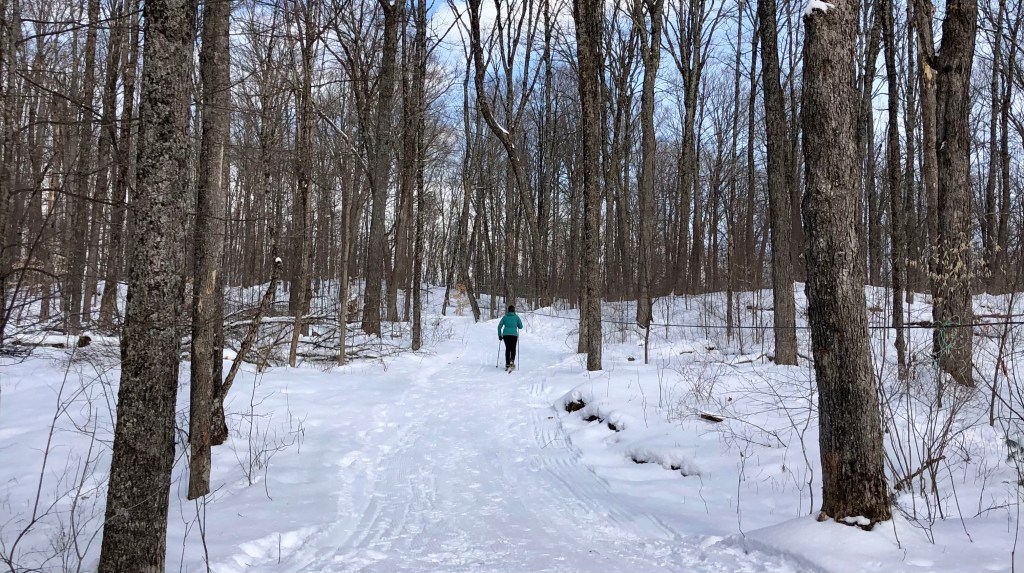
At the end of the afternoon, I’m out with my skis, insufficiently dressed against the zero degree temps, hoping the movement will warm me even as I caution my youngest every day — bring enough clothes.

I warm.

I ski on the former railroad bed, behind a daycare. Earlier this winter, a new playground was built for the kids, of wood and ramps, and I wonder if some of the federal coronavirus money made its way here. The daycare itself is in the basement of an old building, and so the playground has a kind of bittersweetness, too, a bandaid of a much larger problem.

On the bridge over the river, I pause. Snowmobiles and a groomer have driven through here, and so the skiing is easy. Animal tracks mark the snow down the center of the frozen river. On the bank I ate wild grapes in the late fall. For now, it’s just me and the fresh snow and the sunlight while it lasts, the woodland creatures, the river flowing deep beneath that ice.

Birds migrate and caribou circle the cold top of the world. Perhaps we migrate between love and suffering, making our wounded-joyous cries: alone, then together, alone, then together. Oh praise the soul’s migration.

Mark Nepro

Kindling.

Kitchen table, Hardwick, Vermont

In below zero temps, I stop by the library on my way home from work to pick up an interlibrary loan book. My friend in her mask runs down from her balcony office, and we huddle against the library’s 100-year-old radiator.

She tells me about the death of a person in town, from Covid. My friend is wearing a sweater from yarn she spun and dyed, from goldenrod blossoms she gathered. The sweetness of early fall is a long, long way from us. I’d been thinking that someday these days will be but a remembrance to us, and here I’m hearing word of family who will never forget these bitter January days.

I finish the afternoon chores I’ve set out to do — buy cheese at the co-op, get the mail at the post office, stop by the superintendent’s office to sign the high school budget warning we voted on last night. At home, I feed the wood stove and the cats and set pizza dough to rise.

Then I do my final outside chore — I gather bits of bark and kindling from the barn floor and a few dry sticks into a cardboard box. In the early, dark morning, I’m up first, and this kindling box is my easy way to begin the day. I think of it as a little gift to myself.

The cold is fierce around me. I stand in the barn, holding that box in my leather gloves, thinking of nothing at all. Just standing there.