Hell-bent robins.

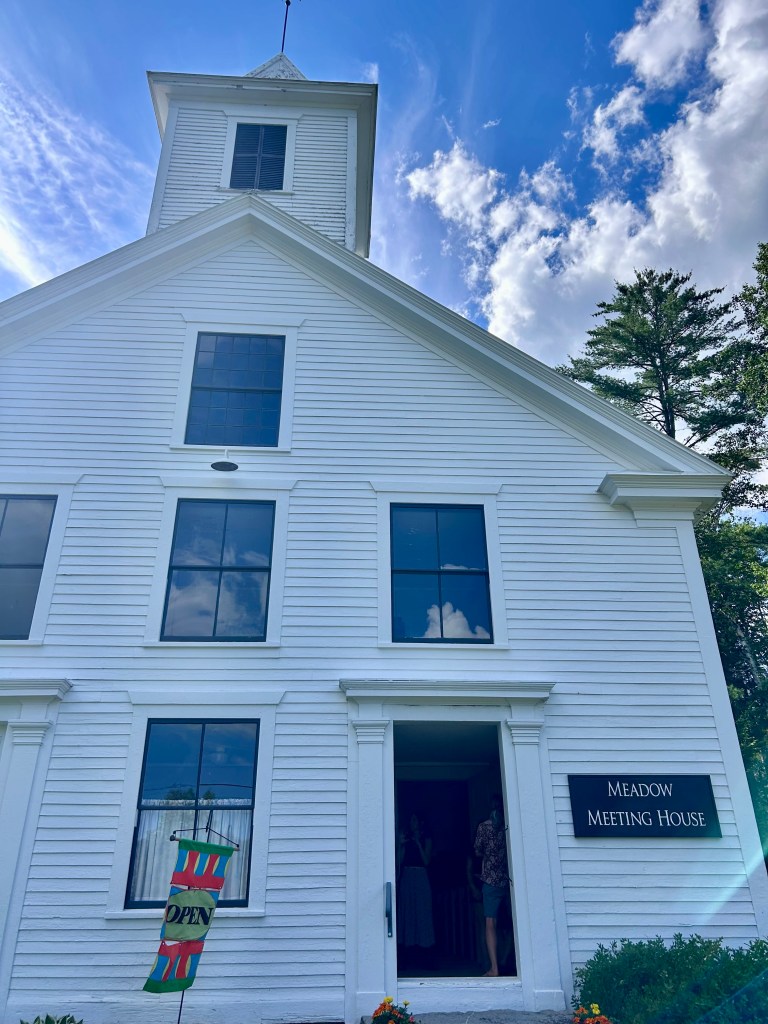
I arrive home from the local arts center, get out of my car, and a robin nearly flies into my head. Winged creatures are swooping from the apple trees to the hedge of lilacs that is just beginning to bud. My god, what a lovely day.

In my bag, I have an empty pint jar of water I’ve been drinking, and a ball of purple linen I’m knitting into a summer shift, and the books of the two authors whose reading I just attended — Helen Whybrow of The Salt Stones and Jody Gladding’s translation of Jean Giono’s The Serpent of Stars. I have a new book, too, a collection of stories by a Turkish author I’ve never read. Sitting with my book world friend, her publisher friend hands me a book, too. The afternoon and evening has gone this joyous way, like that hell-bent robin — strangers and friends and people I haven’t seen in ages — exuberant about literature and art and the unstoppable profusion of spring.

I like this art center so much I imagine curling up on a cushiony bench and sleeping beside the wide windows, the starlight on my face. An acquaintance I met at a Vermont Studio Center residency works here, too, and we plot some amusing possibilities. We’re beside the table heaped in lush mounds of delicacies, and I graze on stuffed mushrooms and empanadas and fresh tomatoes. I wrap lemon squares in napkins and hold these in my hands away from my books and knitting.

Outside on the stone patio, the wind is lifting over the meadow, the sun sinking and the cold creeping in. All around me looms that chilly darkness, the nearness of sunset, the hole in the night where dawn seems impossible. So much of my life I’ve teased and poked at this, and, conversely, pushed the vast cold away — through distraction and once-upon-a-time through drinking and work. Now, as the twilight drains away and night stakes in for its duration, I wander among the yet leafless apple trees, the garden with its green garlic nubs, drinking tea and listening to the birds settle down to sleep. My god, the myriad lessons of cancer. Note this, too: clench joy and fear in the same fist. See what happens.

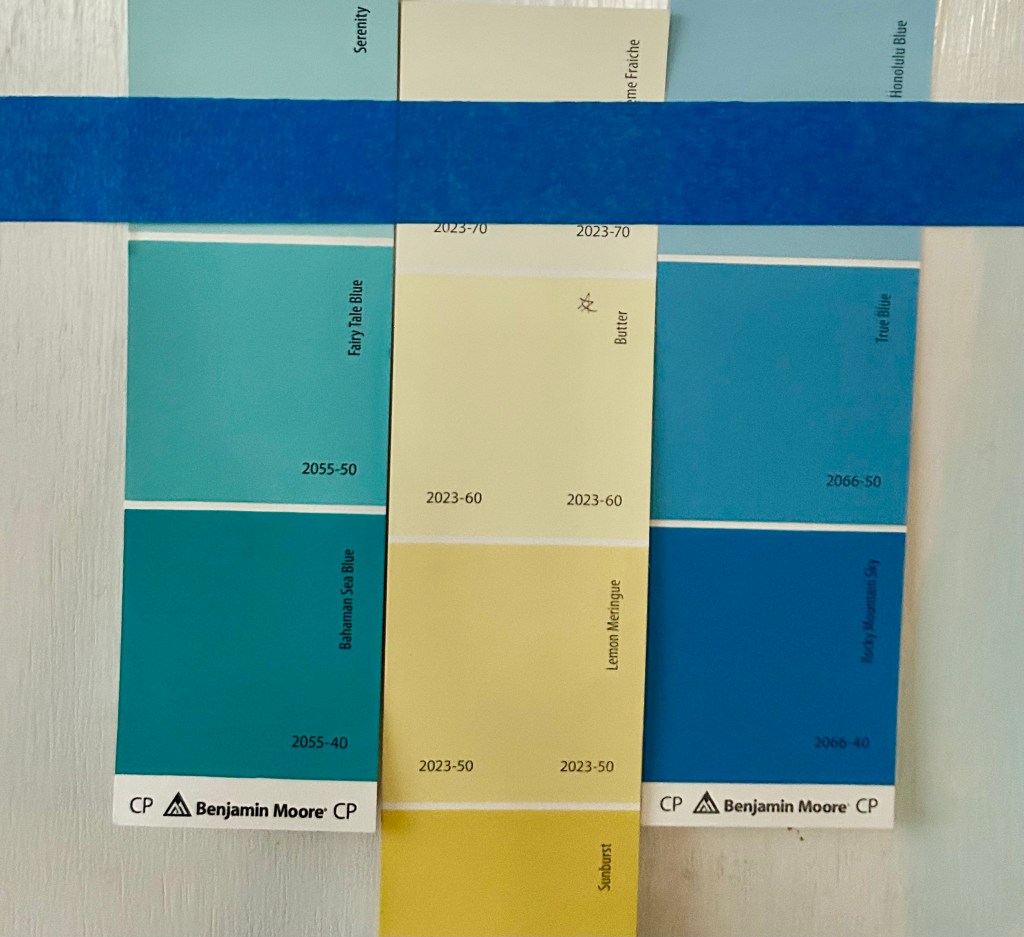
Kitchen renovation paint considerations….

Knock down a wall, survive for a bit

The advance copies of my novel that will be published at the end of June, Call It Madness, sprinkle out into the world. I print postcards and mail those, too. Email me your mailing address (brettstanciu@gmail.com), and I’ll drop a postcard. The novel will be published June 30, and summer events slowly add up. I imagine sultry July, steamy August, spaghetti strip sundress, tumblers of ice water.

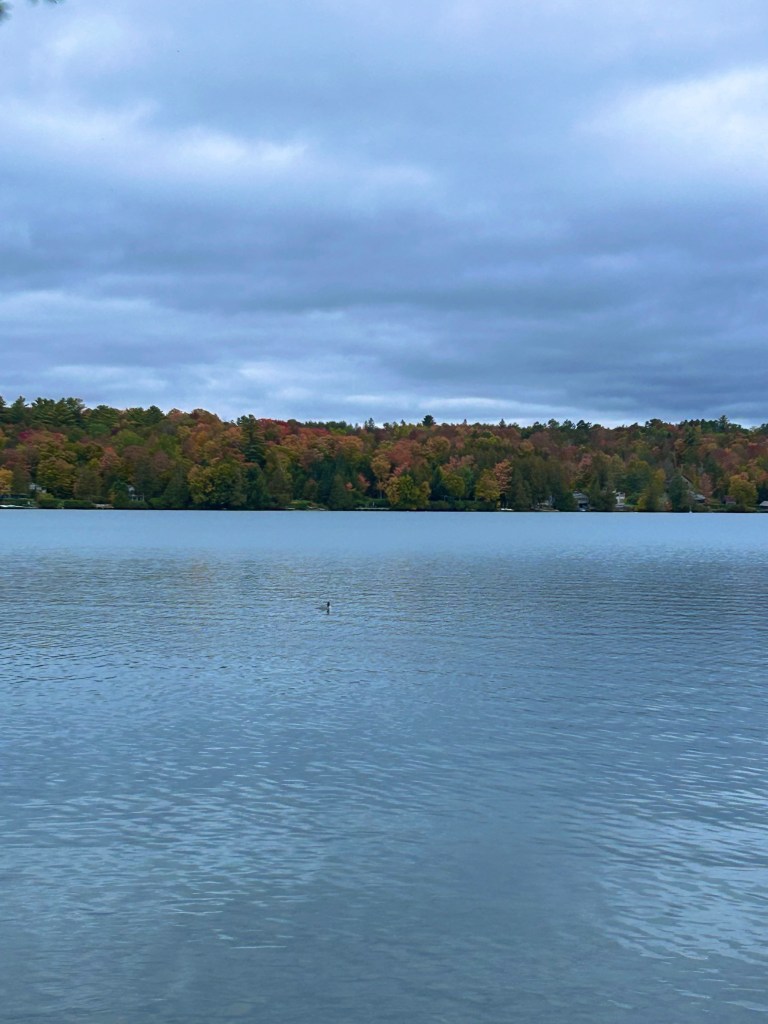
The novel is divided into sections of place: an apartment, a pantry where the protagonist Avah hides, the roadside Blue Lion Motel where Avah tracks down her mother, and Echo Lake—a great gossamer spill, a fat layer of ice…

Places define us. Unbelievably, I am now nearly a year out from chemo. All that long last winter I huddled on my couch, too sick to feed my own woodstove, I kept thinking, I think the kitchen wall removed. I want the small rooms of this old house opened. Now, a year later, holding what will be forever-fatigue in one hand and my strengthening return to health and merriment in the other, I hire a carpenter to remove a wall of early 20th century two by fours and lathe. I return to my dusty and torn-up house in the late afternoon, step in, and think, This is how the house is meant to be.

With the mind of a novelist, I wonder at the calculus of human decision-making: the mixture of numbers, of cost and house value, a stacked rationality. Take that arithmetic, and add to it my fierce desire to re-imagine my future where my garden bounty of jalapeños and garlic meets kitchen cleaver, where I revise another book at my kitchen table, where illness is swept from my house by the spring wind rushing through the open windows, smudging my rooms with the fecund scent of mud, the castanet jingles of mating frogs.

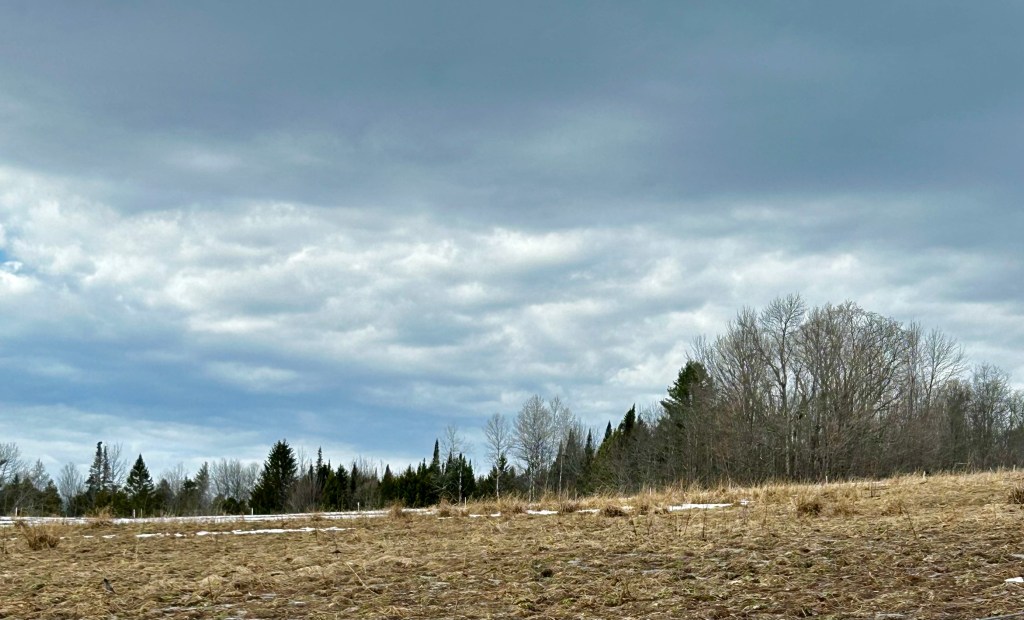
Vermont spring: thaw, fresh snow this morning, stove ashes sprinkled on the icy paths, robins. All the things.

“Survival, it is called. Often it is accidental, sometimes it is engineered by creatures or forces that we have no conception of, always it is temporary.” — Wallace Stegner, Crossing to Safety

Strange gift.

A year ago, I couldn’t manage the three steps onto my back porch without holding a daughter’s hand. A reversal of those early parenting years when I held my toddlers’ teeny fingers as my children learned to walk and then, quickly, to run. A year later, my oldest and her partner load up our skis, and we head out for a seven-mile trek. I once thought idly of skiing, a mere pastime, nothing more. Now, it feels nothing less than miraculous.

A year ago, my daughters and the partner propped me together through the darkest months of my life. In those months while I endured chemo, little bits of lights and happiness trickled towards me, as if falling down an ancient stone-walled well. Sunlight in my living room, in the hospital halls, (never in the subterranean ER), flash of cardinals, the boxes of books and gifts of miso and cards and checks that kept me alive.

Post-ski, I feed my mewling cats and eat blood oranges, then lie on the couch and read Jonathan Buckley’s One Boat. I’m relaxed as if I’ve swum with a friend in a Vermont pond, and then we linger on the shore, talking about nothing and everything. But it’s February yet and snowfall is circling again. We’d skied from hayfields down into the forest and circled around and around. At one moment, I’d hit fatigue, where I wondered if I would emerge from these deeply snowy woods. It’s a place I’m now beginning to know intimately, where I know the life I clutch so fiercely can so easily slip away. I was reminded recently of Robert Frost’s lines that “the best way out is through,” a minute guide for human life. On this day, all the human things.

Nurses.

If you don’t know nurses, you will, or someone you love will. In my past year of cancer-and-chemo appointments, of those dozen hospital stays, in variations of days to weeks, the nurses were my very best friends. Nurses cajoled me to eat chicken soup and drink water (even a sip, just try); they were kind to me and looked out for my daughters. They taught us the ropes of the hospital ship: the habits of doctors and surgeons, how to adjust a bed and order food, find the light switches, turn up the room’s heat, find warm blankets. They offered orange juice and sandwiches to my daughters and hotel vouchers. The nurses told me I would live.

Nurses taught me about IVs, how not to bend my arm, what downstream occlusion meant, and when I must absolutely ring immediately for a nurse. They helped me to shower when I couldn’t stand, and never laughed when I said I forgot I had no hair. But they did tell funny stories and made me laugh. When I had a terrifying reaction to a chemo drug that was absolutely necessary for me to endure, a nurse sat with me for hours.

There was that terrible ED visit when I couldn’t stop throwing up from pain, and I was too weak to talk, and the nurse stayed long after his shift ended, holding my hand while I cried. There was yet another awful stay in the ED, those three nights in the room with the beige metal walls and the heat that wouldn’t turn off, and the nurse and the MD together figured out a pain med plan that brought me back to my body, that made the cancer bearable again.

Another nurse helped me get discharged on a spring day when I pleaded to go outside and see the apple blossoms, to have sunlight and wind on my face; she arranged for my daughter to sit with me on a bench and sip hibiscus tea, and she arranged for the hotel room where I slept all afternoon and then traveled in the morning across the road again, back to the cancer center for more chemo. She did this to help me heal. The chemo nurses tend the frail and the hopeful, the recovering and the dying. I had no port, so my arms were bruised and scabbed from months of sticking, and these fine nurses turned my forearms over and over and never failed me. Who in your life never fails you? They took such care.

I could write on and on. The nurse that first visit to the ED, who knew from a scan that I had metastatic cancer before I did. He walked in my room and looked at my daughters with such compassion. We did not know, but he did. He knew the hardship that lay ahead of my dear daughters.

The nurses, unfailingly, cared me as one of their own. I have notes in my journals, names and stories of strangers who cared so tenderly for me and my daughters, but really what I have is gratitude, admiration, and such sorrow for the unnecessary murder of one of our tribe.

The Goddamn Gray, the Brilliance of Language.

A year ago, my daughter was driving me to the local ER, yet again, under the frigid winter sky. Wordless, I leaned my head against the side window of her Subaru, staring at the faraway pricks of stars vanishing and reappearing among the clouds. In the darkness, I fixated on one thought—the white hospital bed, the clear liquid drugs that would make the pain cease—and held to that, my lifeline. Cancer-and-chemo, in its infinite complexity, is a monotone landscape. In all those months, my existence was the blackness of pain, the temporary light of relief-from-pain, the crimson drug injected into my veins. Occasionally, a cardinal at a feeder, blood oranges, and then I couldn’t eat those, either, and I remained alive on Saltines and water.

I keep thinking of those below zero nights as I drive this night to the opposite end of town. There, with a friend in a place where I’ve never been, we eat drunken noodles and green curry, and then drive again through the darkness and the drifting snow that’s no threat, simply prettiness. At the Vermont Studio Center for the Arts, we settle into the dining hall with the residents. We’re greeted warmly, and the room is scented with the lingering remains of a savory dinner, of coffee and wine and the fragrance of flowers likely from the tables freshly scrubbed. This is a dear place, where I’ve been lucky to stay and work hard, meet friends and share stories about creativity, its hardness and joy.

Rigoberto González reads magnificently, his words, reminding me of when I was a teenager reading James Joyce for the first time, thinking yes, yes, this is what writing can do, push us into a place where we glimpse the world for a moment in all its shimmering and confounding complexity, its immense sorrow, utter fun, or the way a hand plucks a pebble from a river and holds it dripping and glistening to the sunlight.

At home, I stand in the darkness that is sodden with cold, a forerunner of the mighty freeze rushing this way. The crescent moon pushes against the clouds. In those underworld months, the goddamn gray occasionally scattershot with goldfinches exploding from bare branches, my fate might easily have veered another path. A storm and brutal cold loom over this nation submerged beneath political nefariousness.

This terrible disease, this exacting instructor, taught me brutal lessons. Among these, savor these draughts of warmth, recognize heart. Know this value. Do not disparage.

“Every person with a body should be given a guide to dying as soon as they are born.”
― Anne Boyer

Call It Madness

My newest novel’s advance copies arrived in a great big box at the post office that I hefted on my shoulder. The postmistress said, “You wrote another book? How cool is that.” Indeed. Then she wondered if I could carry out this box that she described as nearly large as myself. I laid the box on the passenger seat and then walked across the street to the co-op where I bought an orange and peeled it and ate the sweet sticky fruit in a drippy wet snow.

Call It Madness? A novel about a young woman who realizes her mother had spun lies all her life—a grandfather who hadn’t died, a beloved house that hadn’t sold, only tumbled apart with rot and rodents. How does she get out of the madness-making of family and salvage some shreds of happiness?

June 30 the book will be released from Regal House Publishing. You can find it at my beloved local bookstore, the Galaxy Bookshop, or from the big A here.

Here’s the opening page….

White Quartz

2016

I didn’t know what made my parents drive from Bellingham to faraway Vermont the summer I turned four. I had never met my great-grand-father Opa until that afternoon my mother rolled our station wagon down Breadseed Lane. Earlier that day, a stranger had helped my parents change a flat tire on the New York turnpike, but the spare was a misfit. For hours, our car had been thumping while I stared through the backseat windows at the trees and fields passing by, pondering the puzzle of that strange word breadseed. Could seeds blossom into loaves?

We hadn’t stopped for lunch, and I was hungry. Was this Opa character cooking us dinner? Turned out, he was not.

In a rain that was just beginning to let up, the old man stooped in his yard beneath an enormous pine tree, fists curled behind his suspender buckles. I was not quite yet four, remember, and I knew suspenders only from picture books. In a strange coincidence, I had asked my mother for a pair the last Christmas. She had laughed and said suspenders only existed in fairy tales about grandfathers who were woodcutters and chased away starving wolves.

I loved that trip so much that the next summer I begged to return to Opa and his house that smelled of sugary rotting apples. I whined, Please, Mama, please. Which apartment we lived in then I’ve long forgot-ten, but in my memory, I’m sitting on the floor. At the end of the galley kitchen, a glass door streams in cloudy light. I’m watching the hem of my mother’s skirt graze her bare knees. The polyester skirt is one she wore for years, zigzag black lines over white. The hem has opened and hangs down, its frayed edge unraveling into threads. She’s smoking, the cigarette held impatiently in her teeth, and ashes drift down in the murky light. That morning, my mother tells me that Opa died soon after we left. The house was sold.