Rubber on the Road

By chance, I start reading a new novel — The Father Clause by Jonas Hassen Khemiri — and I’m back in those young motherhood days I thought would go on and on eternally — changing diapers, mashing peas, carrying little kids. Those days didn’t, of course. The youngest is now learning to drive.

My youngest logs in hours for her driver’s ed class. Sunday morning, we head to Montpelier. She parks in front of the statehouse, and we walk up the enormous granite steps. There’s no one around, save for five joggers decked out in full Santa suits. They wave merrily at us.

We head south along Route 2, through stoplights, towards Barre, talking about green arrows, lane changes, and the rules about turning, or not, on red. I’m giving my daughter a road map. At the same time, she asks questions about her father and where he’s gone. Talking with my daughter, on this sunny Sunday morning, at the end of a November that hasn’t even gotten cold yet, I know there’s so much unknown in all our lives, that the mystery of pandemic and chance and human relationships is a piece of participating in the human world.

Be wary, I caution my daughter. Look before heading into intersections. Read signs. Get out and admire the view from the steps, and wave to the silly Santas, too.

Dead my old fine hopes
And dry my dreaming but still…
Iris, blue each spring

― Shushiki

Photo by Molly S.

Once in a Blue Moon

Saturday, we were at a jack o’ lantern walk at the elementary school where my youngest graduated a few years ago.

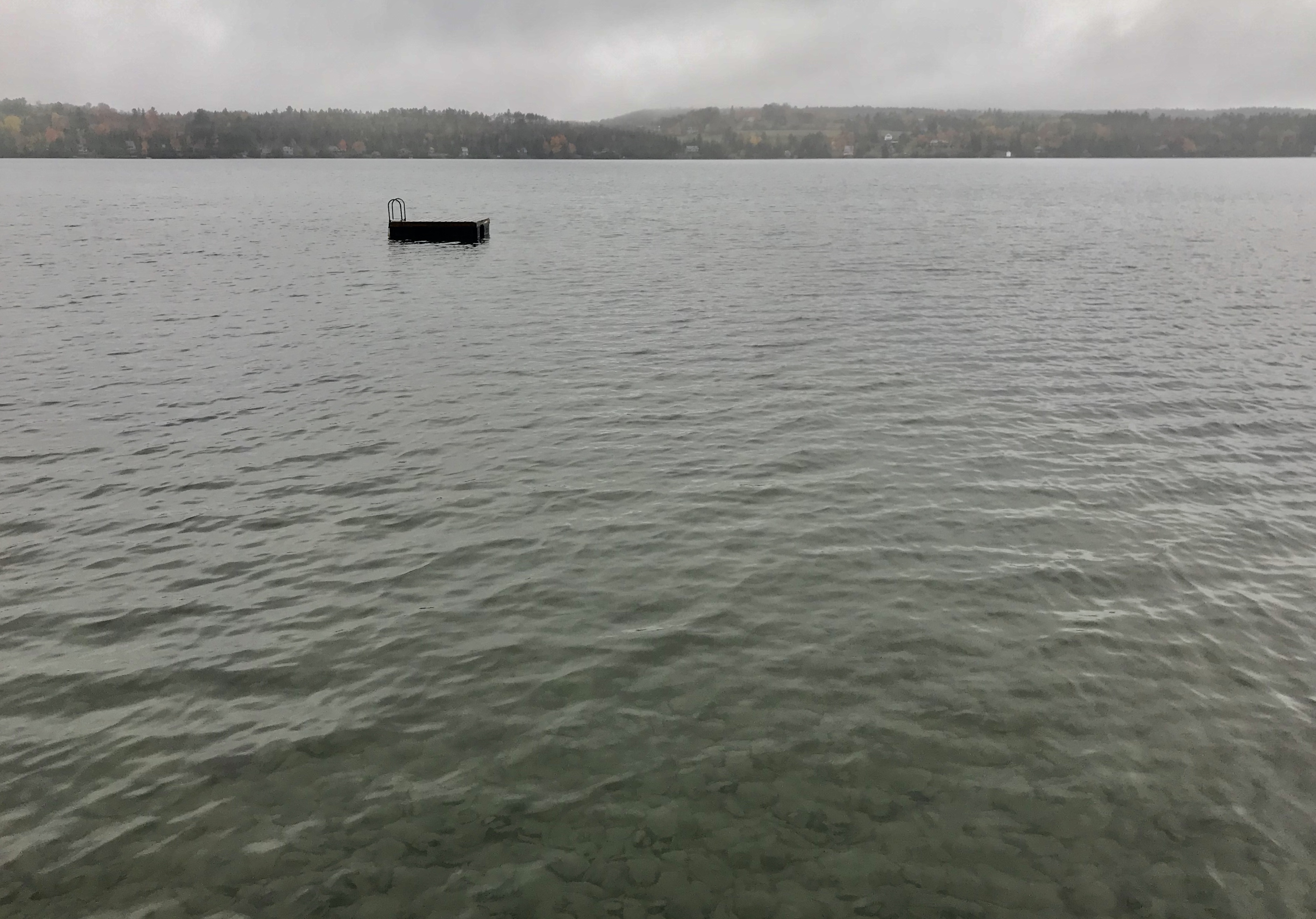
Because it’s rural Vermont, it was dark, and everyone was spread out. I slipped away from the few kids and walked further along the woods path. I know this path well, and it veers down to the wetlands. There, I leaned against a white pine. The moon was nearly full, and the silvery light skipped over the rippled water.

For the longest time, I stood there, knowing my daughter was happily wandering around in the dark with her friends. In the darkness, I remembered the countless times I had admired this lovely lady moon — over fresh snow and icy backroads, in the muggy heat of summer.

At the beginning of this election week, I woke thinking of our beautiful moon, silently orbiting the globe.

The old man of the temple,
Splitting wood
In the winter moonlight.

— Buson

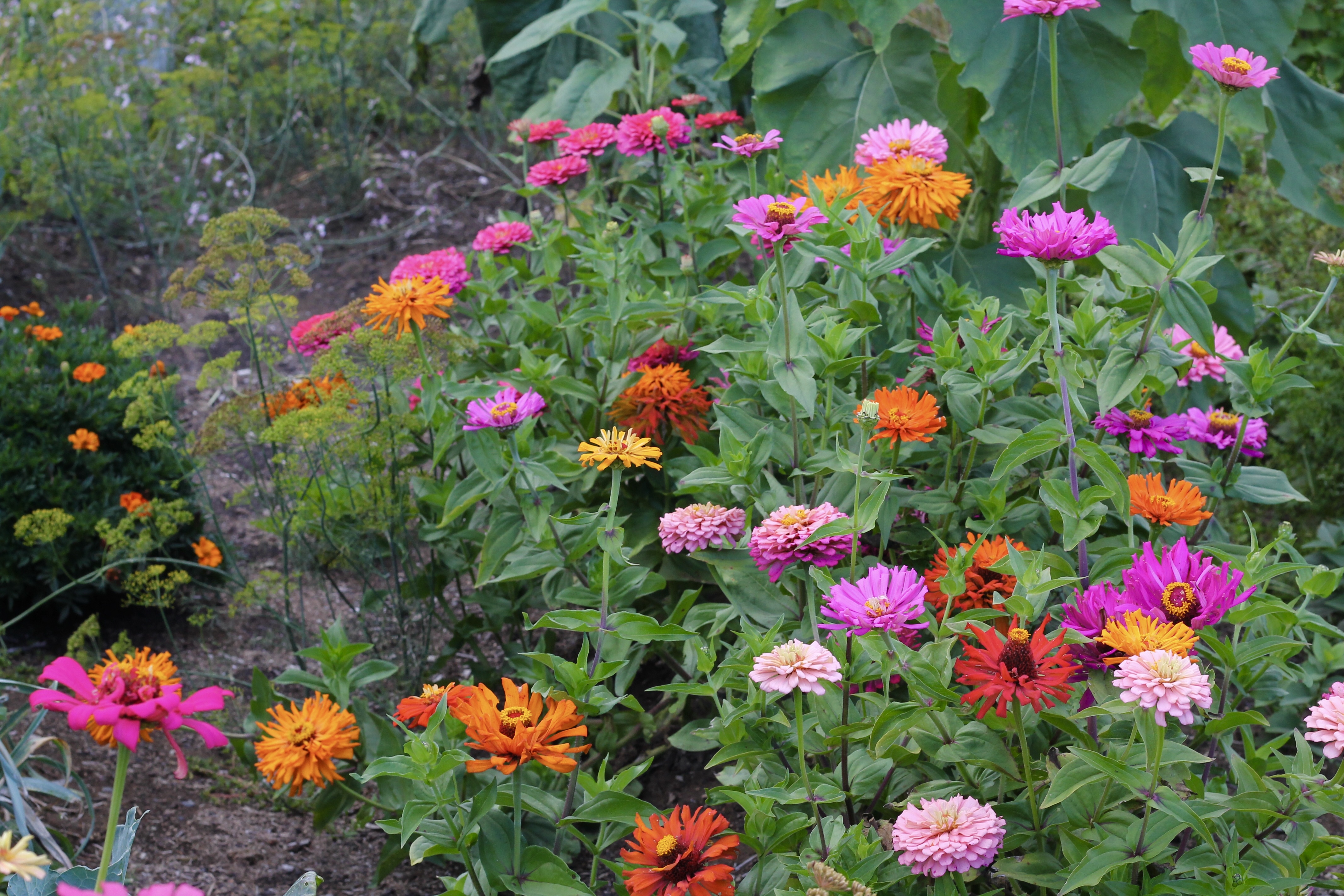
August flowers

Laughter

Standing in the rain watching my daughter, behind the socially distanced spaced out row of spectators, I hear a sound through the downpour steadily pummeling my borrowed umbrella. It takes me a moment, but then I realize two women cozied up together beneath their umbrella are laughing.

On the wet field, the girls are playing hard. Their ponytails and masks and uniforms are sodden. Many are covered with mud. Beyond the field, patches of pale gold leaves glow in the misty rain.

For a moment, I have the sense this sums up the pandemic — alone and isolated with my mask and raincoat and umbrella — and yet together. I stand there, happy the girls are playing, listening to the laughter of strangers through the downpour.

The apparition of these faces in the crowd:
Petals on a wet, black bough.

— Ezra Pound, ‘In a Station of the Metro’

Worn Cleats

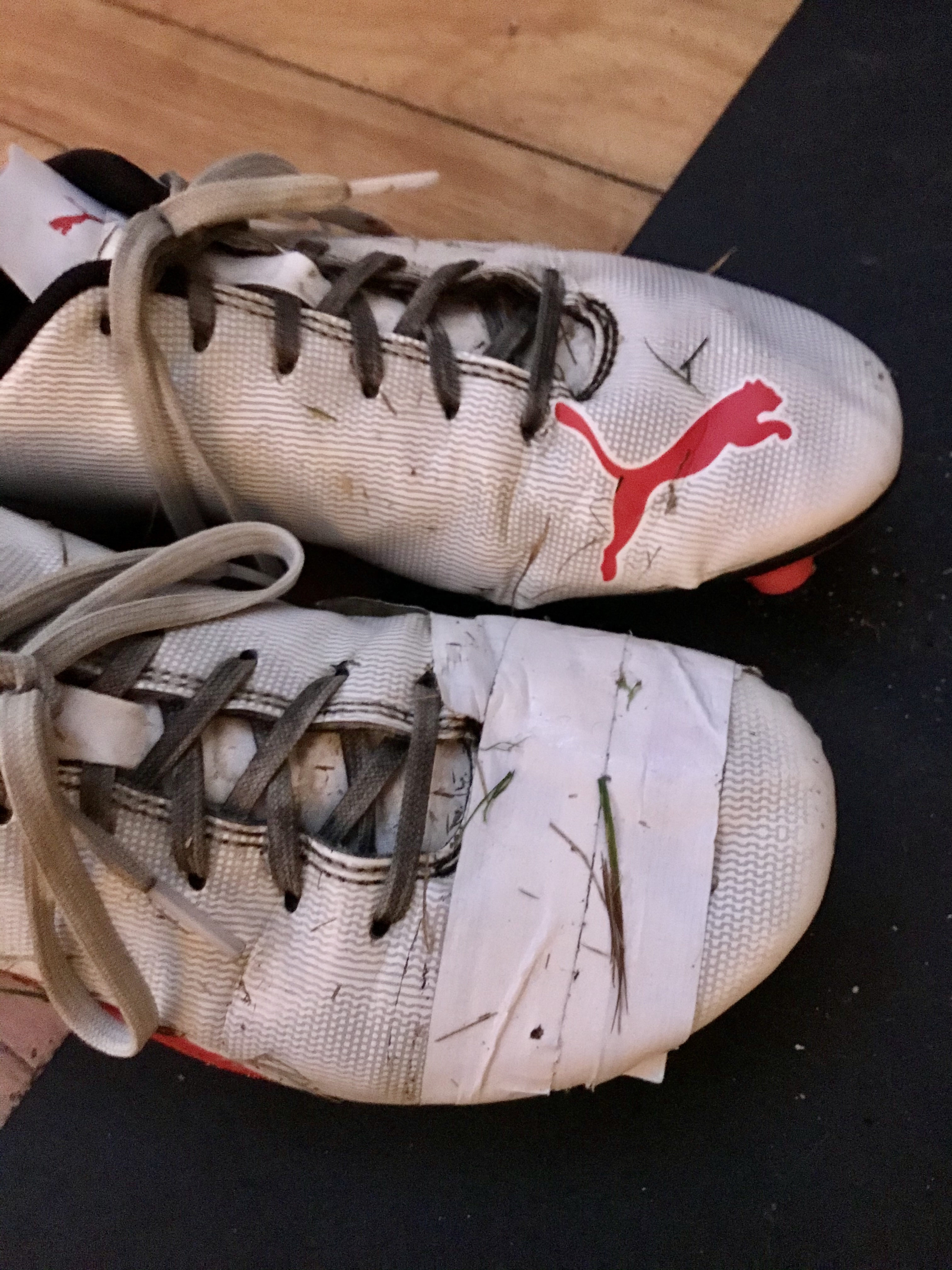
Feeding the wood stove before bed, my eyes catch on my daughter’s duct-taped cleats drying beside the wood stove.

Two decades ago, I first became a mother to this girl’s older sister, and an accompanying stream of beloved things have passed through our lives, too.

Beloved Sleepy Bunny — now worn threadbare — colored stacking cups, babydolls, a teddy bear my youngest clutched on her lap as we drove around the Southwest the summer I removed my wedding ring and threw it into the desert. When she was three, this girl draped over a blue swing in the front yard apple tree on her belly and dug her toes in the dirt, dreaming.

Now, she’s 15, teen as teen gets. I study that silent sign of what’s beloved to this girl. Then I turn out the light and go upstairs to read.

Homework

How could I have forgotten that the light in October is exquisite?

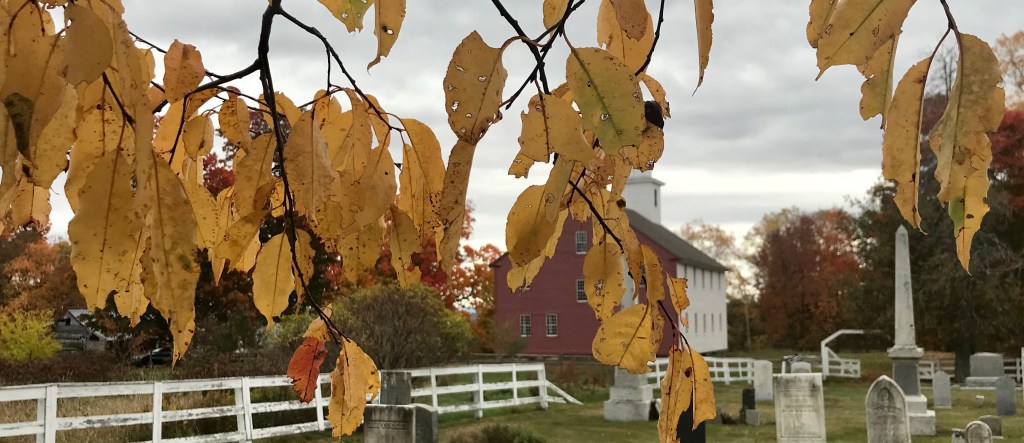
Unlike hazy summer, Vermont autumn is clear. The woods are emptying of leaves. The wind sweeps through the towns and over the hills.

From my garden, I cut a cabbage, boil the leaves slightly, and roll up meat and rice, filling the pan with sauerkraut — a Romanian recipe from my grandmother, who died before I began cooking.

Bit by bit, our hours migrate from the garden and back porch in the house. We no longer eat dinners in the sunlight. When I return from work, I see crumbs on the kitchen table, remnants of my teen and her friends.

I imagine these girls figuring out their online chemistry class and plotting their future. When I ask what’s happening in those hours, I hear, We’re fine.

In the evening, the teen spreads out her graph paper and notebook. I knit on the floor with the cat beside the wood stove while her sister reads the day’s news aloud.

The teen shoves her graph paper to me and asks if her approach to problem-solving is correct.

I look at the paper and suggest, Call your uncle. That’s out of my skill set.

The cat flips over and purrs.

The teen bites the end of her pencil and goes back to work.

“The world begins at a kitchen table. No matter what, we must eat to live.”

Joy Harjo

The Obvious

In a terrible mood on Friday afternoon, I’m driving too fast through town when I round a corner and see a rainbow spread over Hardwick.

The arc shines so brilliantly and near I imagine I can reach out and touch its particularly vibrant green. I pull into the Village Market, and a woman I know gets out of her car, wearing a mask, too. For a moment we stand there, marveling, then walk towards the market door.

Another woman — vaguely familiar to me, in the way of small town Vermont — is loading her car with groceries. My companion and I urge her to go see the rainbow; it’s just a few steps around the building.

She shakes her head, saying she can’t see it.

But we insist and walk those few steps with her. The rainbow by then has morphed into a double arc. Then, as we watch, the rainbow fades.

Over her mask, the woman looks at us and says, “Well, that’s a nice thing after all today. Something good.”

October 5. So much more winter to come. Watch for rainbows.

It was the Rainbow gave thee birth,

And left thee all her lovely hues;

“The Kingfisher” by William Henry Davies