
Years ago, I ripped out a photo from the New Yorker of Marina Oswald taken the morning after her husband assassinated President Kennedy. She was hanging diapers on the clothesline, her face scrunched in misery. It was 1963, the realm of cloth diapers, and she had two babies. I tacked the photo on my wall.
No assassins in my household. Yet, as I described to a friend, I’m healing from chemo and surgery while the dailiness of life tugs me onward. In some ways, this is a relief; I’m utterly grateful to be in the world where I hand over my credit card for groceries, rise in the night when my daughter returns from work to ask about her hours. I order firewood, problem-solve our broken car scenarios. It’s triage and logistics, a math problem.
This May, a cold spring, snow yesterday all day in the New Hampshire White Mountains, I read through the mail. Make one phone call. A colleague stops by. My daughter makes grilled cheese, slices avocados, rims the edges of my plate with peanut butter cups. My brother texts, my sister calls, reminding me to eat, eat. In all this, I open the Grapes of Wrath, join hitchhiking Joad, and eventually sleep in the wood stove’s warmth. I dream of our lilacs who hold their buds closed against this cold, the Joad corn in the 1930’s, buried in feet of dust. Through my dream washes the rain against our windows, the purple and white violets studding our overgrown grass. Time and place and season sift like a jumbled dump cake.
When I wake, my cat Acer lies purring against my foot, contentedly grooming a dainty paw, supremely confident of an imminent dinner and another toasty night before the beloved hearth.
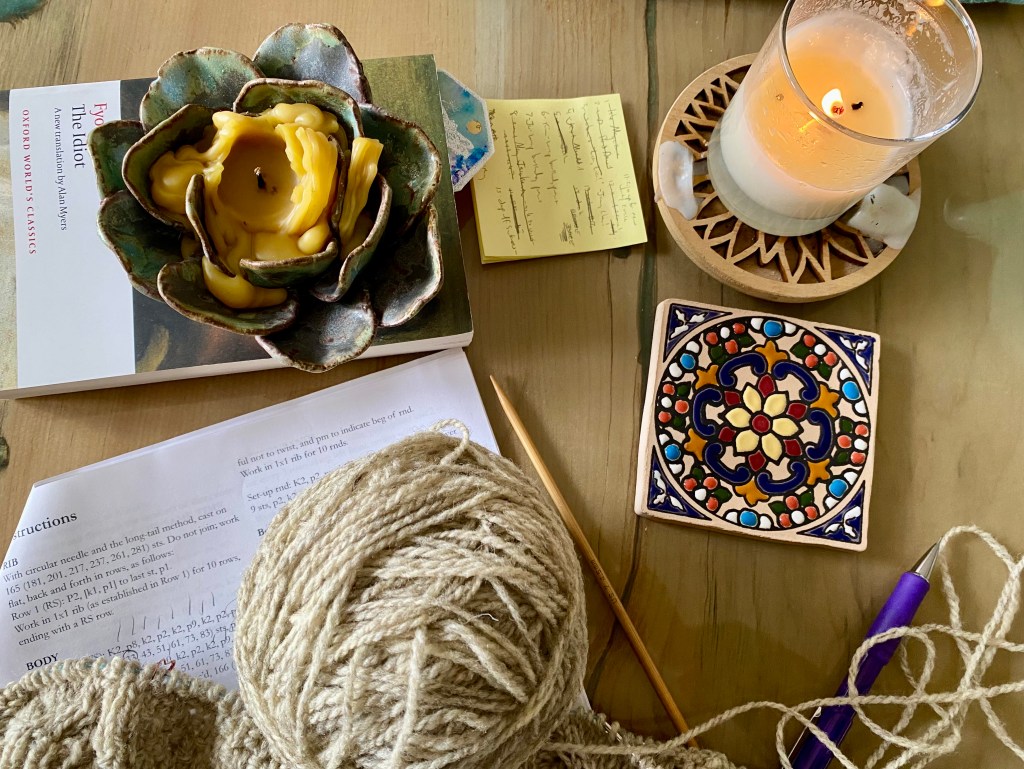
Memorial Day weekend, when we always invite friends and neighbors for an outdoor dinner. Not so, this year. The pieces in my life, my family’s lives, shift, rearrange, mend. Slow healing, slow domesticity.
From Steinbeck: “You got a God. Don’t make no difference if you don’ know what he looks like.”



 Stony Soil Vermont