Worn Cleats

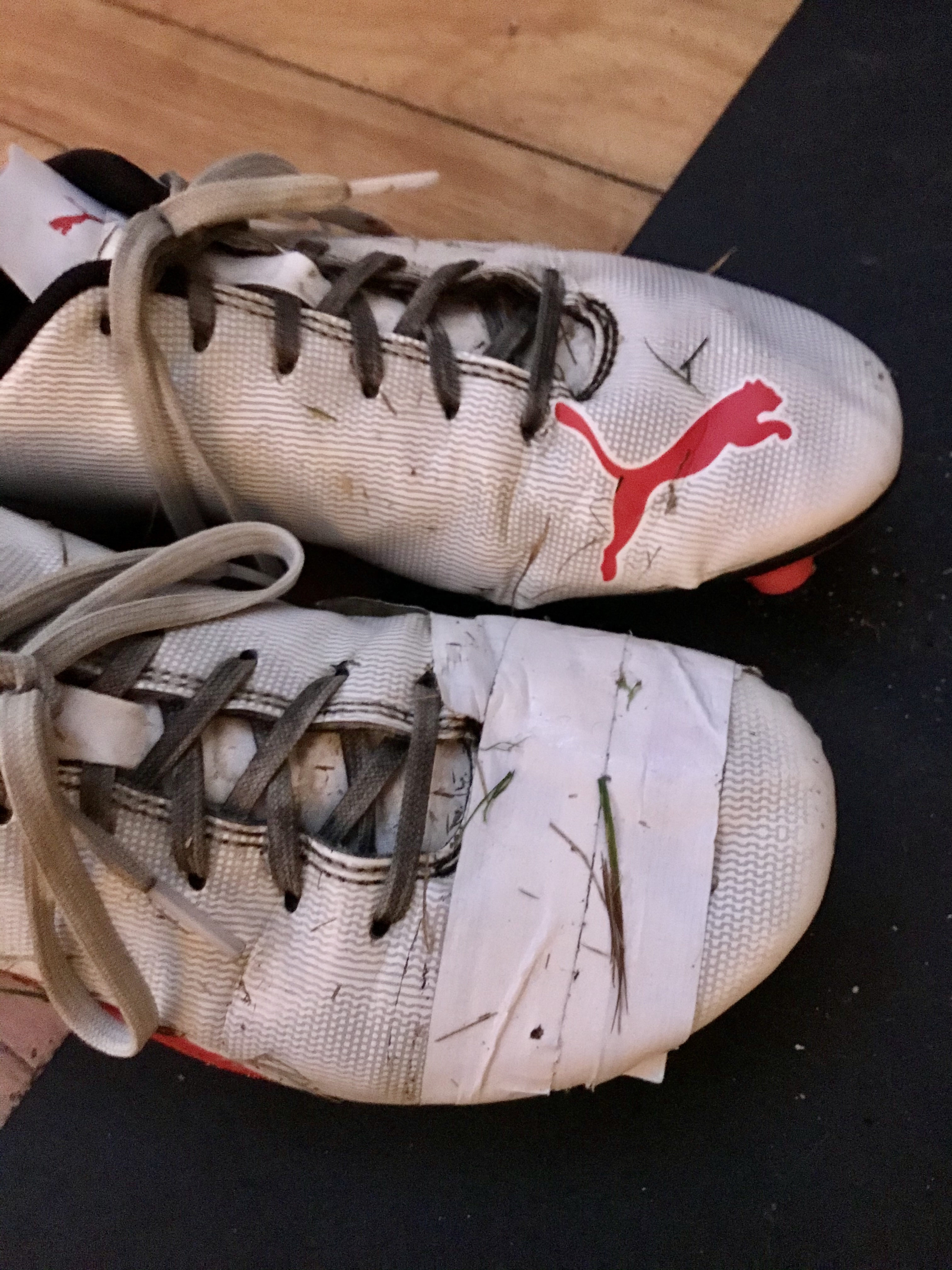
Feeding the wood stove before bed, my eyes catch on my daughter’s duct-taped cleats drying beside the wood stove.

Two decades ago, I first became a mother to this girl’s older sister, and an accompanying stream of beloved things have passed through our lives, too.

Beloved Sleepy Bunny — now worn threadbare — colored stacking cups, babydolls, a teddy bear my youngest clutched on her lap as we drove around the Southwest the summer I removed my wedding ring and threw it into the desert. When she was three, this girl draped over a blue swing in the front yard apple tree on her belly and dug her toes in the dirt, dreaming.

Now, she’s 15, teen as teen gets. I study that silent sign of what’s beloved to this girl. Then I turn out the light and go upstairs to read.
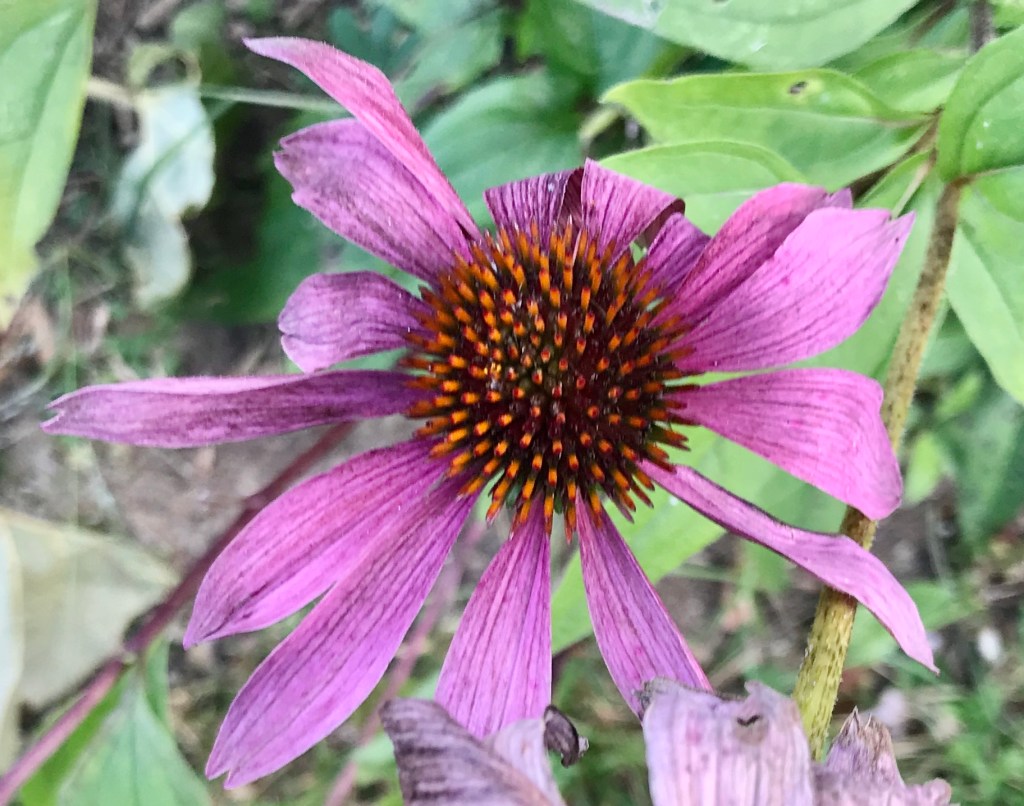
Season Change

My daughter and her friend were been hired for the afternoon to harvest pumpkins.

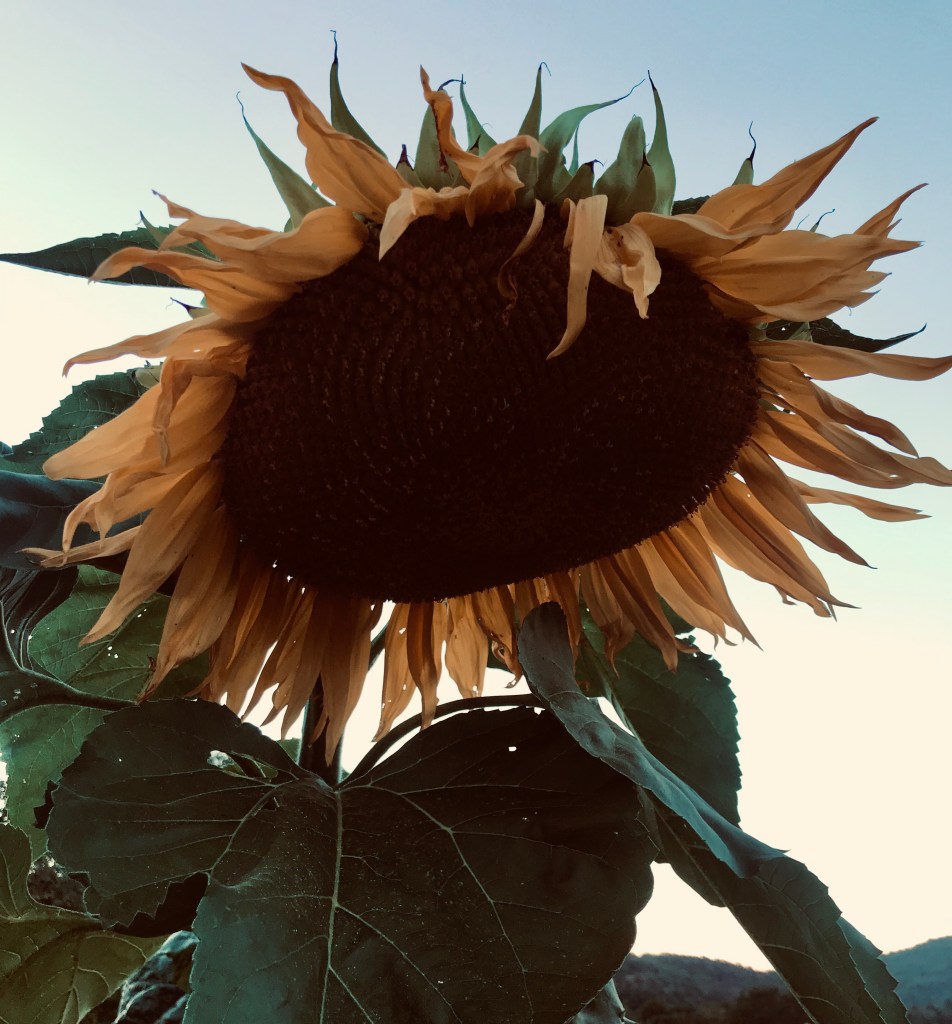
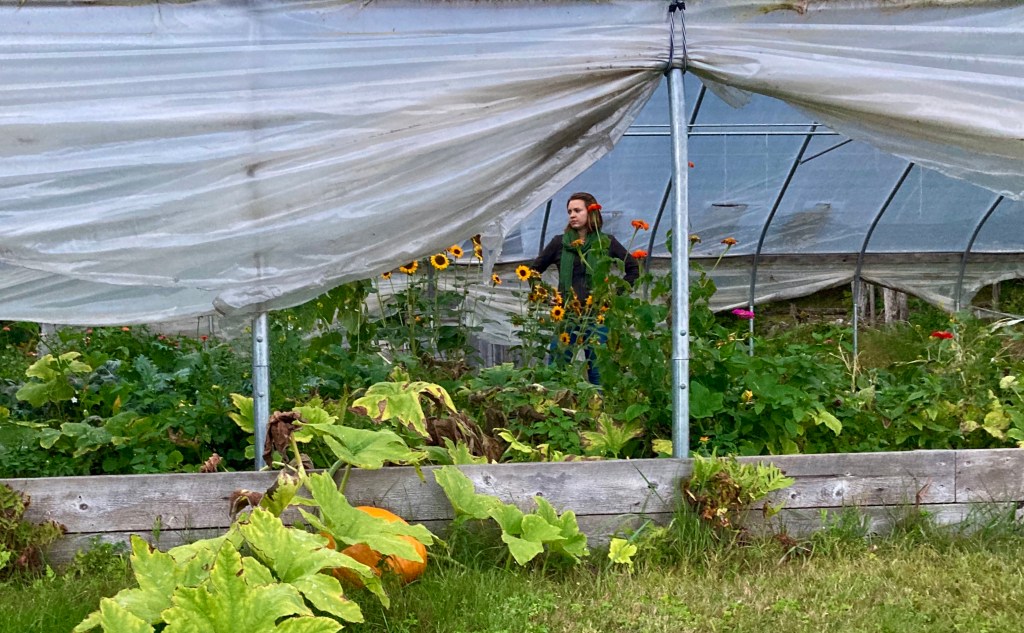
That afternoon, picking up the girls at the farm, I stood talking for awhile with the couple, whom I’ve known since my oldest daughter was a toddler. They showed me the sunflowers they had managed to save from the frost by covering. The flowers, I could see, were not long for living.

Bundled in sweaters and sweatshirts, we stood talking in the late afternoon sunlight. The couple was appreciative of my daughter and her friend — how the girls’ hard work boosted the boys’ output. I laughed, watching the girls walk towards me, out of the field, holding gloves in their hands, talking with each other.

I remembered those long-ago summer and fall days, when I had worn this child on my back while I sold maple syrup and homemade ice cream. Her little fingers reached over my shoulder, looking for snacks.

The couple’s son drove up on a tractor, a father now himself. As I drove back to our warm house, baking lasagne and apple crisp, I kept thinking of how that couple would give my youngest a tiny pumpkin every year at the farmers’ market. She would carry that orange squash in her two hands, like treasure.

Jack Frost? Not Yet

At breakfast, my daughter mentioned a frost warning.

What? I thought. Already?

At the post office later that day, I chatted with an acquaintance who was at the counter buying stamps, his tiny dog tucked under his arm. He said, Why is frost always such a shock every year?

Indeed.

My girl and I picked the remainder of the tomatoes and peppers, covered what seemed like it should be covered. At the end, I tossed an old sheet over a patch of my zinnias. Really? she asked. You’re covering flowers?

But they’ve given me such pleasure, I said, even autumn-ragged as they are now.

The frost passed us over. A few more days of summer here.

The autumn grass

Wilts at once.

Playing with it. 

Shape of the Day

I drop my daughter at the high school for soccer practice. There’s maybe 12 high school girls on the field, the music cranked up, kicking balls and laughing. There’s no coach, no boys’ team, no open locker rooms, quite possibly not even a game this year. Just these girls, sunlight, grass, soccer goals.

I’m utterly grateful for this hour and a half, in a way I’ve rarely been grateful before. Just these moments of youth and aliveness.

Who knows what will happen next week when school is scheduled to open, or not. This coming fall? A greater, scarier unknown.

But this afternoon. Here. Now.

So, this Saturday, waking from a dream of Vermont’s enormous Lake Champlain, with its stony shores, the cats and I work through these dark hours as the sun slowly rises, and decide to declare this day the day of sunflowers, apples, tomatoes, and pie.

“We need acts of restoration, not only for polluted waters and degraded lands, but also for our relationship to the world.” 


― Robin Wall Kimmerer

Outside of Time

For work reasons, I’m often driving these days on a backroad in Greensboro, Vermont — a wooded stretch of dirt road with few houses. At a particular place, I always remember the August day when I was driving along with a friend, our two five-year-olds in the backseat. The five-year-olds were likely conspiring or arguing. We were driving home from a circus performance in a tent in a large hayfield.

My friend got out of the car and ran off the road with her camera. She wanted to photograph some giant flowers in the woods. Were they Giant Hogweed? Cow Parsnip? She took her time while I stayed with the five-year-olds. The kids were buckled in, and we weren’t letting them out.

Oh, August. Memories upon memories. Who wants to remember January with its endless days of 20 below zero? But August? Somehow, in these days, we’re always young parents, with that enthusiasm for enormous wildflowers and all the time in the world to take photos — at least for these few, gorgeously shimmering days.

IMG_8163

Photo by Gabriela S.

Spectator

At a baseball game at the high school, my friends and I talk about the shape of the evening clouds. The high school has a view of Buffalo Mountain. Behind it, the sun goes down.

I’m late to the game, finishing a book I’m reviewing and answering a handful of emails. When I arrive, I stand back for a bit, watching my younger daughter and her friends who are sitting by the side, apart but not that much apart, their hair piled on their heads, talking and laughing. There’s nothing new here — talking is the lifeblood of teen girls — but that world seems so rare in our world these days. — Go be a kid, swap stories, figure out your place in the world — the pulse of adolescence.

As the sun lowers and I keep talking with my friends, I keep glancing at these girls, their eyes full of sparks and joy, for this evening, these hours, this very moment.

Like wars and depressions, a pandemic offers an X-ray of society, allowing us to see all the broken places. It was possible Americans would do noting about the fissures exposed by the pandemic: the racial inequalities, the poisonous partisanship, the governmental incompetence, the disrespect for science, the loss of standing among nations, the fraying of community bonds. Then again, when people confront their failures, they have the opportunity to mend them.

— Lawrence Wright, “Crossroads”

IMG_8059