“You ask the sea, what can you promise me…”

About 17 years ago – in what doesn’t at all seem like another lifetime but part of these continuous decades I’m living, I walked in the dark from our sugarhouse to our house with my two children. Having worked all day, I’d received a reprieve from sugaring and carried up the dinner chili pot and dirty bowls and spoons. March, the nights are always cold, although sometimes a balmy breeze stirs up as a teasing promise of spring.

I threw the kids’ soaked snowsuits in the washing machine (in those days, the washing machine was always churning) and banked the wood stove. I was knitting something from yellow yarn. What this was – a child’s cap, a gift pair of mittens – I can no longer remember. But I remember reading Maurice Sendak’s Chicken Noodle Soup with Rice to my five-year-old, who slept beside me, profoundly as a child sleeps, her cheeks flushed rosy from a day outdoors. In these hours of making syrup, the children had brought in the mail from the driveway box.

The house was warm after hours in the unheated sugarhouse and also cold, since no one had fed the fire all day. I opened The New Yorker and read “March” by Louise Glück, a poem I probably quote every March in this blog. 17 years later, I’m still reading this poem, even as that kindergartener is now a college sophomore. There’s that cliché, in like a lamb, out like a lion, but March is often lion and lamb, all the time. Now, 17 years later, less impatient with spring’s maddening dawdle, I no longer read Maurice Sendak. Yet, unlike the triteness that when the children are grown, they’re flown, our family delves into my disease, digs hard at the stuff of what family means.

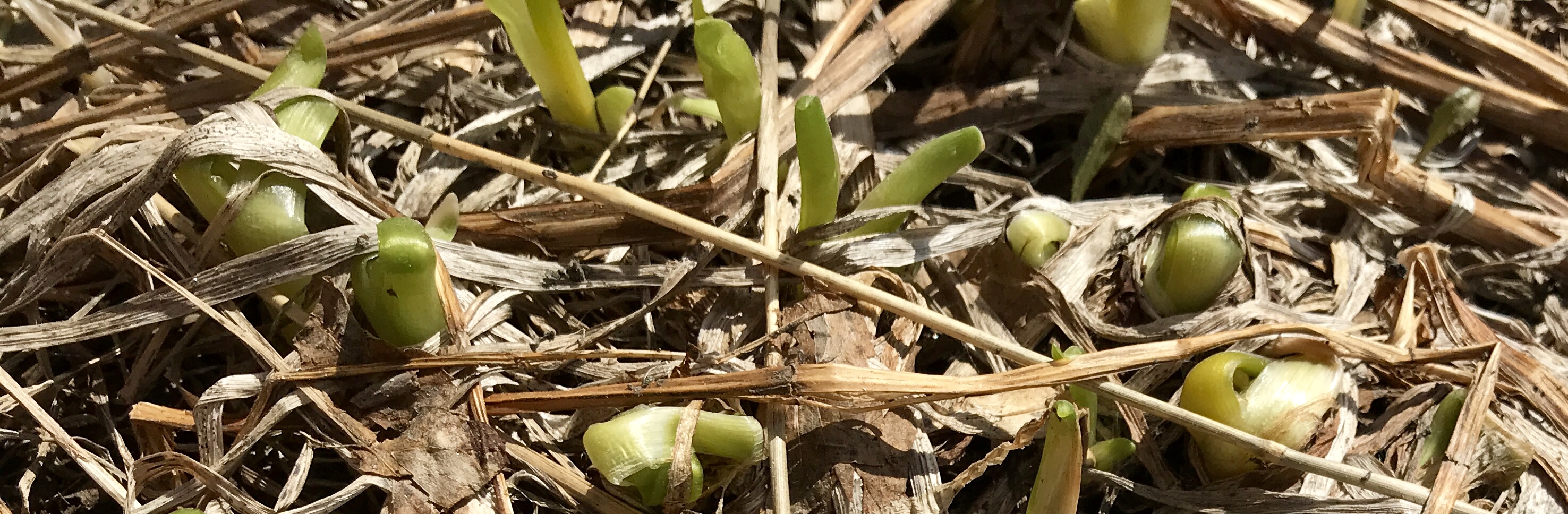
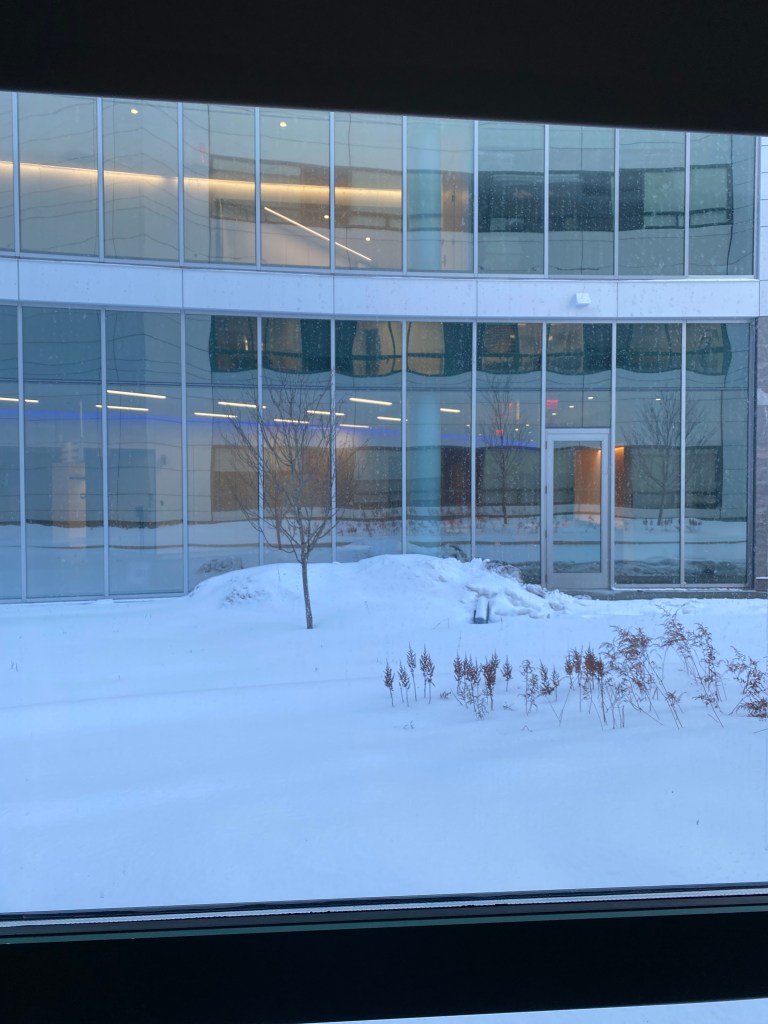
Still at Dartmouth, the nurse muses this morning about nine degree temperatures. March is a brutal tease and may leave more sharply than she arrives. But it’s March. The earth will thaw. The universe ambles along, dragging us, too.

You ask the sea, what can you promise me
and it speaks the truth; it says erasure….


The earth is like a drug now, like a voice from far away,
a lover or master. In the end, you do what the voice tells you.
These Days…

Days and nights on the cusp of sugaring season. It’s been years since I made a living sugaring, but I haven’t forgotten the years the kids and I inhabited the sugarhouse for a month and more. Walking at dusk, as the night bites my eyes and the tip of my nose, I remember what close friends the weather and I were in those weeks of sugar and ash. The children were always in sodden snowsuits, or their fingers shivered from lost mittens, or their faces were crimson with heat, cheeks sticky with a maple patina. We ate oatmeal and nachos, drank coffee with syrup, baked pizza in the arch when the fire burned to coals. We were always hungry.

One night, a daughter sleeping against me in bed, I read a Louise Glück poem in the New Yorker while knitting a yellow bunny for that sleeping child’s Easter gift. I gobbled that poem, ripped it from the magazine, thumbtacked it over my desk. Forget it’s still February; the poem must be read.

March

The light stays longer in the sky, but it’s a cold light,
it brings no relief from winter.

My neighbor stares out the window,
talking to her dog. He’s sniffing the garden,
trying to reach a decision about the dead flowers.

It’s a little early for all this.
Everything’s still very bare—
nevertheless, something’s different today from yesterday.

We can see the mountain: the peak’s glittering where the ice catches the light.
But on the sides the snow’s melted, exposing bare rock.

My neighbor’s calling the dog, making her unconvincing doglike sounds.
The dog’s polite; he raises his head when she calls,
but he doesn’t move. So she goes on calling,
her failed bark slowly deteriorating into a human voice.

All her life she dreamed of living by the sea
but fate didn’t put her there.
It laughed at her dreams;
it locked her up in the hills, where no one escapes.

The sun beats down on the earth, the earth flourishes.
And every winter, it’s as though the rock underneath the earth rises
higher and higher and the earth becomes rock, cold and rejecting.

She says hope killed her parents, it killed her grandparents.
It rose up each spring with the wheat
and died between the heat of summer and the raw cold.
In the end, they told her to live near the sea,
as though that would make a difference.

By late spring she’ll be garrulous, but now she’s down to two words,
never and only, to express this sense that life’s cheated her.

Never the cries of the gulls, only, in summer, the crickets, cicadas.
Only the smell of the field, when all she wanted
was the smell of the sea, of disappearance.

The sky above the fields has turned a sort of grayish pink
as the sun sinks. The clouds are silk yarn, magenta and crimson.

And everywhere the earth is rustling, not lying still.
And the dog senses this stirring; his ears twitch.

He walks back and forth, vaguely remembering
from other years this elation. The season of discoveries
is beginning. Always the same discoveries, but to the dog
intoxicating and new, not duplicitous.

I tell my neighbor we’ll be like this
when we lose our memories. I ask her if she’s ever seen the sea
and she says, once, in a movie.
It was a sad story, nothing worked out at all.

The lovers part. The sea hammers the shore, the mark each wave leaves
wiped out by the wave that follows.
Never accumulation, never one wave trying to build on another,
never the promise of shelter—

The sea doesn’t change as the earth changes;
it doesn’t lie.
You ask the sea, what can you promise me
and it speaks the truth; it says erasure.

Finally the dog goes in.
We watch the crescent moon,
very faint at first, then clearer and clearer
as the night grows dark.
Soon it will be the sky of early spring, stretching above the stubborn ferns and
violets.

Nothing can be forced to live.
The earth is like a drug now, like a voice from far away,
a lover or master. In the end, you do what the voice tells you.
It says forget, you forget.
It says begin again, you begin again.

— Louise Glück

March

The winter my youngest daughter was two, I remember lying in bed one night with her after we had been in our sugarhouse all day. The washing machine churned with the children’s wet snowsuits, grimed with mud and ashes. I was worn out with working, my hair laced with the scents of wood smoke and maple, infinitely pleased that we had made a barrel of syrup.

As my little daughter fell asleep, I read Louise Glück’s poem “March” in the newest New Yorker, beginning:

The light stays longer in the sky, but it’s a cold light,
it brings no relief from winter…

A year into the pandemic, I feel as though we’re mired in an eternal Vermont March. I am now old in ways I have never been old before; all three of us have bent and changed this year, as has everyone I know.

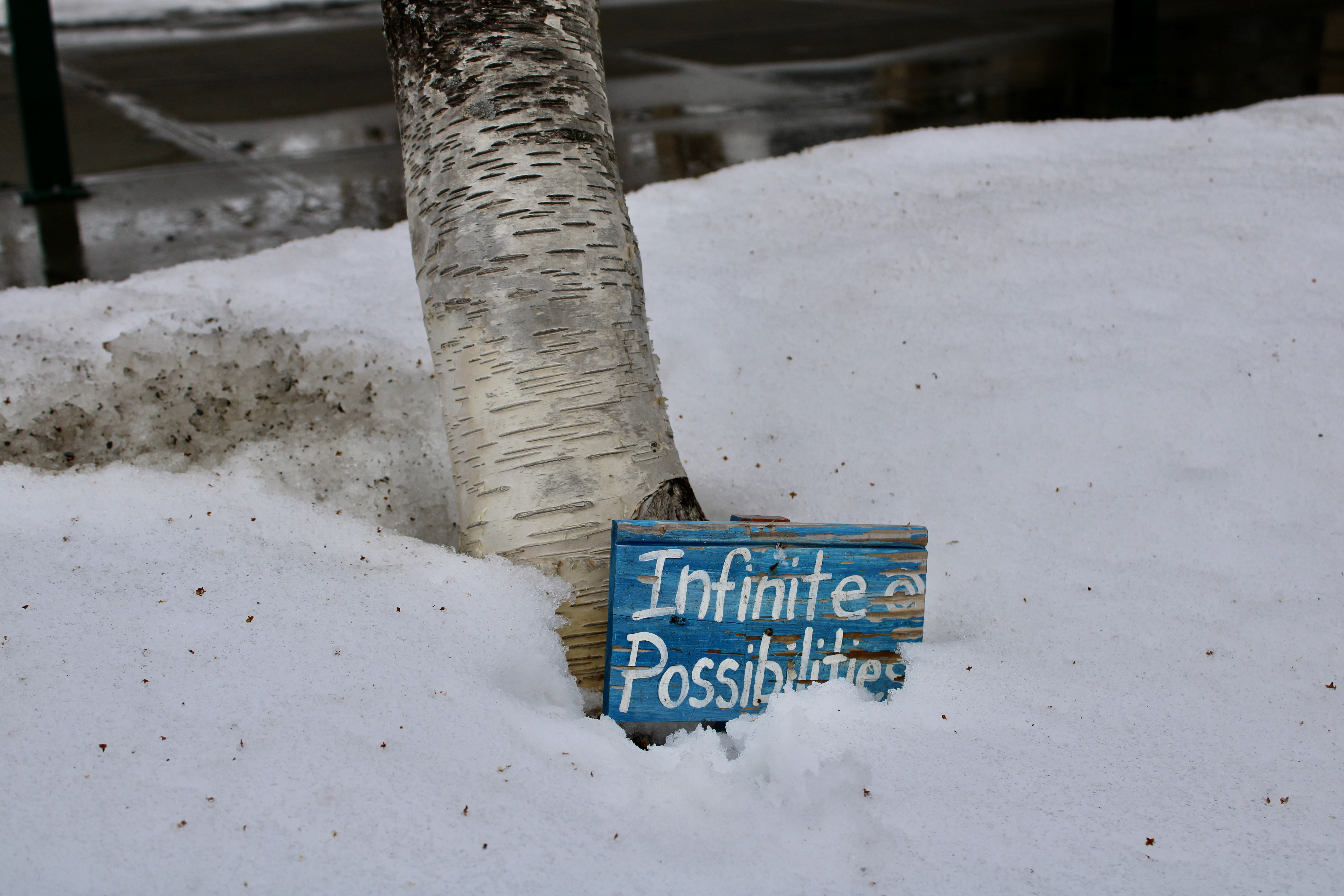
When my daughter gives me this photo she took, I cringe for a moment, with a definite glass-half-full fear. But she doesn’t. Infinite possibilities…. surely, spring is there.

Photo by Gabriela S.

14 Years Ago… On a Hot Day…

Nearly 14 years ago, my friend and I drove to Burlington to shop for a baby carseat. I was pregnant; she was pregnant. In the backseat, our two  6-year-olds chattered and ate snacks. Somewhere in the midst of our errands in Burlington, we discovered it was Ben & Jerry’s Free Cone Day.

What’s 14 years in the scope of human history? A nearly nothing. But for us, two baby girls, one death, five jobs, one book, a rabbit, two cats, one divorce, and a whole lot of living later — 14 might as well be a trip around the moon and back.

No free cones on this trip. We returned with four boxes of Narcan, oodles of info, and even more talk….

Why love what you will lose?
There is nothing else to love.

— Louise Glück

IMG_5096.jpg

Spring, 5:58 p.m., Wednesday

My 13-year-old’s bouncing like her once-beloved Tigger. After school, she’s ecstatic, with no particular reason. All through the afternoon, through cooking dinner together, hopping on one foot from the kitchen to the dining room, setting the table….

What’s up? I think. And then I know. I force myself to drop the adult crabbiness, forswear off my intention to adhere to my list.

It’s spring fever, and there is no cure. There’s only revelry.

11 years ago, give or take a few weeks, I dragged myself in from a long sugarhouse day, got my two and eight year old daughters to sleep, picked up The New Yorker, and read this poem by Louise Gluck.

Still one of my favorite poems, these lines remind me of how this harsh season reflects not only Vermont but the long seasons of a human life. Spring is hard-earned here. We savor it more for that.

It’s a little early for all this.
Everything’s still very bare—
nevertheless, something’s different today from yesterday.

IMG_4953.jpg

February Yields To March

The snow lies so deeply around our house I might be wrong about that slender path, first through the transplanted hydrangeas from Susan and then along the milkweed behind the garden. Down the hill, through the wild tangle of pine and boxelder, I see a single porch light every night. Come spring, I imagine, I’ll walk in my boots through the melting snow, stand at the edge of the forest, and see whose light that is.

The light stays longer in the sky, but it’s a cold light,
it brings no relief from winter….

(The earth) says begin again, you begin again.

— Louise Gluck, from “March”

IMG_4814

The cats — models of serenity.