Starting Stick Season

At the end of our dead-end road, my neighbor and I call to each other, checking in, seeking news.

Their 5-year-old loves kindergarten, cut his own hair, lost his first tooth, and is learning to read.

My neighbor laughs at all this, holding a giant box of diapers. When they came down with a cold, he and his wife had to get a Covid test — negative! hurray! — and daycare has been screwed up as their provider had to get her own Covid test.

The old lilac bushes surrounding our houses turned a particularly pretty shade of gold this year, but those little leaves have fallen now. Across the cemetery from our two houses, one sugar maple determinedly holds its leaves, a shimmering reflective pool for sunlight in the afternoon.

And so life goes on.

The kindergartner jumps down the front porch steps, sees me, and points into his mouth. See!

From my distance, I nod and cheer. And so Saturday goes.
Eagle and Loon

I’m at the edge of a pristine lake crouched under an enormous white pine at the place where the owners want to build a boathouse. On the way down, I waved to the carpentry crew working on the house; they’re the hired help as I, a town employee, am a version of hired help, too.

I’m writing a few notes when I hear a rush of wings. A bald eagle swoops out of the white pine so near to me I see its shockingly white tail feathers. The creature is so large its wings are almost oversized, flapping mightily as it turns and heads over the lake, apparently in no particular rush but moving rapidly as its wings bend through the air.

At the same time, as if on cue, a loon calls on the glassy lake. For that moment — in a day I’ve jammed with too much — I’m in no rush to go anywhere. Still crouching, I watch that eagle head across the lake, admiring its enormous wings, while I listen to the loon’s echoing calls.

My daughters and I have been swimming on this lake when loons didn’t nest here. All spring and summer we’ve seen eagles. The wild world — with its greater, wiser plan.

The loon dives and disappears. I wander to the lakeshore and dip my fingers into the cold, clear water. Gray sky, fallen leaves in the water, stones, my boots — and so much more.

A few words

In the middle of a rainy morning, I was at the muddy dead-end of a road, listening to a passionate young man who’s taken over the family farm, as he explained an argument he’s had with the road crew and plowing.

Over his shoulder, I stared at a line of tamaracks, their feathery branches ignited autumn gold.

What? he asked, seeing I wasn’t listening.

Tamaracks, I nodded.

He glanced over his shoulder for a moment, and then kept on with his explanation.

Let this be the silent word of the day: tamaracks, and their silent gold.

It should not be denied… that being footloose has always exhilarated us. It is associated in our minds with escape from history and oppression and law and irksome obligations, with absolute freedom…
― Wallace Stegner

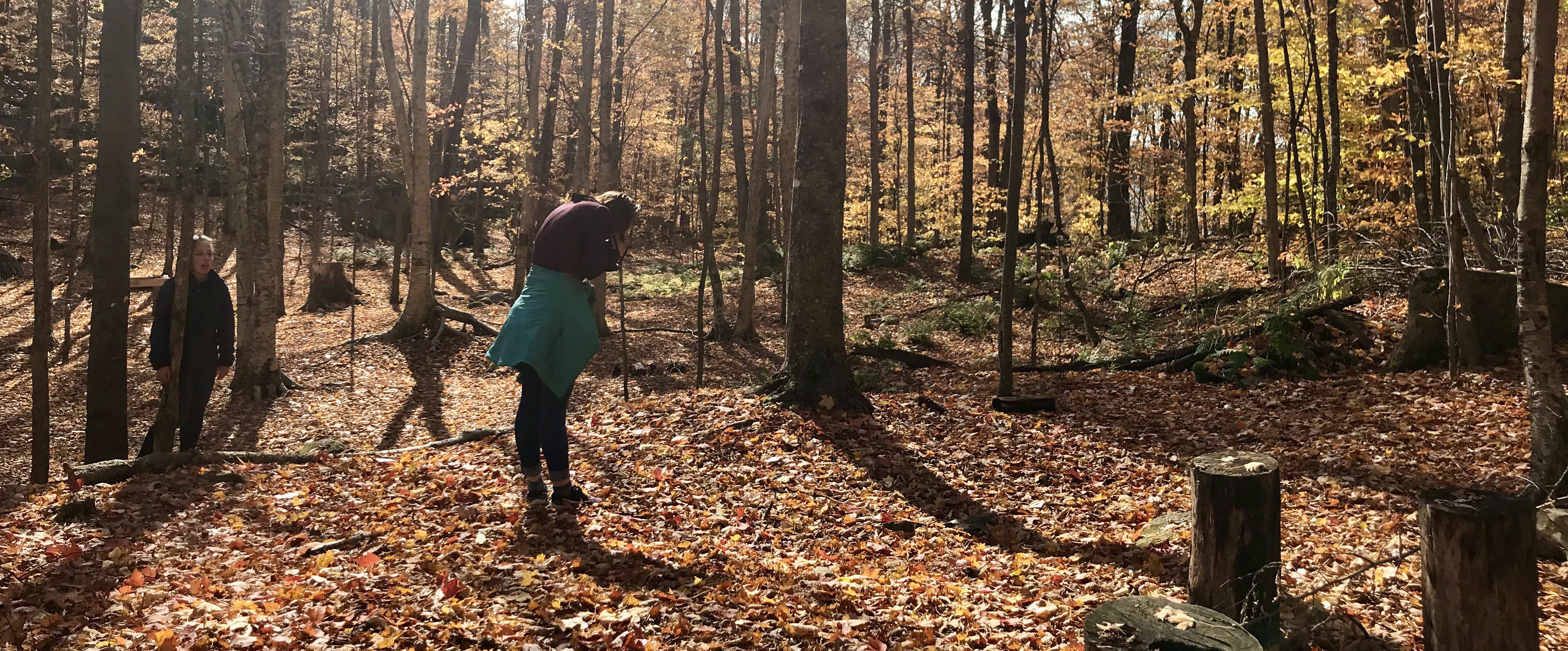
Maple and ash, old quarry site, Woodbury, Vermont

Worn Cleats

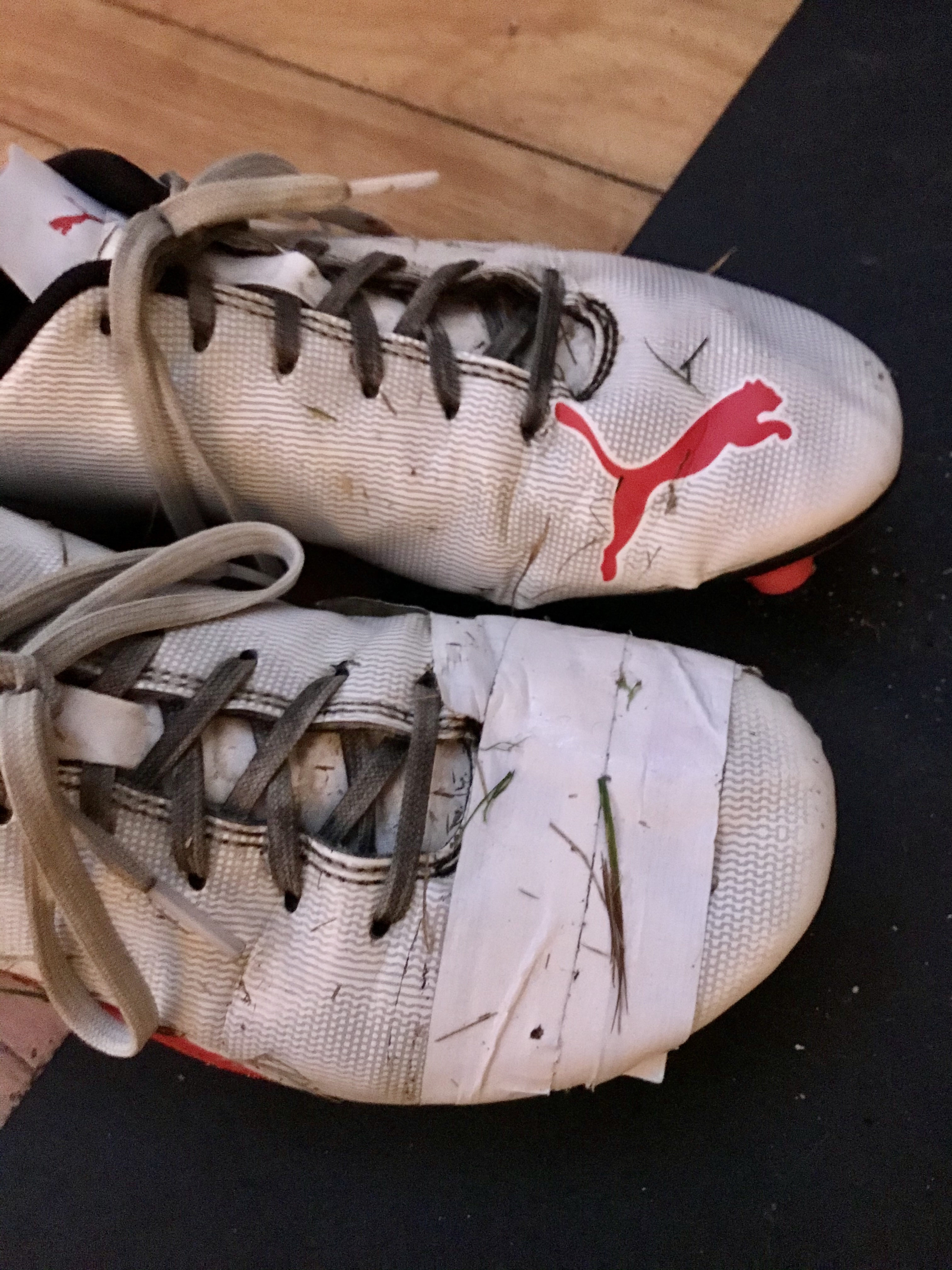
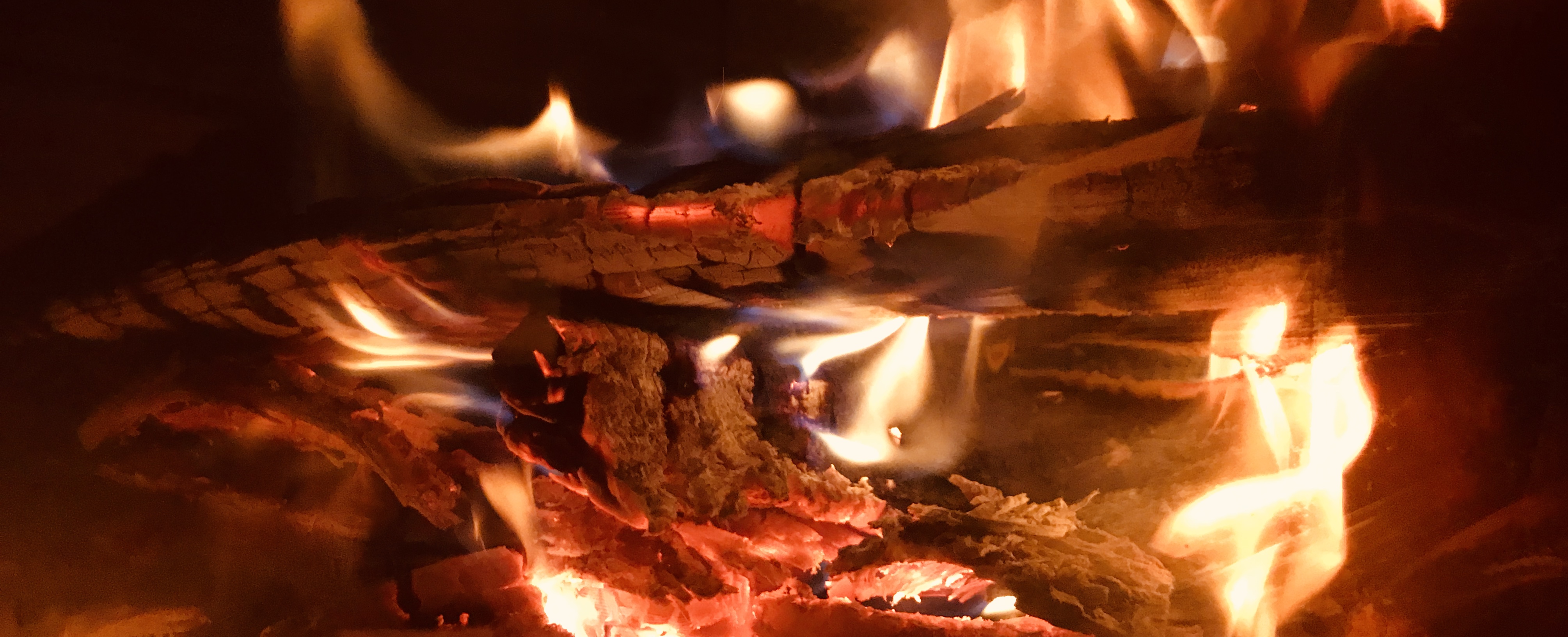
Feeding the wood stove before bed, my eyes catch on my daughter’s duct-taped cleats drying beside the wood stove.

Two decades ago, I first became a mother to this girl’s older sister, and an accompanying stream of beloved things have passed through our lives, too.

Beloved Sleepy Bunny — now worn threadbare — colored stacking cups, babydolls, a teddy bear my youngest clutched on her lap as we drove around the Southwest the summer I removed my wedding ring and threw it into the desert. When she was three, this girl draped over a blue swing in the front yard apple tree on her belly and dug her toes in the dirt, dreaming.

Now, she’s 15, teen as teen gets. I study that silent sign of what’s beloved to this girl. Then I turn out the light and go upstairs to read.

Fire and Dark

I parked at the wrong entrance to the Enchanted Forest walk in Montpelier’s Hubbard Park, so we walked backwards down the path in the dark for a while before reaching the beginning and backtracking.

Rain has been scarce in Vermont all summer, but the path was lit with hundreds of white paper bag luminaries. Fires crackled in cauldrons. Women danced with fire. Paper lanterns glowed in trees. The effect was not frightening, but magical — my teens murmured that we had stepped into Lord of the Rings. I imagined we had entered Shakespeare’s world.

As we approached the final hill, a torch burned on the stone tower’s top. We spread out on the lawn — socially distanced, all of us bundled in coats and masks — and watched a simple light show with hand-cut slides featuring a snail traveling through the woods and fields and ocean.

We were in Montpelier — Vermont’s leftist capital — and I wondered if the climax would bend towards an urge to vote. Instead, the simple and not-so-simple ending was that the slow-moving snail carried a galaxy on its back. Carry hope with you. Don’t lose your path in the great, wide world.

Along that path lit only by fire — in jack-o-lanterns, torches, lanterns — we walked through the dark woods.

All the drive home, the girls laughed and talked. We are snails.

Survival often depends on a specific focus: A relationship, a belief, or a hope balanced on the edge of possibility.


― Elisabeth Tova Bailey. The Sound of a Wild Snail Eating

Cheery Sign

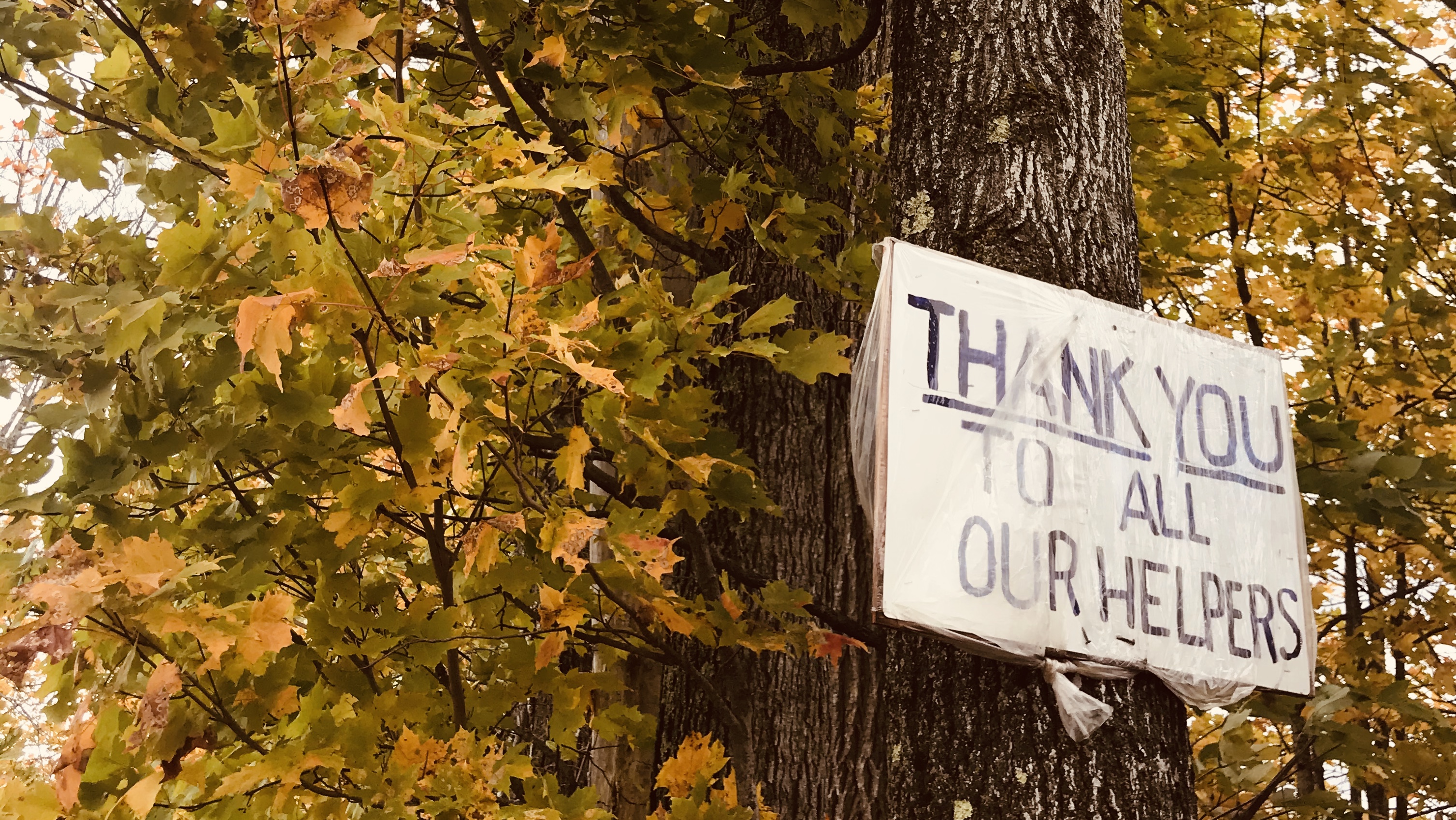
On my way to a bone-chilling soccer game, I stopped by the side of the road to snap this photo. Harvest helpers? Essential workers? I hardly cared — a nice sign on a backroad in the midst of so much nasty rhetoric. Maybe simply a thank you to the universe.

While I huddled in my coat at the game — who can cheer with a mask? who can cheer when the crowd is spread out and the wind is blowing? — I thought back to this sign and the strange topsy-turviness of the world.

Whoever the helpers are — whoever the signmaker is — thank you for a bright spot on an October afternoon.

“Human beings have an inalienable right to invent themselves.” 
― Germaine Greer

Greensboro, Vermont