On Not Speaking the Language of Cat.

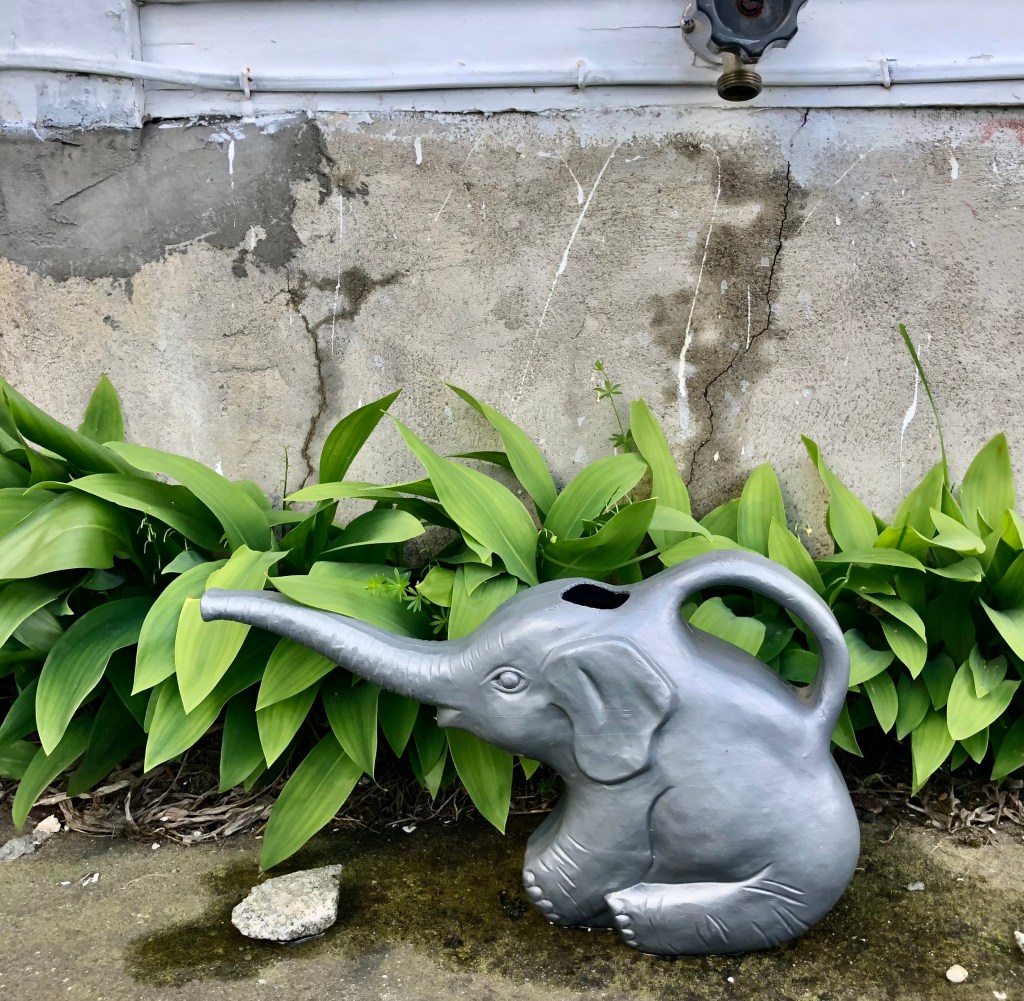
My cat Acer, above, exemplifies not only feline beauty but a steady reminder that I do not speak Cat, that I live in a world rich with beings going above their own wise lives, despite the lack of an opposable thumb.

For anyone who’s never lived where the days constrict in November and December, here’s a snapshot: I’m home at four and our house is satisfyingly warm as my daughter, home on college break, fed the fire. In the dusk that drifts down, my neighbor and I walk to the town library, which seems a natural destination. When we return, we stand in the light from the windows of her house, remarking about the dark.

We talk about little things that seem irrelevant — our children and Thanksgiving and my asparagus bed gone to weed — these things that stitch our lives whole. The air holds just the right amount of cold, nothing too fierce but sharp enough to whet desire for my warm house, the wood smoke trailing from my chimney. In its wordless language, the half-moon rises through the pines around my neighbor’s house, luminous in the black sky where the stars appear one by one, and then suddenly the Big Dipper glows. The horizon is a thin crimson line, and then that, too, winks down into the night.

“Muddy water is best cleared by leaving it alone.”
― Alan Watts
Talking.

Old friends/neighbors appear on the other side of the cemetery fence. She’s wearing shoes with a hole in one heel and steps carefully through the patchy snow that remains. In the thin late afternoon sunlight, I’m in the brown garden, searching for nubs of green, an elbow of garlic, a toe of daffodil. It’s been so long since I’ve seen these people, in that long ago time known forever now to us as pre-pandemic, that I need a moment to determine, yes, yes.

We are all three of us worse for wear, but they dive right in, talking about my house and the wood piles, the forsythia I planted that’s sprung crazy, the picnic table beside the apple tree. Things have happened here. Life has gone on.

He leans on the fence where my youngest tied a pink strip of old t-shirt years ago, marking where she and a friend planted a time capsule. What’s in there I can no longer recall, and likely she can’t, either.

Six years ago, in April, I decided to move into this house. No one was living here then. I leaped over the fence and tore a hole in the back of my leggings. I headed to work afterwards, and the kids teased me. What have you been doing? That April was a warm one, too. I leaned against the house and studied the declination of sunlight as I guessed it would rise.

As we talk, the wind picks up. The robins are ecstatic in the neighbors’ maples, really belting out their songs. Overhead, the turkey vultures float, eyeing us. We keep talking, tossing at each other, “remember this? remember this?” Oh laughter….

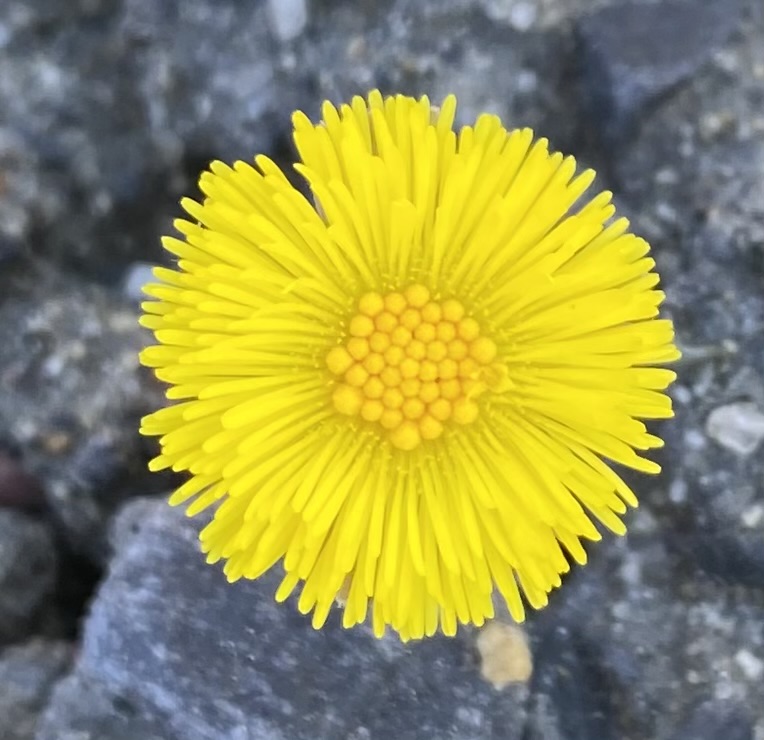
The bud
stands for all things,
even for those things that don’t flower,
for everything flowers, from within, of self-blessing…
— Galway Kinnell

Words and Stale Bread.

Where I am these days…

I’m standing in front of the town office where I work when a Subaru swings in, and the driver pulls up beside me. I’d been eating the stale focaccia and watching a swiftly moving rainstorm moving across the lake. The driver is someone I’ve know off and on for years, through school board and select board meetings, through the connections that unite people in Vermont towns.

We share a conversation about a resident who’s using his parcel of land hard, hard, so unnecessarily. Rain spits a bit. I gnaw at the side of the focaccia, worried about stressing my tooth with its repeated root canal work.

Of all the many things I’ve learned or observed in the pandemic, our collective need for these small moments has surfaced repeatedly. We’ll come to no plan of action, no change, but for this moment in a breezy June midday, there’s one more stitch in my life, tugging me back in the community life.

On my drive home, a deer leaps before my own Subaru — all long legs, glancing over its shoulder as it disappears into the woods. I take the long way home on the ridge above the Black River valley that twists along Route 14. The two-lane blue highway passes a highway that flows two ways — north and south.

… Today the fields are rich in grass, 
And buttercups in thousands grow; 
I’ll show the world where I have been– 
With gold-dust seen on either shoe. 

Till to my garden back I come, 
Where bumble-bees for hours and hours 
Sit on their soft, fat, velvet bums, 
To wriggle out of hollow flowers….

~ William Henry Davies

Foxes. Friends.

June, and I work in the garden or the outside tables as much as possible, countering my indoors job and the pandemic years that have thrown me (and humankind) off-balance. Despite the unusual cold and wind, I often read outside in the evenings while the neighbors’ boys bike on our dead-end road, calling out my name.

Just beyond the pin cherry trees, the foxes come and go, reddish-brown, their front legs black. They’re not disturbed in the least by the man who walks his leashed dog in the cemetery, both man and dog head down, preoccupied with what, I have no guess. Across the milkweed and lupine, the foxes and I stare at each other, before I silently head my way, or they head theirs.

They go about their lives of hunting and playing, their ears and eyes alert to the world around them. I go about my human life of language and thought — a life that sometimes seems fixated on lists and transactions. For these moments, coming and going like the sun through clouds, this relationship feels like one of the realest in my life, devoid of our human tendencies towards deceit and self-absorption. I’m not about to become a fox, but I might become a slightly better human for these true friends.

The gods, we are taught, created humankind in their own image. Everyone has an urge to create. Its expression may flow through many channels: through writing, art, or music or through the inventiveness of work or in any number of ways unique to all of us, whether it be cooking, gardening, or the art of social discourse. The point is to honor the urge. To do so is healing for ourselves and for others; not to do so deadens our bodies and our spirits.

~ Dr. Gabor Maté, In the Realm of Hungry Ghosts

Foxes. Writing.

Foxes set up kit-making and housekeeping in a den behind our house again this year. Last year, three kits scrambled around. This year, two kits tumble over each other, already growing long-legged.

Their den is in the woods not far from our yard and garden, beyond a patch of weeds and across a stretch of sand. On a recent hot afternoon, I saw a kit stretched out on the sand, sleeping or half-sleeping, soaking up the rays.

A naturalist and his class make arrangements to stop by one evening and see my wild neighbors. Before they arrive, I’m reading outside when my friend stops by. The foxes appear. Near my garden, the neighbor’s gray cat watches, too, in the disdainful way cats do so well. My friend and I marvel at the juxtaposition of wild and domestic, and then the foxes scamper away. We’re knitting and talking when the others arrive. Not on the human agenda and with other things to do, the foxes do not re-appear.

Besides myself and my daughter, I’m not sure who else has seen these foxes. I’ve witnesses these creatures roll over each other and hunt baby woodchucks. They’ve doubtlessly seen me wander about, doing my garden chores. For long moments, we’ve stared at each other over that distance of milkweed and pin cherries, sizing each other up as a potential threat. Each of us appears to have drawn conclusions.

When the naturalist and his companions disappear, I’m slightly sorry they haven’t met and admired the foxes. But there’s also a part of me that relishes this secret world, this relationship devoid of human words.

Last…. here’s the essay I finished reading just before my friend appeared. This is from the final essay (‘On Becoming an American Writer’) in Alexander Chee’s How to Write an Autobiographical Novel.

‘Only in America do we ask our writers to believe they don’t matter as a condition of writing… To write is to sell a ticket to escape, not from the truth, but into it… All my life I’ve been told this isn’t important, that it doesn’t matter, that it could never matter. And yet I think it does. I think it is the real reason the people who would take everything from us say this. I think it’s the same reason that when fascists come to power, writers are among the first to go to jail. And that is the point of writing.’

Writing.

I’m working on my laptop in Hardwick’s Front Seat Coffee when a man who I wanted to sell my house to, a few years back, comes up to me. In those days, he and his wife had a few young kids. The house was creative and cool, but in fairly lousy physical shape, and I believed he had the skills to right the rotten places. Life unspun in a different way, a pandemic set in, and that was that.

He’s now read my book about addiction. When we hug, he smells of woodsmoke. These days, he’s boiling sap outside, making syrup for his family.

When my youngest tells me she doesn’t know why anyone would ever write a book, I tell her there’s no reason at all, perhaps, except that it seems impossible NOT to write the book. Maybe all creativity is this way — that we’re driven to do things that otherwise no rational human would. Thank goodness for the madness of art, really.

After we talk about writing and addiction, he tells me he and his wife bought a house I once knew quite well, and we marvel at the interconnection in our little world. I may see him next week, or not for four years. And then our conversation will undoubtedly begin again.