Stone House.

All night, wind howls around our house. I give up the charade of sleeping and pull out my library book. I’m in the final pages of Meredith Hall‘s memoir about growing up in New Hampshire, Without a Map, and I’m in no rush to end her story, close the cover, and return the book.

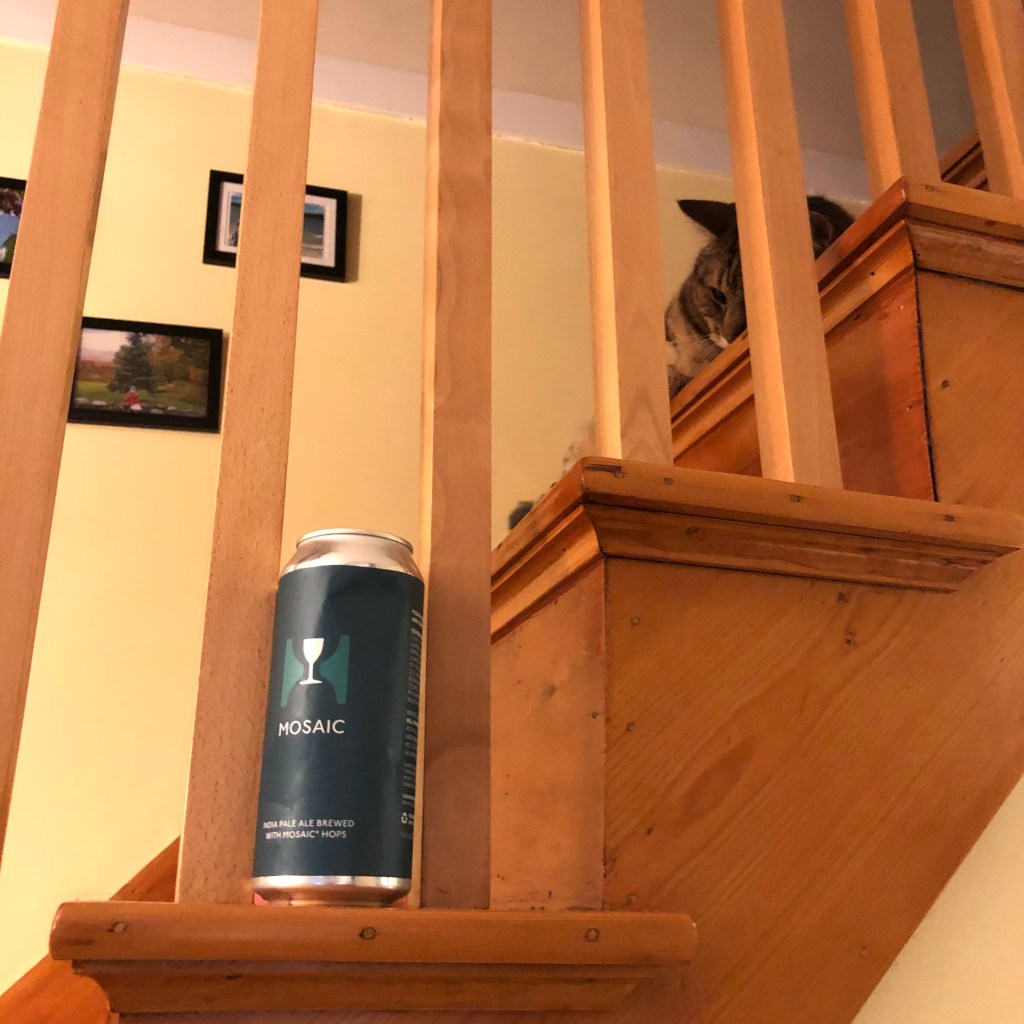
At my feet, my little cat lies awake, thinking cat thoughts, in a cat circadian rhythm of his own. The Ides of March howl in fiercely. All day, the wet snowstorm has swirled around us. My wet boots lie beneath the wood stove. Our house banked in by white and the ash bucket melting dirtily into the path where I’ve left to cool, its embers to burn out and die.

Somewhere in those hours before dawn, I shake flat the wood stove’s embers with the ash shovel and lay one, two, more pieces of wood on the flickering coals. In the dark house, the little cat follows me downstairs, curious about breakfast but not insistent.

I think of what I’ve read that day, about a stone house built nearby in the 1800s from a single boulder. A curious endeavor. Take this stone, cut it into pieces, and make a home. In the darkness, the wind rakes over our house, hurls over my snow-submerged garden plot, and whirls over the town cemetery.

“The past lies beneath the surface, intransigent truth. Remembered or not, what we say and do remains, always.” 

— Meredith Hall

Cars, Coffee, Conversation.

My daughter drives the interstate towards Burlington in the valley that folds along the Winooski River. I’ve driven this stretch of interstate countless times, in all kinds of weather, alone or with children in the backseat eating snacks and talking about something like various shades of blue.

We pass the town where, a few years back, I fiercely negotiated down the price of a Matrix. While my older daughter test drove the car, the owner and I stood on the sidewalk in front of his suburban split-level. He sold restaurant equipment and wasn’t in the least interested in sharing stories about that job. He couldn’t get the Matrix’s hood open, which made me ask how often he checked the oil. My question irritated him. That — and the cash I brought — tipped the price in our favor.

As it turned out, that Matrix never burned a drop of oil. My daughter drove the car for years. Well beyond 200k miles, we sold the car to a man who called himself Saffron Bob. Saffron Bob appeared in a snowstorm, also with cash.

My daughters found his story about growing saffron along Lake Champlain utterly believable. I did not, but I was wrong about that, too.

We stop for coffee. My daughter steps forward and pays. We keep driving and talking, another strand of our story.

Family Stories.

The cats eye the dog with disdain. The dog considers the cats a potential meal or simple annoyance; we don’t know. The dog sneaks into the kitchen and steals the bowl of chocolate covered stars which horrifies my daughters. In that tussle, the braver cat slinks behind the wood stove and regains his favored position.

My oldest has no heat in her apartment, worries about her houseplants, has heat and then again has no heat. She texts me before five in the morning, and then my brother and I lie awake and text each other through the bedroom wall. I write, looks rough in Buffalo. I make endless pots of coffee. My brother, the brewery owner, drinks beer. We play Concentration, Chinese Checkers, Wordle.

The bathroom needs painting, and we discuss paint options, how Steam might pair with Orange Juice like our father’s study. The remains could be used in our tiny dining room.

After he’s home, he sends me three photos. In one, my youngest as a tiny girl stands in a borrowed homemade dress with mud smeared to her elbows and daubed on her face. My oldest leans down from an apple tree, sunlight in the leaves over her head. My brother pedals a tricycle. I remember the summer day I took that photo of my youngest. We had stopped by a site where her father was building a house. So much mud, so much pleasure for this child. Years later, I saw that homeowner ice skating with his young daughter. How much I wanted to know if he still lived in that house. How well had it held up for him? Instead, we exchanged chit-chat about the ice, and I never learned his story.

In the dog’s absence, the cats retake their rug and wood stove territory, protagonists in their own cat-language drama.

Composite.

After the death of Ray McNeill, I scavenged a phone number for a woman who roomed in my freshman college dorm and phoned her. We hadn’t seen each other in years. She called me, years ago, after a mutual friend died unexpectedly from heart failure. Our conversation has no real point, no precise question I want answered. We agree we didn’t like each other, years ago, but can’t remember why. What was the contention and why did it matter so much?

Four degrees this morning. I’ve experienced forty below zero, but, good lord, four degrees is not compatible with prolonged human exposure. I carry the stove ashes out and stand for a moment, a few snowflakes drifting down from the darkness, illuminated in my kitchen window’s electric light. Below me in the valley, the scattered lights of the village glow: power still on here. All night, wind threw handfuls of icy snow at our windows. I lay awake listening and reading, my cat curled on my bed, wary of my visiting brother’s dog.

My youngest and I, as the initial rain set in, discovered a rainbow over the village. A fortuitous sign? All depends on how you read that, which way luck will run.

Glass. Packages. Blood.

My daughters spent years playing with glass containers. Sure, we also had the usual endless assortment of empty yogurt containers, the odd plastic collection, the paper cups such as the beloved Easter bunny cups (known lovingly as cups-with-bunnies), but we made and sold maple syrup for years.

At one point, wedding favors in leaf or heart bottles was a chunk of our livelihood. I made endless trips to different maple distributors, loading up the back of my station wagon and often around my daughters in carseats with cardboard boxes of glass. That 8oz maple leaf with a gold foil top? Top seller.

I packed and shipped maple syrup in the PO’s flat rate boxes. Those boxes made shipping syrup a viable family endeavor, and I knew all the post offices in my small sphere of travel. Headed to story hour at the library? I swung by the Greensboro post office. Picking up more glass? East Montpelier post office. Need bike parts? Morrisville.

I had a “well, duh,” moment this week at the post office when I weighed a package to my parents. The clerk kindly handed me a flat rate box, tape, and a mailing label. I asked for use of a pen, too, then stripped off my winter coat and hat, and went to repackaging work in the PO corner. I sliced my fingertip on the blade of the knife dispenser and bled on the label and then on my check. All those years, so many bottles filled with sand and pebbles, with colored water and concoctions of leaves and flower blossoms, and I don’t remember a single glass cut on my daughters’ little hands.

I ripped up the check I’d bloodied and wrote another, left-handed and nearly illegible.

Cutting into with the ax,

I was surprised at the scent of.

The winter trees.

— Issa

Winter Koan.

I stop in at the former Hardwick Gazette building, now turned into the Civic Standard, an organization trying to figure out itself. An acquaintance and I stand at the windows in the building’s rear, staring down at the Lamoille, where ice feathers only along the edges. The water is low enough that the rocks are mighty in the rushing current.

I drink coffee and sit crosslegged on the couch, and we talk for hours. I finally vaguely inquire if we haven’t had enough of our own words, and then we go on and on again. The building itself seems marooned in the 1970s, and even in 1972 the building likely felt stranded in 1957. An old printing press hulks beside us. One of us has an Hungarian immigrant family, and our conversation inevitably weaves in the first half of the 20th century.

December in Vermont is as good a time as any to ponder the Zen koan chop wood, carry water in the pieces of my life. Sunlight on the living room floor. Kim chi and brown rice. Reading Ruth Ozeki’s The Face on the rug.

Sunday afternoon, light snow sifts down, the sweetest gift, its fresh cold sweeping away our stale human layers of mind and emotion. I carry in an armful of wood to feed our little stove for the night. The snowflakes melt in my eyebrows. Finally, I think, finally, a scattering of snow. Then I quit thinking, close my eyes, and listen to the falling snow.

“The past is weird. I mean, does it really exist ? It feels like it exists, but where is it ? And if it did exists, but doesn’t now, then where did it go ?” 

— Ruth Ozeki