What Is

When I was in graduate school and teaching an intro creative writing course, I was walking down the library steps one afternoon and suddenly realized I knew almost nothing about writing. Why nouns and verbs, for instances? Why anything for that matter?

I stood there in the rain pondering the difficulty of creative work. I also guessed it would always be hard for me.

That, at least, decades later I now see, was one thing I was right about in my life. Since then, maybe I’ve gleaned one or two things: sometimes less is stronger, and sometimes you need to push and push, going for broke.

Here’s a poem from David Budbill’s lovely posthumous collection.

Say what you see.
Get it down right.

Accuracy is plenty.

What’s here
is good enough.

FullSizeRender

Reflections

Long after sunset last night, my daughters and I went walking, in that thick rural dark broken only by the lights of the single house across the road, the lights of our kitchen behind us, and overhead all those stars. The little girl, fearful of the dark, walked between her sister and me. Those glimmering, oh-so-bright stars twinkled in the treetops, still bare and leafless at this time of year.

Earlier that day, the younger girl had dug quartz pebbles from the roadside mud, washed them clean in a puddle, and gave them to me to put in my pockets for safekeeping. My diamonds, she called them.

Shiny bits of stars, bright bits of stone.

As we walked back to our house, guided by the compass of our kitchen light, the older daughter told us she parted her curtains every night and slept every night with a windowful of stars over her bed.

I asked my daughters to imagine our world without stars, with only darkness, none of the constellations cartwheeling across the sky, no dipper pouring luck over our roof, no Orion standing sentry through those bitter winter nights, no Milky Way – that mesmerizing arc of the eternally and ever-beautiful mysteriously ineffable. What kind of world would this be without the lights of the great heavens that have endured, before and after, any human stirrings on this green and blue planet?

My daughter, age 17, pondered this as we stood with our faces tipped upward. Then she said, That would suck.

Indeed, daughter.

I experience a period of frightening clarity in those moments when nature is so beautiful. I am no longer sure of myself, and the paintings appear as in a dream.

– Vincent Van Gogh
IMG_0485

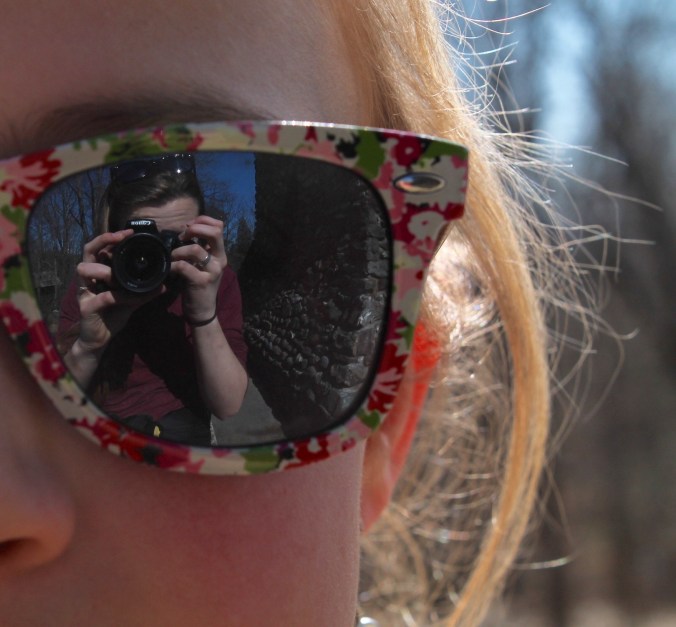
Montpelier, Vermont/Photo by Molly S.


Imagination

Yesterday at dusk, while my daughter in her snowsuit gathered icicles and arranged them in an order known only to her, I walked in the cold along our road, the fresh snow recently plowed and sprinkled with brown dirt. How is it the sky can hold that lightest and palest of blues, complementing the frosty earth? Across the valley, Mt. Mansfield’s ridge gleamed with snow and sunlight.

Walking along the road, I imagined myself a wild creature, a woman around a wolf’s rangy body, my pelt matted with balls of ice, my lungs pulling greedily at the air, eyes keen and cunning, utterly watchful, without fear. Imagination is a word used too mundanely, like a child’s activity we toy with and too often cast away. I used the force of imagination today, descending into the bowels of bureaucracy, through windowless rooms with numbered forms and lengthy procedures and strangers weeping; I carried with me the hoary scent of wet fur, the wildness of snow and open skies, the singleminded hunger for survival.

Around our kitchen door, my child’s icicles glowed in the light through the windows tonight, widening the circle of the world she created.

Reading fiction not only develops our imagination and creativity, it gives us the skills to be alone. It gives us the ability to feel empathy for people we’ve never met, living lives we couldn’t possibly experience for ourselves, because the book puts us inside the character’s skin.

– Ann Patchett

FullSizeRender

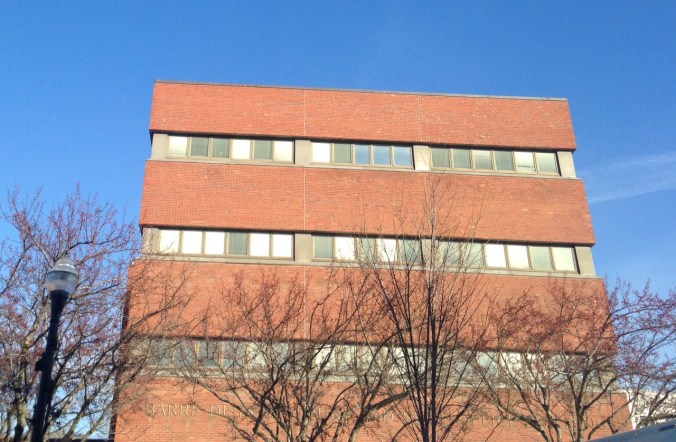
Barre, Vermont