When Traveling Through a Storm….

Here’s one good reason to read:

Captain Bligh, in his ill-fated, famous Mutiny on the Bounty story, sailed from dreary, oatmeal-eating England to Tahiti, lush land of coconuts and little clothing. He naturally headed across the Atlantic to curve around Cape Horn, situated way down at the bottom of South America. But the ship, plagued by fierce winter storms, was unable to navigate that Cape. Instead, after weeks of battling fierce weather and sailing backwards rather than making headway, Captain Bligh ordered a change in course around the Cape of Good Horn (at the southern-most tip of Africa), adding over 10,000 more miles to the Bounty‘s journey.

In the midst of the sleet, snow, and wind that eventually turned him back:

Bligh could note that blue petrels and pintados, “two beautiful kinds of bird,” followed their wake. – Caroline AlexanderThe Bounty

When to turn? When to change direction in a life?

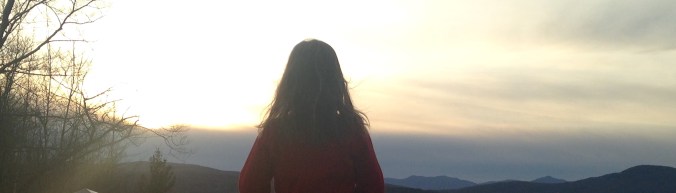
Remember this: in the harshest, most ungodly conditions, note unexpected beauty, following your travels.
FullSizeRender

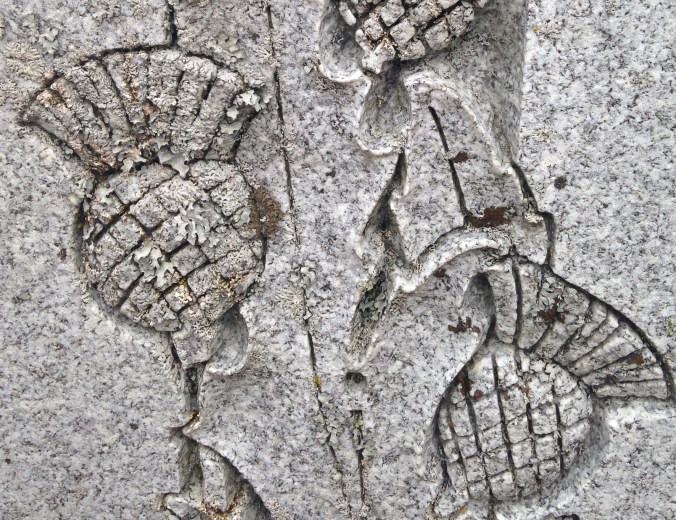
Hope Cemetery/Barre, Vermont

Travels Around the Globe & Through the Centuries

Late into last night and early this morning – two periods of darkness – I read Caroline Alexander’s The Bounty, the travels of Captain William Bligh and his misfortunes. She writes of the exquisite natural beauty of Tahiti, and about the chaos of Western men sailing on their rampage for vengeance, men sailing the seven seas, the seven deadly sins rioting through this story.

This evening, walking with my daughter in the early spring evening, the robins singing, I imagined how divine that virgin land must have been, with its contrasts of color and elevation, its welcoming inhabitants, the plethora of food. As a writer, I can’t help but admire the endless metaphorical possibilities….

Reading about the great strife and literal journeys of others deepens the geography of my own domestic Vermont life, reflecting my black sandy beaches. Greater misery of others doesn’t diminish the suffering of those in my world, but widens the landscape, per se, of what it means to be human.

… under cloudless skies and mild breezes…. the lush, dramatic peaks of Tahiti. Closer in, and the mountain cascades, the graceful palms, and the sparkling volcanic black beaches could be seen beyond thundering breakers and surf. The few ships that had anchored here had all attempted to describe the vision like beauty of the first sight of this island rising into view from the blue Pacific. Bligh had called Tahiti “the Paradise of the World.”

– Caroline Alexander, The Bounty: the True Story of the Mutiny on the Bounty

FullSizeRender.jpg

Woodbury, Vermont