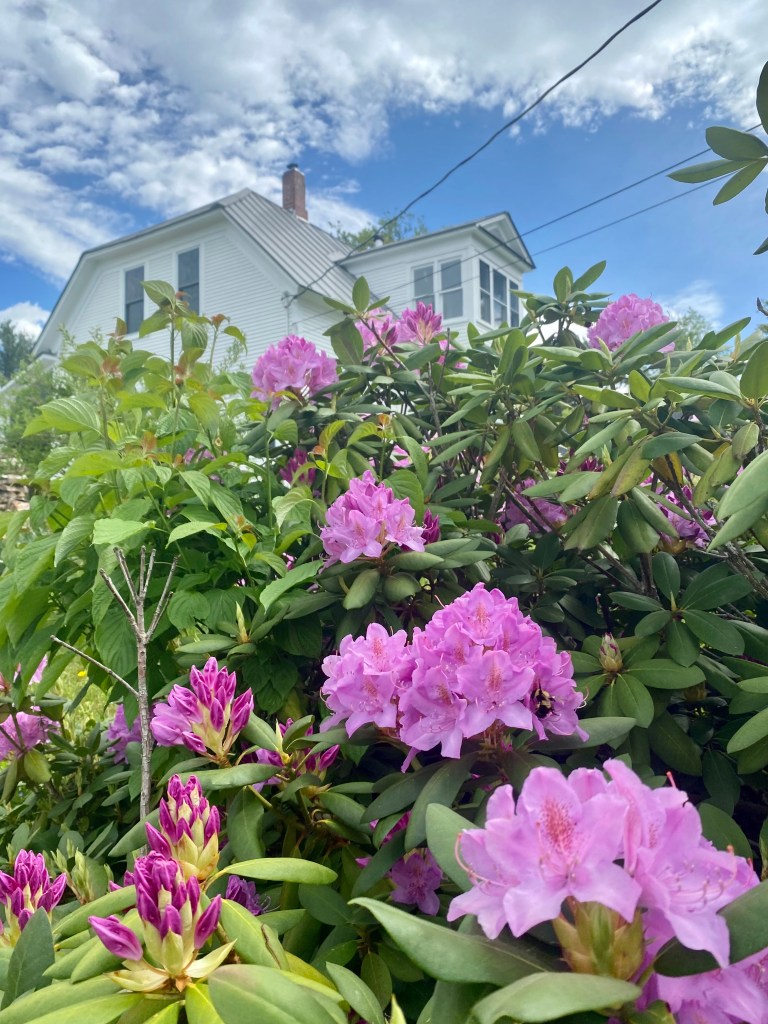
“Everything blooming bows down in the rain…”

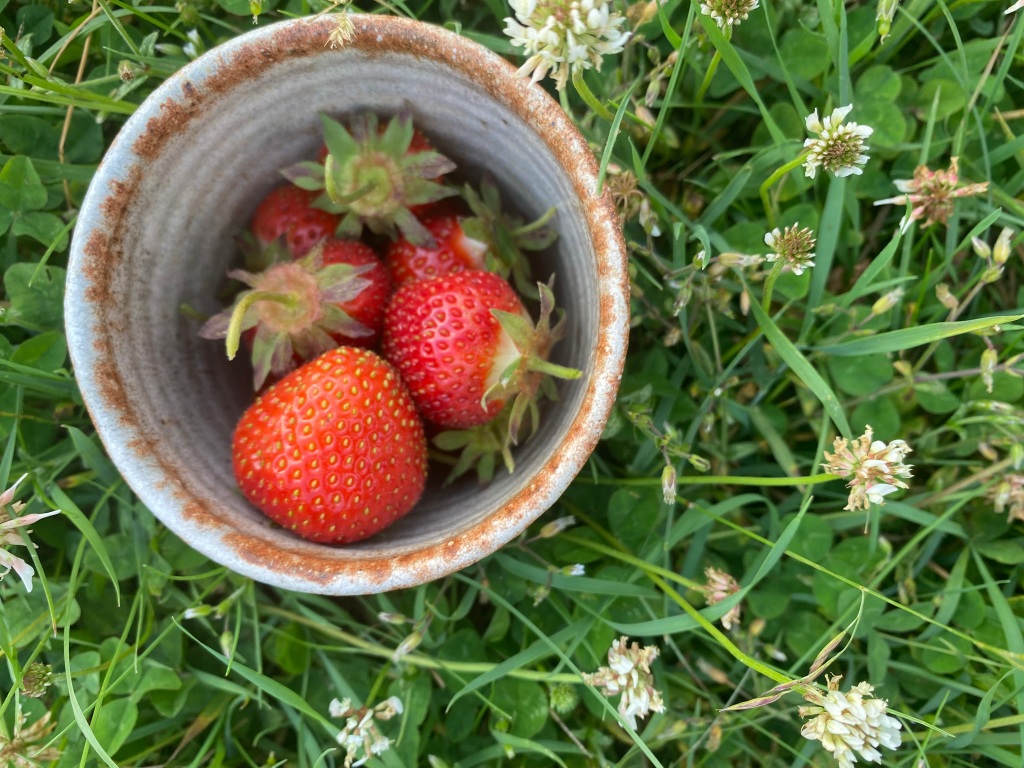
In the sultry dawn, I’m wandering barefoot in the garden, snatching the lingering strawberries before birds have nabbed the remainder. By late afternoon, thunderstorms have settled in. I’ve left a wooden chair on the porch, a throw rug over the railings, both sodden now. Book in my hand, I lean against our house’s dusty and pollen-layer clapboards, reading in the coolness that’s washed in. Our porch looks out over a bed of bleeding hearts, false Solomon’s seal, hostas. Beyond that, the cemetery, the river valley below. Behind our house, the wild presses in. Ferns tall as my shoulders, goldenseal, the groundhogs, thrush, chittering sparrows, the cut of ravine and the great life there.

Equinox; the lushness burgeons. Bring it on. The rain blows through the bedroom screens whose windows we left open all day. The box elder shoves between the porch railings. The grapes rise hungrily against the barn. All night our rooms are filled with moonbeams, the blowing dew, the mixture of milk trucks rattling down the road and the calling frogs.

Everything blooming bows down in the rain:

white irises, red peonies; and the poppies

with their black and secret centers

lie shattered on the lawn.
~Jane Kenyon

Seven years ago…

Seven years ago, my daughters and I moved from a rural hillside down to a village, about five miles away. I’d closed midweek, with plans to rally help for a Sunday move. The evening that I closed, two friends who had followed the jagged path of my divorce loaded up my car and their cars, and we carried in the first load of my family’s belongings.

It was heavenly June, warm without undue heat. I had no furniture. A friend had brought dinner, and we sat on the back deck, eating and talking. I wondered, which way would my story go? Last night, I remembered this first meal here, when a neighbor stopped by with cake and rhubarb sauce: how complicated life is and, sometimes, how very simple.

Now, in this beginning to a lush summer, I water my seedlings in these early mornings, listening to the birds and spring crickets, the drenching dew over my bare toes. The spinach is already wilting. The tithonia drooped dramatically, beginning for extra water. The blueberries have hard knots nestled among their leaves.

So much of life seems impossible — birth a baby, endure a divorce, survive a death, write a book, write another, pack up a house and move (bring the beloved tricycle, too) — and yet we do these things. We all do these things.

Seven years ago, would I have seen myself watering the sprouting green beans and listening to a woman on my neighbors’ porch sing the blues, the sky streaked with turquoise and crimson? I gathered a bowl of strawberries from plants I’ve let run rampart all through my garden beds. Messy, weedy. My youngest was given these plants when she weeded as an odd job in middle school. This year, the plants have given us so much sweetness.

Record temps are moving into Vermont, the world shifting rapidly. Around the globe and in my town, people are on the move. Which way will this story go? For a moment, I gather berries in the dewy morning. So much more day to come. But a steady start, my soles on the damp soil.

Playing cards, considering remains.

In the darkness, I slide the barn door shut. The world is redolent with cut grass, the wet earth where I watered grape vines. Embers flicker in the fire pit; low laughter moves through the night. June, oh loveliest June, endless varieties of leaf and blossom.

On a hike, we meet a stranger from Maine, and we swap stories about climate change and marriage. He sees my brother’s dog has no water, and shares what he’s carried for his dog. The afternoon gleams with storybook colors of emerald, cobalt, gold. We drive to the lake, to the general store, to a brewery where we sit outside. My brother drinks beer. My daughter and I sip lemon sodas from stemmed glasses, so sweetly yellow I imagine my hand cups sunlight.

I have my mother’s ashes in my possession. Our conversation bends back again and again to her ashes and her life, and the very different relationship that each of us had with her. Lacking a religious framework, I’m treading in open water. My mother, in fact, might have been fiercely opposed to the chain of circumstances that landed me keeper of her remains, or not. I am her second daughter, her match in stubbornness.

All day long, this tender beginning to June, we do the things we love to do. We drink coffee and eat buttered toast, play cards. The sunlight crosses over my house. The day is both chilly and hot. The days spin on, rich with the illusion that there is no finality. Mercy, I think, shutting the barn door to keep the raccoons from the recycling. Another day, the nightsongs of frogs serenading.

Unfathomable fortune.

In the late afternoon, I listen to public radio and move firewood from the outside stacks into the barn, where it will dry again all summer until the autumn nights when I gather my kindling and birchbark. On Monday, the wood delivery guy will come again, with a load of green wood to dry all summer in the open air. Lord, I think as I stack, let the sun shine this summer.

When my daughter appears, I pull off my leather gloves, and we sit on the steps, talking about the Trump verdict. A hummingbird darts between us, onyx and ruby. Later, I’m driving north in the narrow Black River valley to hear GennaRose Nethercott read in the gorgeous old East Craftsbury church. In the parking lot, I join a few friends, talking talking about the verdict, another of these moments with a historic tinge. Crows peck in the farm field behind the church freshly harrowed up. The end-of-May evening is rich with a mixture of cow manure and lilac. Vermont loveliness.

19 years ago, my youngest was born. She fit perfectly in my arm, snuggled from my elbow to fingertips. I kept thinking, How is this possible?

A few days after she was born, the season’s first nubs of corn emerged through farm fields. To bring this child into the world, I had been cut and sewn by strangers. Here we were, our tiny family, a few days later, passing these fields on our way home from the hospital, me marveling at the season already passing from spring into summer, this six-pound baby miraculously given to us. 19 years later, when I return home in the dusky evening, we drink tea and eat almonds, talking talking, this great big world crammed full with so many things…. Enough said. For this day, our immense unfathomable luck.

In the edge…

Midafternoon as a storm threatens in, I’m at a stretch of lakeshore where I’ve never swum, and I push in. I’m on the prowl for an eagle, which I never find, and the day has grown muggier than I imagined.

What a month of May this has been. My mother’s death ripples through the amazing forsythia and lilac season, through writing and the steady complexity of work I do for the local Selectboard. At a nearby farm, I buy hothouse basil and tomato starts. A woman I know slightly strikes up a conversation. In the past, our lives ran on weirdly similar tracks, involving divorce, sudden visits from the FBI, the miasma of disorientation. Now, we swap mother stories beneath an enormous lilac. I breathe in the blossoms’ scent.

A few years back, I volunteered in my youngest’s elementary school classroom to assist with a nature program that the kids loved. Naturalist and artist, the teacher kept using the phrase “in the edge.” She pointed out that life thrives at the crossing borders of field and forest, of riverbank, the edges of a homogenous world.

I’m in the edge these days. May’s heat notwithstanding, the water is bitterly cold. I swim out with my lousy swimming skills, my garden’s dirt washing away, the storm clouds hammering together over the glassine water, some of the day yet to come. On the shoreline again, sharp stones gouge my soles.

Garden, fence, lilacs, vultures.

Last spring, a late frost ate the lilacs, death-knelled a young apple tree. Not so, this year. All morning, I work on the back porch, the pollen sifting over my keyboard and laptop screen, the scent of lilacs surrounding our house. May is the brand-new season of pea shoots and asparagus, of peony buds and bleeding hearts.

In the late afternoon, my daughter finds me in garden and salvages the fence from bedstraw and witchgrass. Our garden abuts a town cemetery, fenced by metal and lilacs. On this holiday weekend, the cemetery is busy. As we work, talking, we spy folks wandering through, some tending graves, others gathering handfuls of lilacs or wandering about some other business.

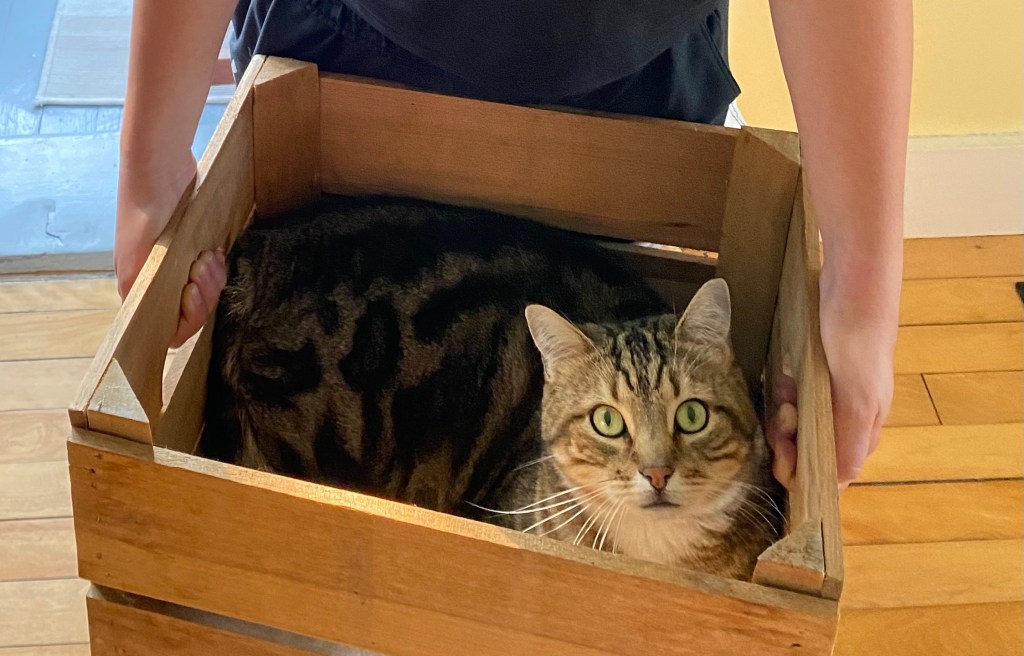
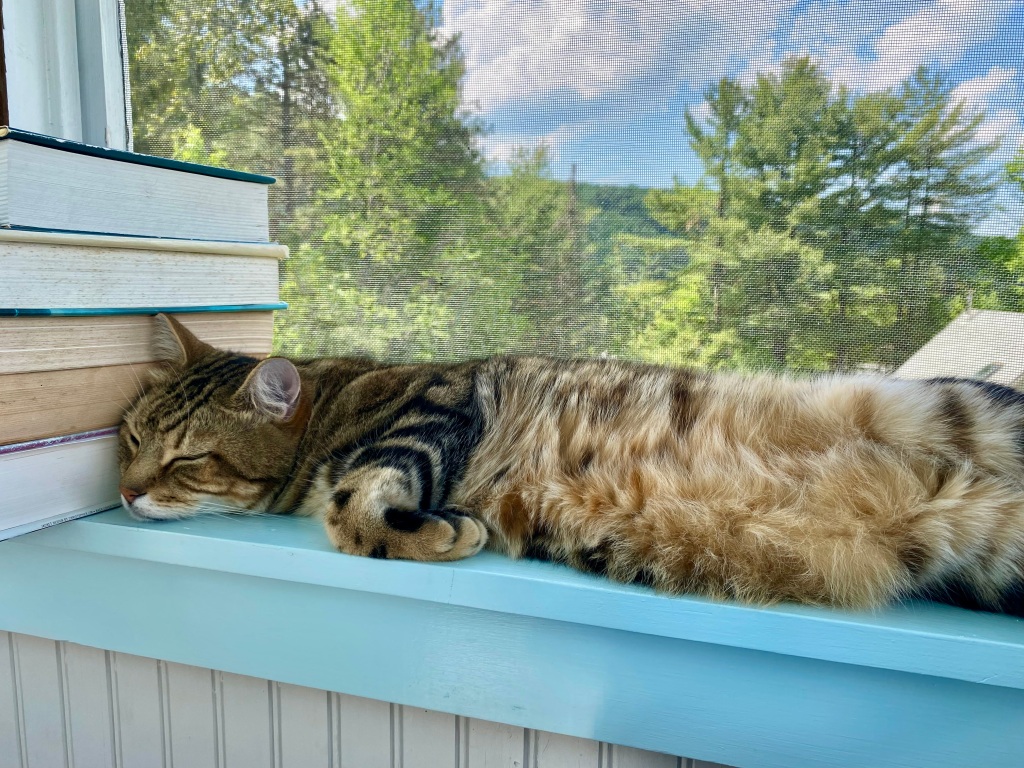
I’m at the early summer gardening place of great good cheer: so much is possible this year. My daughter — a grownup now, but a young grownup — works easily and happily. We’ll share dinner soon, feed our two tabbies, and my daughter will disappear with friends and her swimming suit. I’ll walk into the cemetery and, lured by the scent of lilacs, keep on for a bit. The turkey vultures, maybe a few dozen, will circle low over my head. Then eventually I’ll head down to the village, and the birds and I will part ways.

In these early summer days, I think about my mother all the time. I live in a house that she visited only once. I live a life she did not understand at all. And yet, as I scissor bouquets of lilacs to bring to a friend, as I stand barefoot in my garden deciding to sow sunflowers here, plant basil there, I know these are things my mother loved keenly: the lushness of blossoms, the vim to create a garden.