The Me World V. Context

The May my youngest daughter was born, rain fell every day that month. Day after day of deepening sogginess, the earth drinking up that water. She was born on the very last day of May, and in early June, nibs of corn nosed up through the black, plowed fields.

This May, I wake early, long before light, listening to the robins singing sweetly in the tree outside my window, our little cat pressed near the screen, more interested in birds than breakfast in his bowl.

And so our lives unfold, a summer of plans unfurling slowly, tentatively around us. I live in the state with the highest Covid vaccination rate, but around us swirls this debate about vaccinating, particularly among the young adults. Listening, I think of those young sprouts of corn, how each shoot needs the earth for growth, the rain for water, the sun for nourishment. It’s impossible to grow alone; impossible to live alone.

Against all probability our bulbs have blossomed,

opened their white rooms, given their assent.

I pull myself from your breathing to take a closer look.

It happened overnight.

— Laura Case, “Morning”
Vermont’s Version of Singing Over Balconies

The little boys across our dead-end street invite another little boy to visit. My neighbor and I stand with the visiting mother at the end of our road, talking, my hands dirty from weeding. Although I’ve now lived in this house for four years, and the book I wrote about living here is heading towards fall publication, I’m still happily surprised to live in this tiny neighborhood.

The boys, none of whom are even in grade school, discovered each other. During the pandemic, the boys began calling to each other from their yards. The visiting child lives on my neighbors’ other side, across a fairly busy road. The children called, What are you doing? Could you come play?

The visiting parent shares her story of moving to Vermont last fall, her family life jumbled up and rearranged in the pandemic, too, now jammed in a one-room apartment and struggling with the dearth of housing in Vermont.

The boys rake last fall’s leaves and bury themselves, bursting out of piles, laughing.

Bouquet of flowering violets spread around our house. Little bits of green buds burst at the ends of lilac branches. For this moment, happy children.

May Day

I have my winter tires switched for summers. In the garage, I ask the owner how he is. He leans back in his chair, shrugs, and lifts his hands.

I know, I say, but it’s May. It’s spring.

He shrugs again. Which sums up where we are now.

May reminds us why we live in Vermont. The world turns gorgeously green. My daughters and I walk and walk, discovering trilliums, rushing streams, the tiniest of leaves. In a world where we’re all worn down, spring’s beauty reminds us that the world spins on.

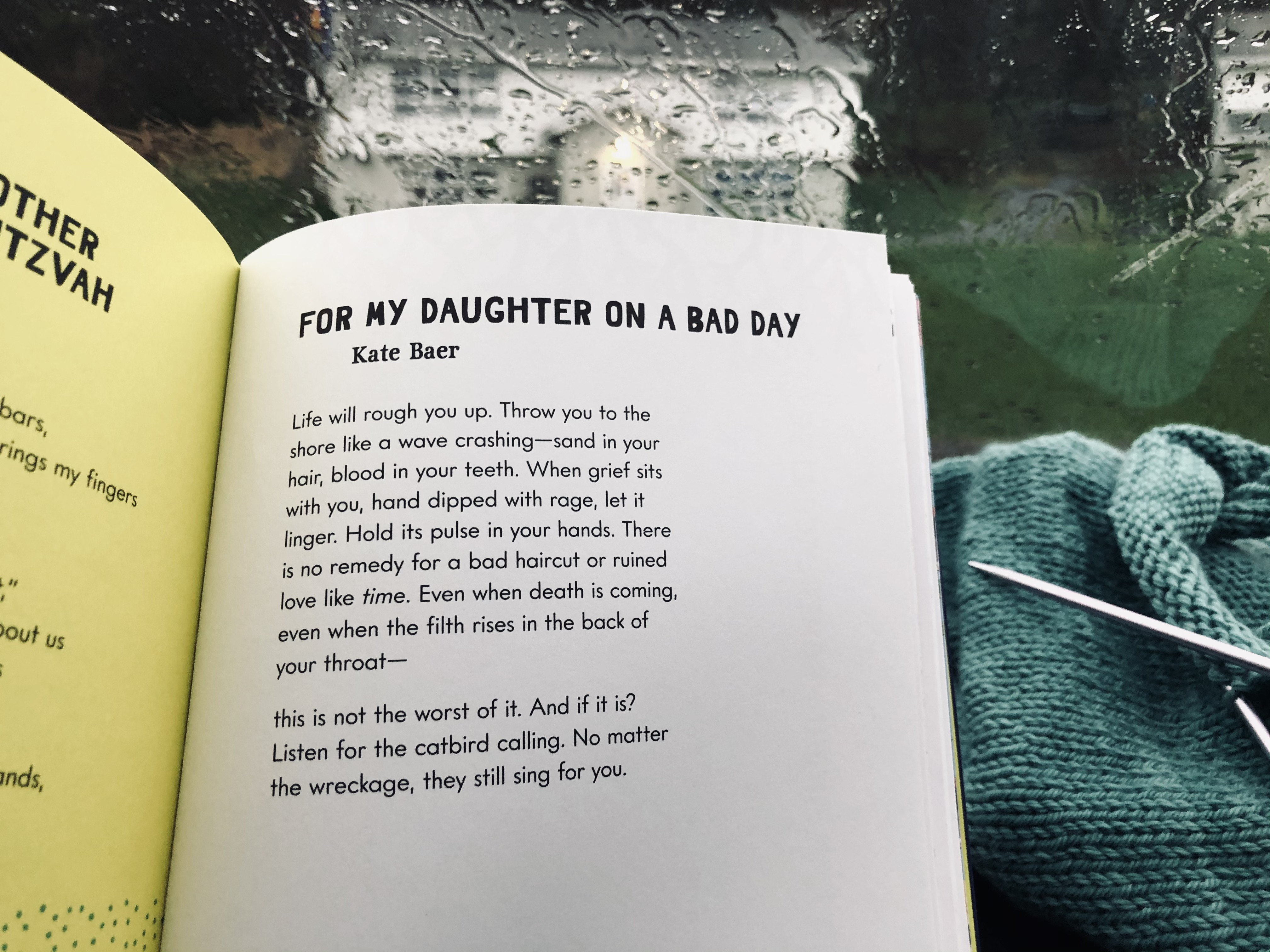
From Diana Whitney’s lovely new anthology, You Don’t Have to be Everything:

I

Wild Friends

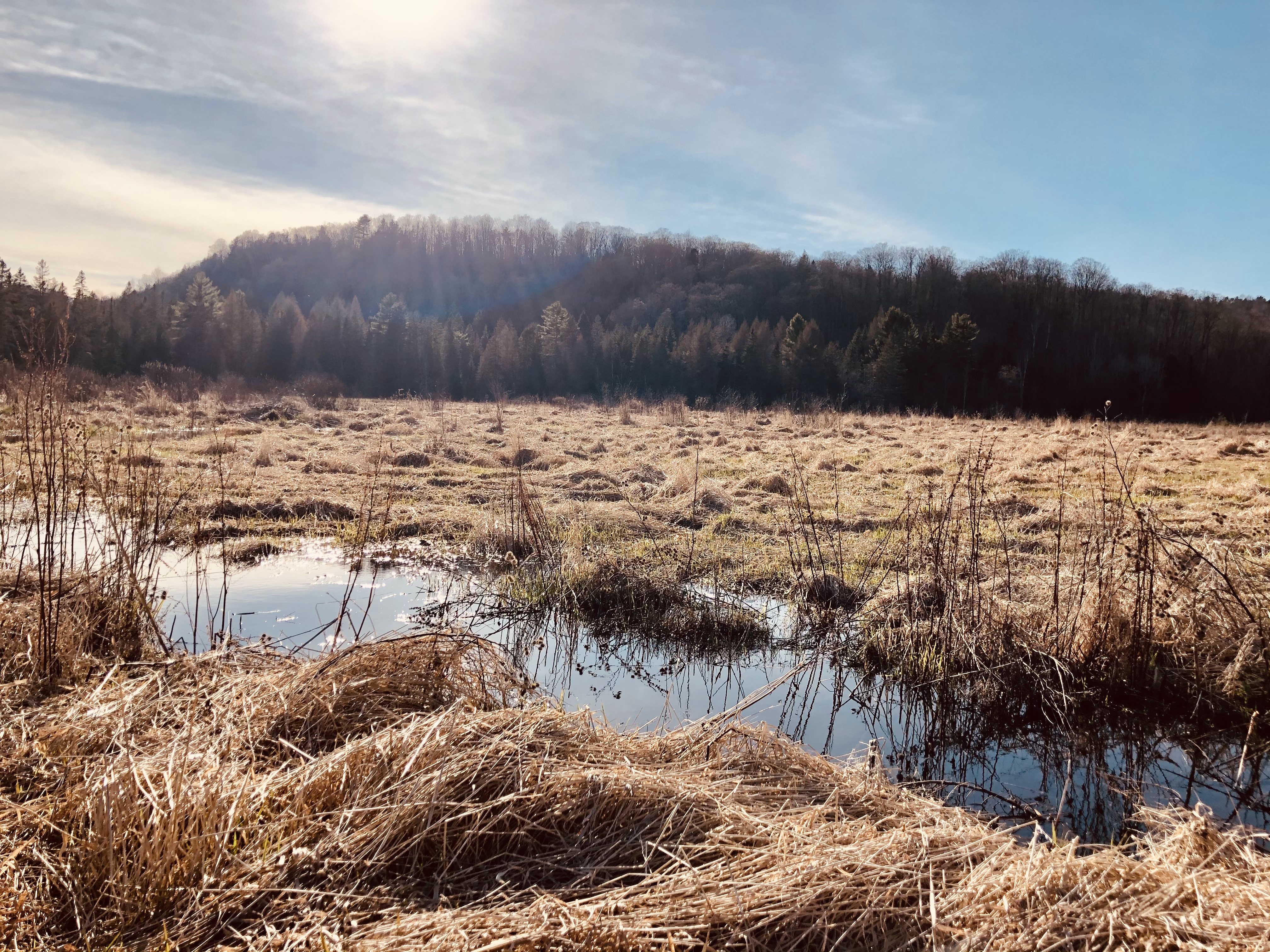
While waiting for my daughter to finish soccer practice, I wandered down the road and discovered three geese gliding through a wetland. I stood at the wetlands’ edge for the longest time, simply watching, as if by observing I can absorb some of their quiet certainty.

Everyday in Vermont, a few more strokes of green, a little more color.

“Empathy is more than putting yourself in someone else’s shoes; it’s using your power to fight for changes that don’t directly benefit you.”

— Tessa Miller, What Doesn’t Kill You: A Life With Chronic Illness — Lessons From a Body in Revolt

House Work

I’m not a subscriber to so-called retail therapy, but I’m not averse to paint brightening up my patch of the world, particularly when I’ve chosen a light blue named Innocence.

My amusement mystifies my kids, and, honestly, myself, too. A better word to describe our life these days would perhaps be Koan. But try putting that on a paint can and marketing it. Who wants a little more koan, please?

Instead, I buy a used bureau from a couple who has seen far better days, or so I hope, and offer it to my daughter. From our basement, I pull out the can of yellow Little Dipper paint I used for our living room. She paints it on our back porch. I lean against the railing, looking at the trash that’s blown over the railing — junk mail, a used mask, a cardboard box I’ve used for kindling.

A sparrow sings in the box elders.

I turn around and watch her paint. What? she asks, looking over her shoulder at me.

Nothing, I lie. I reach for the quilt I washed that morning, hung over the railing, and fold it carefully.

I save my love
for the smell of coffee at The Mill,
the roasted near-burn of it, especially
the remnant that stays later
in the fibers of my coat.

— Marjorie Saiser