Break That Cliche: Writing Lesson from the Kids

My ten-year-old came downstairs the other morning dressed in shorts although it was only 39 degrees. No. I immediately said. But it might warm up, she insisted.

In this afternoon’s rain, the kids have headed down the road to the neighbors’ trampoline because it’s fun in the rain, apparently, even in a cold May rain.

These Vermont kids, like the unfurling leaves in my apple trees, are vigorously unstoppable with their own flowing sap. At ten and eleven, the world is as new to them as this magnificently unfolding spring. Lacking rigid expectations, why not leap in the rain? – Although I did notice the girls had the foresight to pull on extra pairs of socks.


The artist, and particularly the poet, is always an anarchist in the best sense of the word. He must heed only the call that arises within him from three strong voices: the voice of death, with all its foreboding, the voice of love, and the voice of art.

– Federico Garcia Lorca

IMG_1184.JPG

Vermont dusk

Garlic Planting/Rough Draft

I planted the garlic this afternoon, late in the season, a few weeks beyond my more orderly neighbors. Sleet fell this morning when I walked around the property with the logger who delivered firewood. He and his nephew had bought a sugarbush, and we shop talked sugaring. By afternoon, the sleet had wandered off, but the remaining light is meager as November presses in. Working alone, I remembered how long it took to plant garlic with my one-year-old. She dropped each clove into the hole I dug, even then diligent, careful to set ragged roots down.

Despite the bleakness settling in, garlic is hands-down my favorite crop to plant. My cloves this year, from last year’s harvest, are some of the fattest and savoriest I’ve ever grown. Deep in this rich black earth they’ll hibernate all winter, covered with compost and a matted quilt of dry maple leaves. Next spring, the question goes around, How’s your garlic looking?

The garlic is like the second novel I’m writing, where the seeds of the rough draft have been silently sleeping, and now this book is rising and stretching. Grow, I think, in what way will you grow? I’ve carefully sown and fertilized these seeds, and now is the time to dig in with my hands and scrape off that matted mulch and let the green begin to rise and see where it might grow.

 Our bodies are garbage heaps: we collect experience, and from the decomposition of the thrown-out eggshells, spinach leaves, coffee grinds, and old steak bones out of our minds, come nitrogen, heat, and very fertile soil. Out of this fertile soil bloom our poems and stories. But this does not come all at once. It takes time. Continue to turn over and over the organic details of your life until some of them fall through the garbage of discursive thoughts to the solid ground of black soil.

–– Natalie Goldberg

IMG_0118

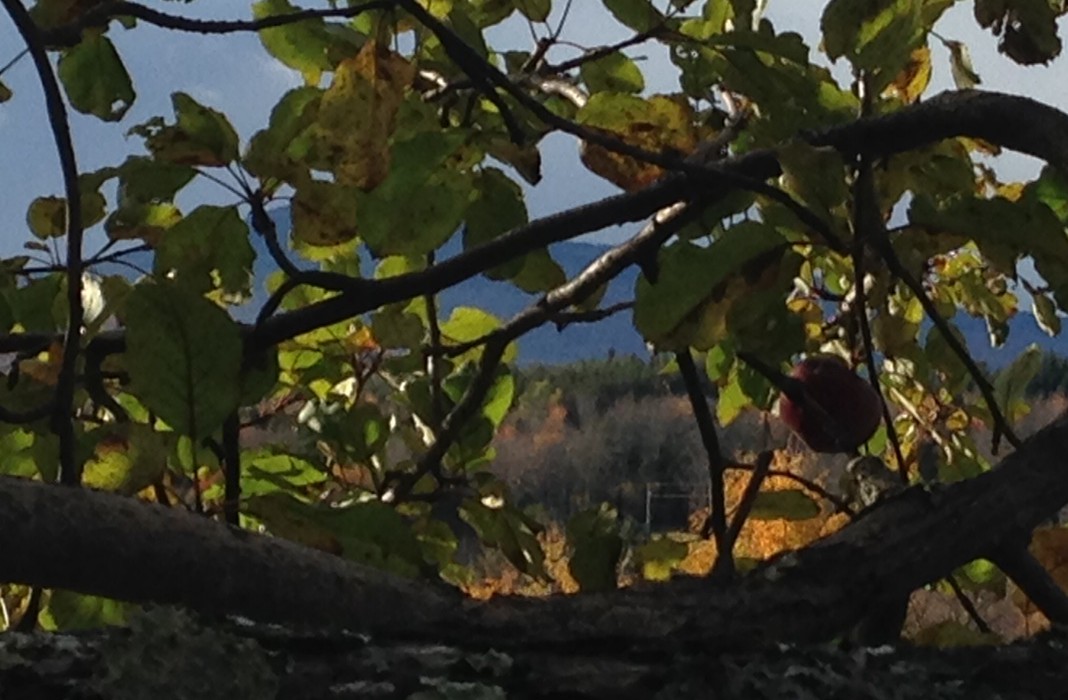
Apple Tree & Elmore Mountain, West Woodbury, Vermont

Listening and Writing

With my children gone for a few days, I vacuumed the considerable debris from the living room floor and then took my ream of a manuscript and laid it on the wood floor, in piles of chapters and scenes. I walked around, bent down, lifted a page, then sat on the floor and read. I was immersed in the territory of a novel-in-draft-writing. I wasn’t looking for a good sentence, a decent paragraph, a chapter with potential. Instead, I aimed to listen, to look down deep, and figure out what may lie at the dead-center of this book.

My laptop was shut; the clock turned to the wall. I determined not to answer the phone unless my girls called. I had a good three-inch stack of a draft, much likely to be discarded along the way, mere steps to get to the end.  To listen and read so hard, to come at this work without prejudice or prejudgement is difficult at best. At last, I began to scribble, notes for characters, a possible plot-line arc, and then, at the end, I wrote one true word: hunger. The book is about hunger.

That was most of Sunday. I painted a few kitchen windows and weeded the garden.

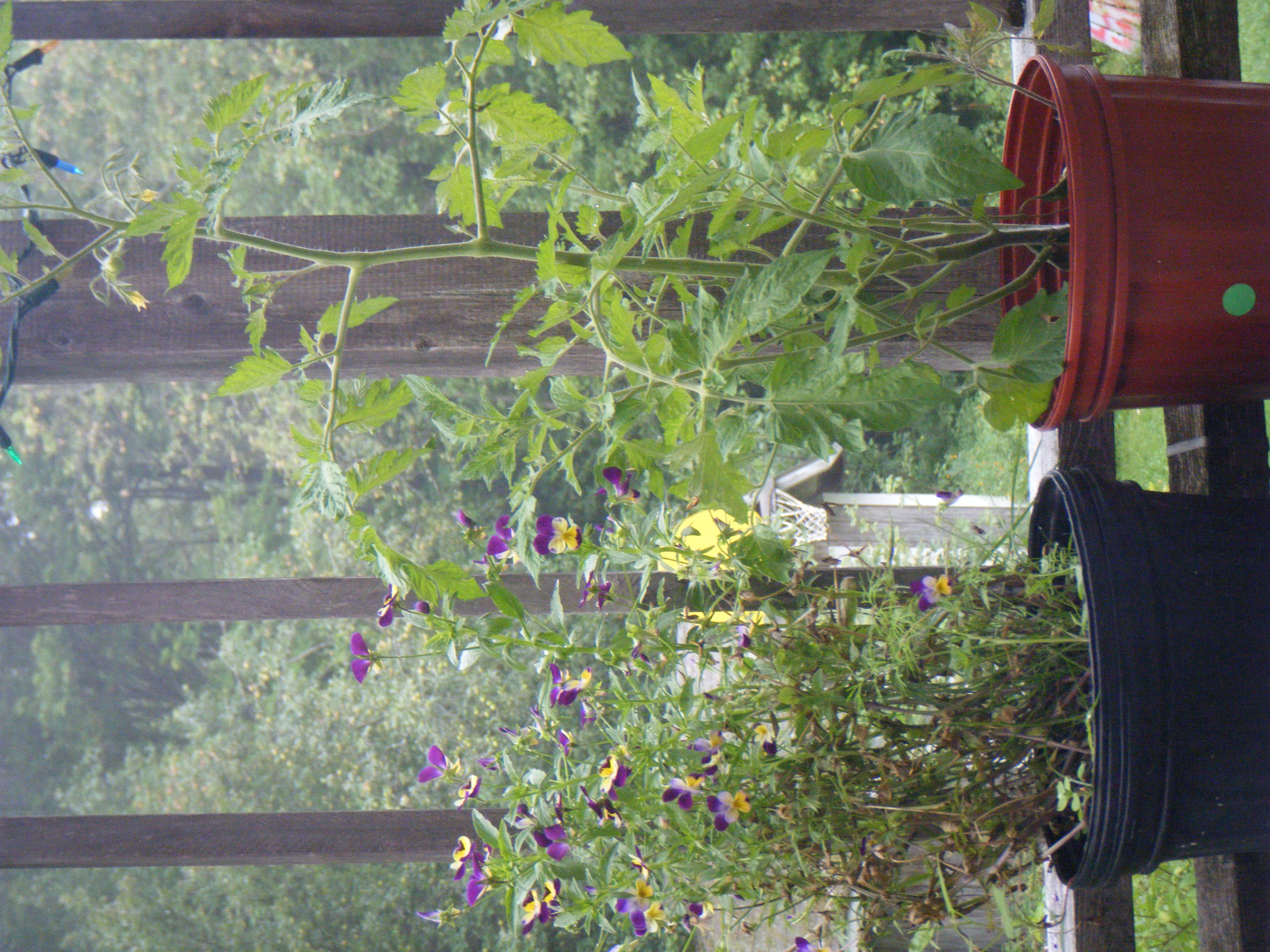
In the early evening, my girls called. I left my basket half-filled with tomatoes, and leaned against the garden post, listening for the heart of their stories.

We are afraid of writing, even those of us who love it. And there are parts of it we hate. The necessary mess, the loss of control, its ability to betray us… how to feel at ease with all this? How just to let one’s work be?… The answers you want can come only from the work itself. It drives the spooks away.

–– Bonnie Friedman, Writing Past Dark

DSCF0007 1

Wild Apple Tree

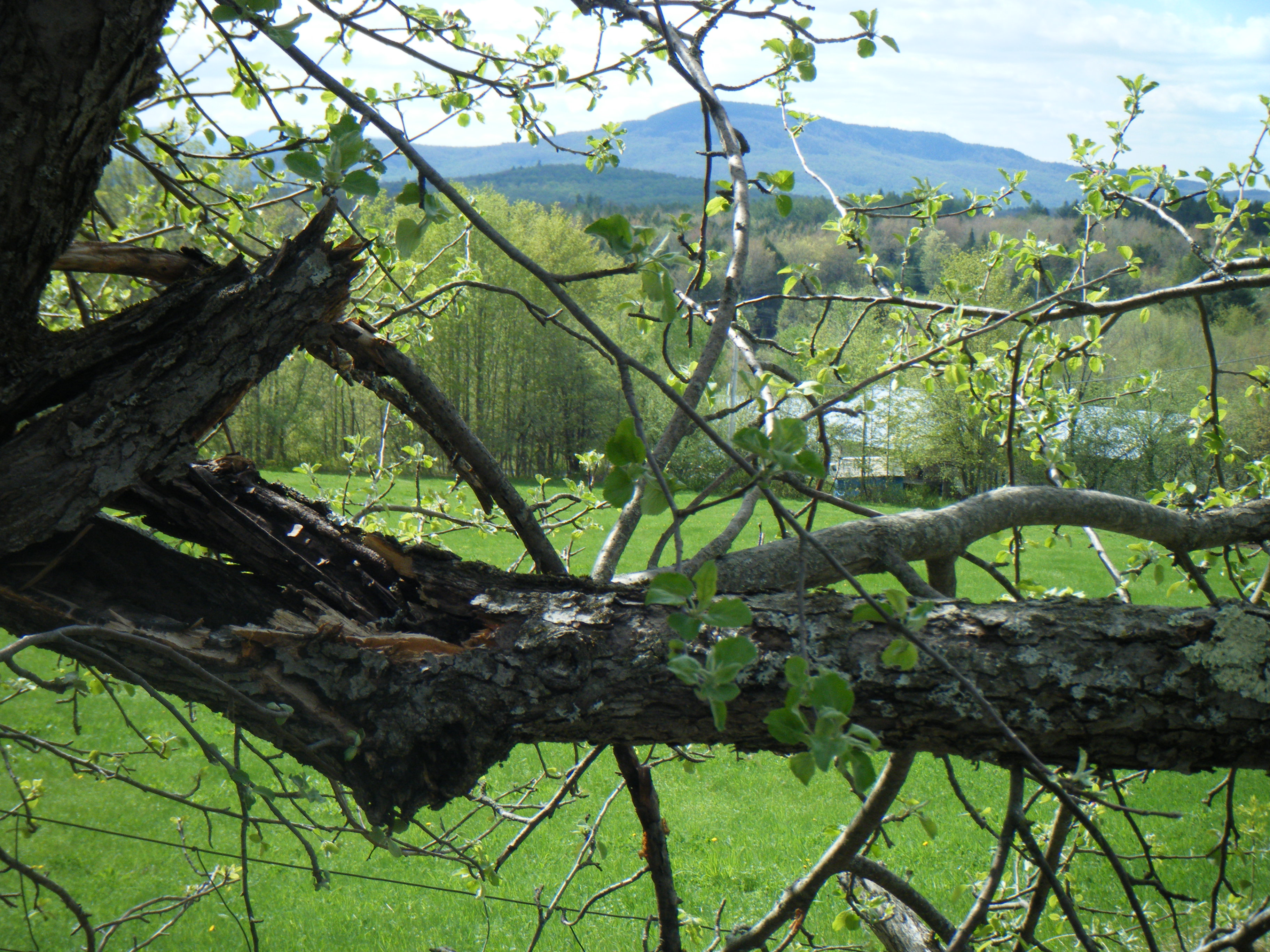
DSCF9820This apple tree lives along our road.  I pass it every day, along with the Vermont plethora of maples and ash and poplars, many more wild apple trees, blackberry brambles.  All winter long, this tree has been dormant, sleeping its hard and quiet sleep.  Then today, mid-May, I discover effusive green from a broken branch of all places.  Apple wood is dense, a good solid fuel for wood stoves (as Annie Proulx wrote), but the leaves are as tender as a child’s skin, and the delicate blossoms are not far behind.

Working on my second novel today, I thought of this apple branch, as I labored through a complex scene.  Then I thought:  Do something different.  Have a character do something I would never expect, or fly a bird through an open window and knock over a drinking glass.  Mix it up.  Sprout a whole leaf ensemble from a broken branch.  Use up all that sap.

Jane Kenyon’s poem February:  Thinking of Flowers has this lovely line.  “A single green sprouting thing would restore me….”  And here I am in May, in Vermont, in opulent beauty, and the black flies aren’t yet biting.