This.

A few years ago, when I desperate to sell my house and move away from my former husband, a woman in the state tax department shifted a line on a map. The property was enrolled in a tax-relief program for agricultural land, and I couldn’t sell the house without a paying a substantial fine for withdrawing the land.

She made a minor change on a map — something that might have seemed very small — but made all the difference in the world to me and my daughters. I never met her, but I called and thanked her.

On this terrible anniversary of George Floyd’s murder, if little else, after such a terrible year and more, in myriad ways we’ve seen that our actions affect others. We’re wound together. This can have terrible consequences, but it also holds a mighty power, too. The map can be changed.

There is no better than adversity. Every defeat, every heartbreak, every loss, contains its own seed, its own lesson on how to improve your performance next time.

— Malcolm X

Small Growth

Seed by seedling, I plant the garden, using my shovel and trowel, my two well-loved tools. The songbirds and the flickering pollinators keep me company in the garden.

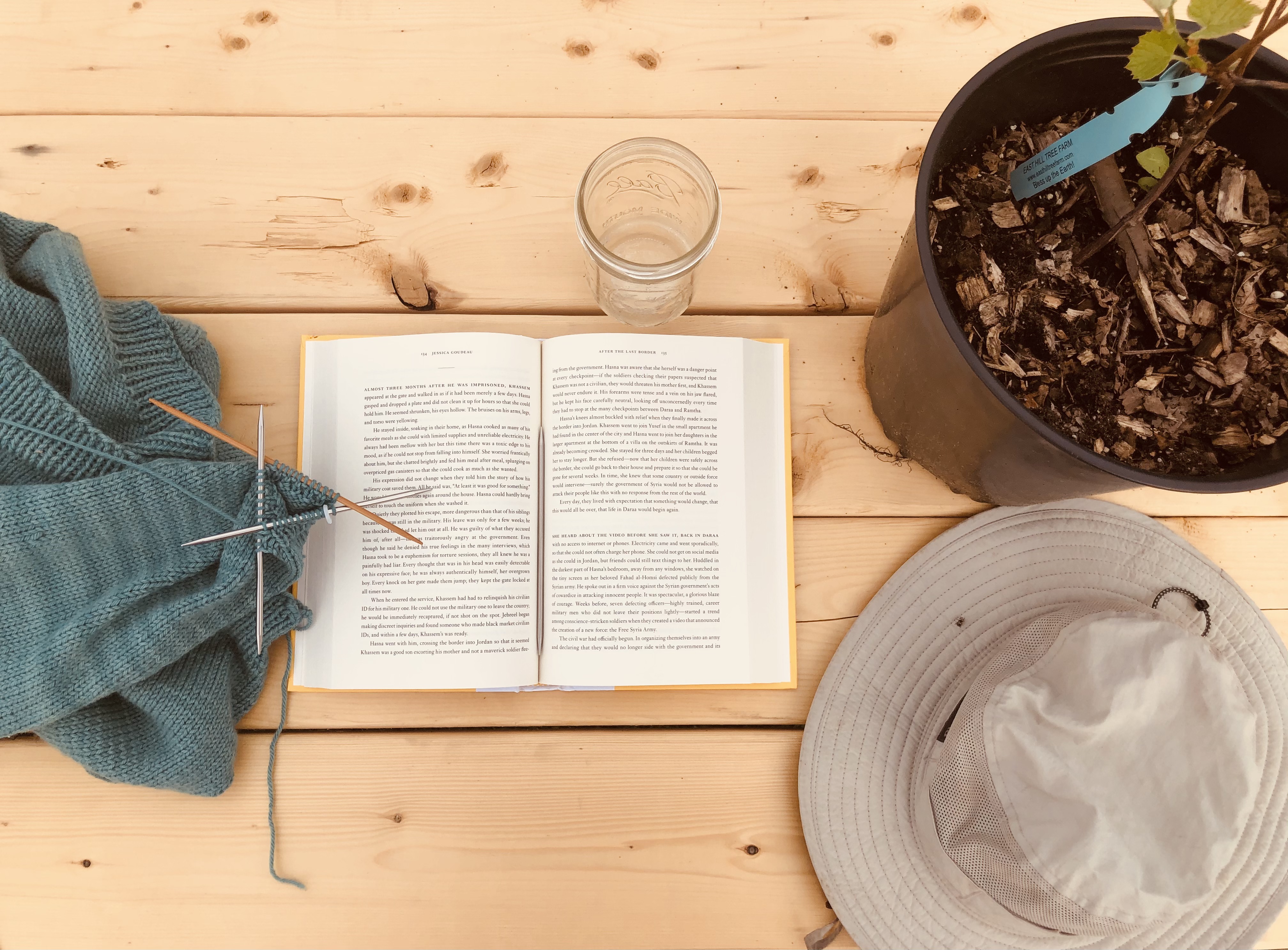
In breaks, I read Jessica Goudeau’s After the Last Border: Two Families and the Story of Refuge in America. This well-written book tells the story of two women, and their families, in places faraway from Vermont.

Meanwhile, in Vermont’s sweet spring, the state rushes along to vaccinate its population, taking vaccination buses on the road, meeting people at beaches and schools, offering free ice cream cones.

In the hardware store, I buy sunflower seeds. Standing outside, I chat with an acquaintance who removes her mask and tells me, You know, if you’re vaxxed, you really don’t need these anymore.

She looks at her mask and then puts it back on again. I feel naked, she says.

It’s 80 degrees. I take mine off and head home to plant those flowers.

But the greatest danger Obama identified was a ‘test of our common humanity — whether we give in to suspicion and fear and build walls, or whether we see ourselves in one another.’

— Jessica Goudeau

Sweetness

Rain.

This May has been exceptionally beautiful, with a profusion of blossoms and warmth. Living in a village now, we reap the benefits of lingering outdoors in the evenings, with no black flies gnawing our bare skin.

In this vaccinated world, a headiness rears, too. My daughters are suddenly gone, this way and that, one grown up, the other nearly so.

In the evening, I sit on the covered back porch, breathing in the scents of lilacs and rain.

The drama of spring unfolds around all of us, blessedly so, this year.

In the Garden…

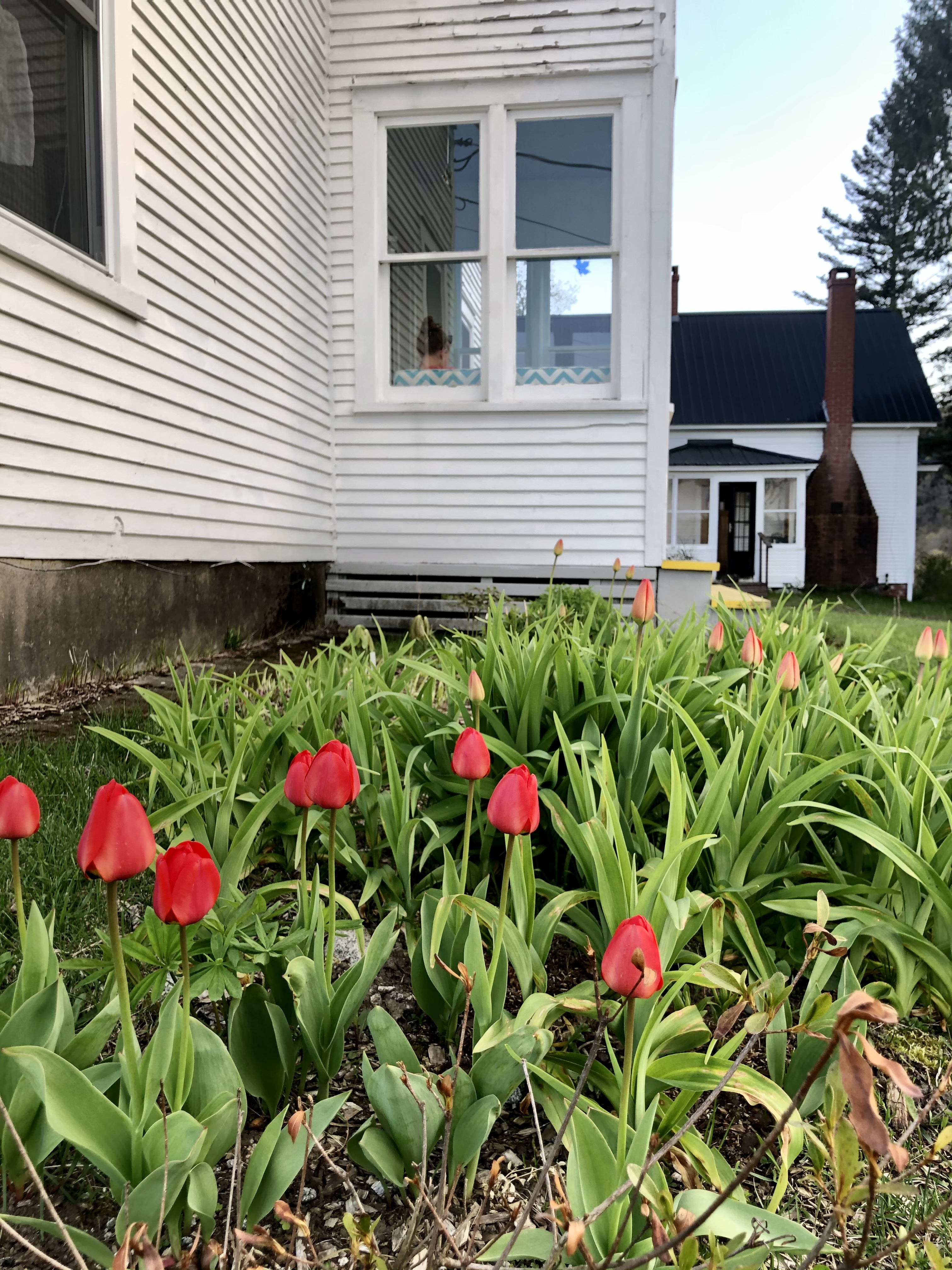
Walking early this morning in the garden, the dew chilly over my bare feet, the thrush sings. The lilacs are opening, blossom by blossom, the deepest violet still closed tightly, not yet ready to reveal.

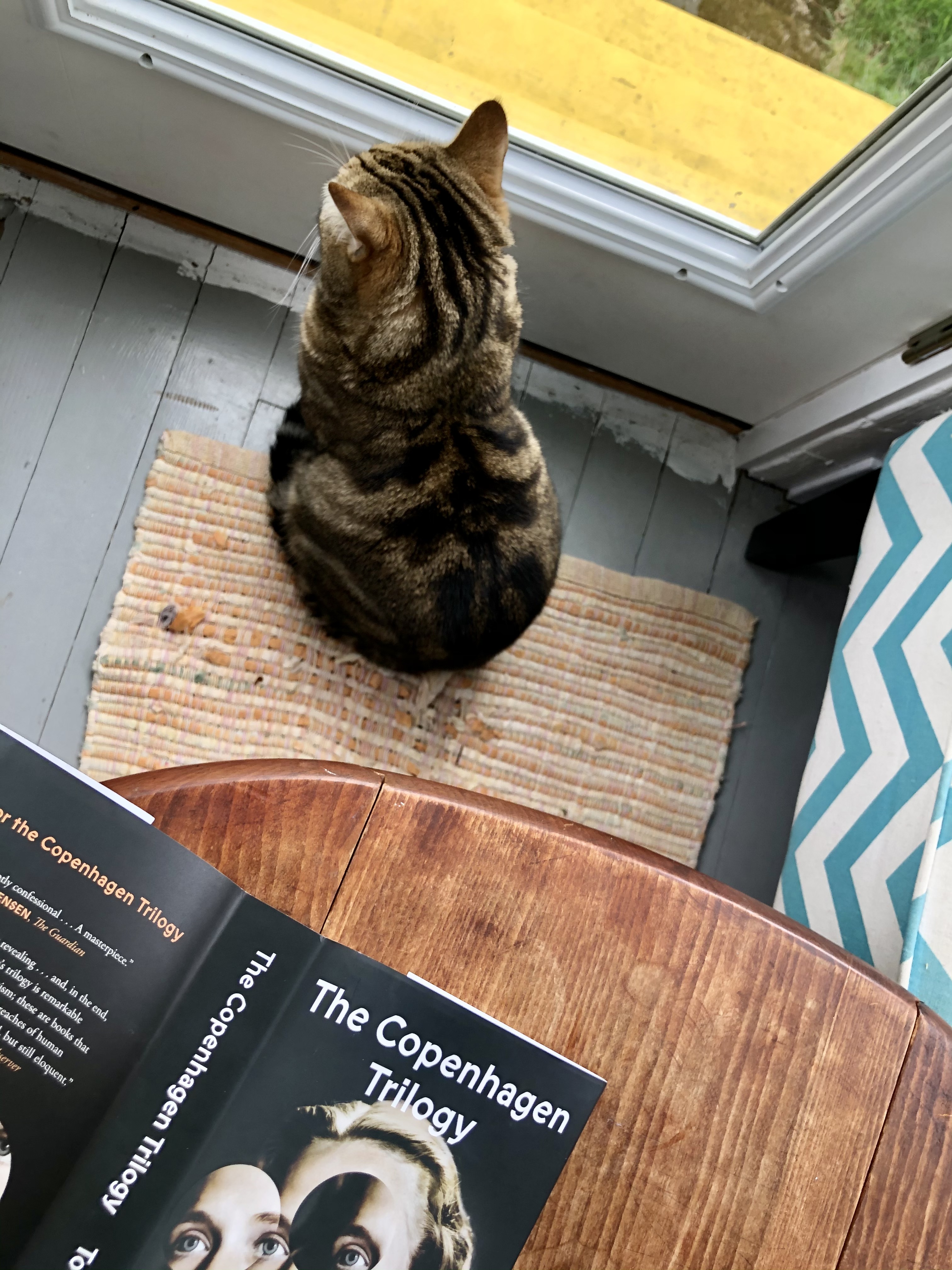
This is good news I remind myself. I look back at my house where our cat sits in my daughter’s bedroom window. She’s sleeping yet, a whole day of sunlight and apple blossoms yet to come.

May. Spring in Vermont. The air this morning is sweet.

A Few Words

My daughter drives through a thunderstorm while, in the passenger seat, I try to conjure all the terrible things she might drive through — sleet and squalls — as if my imagination can create a charm against bad luck for her.

It’s idiotic, I know, but I keep talking until she tells me I’m wasting my words. You keep using up words, she tells me, and you only have so many words to use.

I start laughing. Since when, I ask, is there a limit on words? Hello? As a writer, I believe words are limitless.

No, she says. You only have so many.

And then what? I ask.

Then, you die.

As she drives northward, the rain lessens, and eventually the pavement is dry. We wind through the loveliest landscape of apple trees bent under white blossoms, as if we’ve entered into a watercolorist’s landscape.

I had no idea, I say.

Well, she says, her eyes merry. Now you do.

Unfolding, Opening Up

Midday Friday, I’m driving and listening to the Governor’s Friday press conference. For maybe 14 months now, the Governor and his cabinet have answered questions from the press all over Vermont every Tuesday and Friday — with no time limit.

I’m listening so intently, I make a wrong turn, back around, and drive on a dirt road along a river, looking for a bridge and the chance to cross. It’s May, and the roadside are strewn with brilliantly gold marsh marigolds.

I cross, then pull over and clamber down a steep embankment to the river. I’m late, already, to where I’m headed, but this May midday is so green and warm, so filled with sunlight and the promise of spring, that I feel out-of-time, as if this moment might linger forever.

I crouch near the current, broken in place by rocks that have been worn down by the ages of water and ice. I remember, so long ago, in March 2020, listening to one of the Governor’s first press conferences about the pandemic, standing in my living room with my youngest. She was delighted to be out of school for a bit; I kept wondering, what is happening?

Now, so many months later, I’ve heard hours of: look at the facts, admit what you don’t know, be decent to others, and act as a member of a society. As a writer, I interpret this as context matters. We live in the context.

We’re somewhere in May now, the ice cream cone season in Vermont. Eventually, I take off my sandals and walk barefoot up that riverbank, the day drenched in beauty.

The cool breeze.

With all his strength

The cricket.

— Issa