Real v. Unreal, Doorway in Seasons.

Evening, I visit with a friend on her porch. I’ve forced myself from the couch, leaving behind a Carl Hoffman book. My friend talk about little things—knitting mittens, a curry recipe—and the submerged currents that drive our lives—poetry and sex and a vision to transform my side yard into perennials. The daylight dwindles. Today, foliage colors hum at their radiant best, and I say goodbye, gather my hat, and head out on a walk into the twilight. That afternoon, I’d stopped along the Rail Trail to run. A man had parked a long RV in the otherwise empty lot, watercolors and an easel propped on the granite block wall. When I returned, gasping and sweaty, we talked for a bit. I just want to be here, he says, outside. Which mirrors my own sentiment.

There’s no one else out this night, but two boys on bicycles, racing and shouting, crossing the nearly empty road.

Twice, today, I’ve had that otherworldly sense of déjà-vu. While listening to this stranger with his watercoloring and my friend with her library book in her lap, I’m also in a consultation room and the oncologist tells me the lymphoma has returned. I understand the seriousness in his voice; we’ve laughed about many other things, but there’s no laughing now. In this strange state, I leap up and stand in the doorway, one foot in the room, one in the halfway. Real, or not?

For years, I’ve endeavored to hone my discipline, to keep writing, keep working, read, walk, pay attention, listen to the story around you, for goodness sake, but the physical pain of cancer forced me to be here now, in ways I didn’t want. Nonetheless. And that’s one enormous nonetheless.

I loop around the village and return up my short steep road in the darkness. I’ve been on that threshold for years, half in, half out, always running for the woods and the trails along the river, the mountain path, gathering little scraps of conversations and friendships into my pockets, never trusting their radiance, like this foliage, won’t fade. Cancer, of course, as disease will, rendered running impossible. Across that lawn where I intend to sow a wider garden, a fox streaks, shadowy in the night. For a few moments, I stand in the surprisingly warm end-of-September night, breathing in the fragrance of fallen apples, juice sweetening the earth.

And that Hoffman book about the Asmat? The shifting realm of what’s real and what’s not? Unlearn the questions.

“But the world is in motion, we are but small pieces, and control is an illusion. We make our own luck, our own destiny, but only to a point, and we never know what could happen at any moment…”
― Carl Hoffman
Little and Great Things.

September 1, and the sudden gush of changing seasons, which is never simply a matter of weather and light, but habit and soul. After a summer of book tour and work, of road trips and hikes, swimming, of reconciliation and division, too, seed sowing and blackberry gathering, of the sweet satisfaction of a family marriage, now early autumn nibbles in these early mornings. All summer, I struggled writing, but the vision forward for this manuscript abruptly opens. I lean hungrily into the work.

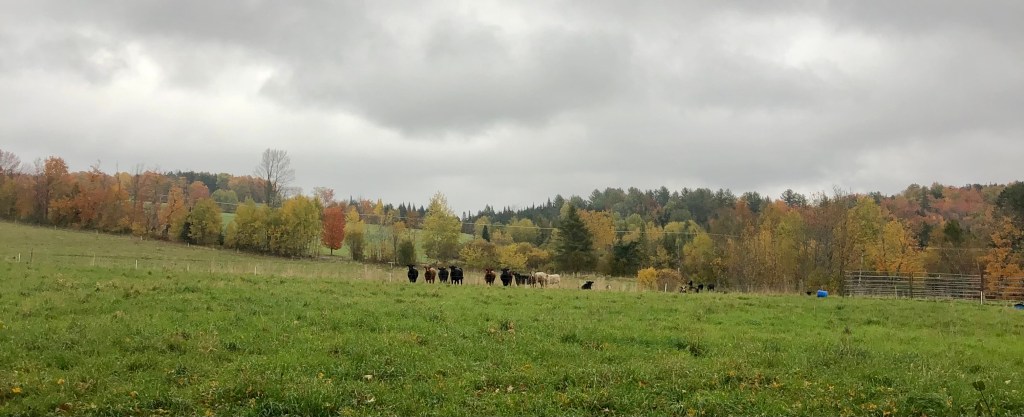
On a recent evening, we visit an open studio evening, a dirt road site of a long-ago hill farm with a queenly view of the valley, a righteous post-and-beam structure with a stunningly opulent garden. The art ranges from sculpture to two charcoal drawings commissioned by Bob Dylan where I linger; the studio and gardens comprise a whole. Slowly, the rooms fill with people I’ve known for years and strangers, too, all curious. How much my mother, long passed from the earth, would have loved this evening. How implicitly she would have understood the present of art, its underpinning in the past. She would have noticed the old millstone now relegated beneath a young apple tree.

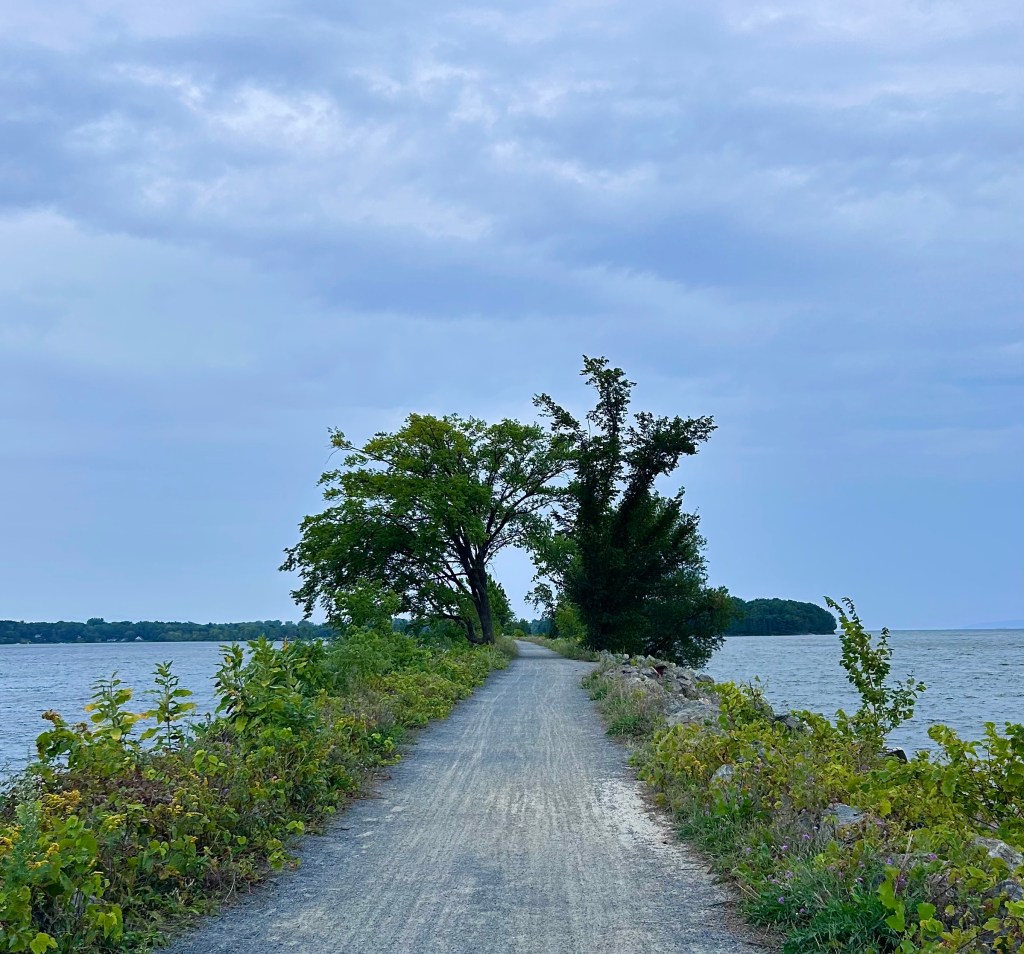
We drive home around the lake, then down the hills into Hardwick village, the sunset crimson and gold along the darkening horizon. Always, we’re plunging forward, into the night and sleep, into the morning. The next day’s noon, I walk with my daughter along a causeway far into Lake Champlain, balmy wind on our faces, small spits of rain in our hair. The good luck omen of white egrets.

All these are great and little things. The profound pleasure of pouring boiling water into a French press in my rosy dawn kitchen. Soon enough, the monotone of snow and ash and road sand, the immense might of winter, will settle here. For now, the bittersweet profusion of late summer—sunflowers and goldenrod, basil and tomatoes.

As it’s September 1, here’s W. H. Auden…

There is no such thing as the State
And no one exists alone;
Hunger allows no choice
To the citizen or the police;
We must love one another or die.

Mid-October.

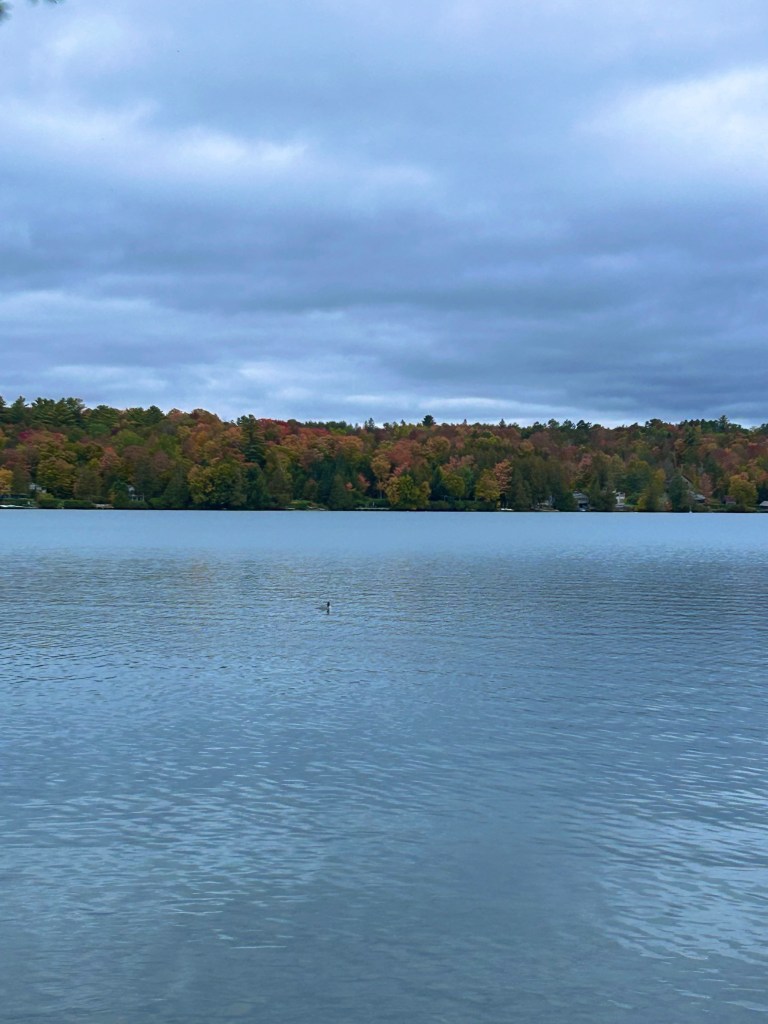
In the night, a wild wind throws rain through my bedroom window. It’s before midnight. At twilight, the maples shimmered with a rosy-golden light, but our world has shifted. The wind’s tempestuous, shaking the storm against my house, driving away that autumn dreaminess.

The cats and I are awake. I lie on the couch, reading Ducks. Our little world has seen a proliferation of cats recently — a gray one the neighbors’ boys named Follower, a glossy black, a white-and-brown tabby, a tortoiseshell. The light on the back porch kicks on when the cats, one by one, appear, sodden, and then race off again. A raccoon sniffs my sandals I’ve left out beneath the overhang. My two cats stare through the window, mesmerized.

All night long, all day long, leaves fall. The butternut tree I planted a five years ago is skinny trunk and branch. Magnificently golden, the neighbors’ maples shed their leaves into a giant carpet. Their little boys rake and burrow. As their top branches reveal their starkness, the height of these trees soars above our houses.

October, and midday the light is tinged with sootiness as the sun bends away from my place on the earth. Whether it’s the pandemic or where I am in life, the old patterns I knew for years have splintered, fractured. To my list I write long before dawn, I add: cover the garden with leaves.

The water wheel spins
holding up the milky way,
and then spills it out.

– Kawasaki Tenkō

Summer, Age 14

14 years ago yesterday, I sat in my friend’s kitchen nursing my newborn while she labored to bring into the world her daughter. Her mother-in-law served me a bowl of chicken soup from an enormous pot she had cooked.

Returning from a walk yesterday evening, I spy my daughter reading on front porch with her cats. Those days with an infant I hardly had a sense of evening from afternoon, in that churning wheel of nursing and diapers and tending.

Time passing threads all through my writing — how can it not? — and yet, sometimes I find myself staring through a window, thinking, here we are, right at this very moment.

The strongest of all warriors are these two — Time and Patience.

― Leo Tolstoy, War and Peace

IMG_5788.jpg

Lying on the Grass…

After a less-than-harmonious game of croquet, I lie back on the grass. Overhead, a rainbow. All this day, toiling away at things that may or may not matter…. and in this pause, a rainbow? Makes me wonder what else I missed.

Such a moon—
the thief
pauses to sing.

— Buson

IMG_5479.jpg

Sticks and Girl

My daughter picks at dirt on the cuff on her jeans, troubled by this, which interests me. She’s a remarkably easy and even-tempered girl, and I sometimes wonder at her own and distinctive understanding of the world’s order.

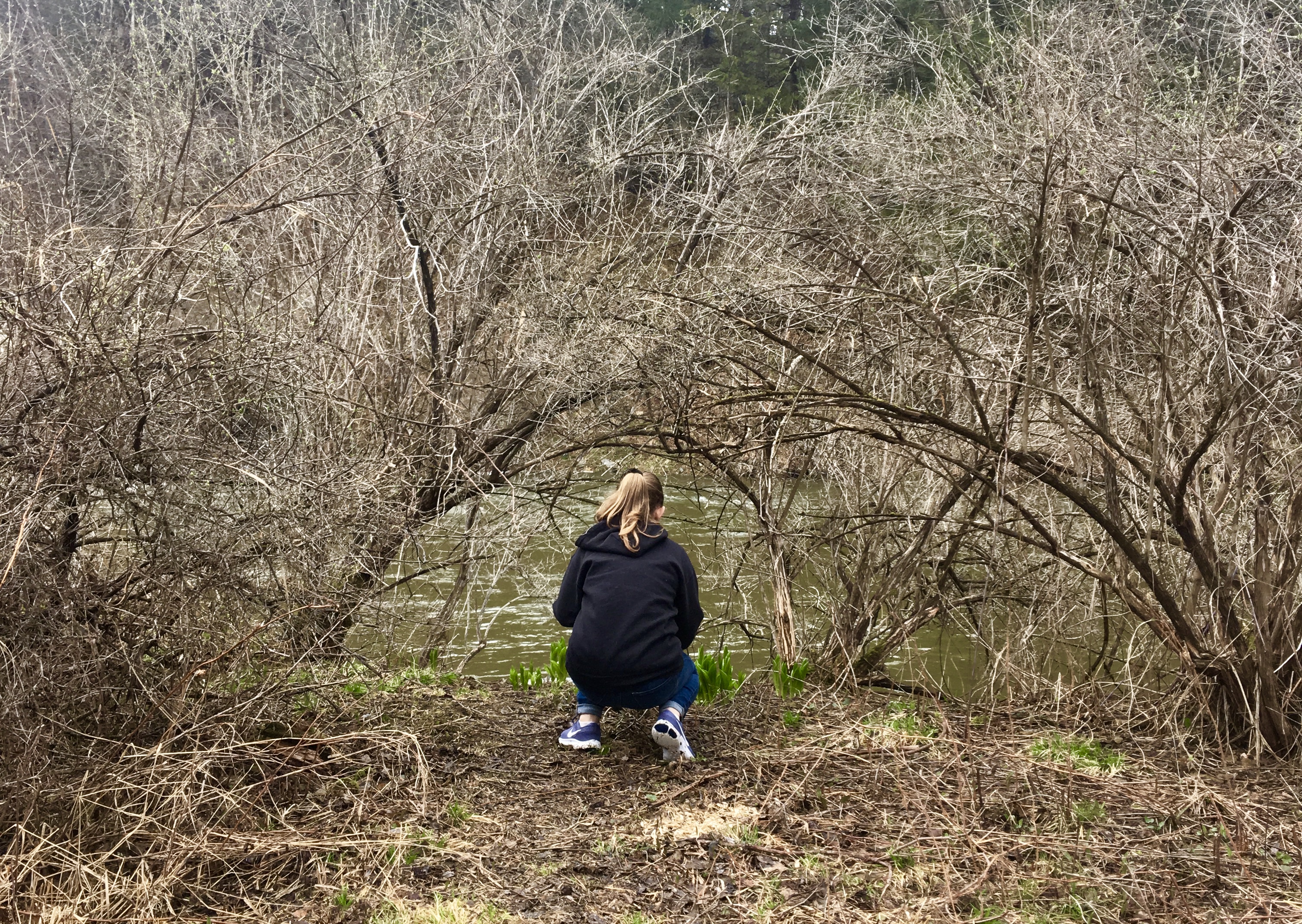
In my bare root order, I have a handful of what seem to be sticks with filigreed root balls. Walking behind our garden in the damp April evening, she asks me if I’ll still live here when these sticks become trees.

I’m planting for the property, I answer. That answer suffices for her. She stands with me, as we envision stick widening into trunk, twig fattening into branch.

IMG_1022.jpg