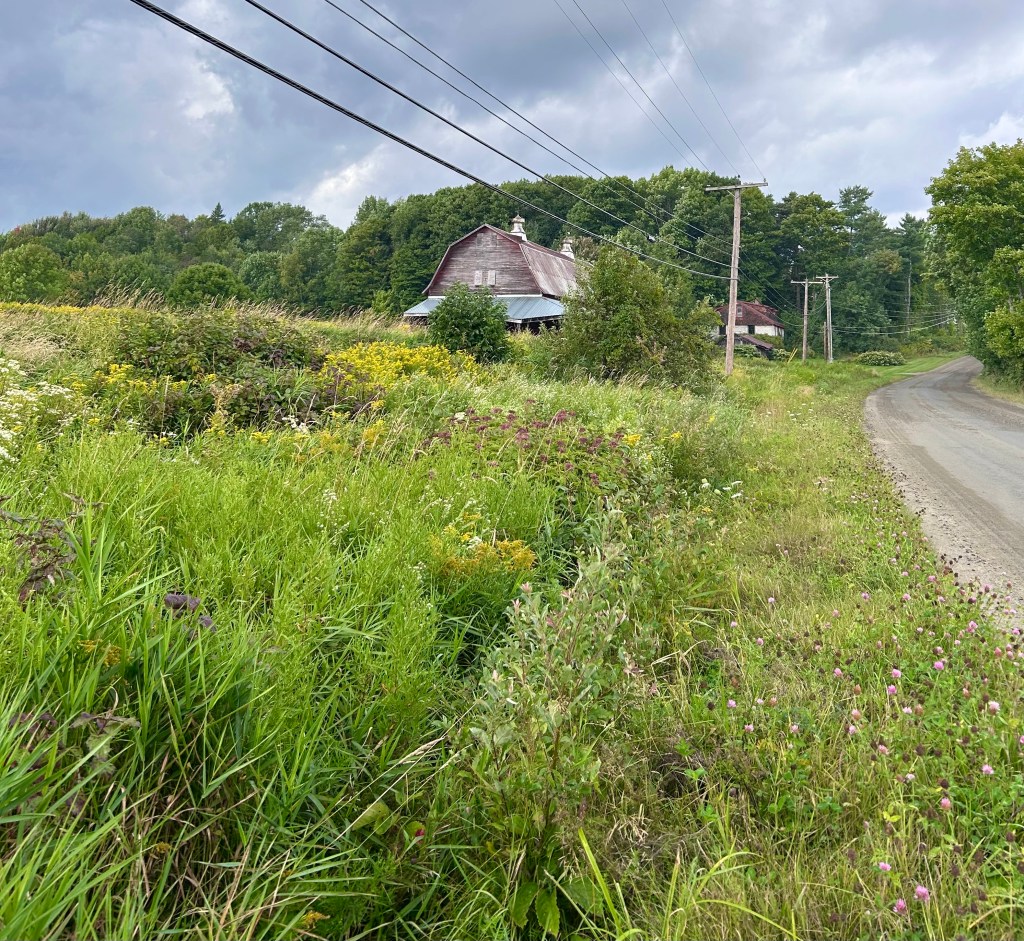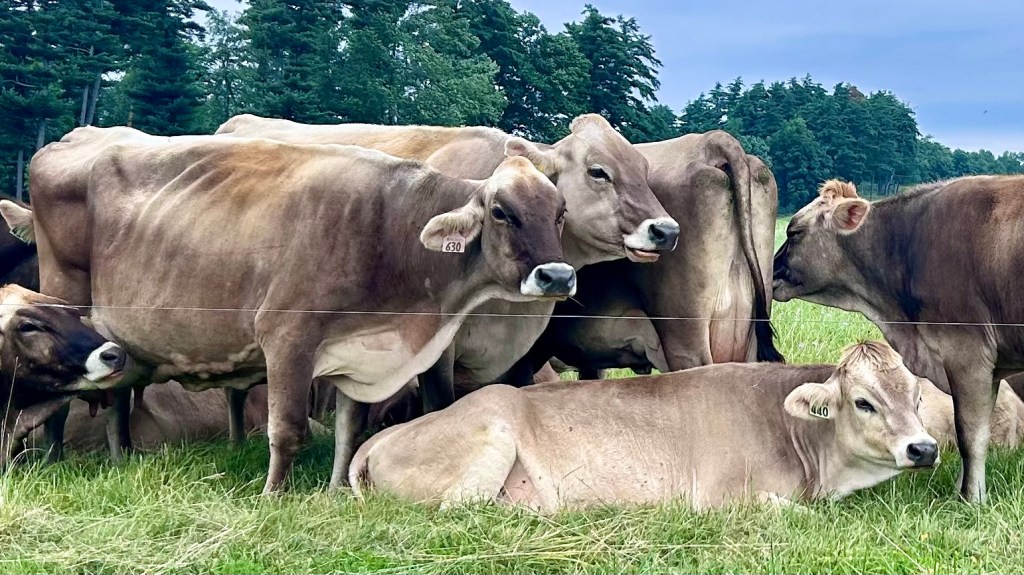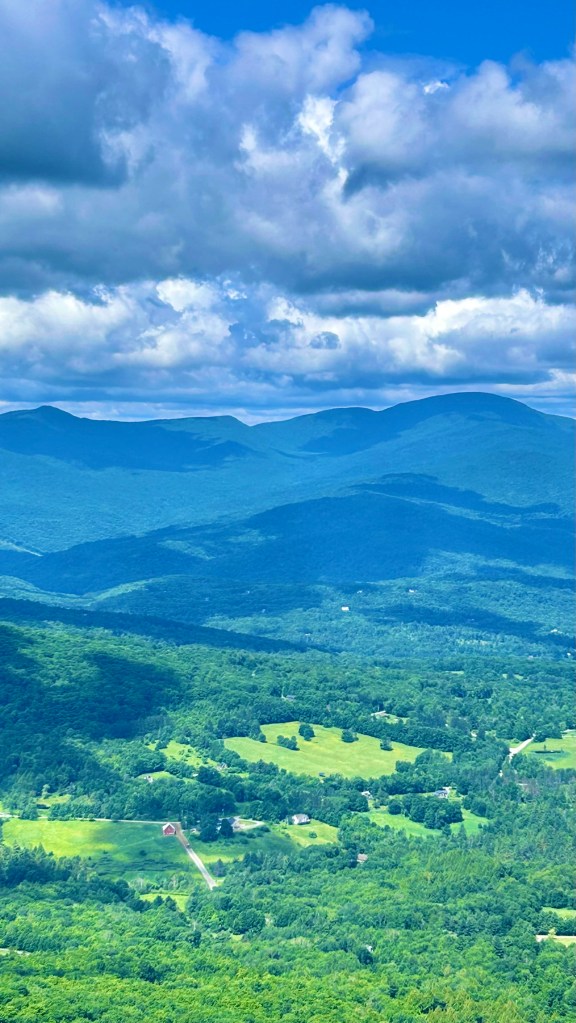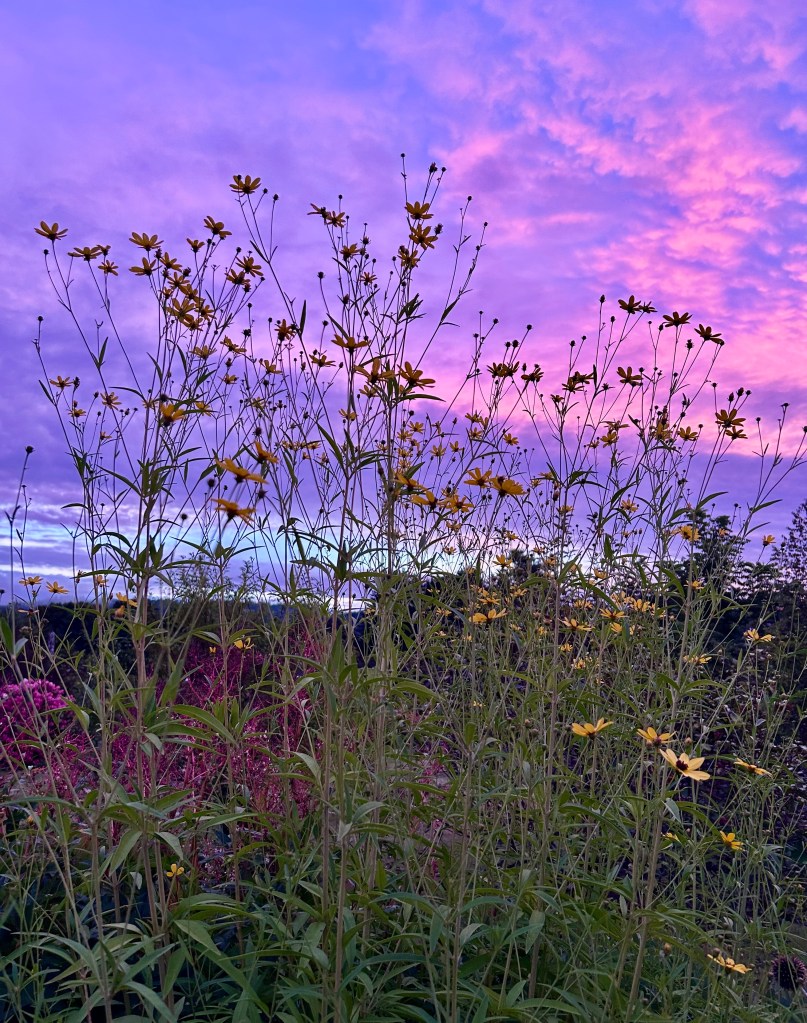
September 1, and the sudden gush of changing seasons, which is never simply a matter of weather and light, but habit and soul. After a summer of book tour and work, of road trips and hikes, swimming, of reconciliation and division, too, seed sowing and blackberry gathering, of the sweet satisfaction of a family marriage, now early autumn nibbles in these early mornings. All summer, I struggled writing, but the vision forward for this manuscript abruptly opens. I lean hungrily into the work.
On a recent evening, we visit an open studio evening, a dirt road site of a long-ago hill farm with a queenly view of the valley, a righteous post-and-beam structure with a stunningly opulent garden. The art ranges from sculpture to two charcoal drawings commissioned by Bob Dylan where I linger; the studio and gardens comprise a whole. Slowly, the rooms fill with people I’ve known for years and strangers, too, all curious. How much my mother, long passed from the earth, would have loved this evening. How implicitly she would have understood the present of art, its underpinning in the past. She would have noticed the old millstone now relegated beneath a young apple tree.
We drive home around the lake, then down the hills into Hardwick village, the sunset crimson and gold along the darkening horizon. Always, we’re plunging forward, into the night and sleep, into the morning. The next day’s noon, I walk with my daughter along a causeway far into Lake Champlain, balmy wind on our faces, small spits of rain in our hair. The good luck omen of white egrets.
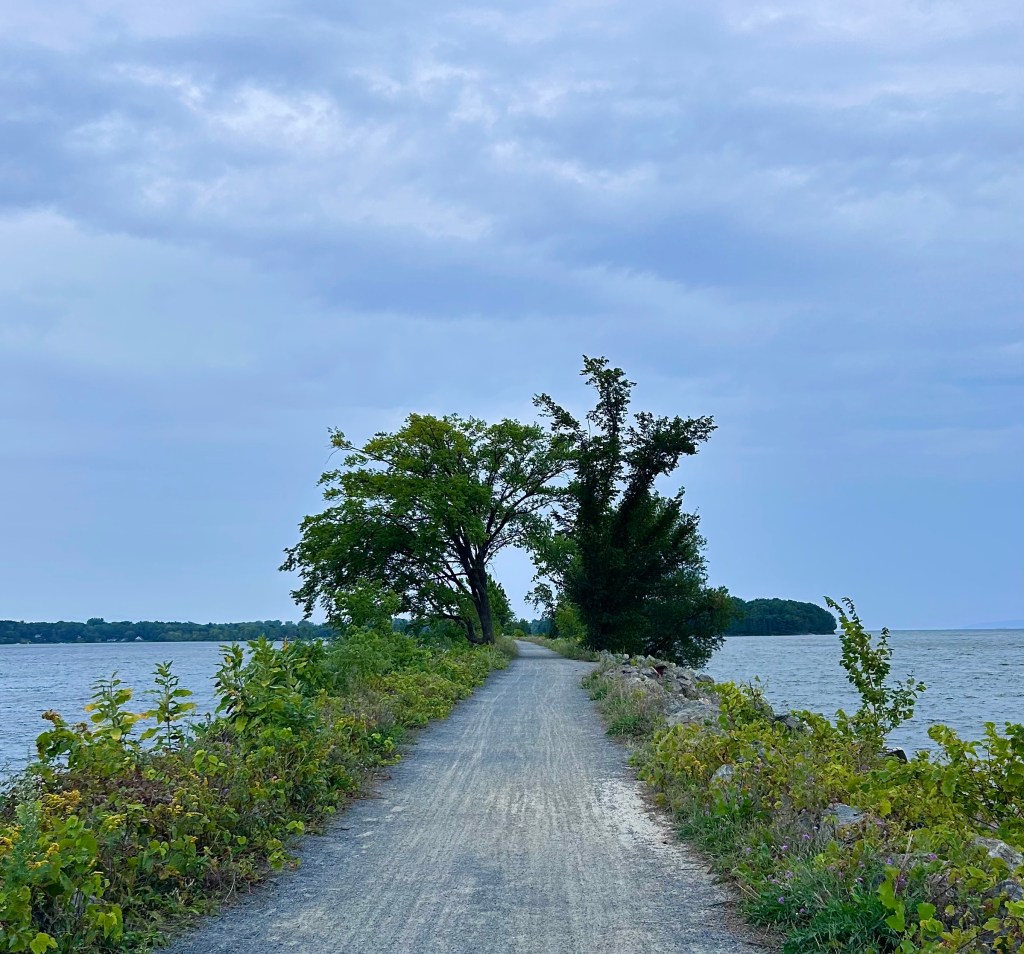
All these are great and little things. The profound pleasure of pouring boiling water into a French press in my rosy dawn kitchen. Soon enough, the monotone of snow and ash and road sand, the immense might of winter, will settle here. For now, the bittersweet profusion of late summer—sunflowers and goldenrod, basil and tomatoes.
As it’s September 1, here’s W. H. Auden…
There is no such thing as the State
And no one exists alone;
Hunger allows no choice
To the citizen or the police;
We must love one another or die.