Here: Where I/We Are.

Post leaving my daughter in her college dorm, the cats and I hole up and read Here by Richard McGuire. A sample of this amazing book is:

Here: the cats and I wake, in the morning that’s yet dark, to the rain pattering through the open windows on the stones and leaves around our house. One more week of August remains, and the swimming prognosis is lousy.

Around me: backroads in places still barely passable, bridges out, the riverbanks strewn with human junk — pieces of the ripped-apart motel, wires wound around wood and twisted clothing and two cars and so much plastic. I started this summer, July 1, driving to an Independence Day celebration, cloudy with smoke from the Canadian wildfires, noting that day as my own marker: the smoke has become part of our life. We accepted it, kept on with our lives, as we had — and have — to do.

A summer of the strangest things. The world’s great problems, my own petty woes. In all this, we filled our days with working and drinking coffee, hiking and playing cards and eating tacos and talking, so much talking. Gravy.

On this rainy Friday morning, a Raymond Carver poem:

“Gravy”

No other word will do. For that’s what it was. Gravy.
Gravy, these past ten years.
Alive, sober, working, loving and
being loved by a good woman. Eleven years
ago he was told he had six months to live
at the rate he was going. And he was going
nowhere but down. So he changed his ways
somehow. He quit drinking! And the rest?
After that it was all gravy, every minute
of it, up to and including when he was told about,
well, some things that were breaking down and
building up inside his head. “Don’t weep for me,”
he said to his friends. “I’m a lucky man.
I’ve had ten years longer than I or anyone
expected. Pure gravy. And don’t forget it.”
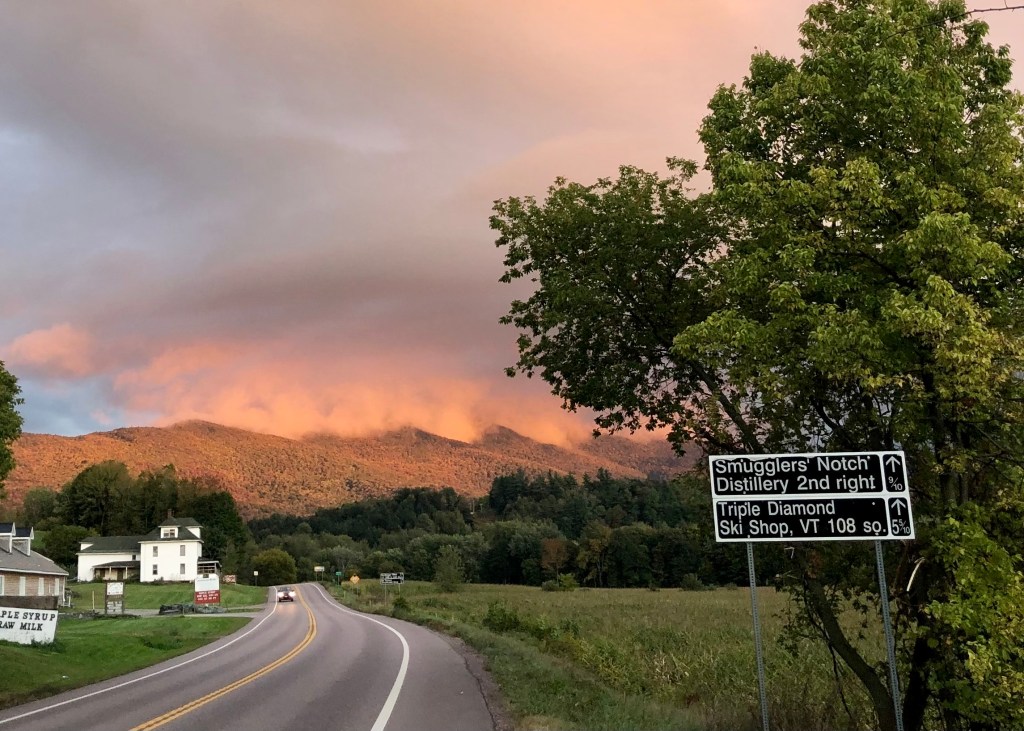
October 1.

I spend the better part of Saturday stacking wood, beginning bundled in a sweatshirt and hat, and quickly stripping to a tank top and shorts. A black cat wanders by and appraises my work which, admittedly, is uneven but certainly sufficient. I breathe in fresh sap, wet earth, dusty bark crumbles.

The month of September — all thirty days — disappeared in a few heartbeats. I’m still pulling in frost-choked parts of my garden, the dead lily stalks, putting away the clay fairy house in the rock garden my daughter made so many years ago.

Friday, I’m at a summit all day that brought together people, who, in one way or another, are enmeshed in healing from addiction. Here’s the thing: a few years ago, I never would have attended a summit like this, let alone speak to a large group. For years, I said nothing about my own struggles with addiction. But publishing Unstitched acknowledged in a very public way my own miserable struggles with drinking. Because I had written the book, I had to answer questions publicly about this, and I needed a surprising amount of time to acknowledge this, to really accept what this meant. But I heard — and I kept hearing — from people I both knew and complete strangers — about their struggles, or a friend or family member’s struggles.

The Rumi line I quote in Unstitched is “the wound is the place where light enters.” When I returned Friday evening, my daughter asked me why I go to these sad things. And it’s true; there’s such grief that’s shared. But now I understand that there’s my own grief — still much of it in a private place in my heart — but grief is our human commonality, too. The wound is what renders the light possible.

When I step out, three hot air balloons are rising.

Nearby the expo where the summit is held is a hair salon named The Rusty Clipper where I dropped off maple syrup wedding favors about twenty years ago. The father of the bride gave me a check. When the bride opened a box, she told me I had given her the wrong bottle — hearts instead of leaves, or leaves instead of hearts. I gave the check back to the father. I put the boxes back in my car. I buckled in my three-year-old and drove home. At home, I redid all the favors and drove back the next day. When I got the check again.

I stand there under the hot air balloons and wonder about that bride whose name I’ve long since forgotten. Then I follow the crescent moon home over the mountains as the light gives way to twilight.

Mother Noise.

Summer study…

In the middle of the night, I read Cindy House’s memoir Mother Noise. House struggled with a heroin addiction. Eventually, I turned off the light and lay awake, listening to the cricket song through the open window. It was the deepest, loneliest part of the night, somewhere in the stretch from midnight to four a.m. Four a.m. is the hour that seems reasonable to rise and get the coffee brewing. For years, I dreaded this time of night. One of the great pleasures of sobriety is that the nether world of dreaming has returned to me.

For days, the trifecta of my daughter’s 17th birthday, her junior prom, and the anniversary date I was married 28 years ago has soured my mood. Here’s the thing about being a solo parent: you’re forever cut in half, wondering why the hell the other parenting half of the children is attending a party elsewhere.

But in those hours, thinking of Cindy Noise, I began wondering about what else might have happened rather than the story I keep telling myself of a father still parenting his daughters. The thing is, my life — like anyone’s — might have turned out entirely differently. I became sober. But I could have become a heroin addict. Given a different set of circumstances, sure, why not? I loved inebriation, as long as it was good. For the first time, the real possibility of this looms before me.

The crickets chirp on. I begin to sense my life shifting, just a little, just the smallest way out of sour.

Later that afternoon, I’m driving with my daughter. She parks at an empty storefront beside the run-down laundromat in town. On the granite steps of that former bank building, a little girl, about five or so, is sitting beside a large stuffed giraffe. The giraffe is hard-worn, well-loved. The little girl holds a picture book between the two of them, her lips moving. She stops when she sees me standing on the sidewalk. I glance down at her pink sandals, her purse open with a memo notebook inside. Then I nod and hurry along, leaving this child to what she’s doing.

Oh, sweet world. So much harshness. So much to cherish.

Self Portrait.

My daughter turns 17. On our way home from dinner in Montpelier, she drives my car with her friend in the passenger seat. The girls have known each other since they were eight-years-old and their legs dangled from chairs. The girls take the long way home, passing an estate on a dirt road with a stunning view of the mountains and sky. Cows graze in the fields. One girl plans to be a lawyer, the other a doctor, and they scheme to buy a house like this. In their pretty sundresses, the girls are laughing.

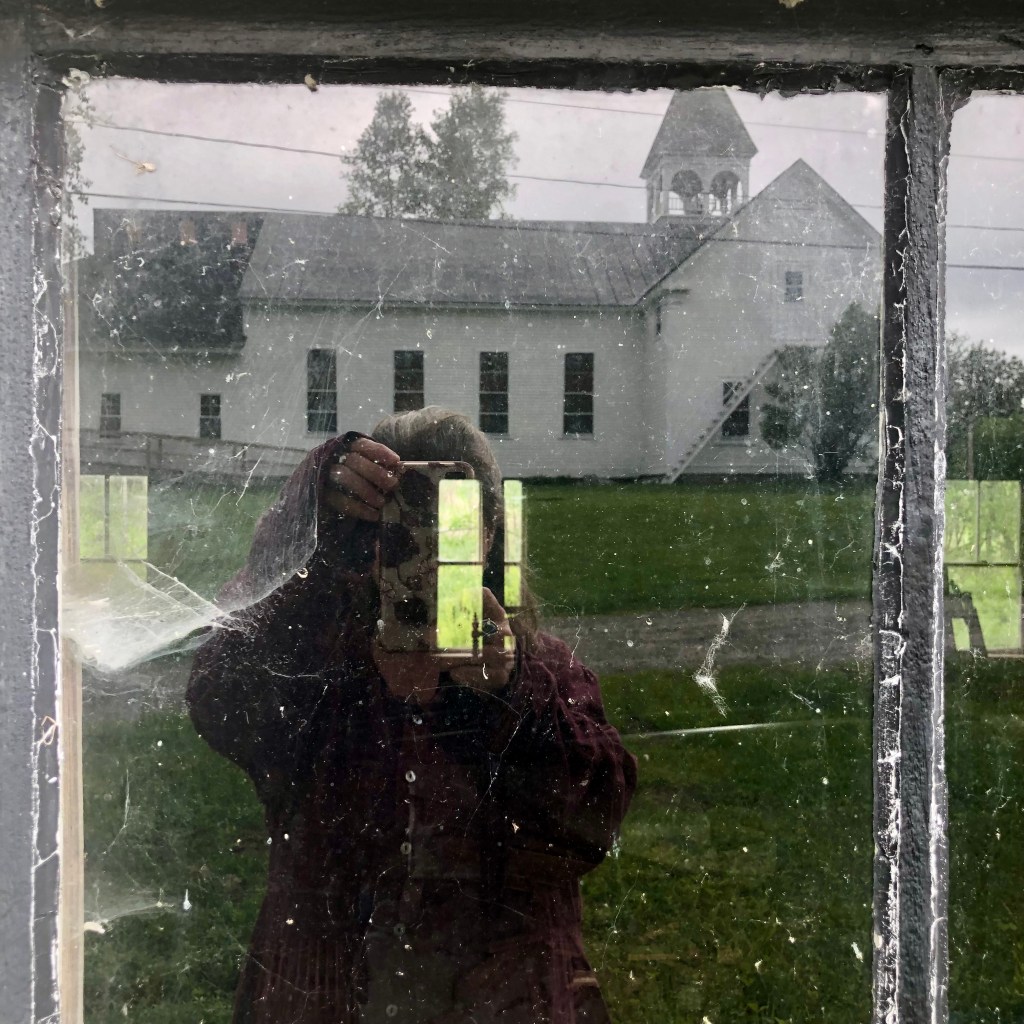
At dinner, the server spilled a Shirley Temple on my daughter, splashing her with cranberry juice and ice. Both girls have stickiness up and down their bare legs. Someday, years away maybe, they’ll still laugh about that birthday drink and splash. Meanwhile, I keep looking through windows, seeking stories, seeing pieces of myself.

Here’s a review of Unstitched that made my heart sing.

Somewhere in the Pandemic.

A colleague and I discuss our somewhere-in-the-pandemic plans: gardening and creativity and as much outdoor time as possible. We’re somewhere in the pandemic; that’s our determination. This somewhere might extend for a very long time yet.

This week, I was invited to a FB event where people all over the country signed in. I began by talking a little about my own dear state — tiny Vermont — whose entire population of 650,00 souls is less than many cities in this country. Some villages have a post office and a single paved road, a scattering of houses, streams and trees, gardens and swing sets. Since I was talking about my book and addiction, I spoke about how the wide world seeps into the most hidden places in my world, too. And yet, our lives go on. That same, age-old question — how to find meaning in our lives?

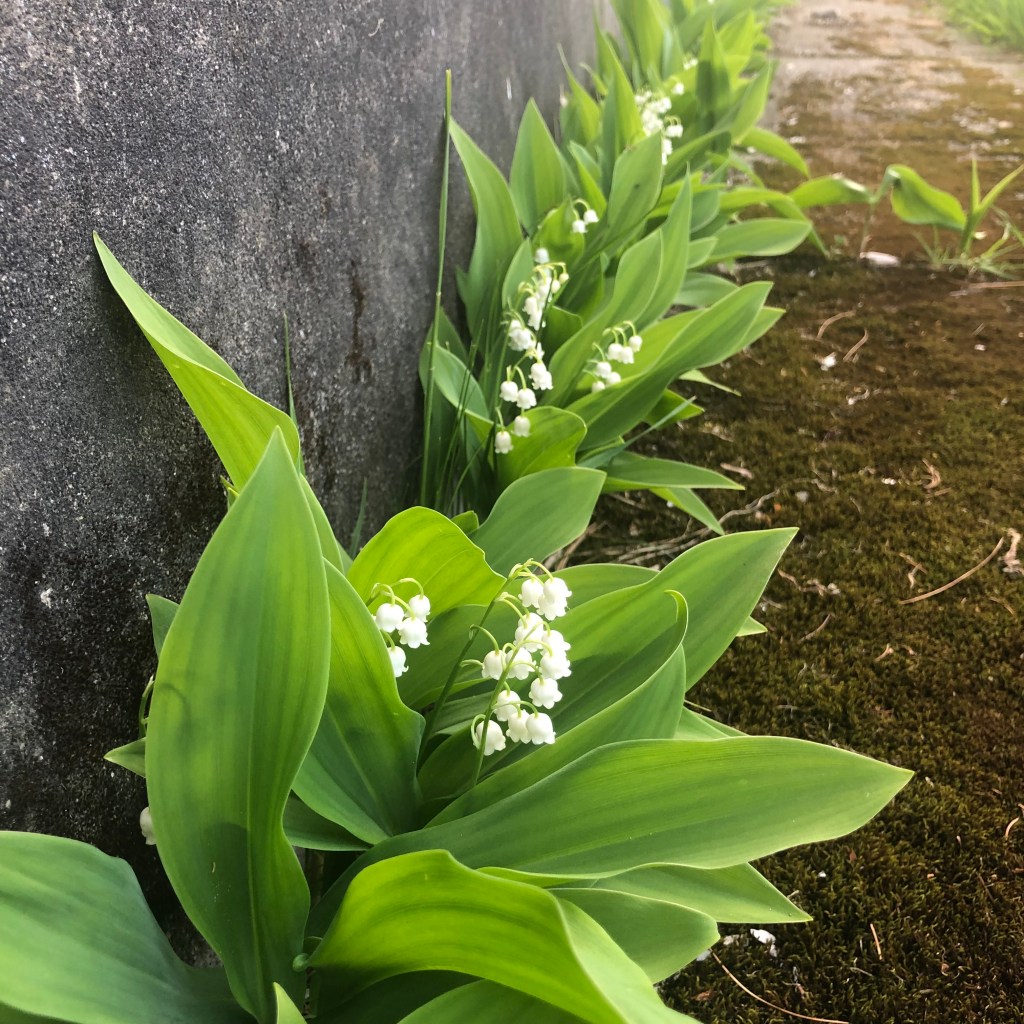
Memorial Day in Vermont is a big deal. The town cemetery beside my house is freshly mowed. New flags wave near stones. All week long, families have been tending gravestones. May is the season of lilacs and green. I make notes for the weekend: tend my garden. Make friends with the new neighbor and the scary dog.

Odd Call.

My phone rings with a number I don’t recognize. On the other end, the caller and I begin to piece together a message I may or may not have left, tracing an odd connection between two people with the same common name.

It’s late afternoon. I’m home from work, bacon sizzling in the oven, my daughter washing her hands at the sink. The cats are pawing their bowls, finishing their early dinner, wondering what might be next.

For a moment, I’m suspended in this interesting conversation with a pleasant voice, remarking on the strange coincidences in our small town world.

It seems to be nothing more. Afterwards, when I’ve hung up and headed out to my garden to cover against possible frost, I keep thinking about that call. In an odd way, the pandemic suspended the once normal world. There’s plenty of just lousy stuff that’s happening and still happening in our world (and likely always will). Then, this: random bits of politeness. Sunshine in May. Blossoms.