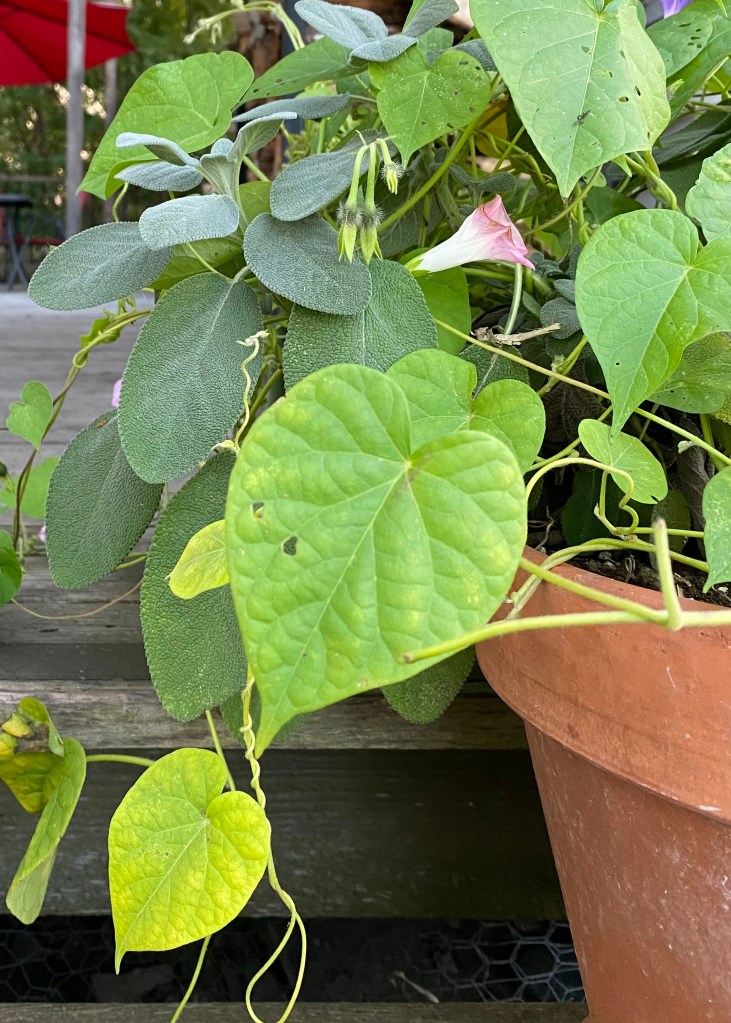
The Pouring Glory of the World.

Saturday, I’m on the bridge in Winooski taking pictures of my daughters, in a strange, almost dreamy smoke-tinged sunset, the kind that’s become more par for the course than not these days. The river snakes through Winooski, a former mill town beside Burlington. Such effort has gone into this town, converting mills to upscale housing, the downtown bustling with restaurants that spread onto the sidewalks. My brother asks me if the town is on the rise. Wrong question, I think.

We’re at the end of a day of walking and sunlight. My brother owns a brewery, and so, while it’s been many years now since my drinking days ended, we’ve gone in and out of bars and breweries, and I’m reminded that the bars I once loved were such good places, full of the people and their stories, their weariness and joy, these things that have always tugged me.

Oh Vermont, my beloved state, in the gem of October. Walking through the woods with friends, golden light falls through the trees. Roads defined my twenties, mountains and rivers my decades after that. I’m well aware that living in Vermont, living in my hillside house with one foot in the village, the other hidden in a wild ravine, is a kind of undeserved luck. Yet the rivers, jammed with debris of broken buildings and busted vehicles, human junk, are a visible siren call of so much and so many things.

Sunday morning, we drink coffee and eat cornbread on my back porch, and solve, as my brother says, not one whit of the world’s problems. October: redolent of wet soil, broken leaf. Yellow and scarlet, a finale of gray. The month when the leaves will fall, the world open up.

From Jessica Hendry Nelson’s Joy Rides Through the Tunnel of Grief:

Wonder is accepting what we cannot control, which is damn near everything. This, the pouring glory of the world. It goes in all directions.
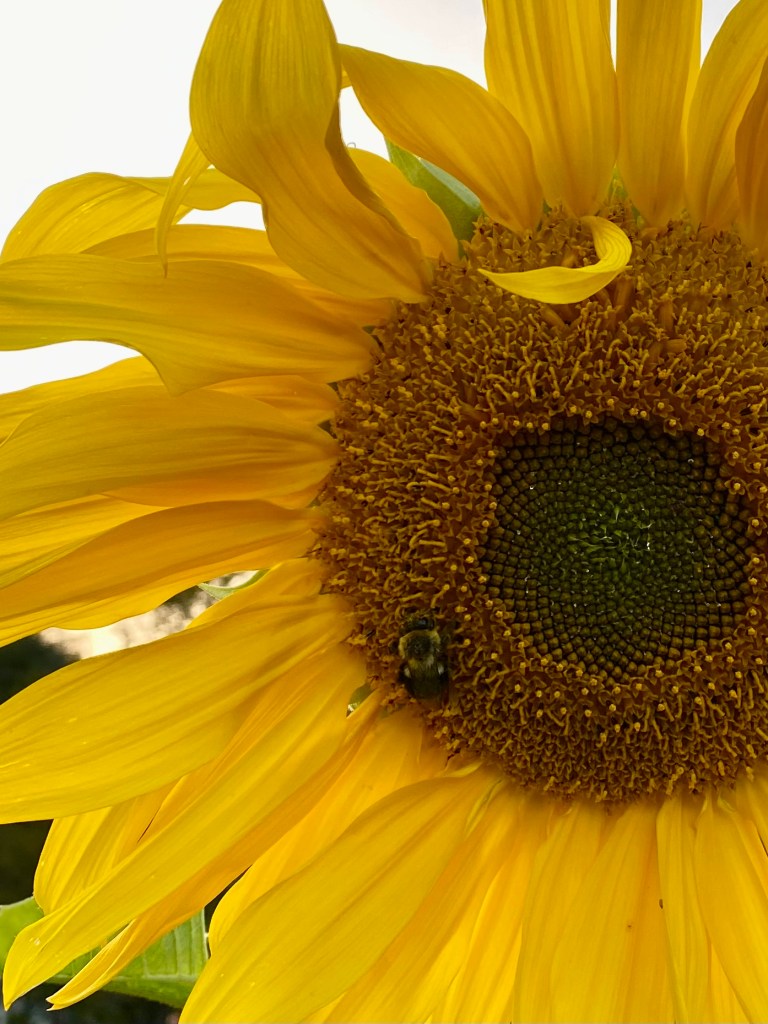
Talking Past Dark.

A friend comes to visits, heads to my picnic table, and we commence talking. Hours later, a dewy dusk has descended. I’m shivering, my sweater cuffs pulled all the way over my hands. Inside, my cats are grousing for a fire in the wood stove.

I remember my friend’s oldest son sitting on my couch, about an eon ago. The boy was so small his legs didn’t reach the end of the couch. Now, he’s thinking of heading into a PhD program.

I haven’t seen this friend in months, since before I traveled to Europe and decided I was born on a continent that mismatches me. Yet, we start talking as though I was a young mother again, walking along the dirt road with a toddler, my hair unbrushed for days.

It’s a cliche of course, how the world changes and how it remains the same, that one long Heraclitus river — always the stream, never the same.

The foxes didn’t return to den behind my house this year. A few stray lilacs bloomed in late September. The harvest moon sails up in the sky. All our hours of talking and we solve absolutely nothing, not a single problem, except this, perhaps: a fattening of our friendship, this woman who assured me I would survive my divorce, that my life would continue. The sun heads down, and we keep on talking.

A Thief Running Away…

Slacker, slacker, I’ve been about a few things in my life, the laundry folded and left in piles on tables, my blog idling, the emptied cans of cat food needing to be recycled.

These mornings, I’m up so early my glossy housecats are yet sleeping, curled in their cat balls, not yet grousing and purring for their breakfasts. A year ago, I believed I had finished a book; I had that draft in my hands. But a year later, here I am, drilling down, writing maniacally, to get all the way down to the end, in and out of chapters, between words, cutting and creating.

Walking to meet a friend after work, I suddenly see the whole shape — the beginning, the messy middle, the end — in the tangible image I’ve been searching for. That image is all through the book: now, some stitching together, a few crumbs for the reader’s delight.

Some of you have read clumsy drafts of this novel, and thank you, thank you. What a fool’s venture writing a book might seem. There’s never a guarantee of anything — of good work, of any money, of satisfaction. A year later, though, and I know this book inside out. I could recite sections, perhaps, if you and I spent time in a lock-up, although that, I hope, is unlikely.

Here’s what I learned this past year: worry about the few things that matter. Write as well and as hard as I can. Getting there, I think.

Here’s an article about human civilizations in Vermont that I’ve been thinking about all day, too.

A thief running away like mad from a ferocious watch-dog may be a splendid example of Zen.

— R. H. Blyth

Good Weight of Firewood.

The wood man delivers me green firewood, wood I plan to burn next year, God willing. He brings bees, too, or maybe the creatures simply appear magically from my gardens or trees, hovering on this sweet-smelling-of-sap pile. The day’s flawlessly sunny, and we stand beside the wood and butterfly bush my daughter bought me, talking. His truck is 40 years old, older than him, and he yarns on from there, telling me about his sugarbush and the taps he leases and how much syrup he made last year and the year before. A former sugar maker myself, we talk the talk about reverse osmosis and arches and how he nearly but not quite burned his front pans last year. We talk ropy sap. We talk how long it takes to fill a 40 gallon drum.

I write him a check for a week’s worth of my wages. He heads out, still laughing, leaning out his window, telling me his wife expects him home for lunch.

When he’s gone, I lift a piece of maple, heft its weight, breathe in its smell. This wood man’s given me good weight.

Round Earth.

Autumn reminds me the earth is a globe. The days shorten; dusk draws in earlier. The shadows hold a chill.

This year, purple asters spread prolifically — along roadsides, in the woods, in seemingly random sprigs around my house. The flowers flank the two pears in my front yard that someone planted years ago. One tree mightily growing, the other a persistent dwarf.

Autumn is the season of so it goes. What passed for summer this year is finished, the harvest wrapping up. In its own way, perhaps, the most poetic of all season.

Someone goes by wearing a hood
in his own darkness
not seeing the harvest moon

— Buson

The Swedish Word for Joy.

The dental hygienist tells me about fishing trips to Lake Ontario, sailing far out into the lake where the land was no longer visible. Like the ocean she tells me. You can’t do that in Vermont.

With her gloved thumb, she presses on my lower jaw, my source of infection and misery and a veritable hemorrhage of money. The December before the pandemic, an oral surgeon took a scalpel to my gum and cut. A few days later, my brother and his girlfriend arrived for the holidays. He grilled on the back porch and drank beer while I leaned against the clapboards. In the kitchen, my daughters and his girlfriend cooked and baked.

On his phone, we studied footage of China, closed up and quarantined, back in the days when we couldn’t envision our own streets and highways closed up, the border closed between Vermont and my brother’s house in New Hampshire.

In a world of enormous possibilities, that bone infection is currently on the down low. The hygienist tells me I wouldn’t believe the things she’s seen — fishing, and in the dentist’s office. On my way out, she cheerily reminds me about floss.

Here’s a 100-story of mine published this morning about happiness.

“The ability to tell your own story, in words or images, is already a victory, already a revolt.” 

— Rebecca Solnit