Moxie in the Face of Fear

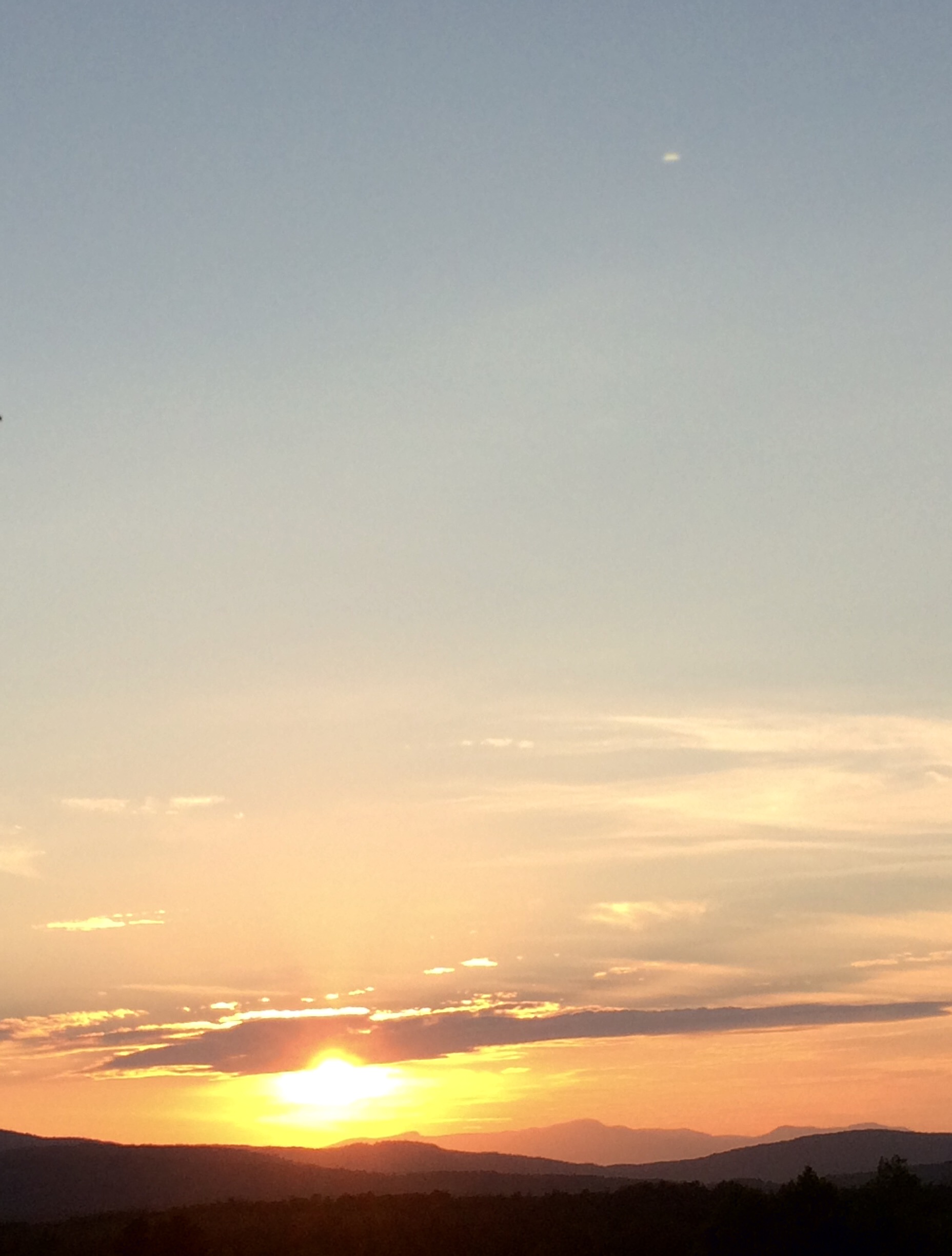
In Laurence Gonzales’ Flight 232, he writes about a flight attendant who realized the plane she was flying on was going to crash. She was in charge of the cabin, and she determined not to allow the passengers to see her fear, so no one would panic. She stepped out of the cockpit with that fresh, horrific news, and thought, Oh please, God, let me be somewhere else.

My ten-year-old daughter can be fearless at times, but I don’t think that’s courage, per se. This woman in the plane had knowledge, coupled with steely nerves. When we most need to draw on our courage, I think, is often where we least want to. It’s one thing to dive into a creative or athletic adventure with aplomb and spunk, but a whole other circumstance to override terror and uncertainty, to push through a scenario with grace, when every instinct in your body longs to run.

I think of my young daughter as practicing and cultivating that force of courage. Surely such action as this woman’s didn’t arise unexpectedly. I can’t help but wonder if the way she lived her whole life primed her for that moment.

She walked down the aisle, pale and shaken and almost in a stupor of fear and grief. She felt grief, she later said, for all the people, the children. “I couldn’t look at anybody,” she said. “It’s like I just withdrew into myself, because I was working a plan, and I didn’t want anybody to read the absolute terror in my eyes….”

–– Laurence Gonzales, Flight 232
IMG_8038

Pieces of Writing, Things of Life

Twice this summer, as I’ve driven along the Vermont interstate, a blue pickup has swung out in front of me at the same exit, a man at the wheel, but what caught my attention both times was the Greek omega symbol on its side, leering up at me like some distant memory of high school science. As a writer, I can’t help but think, That needs to wind into my book.

One keen advantage of writing is that, while I’m often half-blind, at times I’m tuned in razor-sharp, wondering in what way the universe is patterning around me, with this truck and this omega so near I could stretch out my arm and grasp its curve. Perhaps the deeper advantage of this is that writing forces you to look, and look hard at times, for meaning and relevance in the world.

Writing a scene the other morning, I realized a female character, in a dim kitchen, held an ear of corn from her garden and was abstractedly picking the ear apart, peeling loose the husk and each strand of silk, bit by bit. Inside, she discovered those gleaming, uneven rows of kernels, new as milk teeth. Would she eat the corn raw? Steam it? Offer it to her stepdaughter? Heave it in the compost? Chuck it out to the chickens?

The things of the world we live in matter. It’s different to wear acrylic or hemp, to eat fast food hamburgers or brandywines from the garden, whether your house has walls of glass or hardly any windows at all. Neither, perhaps, good nor ill, but the things that return into your life might not be wholly arbitrary. What’s near to your hand might be there for a reason.

The simplest pattern is the clearest.
Content with an ordinary life,
you can show all the people the way
back to their own true nature.

–– Tao Te Ching

IMG_7906

Photo by Molly S.

How Things Grow

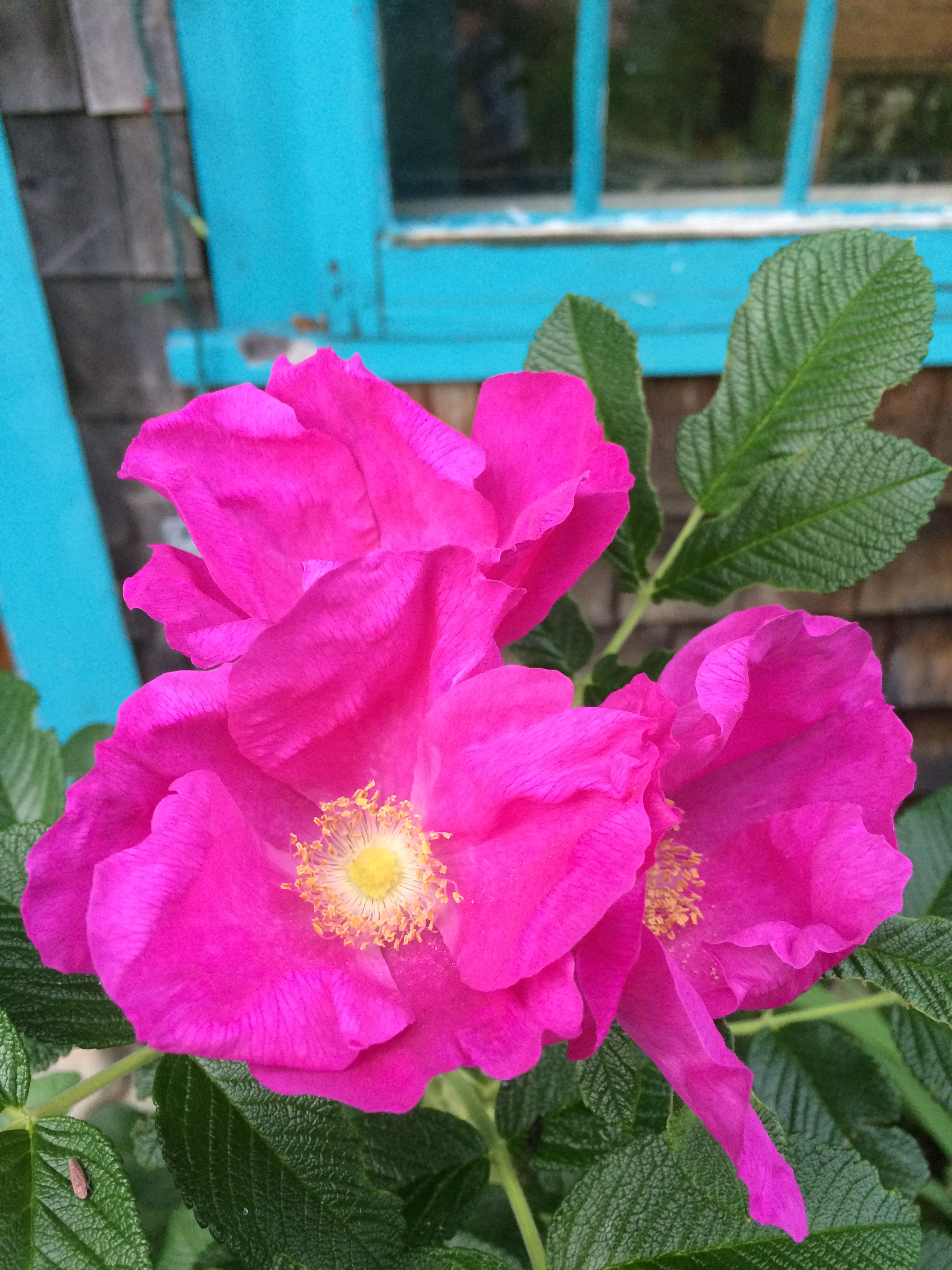
Early this spring, I planted a rosebush beside the back door, in some attempt to transform a little bit of our cedar-shingled house into a Red Rose imbued cottage. Gardening brilliance was wholly lacking. The rose bush has thrived, blossoming profusely, and yet again. In this poor Vermont soil–out of stone and sand and clay–deep glossy green emerges, rose hips fatten, tender petals perfume the air. In and out I go, sometimes all day, and this fragrance rises up to greet me.

He sendeth sun, he sendeth shower,
Alike they’re needful for the flower:
And joys and tears alike are sent
To give the soul fit nourishment.

–– Sarah Flower Adams

IMG_2461

Parenting a Teen and Writing a Novel

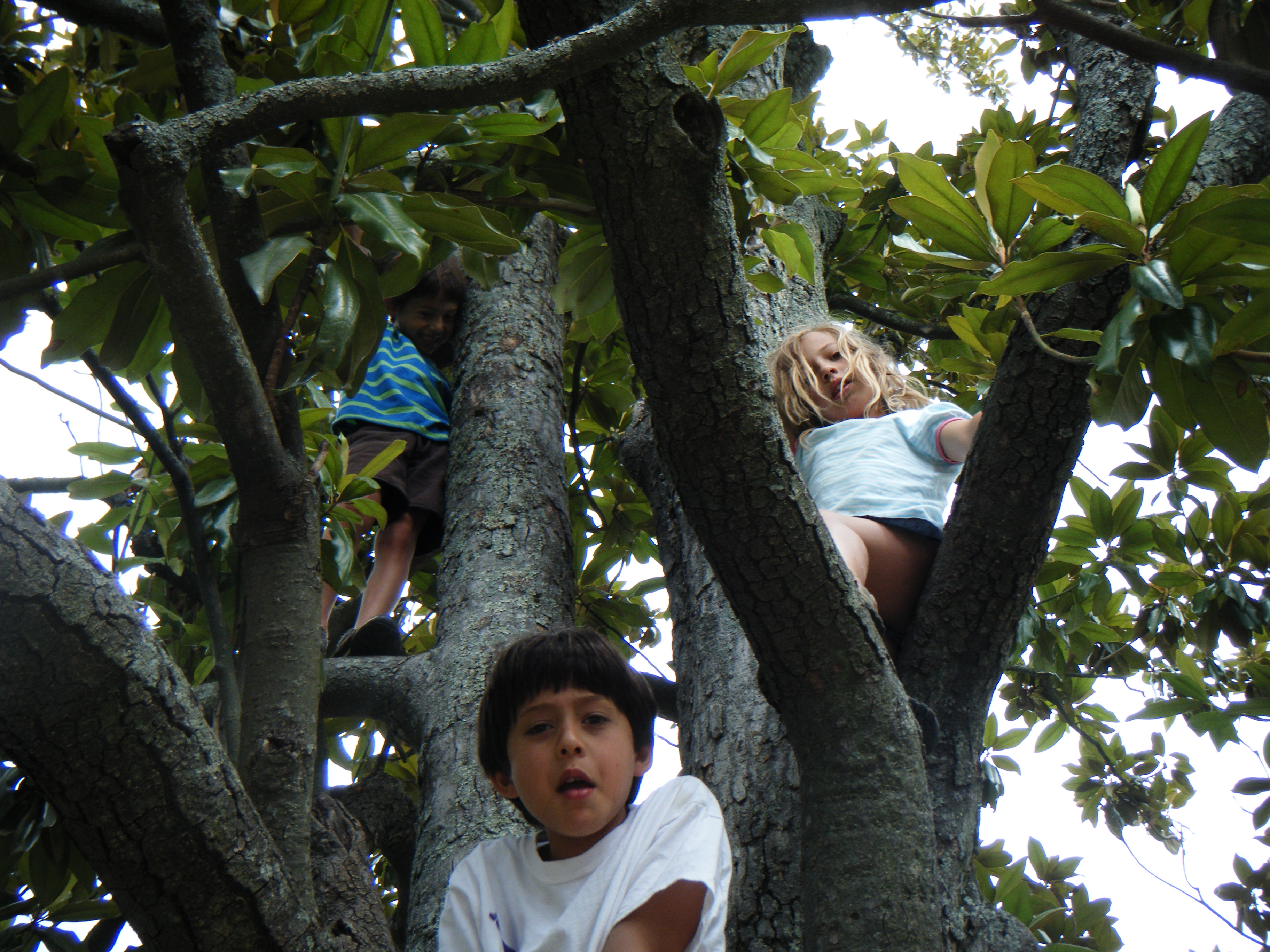
My long-time friend and I went canoeing and swimming with our kids today. The ten-year-old girls immediately ran for the beach, swam the entire time, and never put one toe in the canoe. The two teenagers, a him and her, swung the heavy canoe off the car and confidently carried it to the lake. How the heck did this happen? These two kids I once held on my lap while they shared goldfish crackers? After a dutiful swim, they preferred to sit on the beach–forget romping in the water–and talk.

There’s a fiction phrase–a willing suspension of disbelief–which, the further along in parenting, the more that seems a truism for life. I expect to be in the teen years for a good long while yet, and I could say it’s interesting, but, in fact, it’s darn mesmerizing… among a few other adjectives, too. But when these teens were ten-years-old themselves, I could never have believed they would become so full as people, so funny, so wry, and with legs sprawled everywhere. Here I am, I thought, in that perpetual rough draft of my life, garnering more material.

What you are aiming for (in writing a novel) is willing suspension of disbelief, and the first person who must suspend disbelief is yourself. Some beginning novelists have more disbelief than others, but even if your burden of disbelief is heavy, the only way to suspend it is to keep adding sentences to the ones you have already written.

–– Jane Smiley, 13 Ways of Looking at the Novel
…. Or, I take this to mean, in other words, keep on trekking:  parenting and writing.

DSCF9673

10,000 Things

My math-loving daughter, seeing a page scrawled in my handwriting, asked me what this 10,000 things is all about. I could say infinite multiplicity; I could say maya or phenomena. Or how about something that make might more sense, like September 5th in all its richly earthly Vermont splendor, the seed buds of jewelweed popping between your fingers and the little black crickets singing you to sleep. Watermelon juice on your chin and your sister’s long fingers brushing your hair. Today. Us.

The banana tree
blown by winds pours raindrops
into the bucket

–– Basho

DSCF9564